
SUBSCRIBE

LOGIN

SHOP NOW

NALA HAPPY TIMES

DESIGN

CULTURE

TASTE

TRAVEL

FOOD

THURSDAY SHOWS

UNAGI CLUB

NALA'S SHOP

DESIGN

CULTURE

TASTE

TRAVEL

FOOD

THURSDAY SHOWS

UNAGI CLUB

ARCHIVES

CONTRIBUTORS

DISCOVER

Nala's Instagram

Nala's Facebook

Nala's LinkedIn

Lisetts's LinkedIn

Nala's Tiktok

Nala's Youtube

OUR BRAND

About us

Nala's locations

FAQs

Customer service

Careers

Manifesto

HIGHLIGHT

Latest issue on 7 Sept 2025. Update every Saturday.

Thursday Show
The Original Source of Vitamin D

The Original Source of Vitamin D

5 min read

The Original Source of Vitamin D

Since this week is all about Aloha, I thought I would finish with one of my favourite books.

LISETTE

SHARE

I bought Vintage Aloha Shirts Collection Guidebook in Tokyo the last time I was there with my sisters, and it has become one of those books I keep coming back to. The book was published by the same people behind SUN SURF, the Japanese brand I mentioned earlier and one of the world’s leading authorities on vintage Aloha shirts. Their passion for preserving the history of these shirts is extraordinary, and this book is a perfect example of that dedication.

It documents hundreds of vintage Aloha shirts, from the fabrics and labels to the buttons, construction techniques, and original artwork. The level of detail is incredible, and every page reminds you that great design is rarely accidental.

But the reason I wanted to share this book has very little to do with Hawaiian shirts.

I often think books are the original source of Vitamin D. Not the kind you get from the sun, but the kind that keeps your creativity healthy.

Instagram gives us quick bursts of inspiration. We scroll, we like, we move on. The algorithm keeps showing us more of what it thinks we’ll enjoy, which means we’re often looking at slight variations of the same thing.

Books ask something different of us. They ask us to slow down.

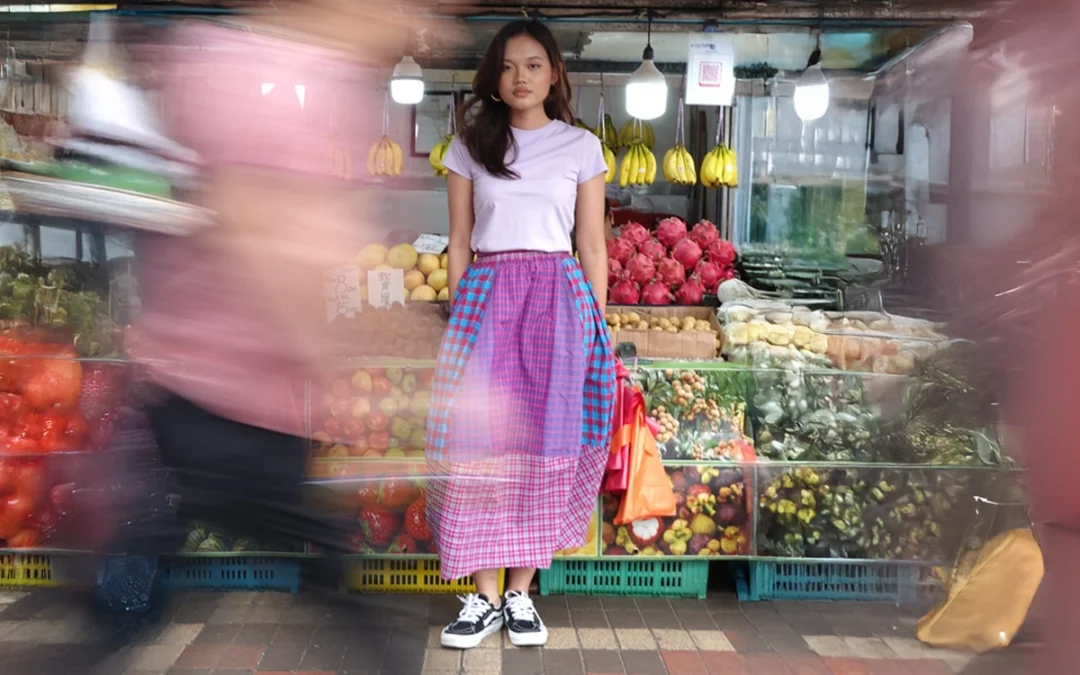
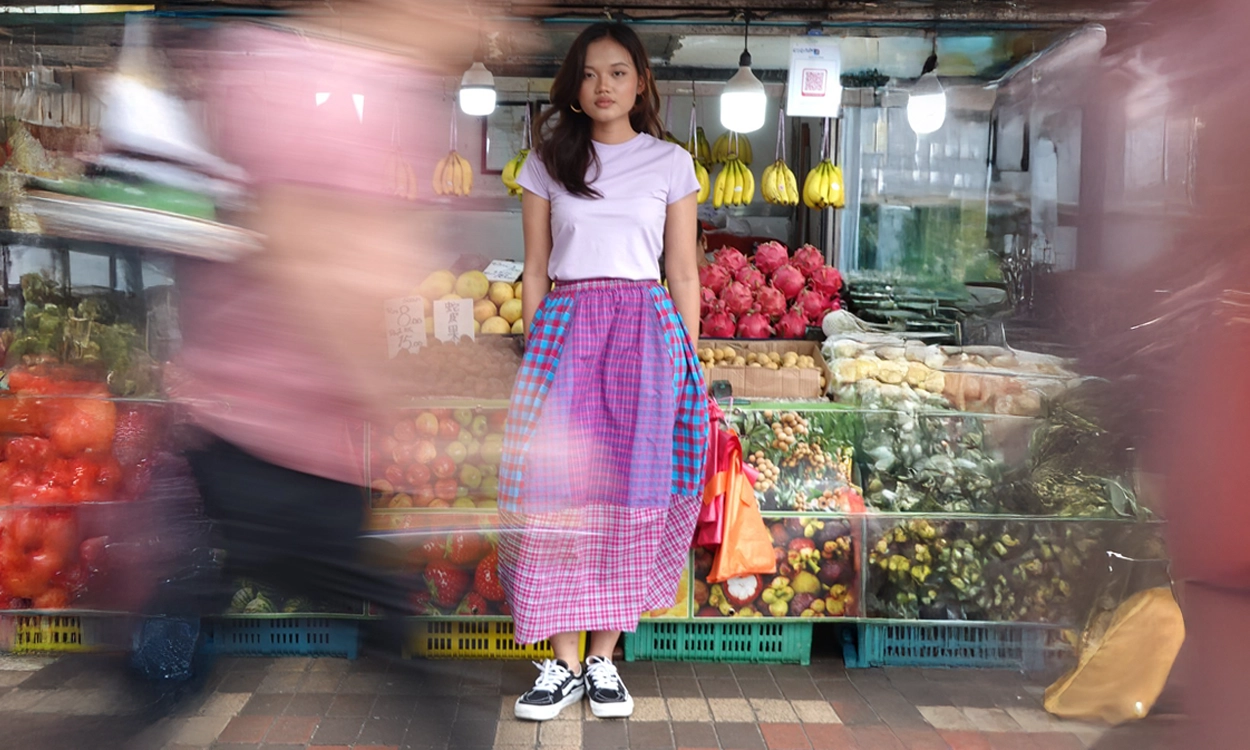
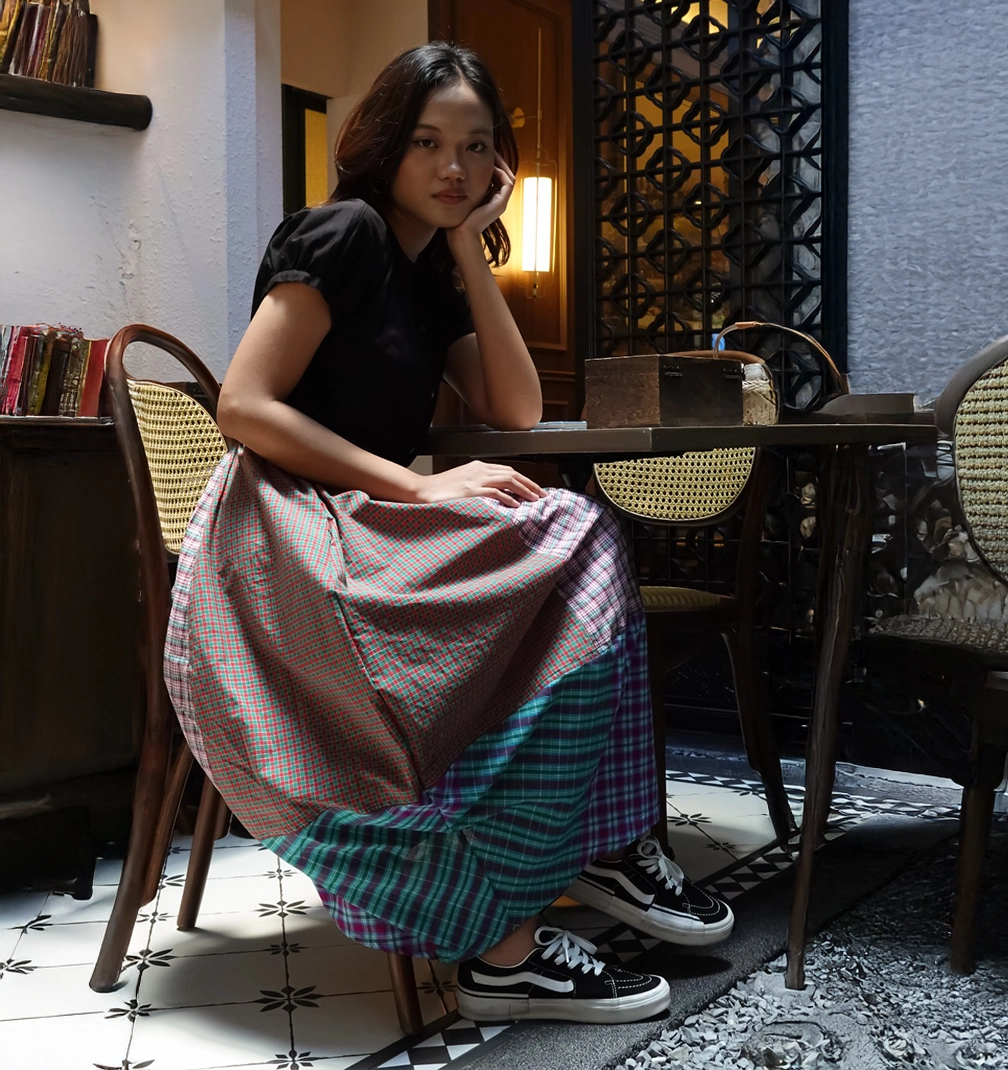
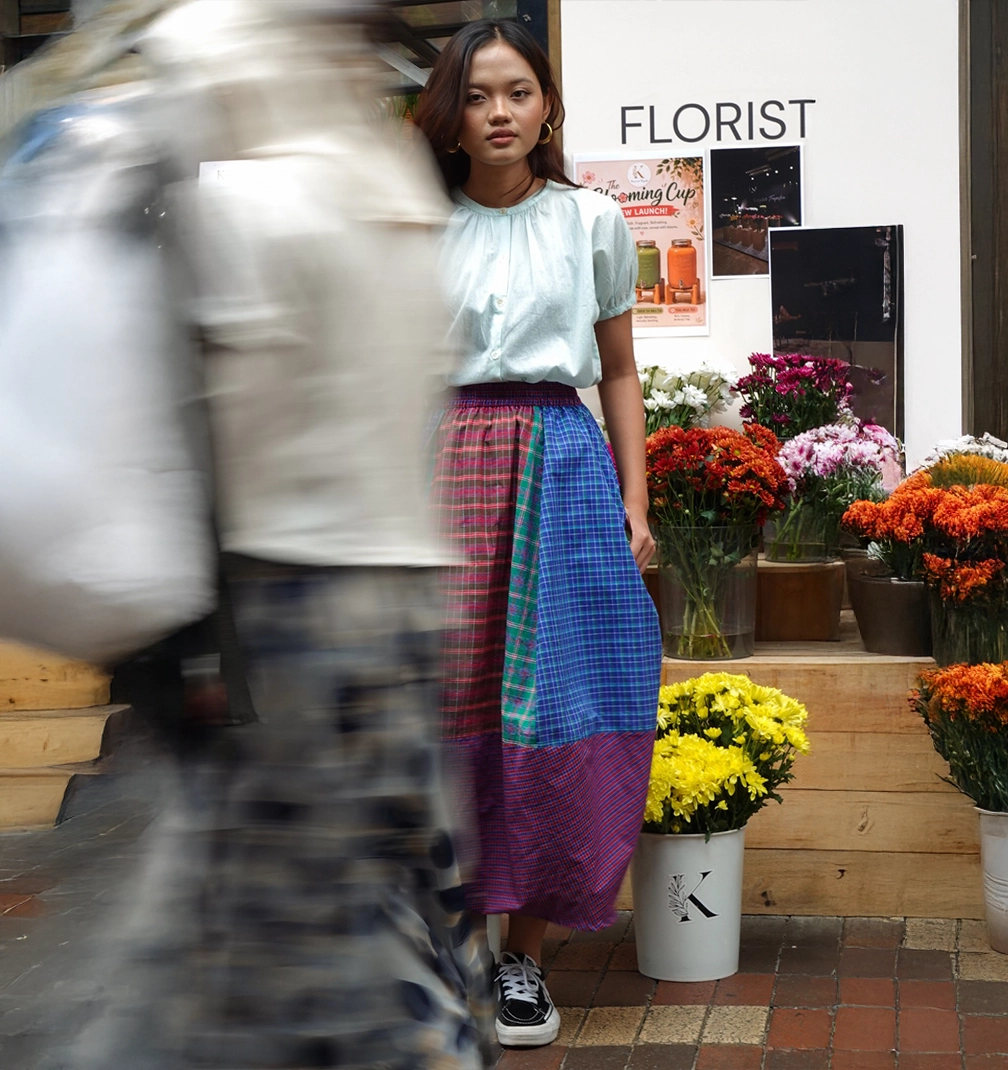
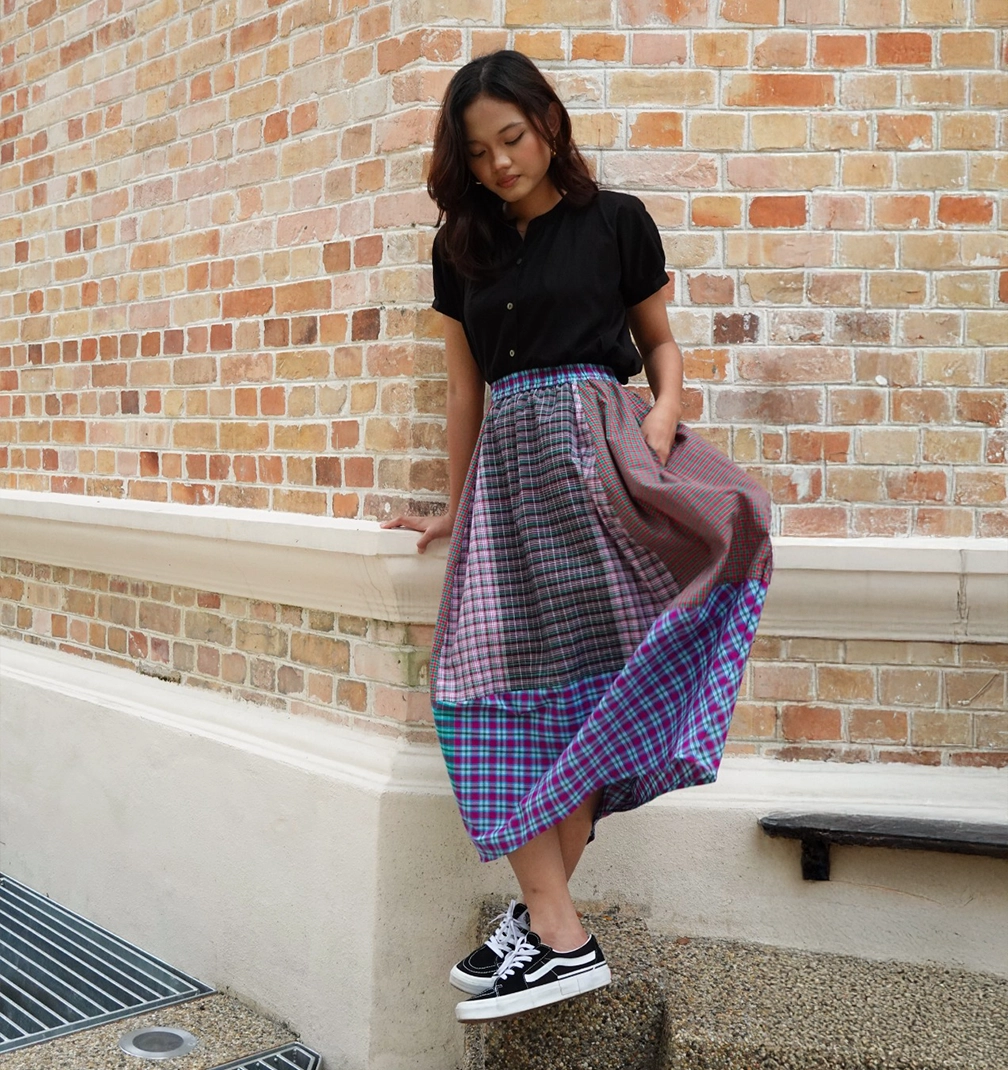
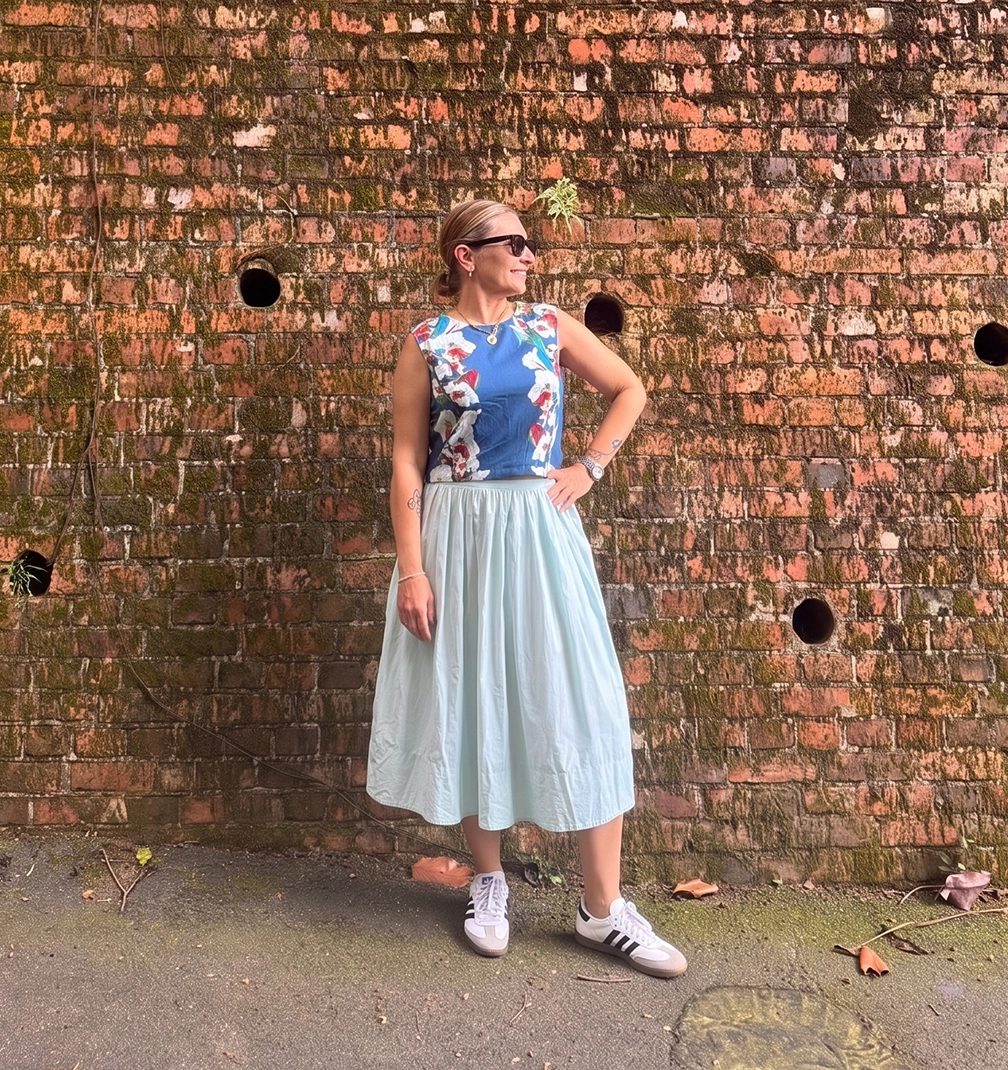
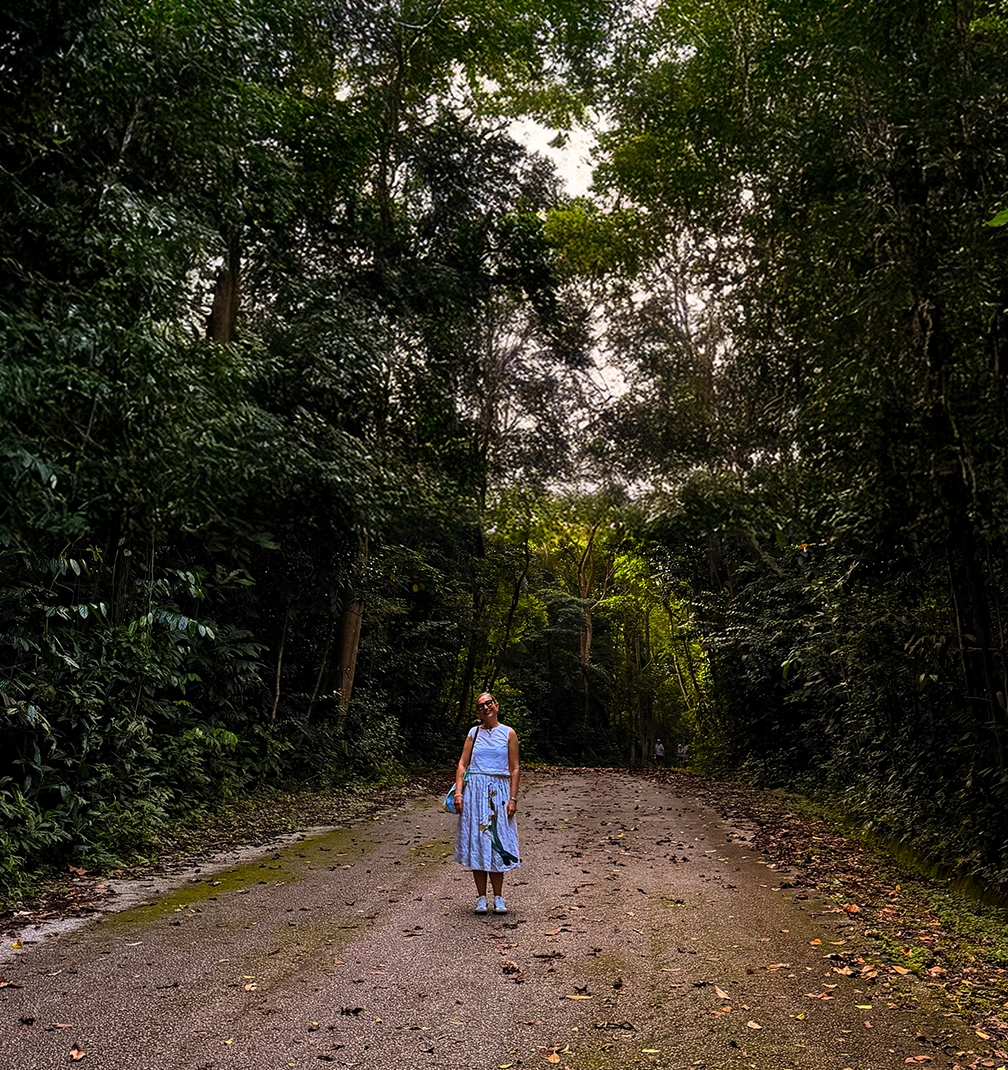
The skirt that thinks it is a painting.

I love making a cup of coffee, pulling a book off the shelf, and simply flipping through it. Sometimes I start at the beginning. Sometimes I open it in the middle. Sometimes I go backwards. Almost every time I discover something I missed before. A colour combination, an illustration, a tiny detail, or a beautiful piece of typography that somehow escaped me the last ten times I looked.

I honestly can’t remember the last Instagram post I went back to five years later. But I constantly return to books I’ve owned for years. They seem to grow with you. As your eye develops and your interests change, you notice different things on every visit.

For me, books are one of the best investments a designer can make. They expose you to ideas outside your own algorithm and introduce you to subjects you weren’t even looking for. They slow you down, broaden your visual vocabulary, and remind you that the best ideas usually come from curiosity rather than speed.

So, if you’re ever in Tokyo and you come across this book, do yourself a favour and buy it. Not because you need to know everything about vintage Aloha shirts, but because every designer deserves a healthy dose of creative Vitamin D every once in a while.

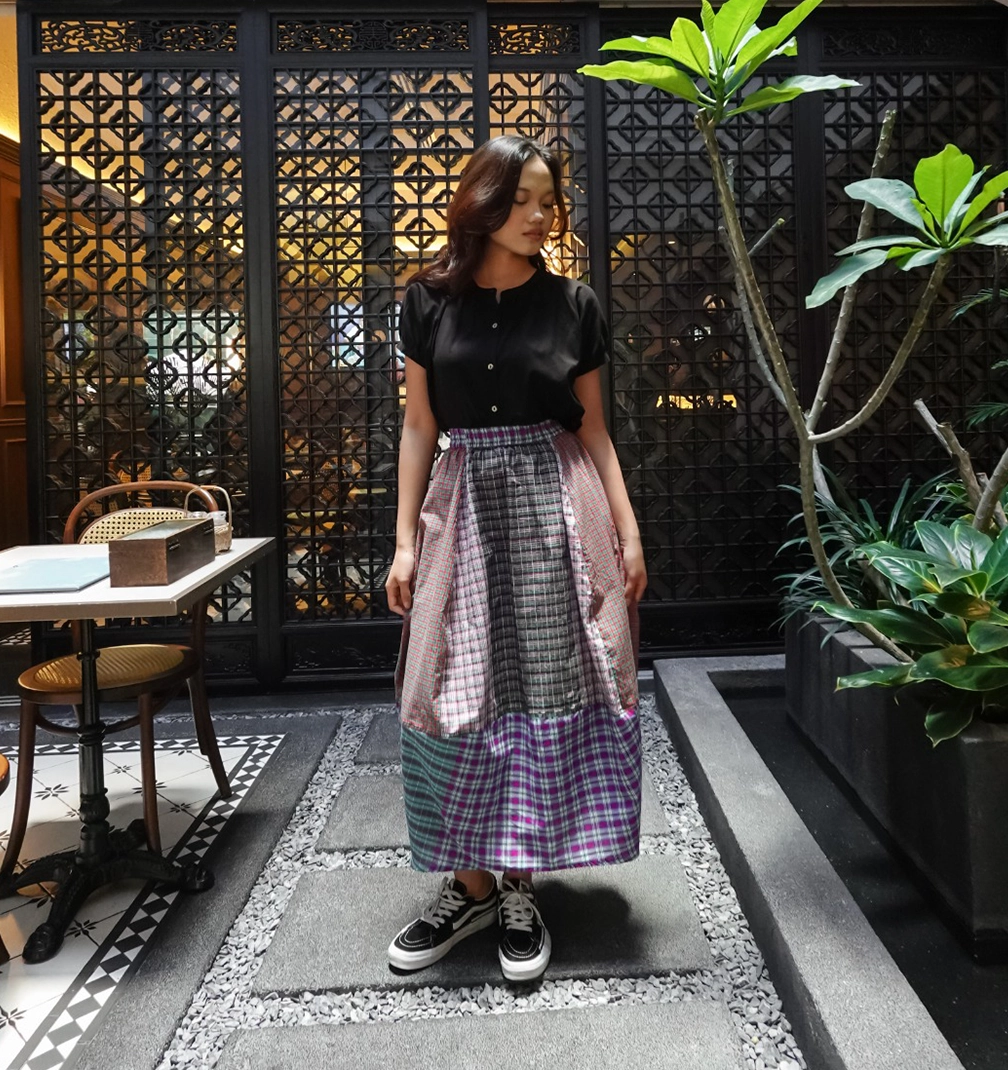
The skirt that thinks it is a painting.
Aloha Botanica: One Night on Penang Hill

Aloha Botanica: One Night on Penang Hill

5 min read

Aloha Botanica: One Night on Penang Hill

Every collection starts differently.
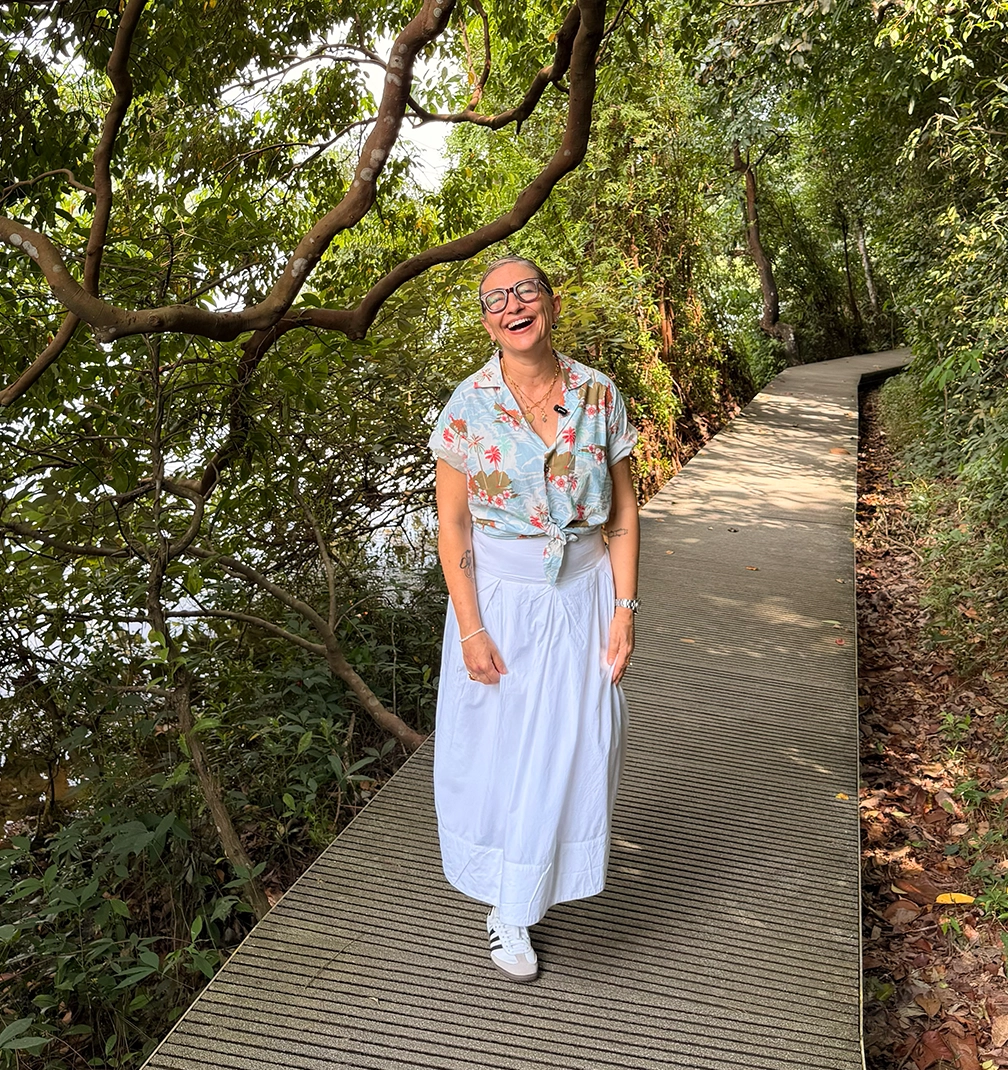
Aloha by Nala began with one night on Penang Hill.

LISETTE

SHARE

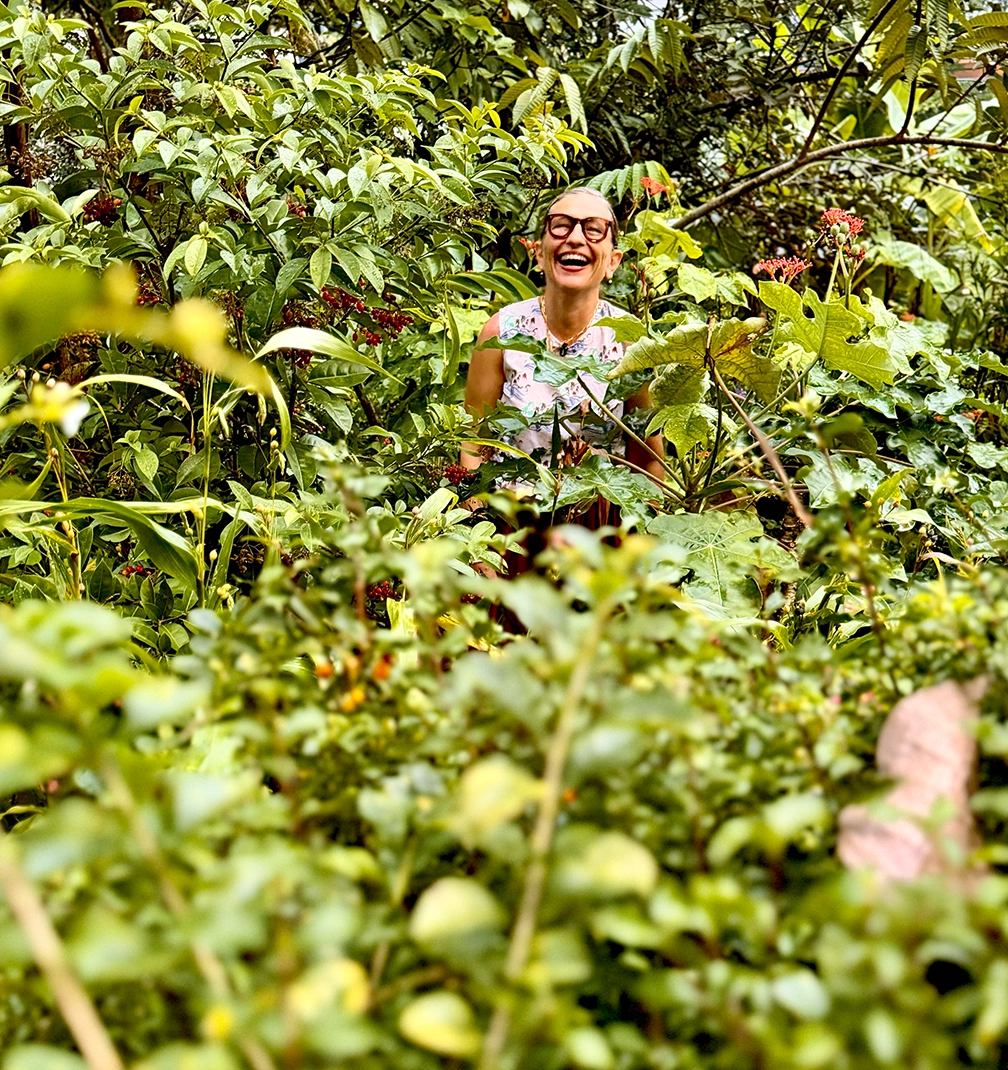
I checked into a beautifully restored house, turned off my phone, ignored my emails, and disappeared offline for two days. For someone running a business, that is probably the equivalent of a silent meditation retreat. Armed with a sketchbook and an unhealthy level of curiosity, I spent my time wandering around the hill drawing flowers.

What began as a few sketches quickly turned into a full-blown investigation. Every plant I drew sent me down another rabbit hole. Where did it come from? How did it end up on Penang Hill? Was it native? Was it medicinal? Did it have any symbolism attached to it?

The first flower I became obsessed with was the Bleeding Heart Vine. Originally from tropical West Africa, it somehow found its way across the world and now grows happily in Southeast Asia. Its name comes from the flower itself. The outer bracts form the shape of a heart, while the bright red petals emerge from the centre like a drop of blood. Once you see it, you cannot unsee it.

The plant is often associated with love, compassion, and emotional connection, which feels fitting given its appearance. Traditionally, various species of Clerodendrum have also been used in folk medicine to treat inflammation and minor ailments. Whether or not it works, I was fascinated before I even got to the medicinal properties. It was too strange and too beautiful not to draw.

The skirt that thinks it is a painting.

The second flower was the Canna Lily, and unlike the Bleeding Heart Vine, the Canna Lily does not believe in subtlety. Native to tropical America, it travelled across continents and eventually settled comfortably into tropical landscapes throughout Asia. Its enormous leaves and dramatic flowers look as though nature decided to turn the volume all the way up.

The Canna Lily is often associated with confidence, vitality, creativity, and resilience. Its rhizomes have historically been used as a source of starch and in traditional medicine, while the plant itself seems capable of thriving almost anywhere.

My favourite discovery, however, was the Needlewood Tree (Schima wallichii).

Unlike the other plants in this collection, this one truly belongs here. Native to Penang Hill and much of Southeast Asia, it has been part of these forests for centuries.

Its flowers are delicate and understated, with white petals surrounding a cluster of golden stamens. They are easy to miss if you are not paying attention.

Traditionally, parts of the tree have been used to treat fevers and inflammation, while its timber is valued for its strength and durability. Symbolically, the tree represents endurance, resilience, and quiet strength. If there is a plant in this collection that captures the spirit of Penang Hill itself, this is probably it.

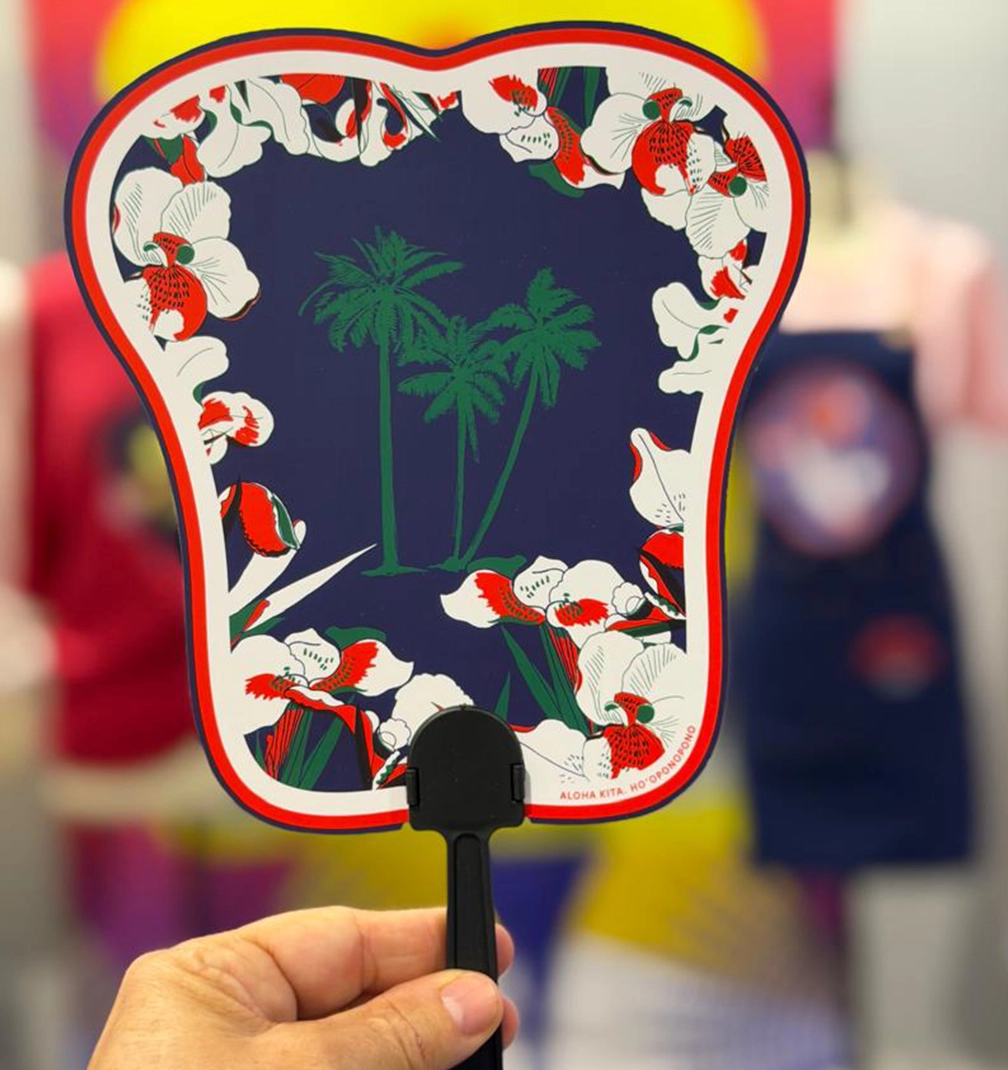
The final motif was not a flower at all, but the palm trees that framed almost every view. Their silhouettes appeared repeatedly in my sketchbooks, often without me even realising it. Palm trees have long symbolised abundance, hospitality, freedom, and tropical life. More than anything, they became the backdrop against which all the other botanical stories unfolded.

What fascinated me was not the flowers themselves, but their journeys. Some travelled from Africa. Some came from the Americas. Some have been part of Penang’s landscape for centuries. Together, they tell a story about migration, adaptation, and survival.

The drawings you see in Aloha by Nala began as sketches made during those two days on Penang Hill in February 2025. Over the following eighteen months, they slowly evolved into prints. Every flower, leaf, branch, wave, and palm frond was drawn by hand.

What I thought would be a short escape from work became a collection. More importantly, it reminded me that sometimes the best ideas are not found in trend reports or on Pinterest. Sometimes they are growing quietly beside a walking path, waiting for someone to stop, pay attention, and draw them.

The skirt that thinks it is a painting.
My love affair with Aloha shirts

My love affair with Aloha shirts

5 min read

My love affair with Aloha shirts

Long before Aloha became a story at Nala, I was collecting Hawaiian shirts.

LISETTE

SHARE

Anyone who has travelled with me knows I can never resist a vintage store, especially in Japan. For years, I’ve hunted down Hawaiian shirts in Tokyo, Kyoto, and Osaka, filling shelves with treasures in rayon, silk, and cotton. Some are vintage originals, others are newer finds, but every single one made its way home with me for a reason.

My absolute favourite brand has always been Sun Surf.

I bought my first Sun Surf shirt many years ago in Tokyo and have been collecting them ever since. The brand has become legendary among aloha shirt enthusiasts for recreating some of the most beautiful Hawaiian shirts from the 1930s, 40s, and 50s. The level of craftsmanship and attention to detail is extraordinary. The Japanese have a way of taking something already beautiful and treating it with an almost obsessive level of care and respect.

What I love most, though, is the feeling.

The skirt that thinks it is a painting.

There is something about a great Hawaiian shirt that instantly puts you in a good mood. The colours, the oversized flowers, the tropical landscapes, the boats, the birds, the complete freedom of the prints. They don’t whisper. They sing.

Although originally designed for men, I’ve always loved them on women. Pair one with a full 1950s skirt and suddenly it feels elegant. Wear it oversized with trousers and it feels effortless. Mix it with another pattern and somehow it still works.

I’ve always had a soft spot for the optimism of the 1950s, and Hawaiian shirts capture that spirit beautifully. They remind me that fashion doesn’t always have to be serious. Sometimes it can simply be colourful, playful, and full of life.

In many ways, Aloha started there.

To me, wearing a great Hawaiian shirt feels a little like walking around inside a painting.

Sometimes fashion should simply make us happy. And few things do that better than a great aloha shirt.

The skirt that thinks it is a painting.
Aloha, from Penang to Singapore

Aloha, from Penang to Singapore

5 min read

Aloha, from penang to Singapore

Aloha is our very first Hawaiian-inspired story, born from a love of islands, optimism, tropical flowers,
and the simple beauty of life by the sea.

LISETTE

SHARE

While inspired by Hawaii, it was brought to life much closer to home, in Penang, an island that reminds me every day that we have our own version of aloha right here in Southeast Asia.

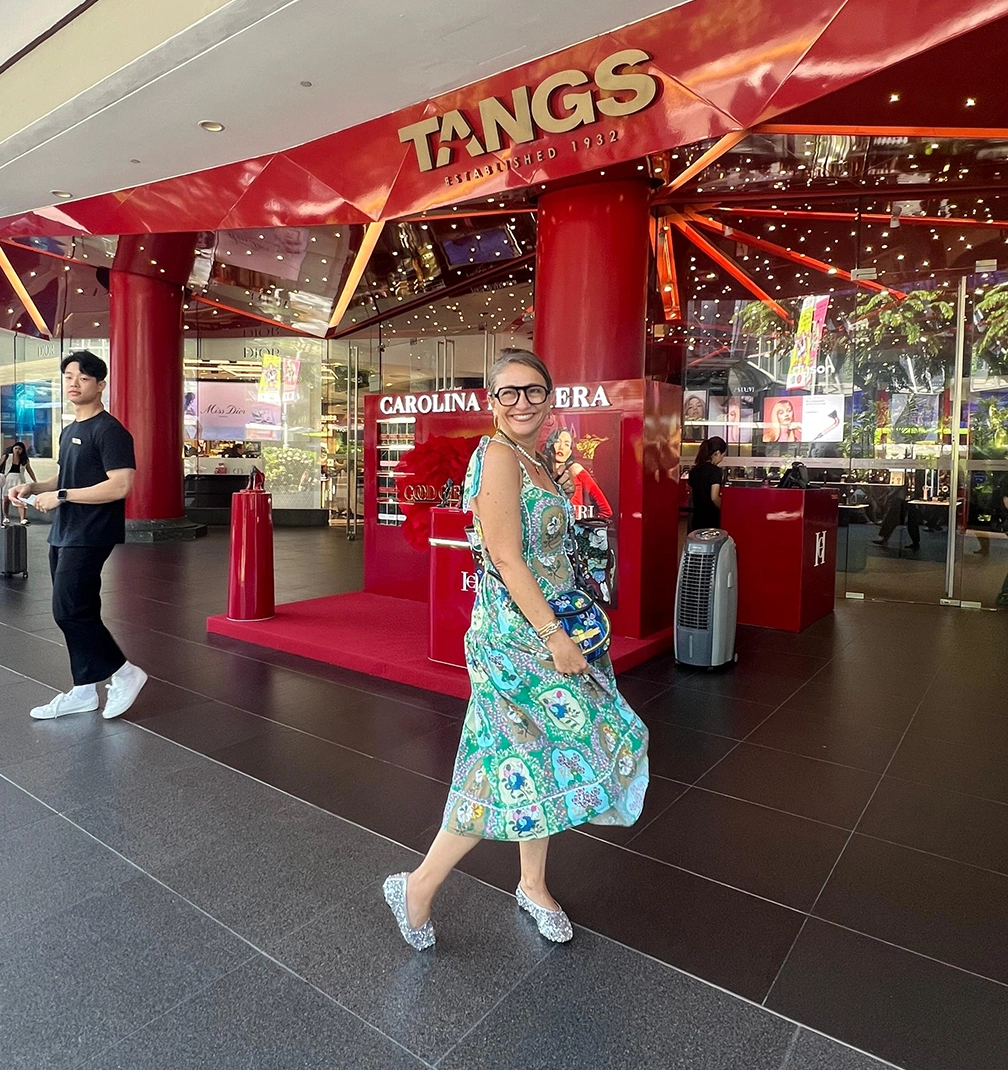
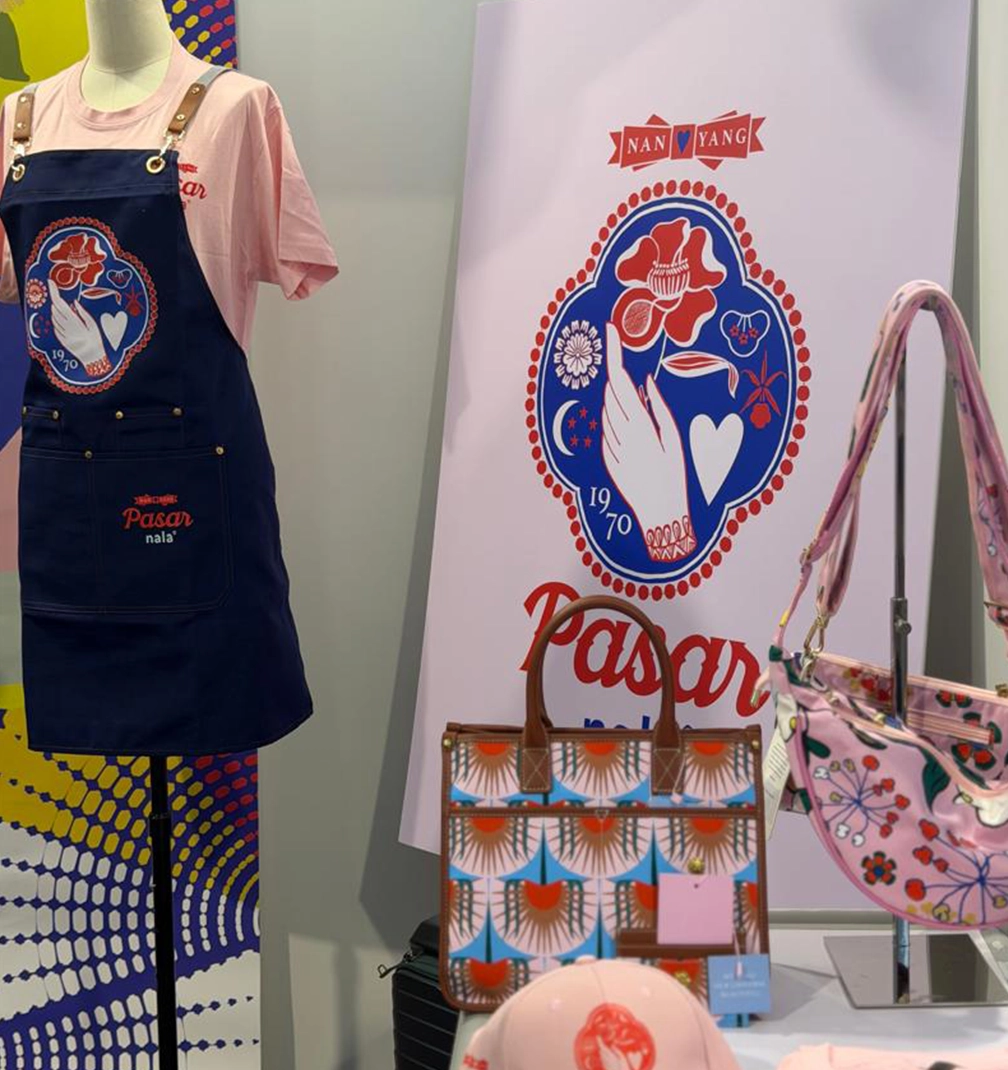
This Saturday, we are excited to launch the very first Aloha mini drop, available exclusively at Nala Great World, Singapore.

The skirt that thinks it is a painting.

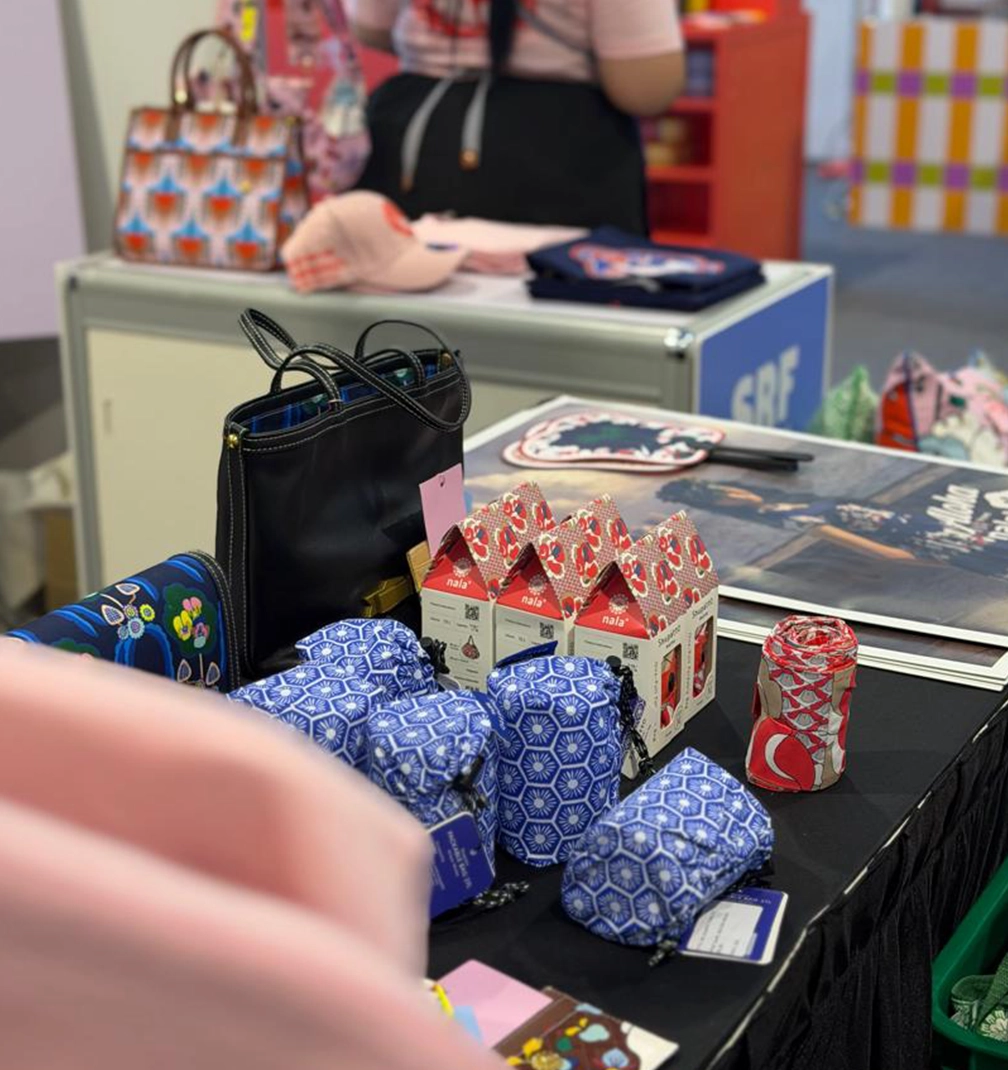
This first release offers a glimpse into the world of Aloha, featuring beautiful Indian cottons, tropical prints, and, for the first time in Nala’s history, a complete black outfit. After countless requests from our customers, we finally said yes, and the result is elegant, effortless, and surprisingly timeless.

Alongside the prints are a selection of beautiful solids designed to mix, match, and travel effortlessly through everyday life.

I am incredibly proud of this story. It’s full of sunshine. For now small first drop before the rest of Aloha arrives.

We hope you’ll love it as much as we do.

Available from Saturday onwards, exclusively at Nala Great World, Singapore.

Aloha by Nala

The skirt that thinks it is a painting.
Bad Photographs, Amazing Dinner

Bad Photographs, Amazing Dinner

5 min read

Bad Photographs, Amazing Dinner

Some restaurants are so good that they completely ruin your intentions.

LISETTE

SHARE

I had every plan of taking beautiful photographs at MADRE in Amsterdam for this newsletter, but somewhere between the table side guacamole and the artichoke tacos, I simply forgot. The food demanded my full attention. Spending the evening there with my daughter made it even more special.

Tucked away in Amsterdam’s Jordaan district, MADRE is a modern Mexican restaurant with one small detail: everything is 100% plant based. They don’t make a big fuss about it. There are no lectures, no compromises and certainly no feeling that you’re missing out. The restaurant simply serves beautiful food that happens to be vegan.

The skirt that thinks it is a painting.

Dinner was one surprise after another. Fresh guacamole prepared for us at the table. Fried cauliflower with an unexpected white chocolate sauce that somehow worked perfectly. Artichoke tacos packed with flavour. And then came the 3D printed vegan “pork” tacos, a dish that sounds completely impossible until you taste it and realise that the future of food might actually be delicious.

What impressed me most wasn’t the technology or the fact that everything was vegan. It was the confidence. MADRE doesn’t try to imitate anything. It simply creates exciting, colourful food that makes you forget you’re eating plant based.

Over dinner, my daughter and I kept wondering whether a restaurant like this could work in Malaysia. I’m not entirely convinced the market is ready, but I would love to be proven wrong. A place where beautiful interiors, inventive food and good conversation come together without taking themselves too seriously. It feels very much like my dream restaurant.

I left with a camera roll full of terrible photographs, a very happy stomach and a lovely evening with my daughter. Come to think of it, that’s probably the best review a restaurant could hope for.

The skirt that thinks it is a painting.