
SUBSCRIBE

LOGIN

SHOP NOW

NALA HAPPY TIMES

DESIGN

CULTURE

TASTE

TRAVEL

FOOD

THURSDAY SHOWS

UNAGI CLUB

NALA'S SHOP

DESIGN

CULTURE

TASTE

TRAVEL

FOOD

THURSDAY SHOWS

UNAGI CLUB

ARCHIVES

CONTRIBUTORS

DISCOVER

Nala's Instagram

Nala's Facebook

Nala's LinkedIn

Lisetts's LinkedIn

Nala's Tiktok

Nala's Youtube

OUR BRAND

About us

Nala's locations

FAQs

Customer service

Careers

Manifesto

HIGHLIGHT

Latest issue on 7 Sept 2025. Update every Saturday.

Thursday Show
Print Isn’t Dead. It Just Got More Beautiful.

Print Isn’t Dead. It Just Got More Beautiful.

5 min read

Print Isn’t Dead. It Just Got More Beautiful.

A love letter to friendship, photography and the printed page.

LISETTE

SHARE

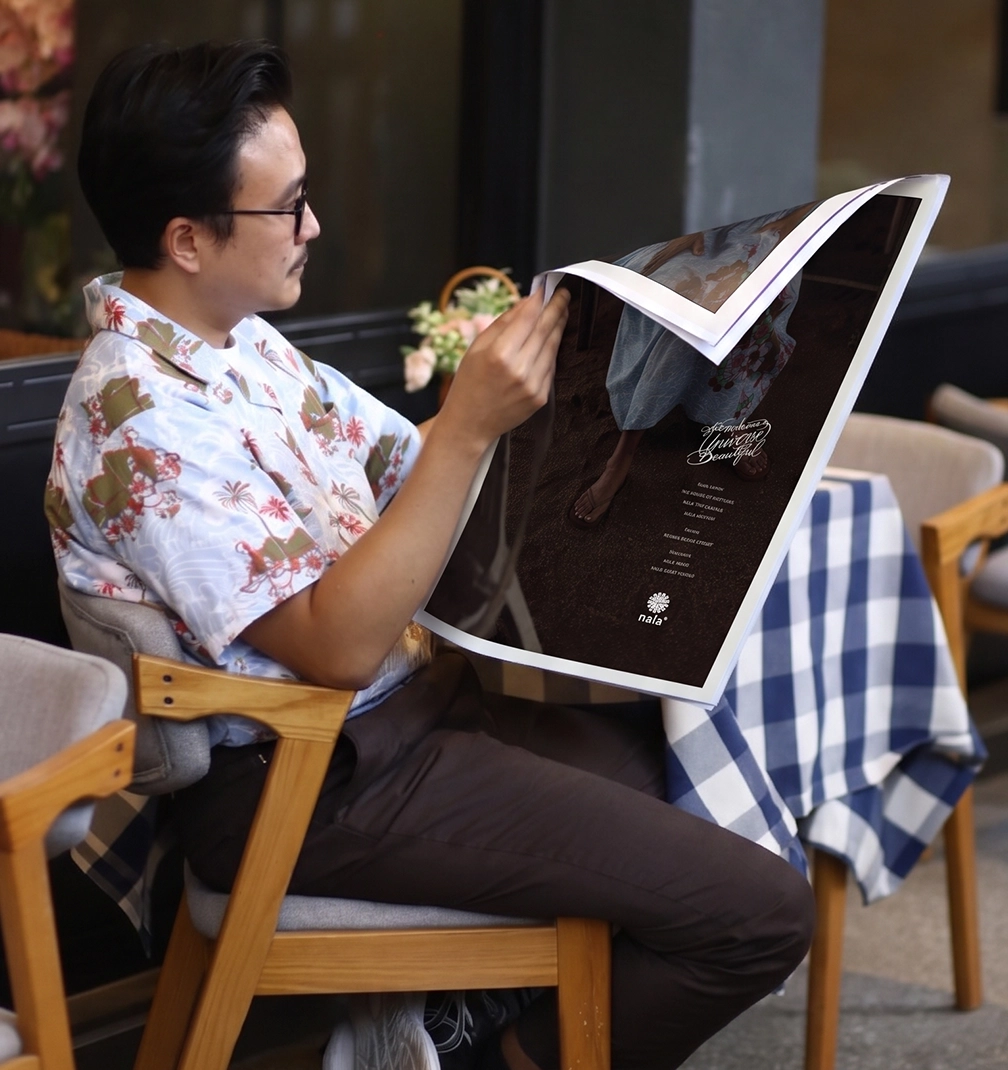
There is something incredibly satisfying about holding a beautifully printed publication in your hands. In a world where almost everything lives on a screen, paper somehow slows us down. It invites us to sit with a cup of coffee, turn the pages at our own pace and discover the details that are so often lost with a quick swipe. Perhaps that’s because I come from the world of print. Before Nala, I spent eight wonderful years in advertising, when layouts were still pinned to walls, ideas were sketched on paper and beautifully printed work was something to celebrate. I suppose I’ve never quite let go of that love.

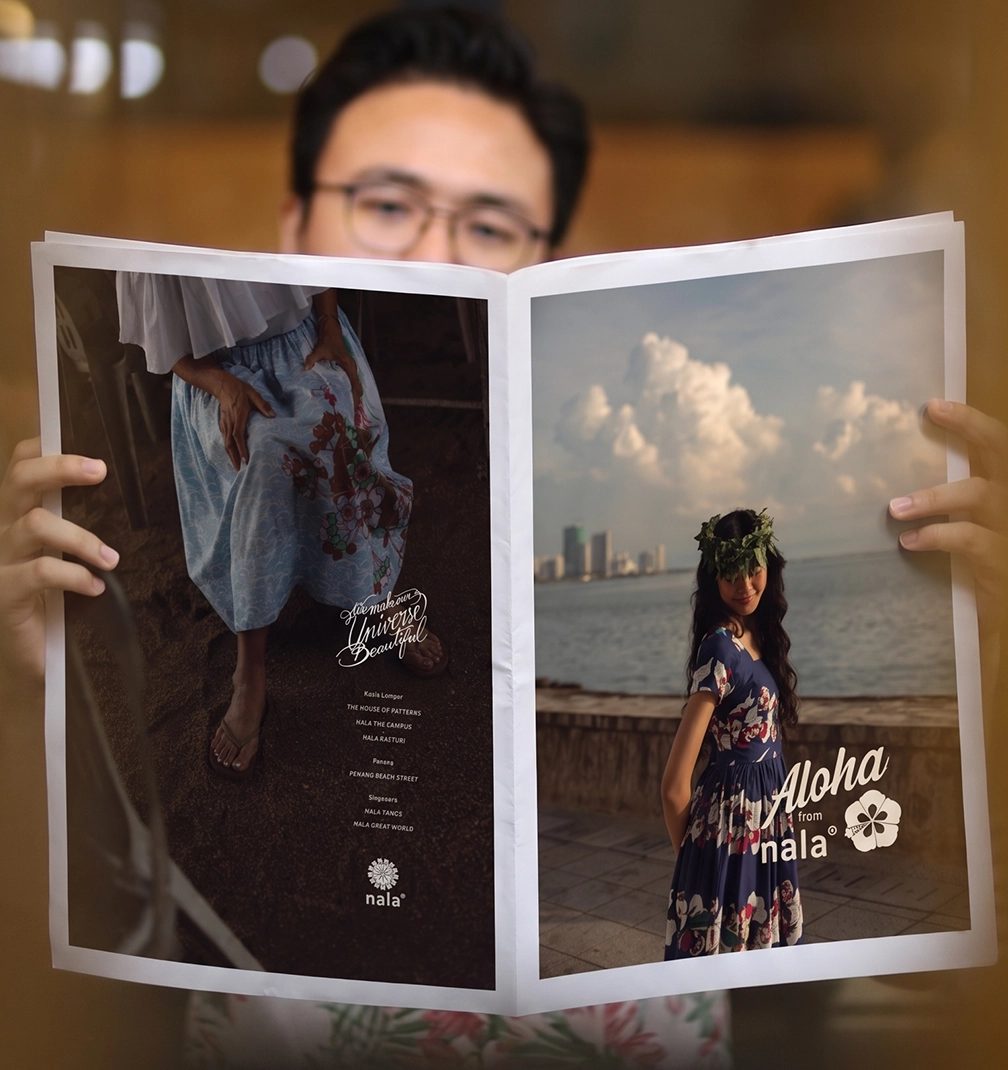
That is exactly why we created our very first Nala newspaper.

More than a lookbook, it is a coffee table publication that celebrates the stories behind the collection, the photography and the craftsmanship that goes into every piece. It is also the result of a friendship that began more than thirty years ago.

Fred Van Hoof and I first met at VVL/BBDO in Brussels, the very first advertising agency I joined after graduating from the Royal Academy of Fine Arts in Antwerp. Fred was the art director, his wife, Virginie, was the copywriter, and together they formed one of the most inspiring creative teams I have ever had the privilege of working with. Those were the Mad Men days. Long lunches over good wine, late nights, unforgettable parties and, above all, a relentless passion for great ideas and beautiful work. I spent eight wonderful years in advertising in Belgium, and the friendships I made at VVL/BBDO remain some of my closest friends to this day. They have truly stood the test of time.

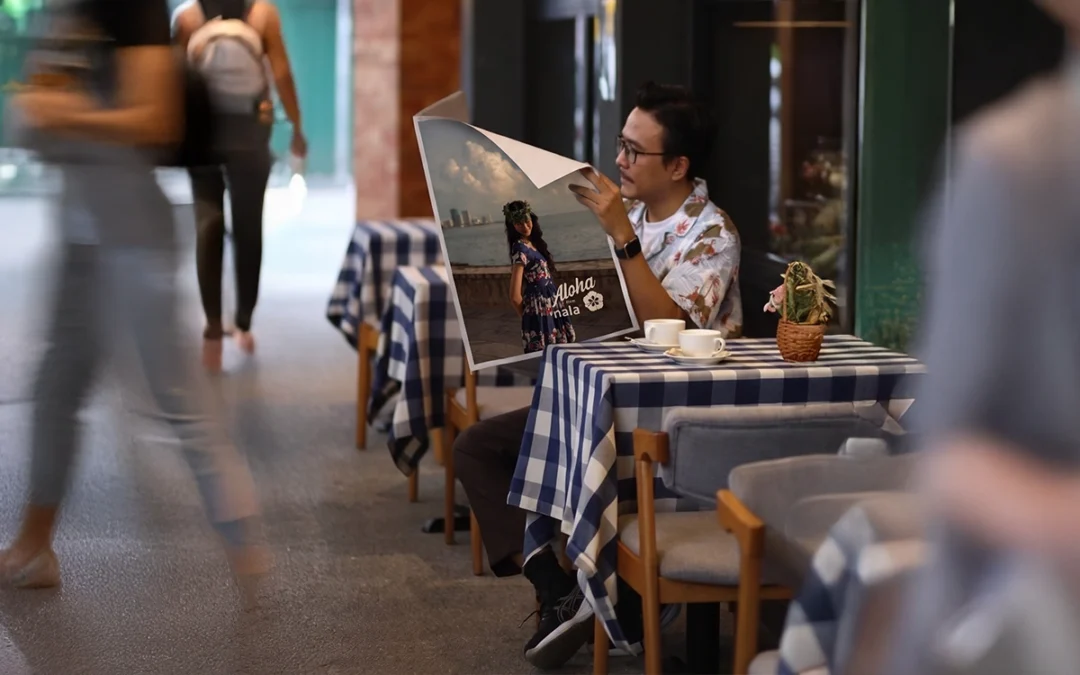
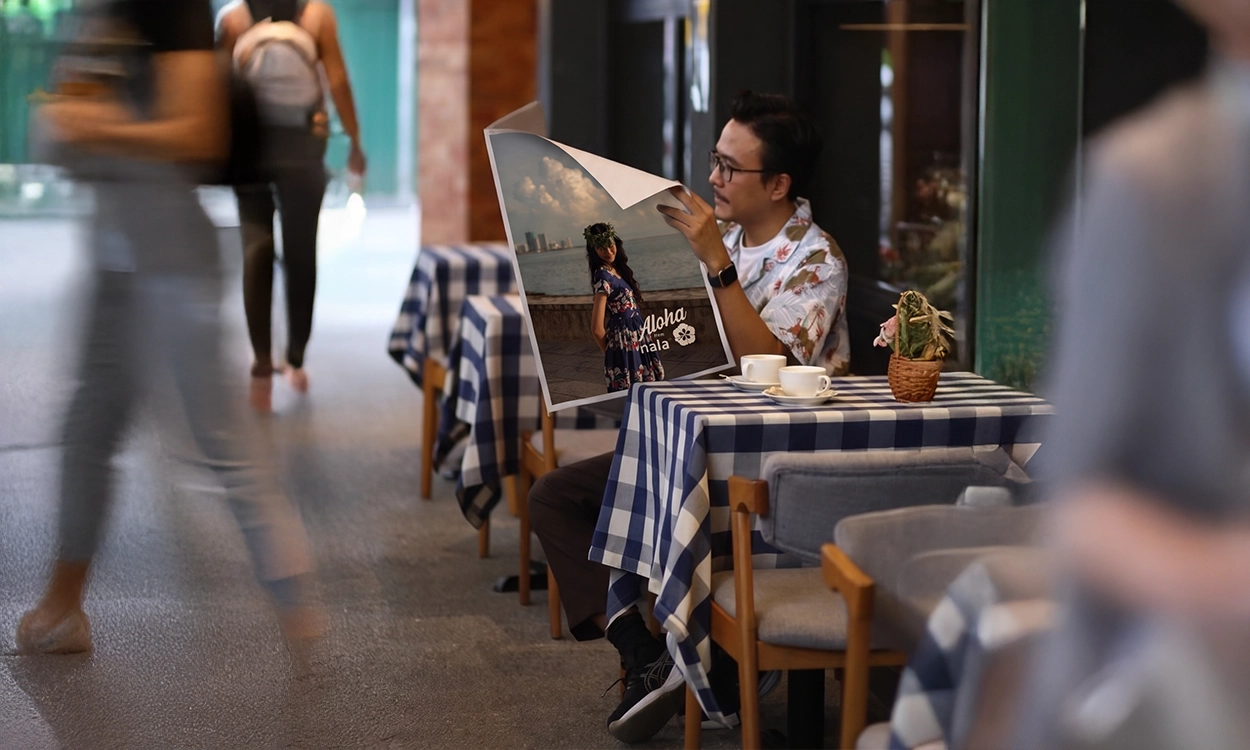
Many of you will recognise Fred’s name from our recent Aloha Malaysia campaign, where he photographed the collection. What you may not know is that he is also an exceptional designer, and this newspaper is entirely his creation. Together, we wanted to produce something that deserved to be kept rather than thrown away. Something you could leave on your coffee table, pick up months from now and enjoy all over again.

The skirt that thinks it is a painting.

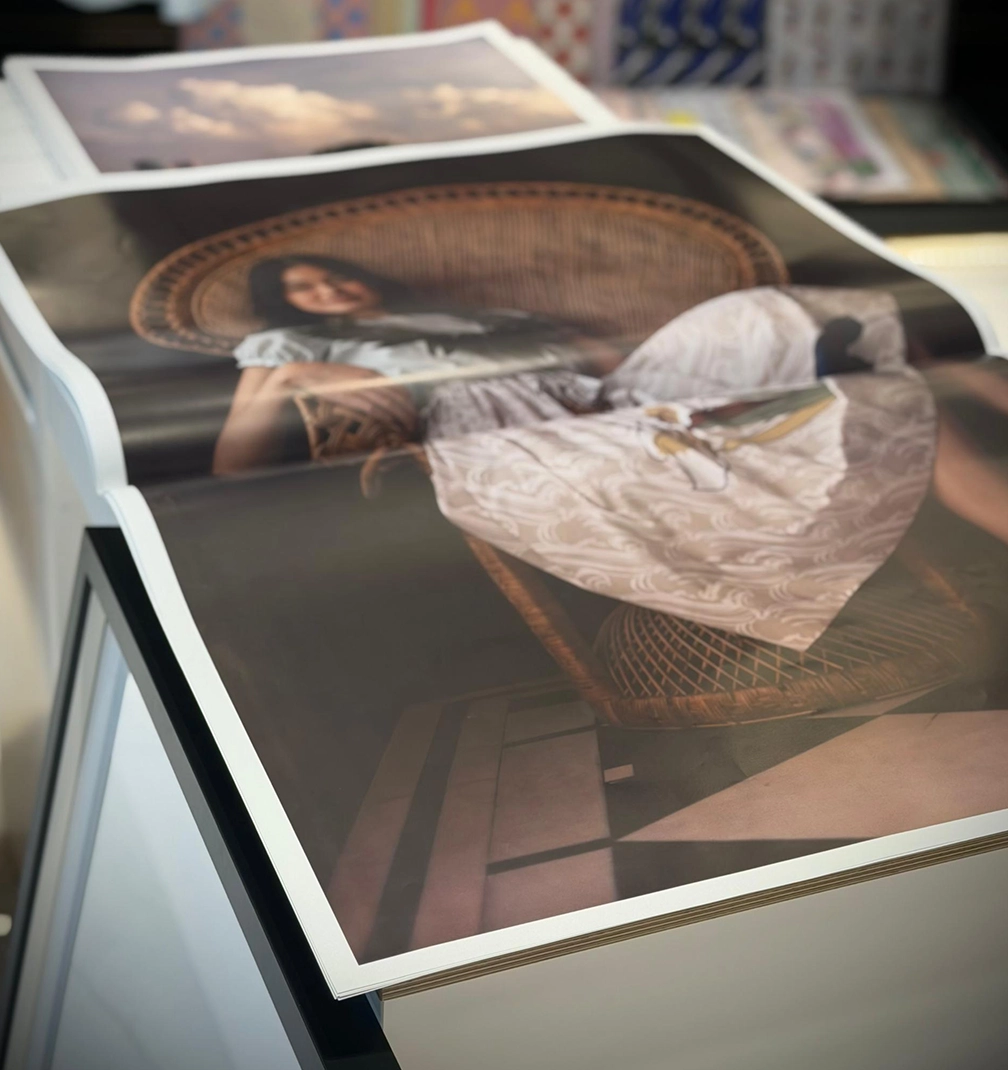
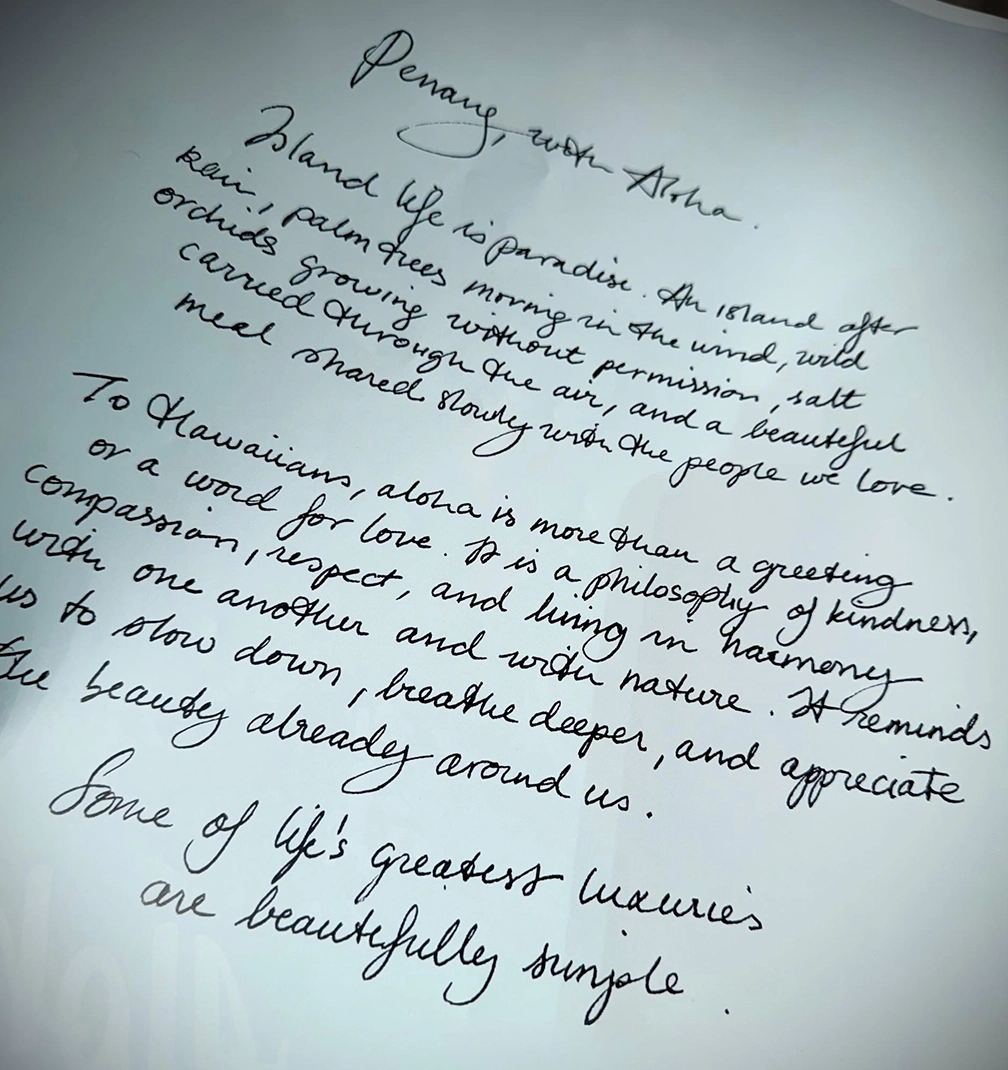
The newspaper was photographed in beautiful Penang, with many of the images captured at the iconic Eastern & Oriental Hotel. A heartfelt thank you to my dear friend Alison, the hotel’s General Manager, and her wonderful team for opening their doors to us. The elegance, history and timeless charm of the hotel became the perfect backdrop for the collection. Looking back, everything simply fell into place. Wonderful people, beautiful locations, lifelong friendships and a collection we are incredibly proud of. Sometimes creative projects have a way of coming together that feels almost effortless, and this was one of those rare occasions.

Printing the newspaper was no easy task. The photography is rich, atmospheric and full of subtle detail, making it surprisingly difficult to reproduce faithfully on paper. After countless adjustments, we finally achieved the result we had hoped for, and I honestly couldn’t be happier with how it turned out.

This is only Part One. When the second collection drops later this year, it will be accompanied by a second newspaper, completing the story.

With any purchase, you’ll receive a complimentary copy while stocks last. Whether you love photography, design or simply beautiful printed objects, I hope you’ll take one home, put the kettle on, make yourself a cup of coffee and enjoy it the old fashioned way. Sometimes the most beautiful stories are the ones you can actually hold in your hands.

The skirt that thinks it is a painting.
Things Worth Finding

Things Worth Finding

5 min read

Things Worth Finding

Just when I thought Instagram had finally decided I needed another motivational quote, another productivity hack, and another five-step guide to becoming a better human being, it surprised me.

LISETTE

SHARE

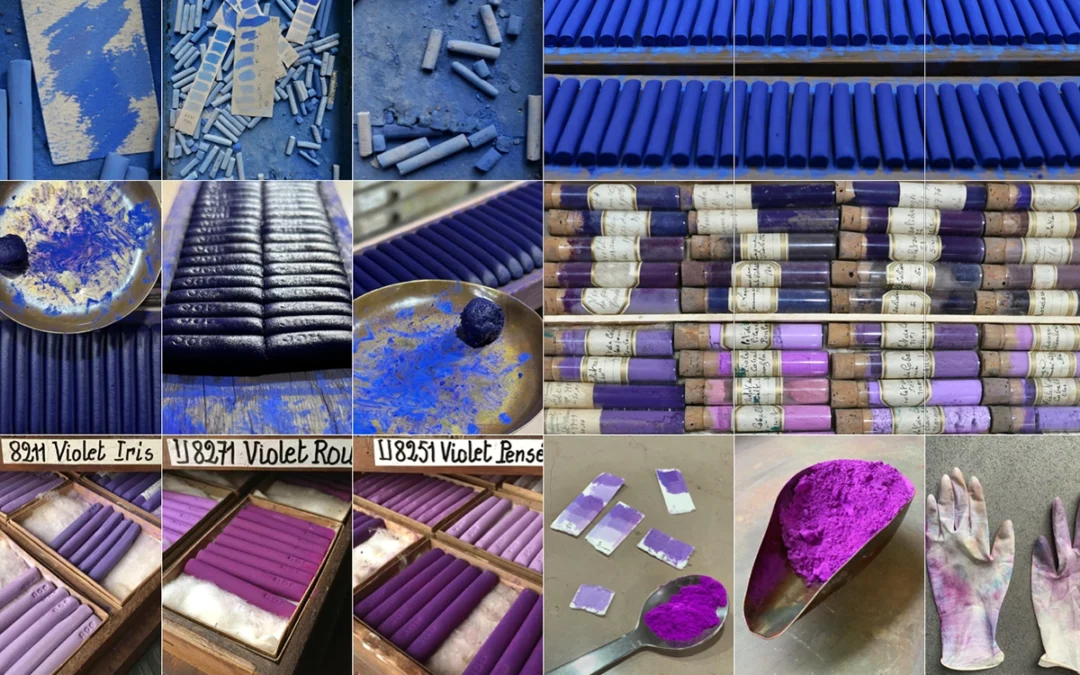
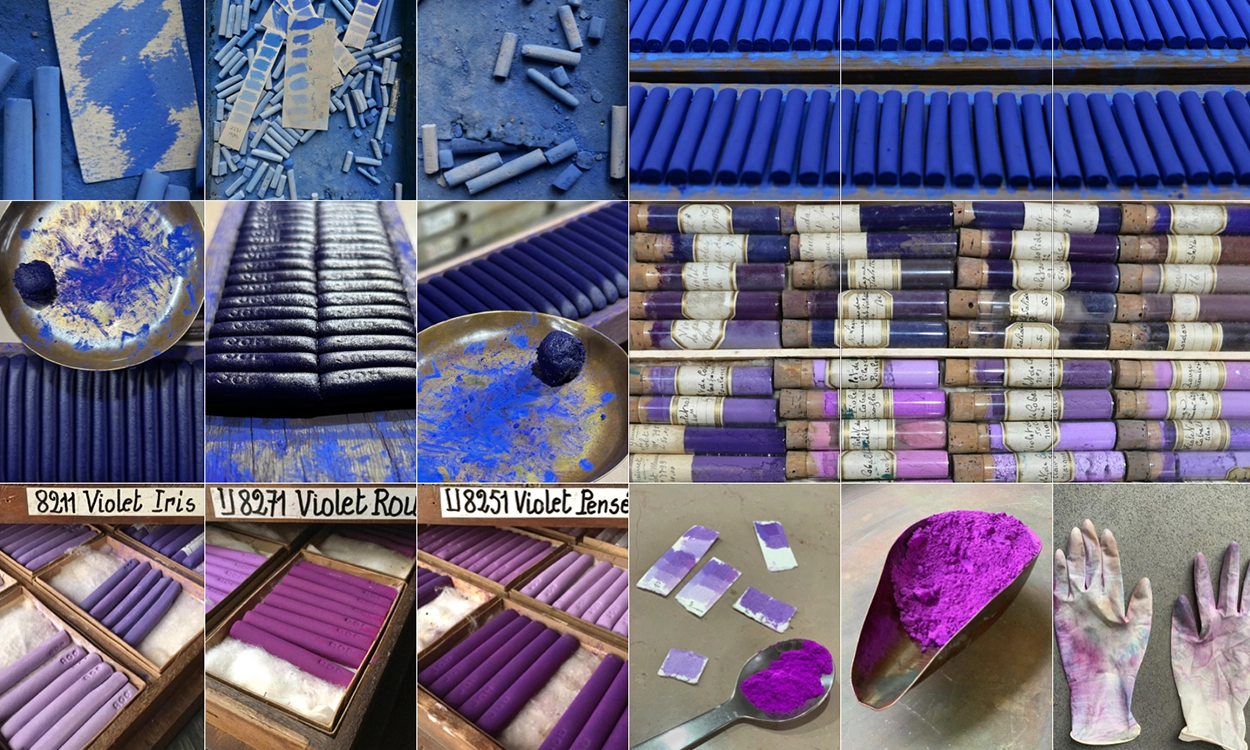
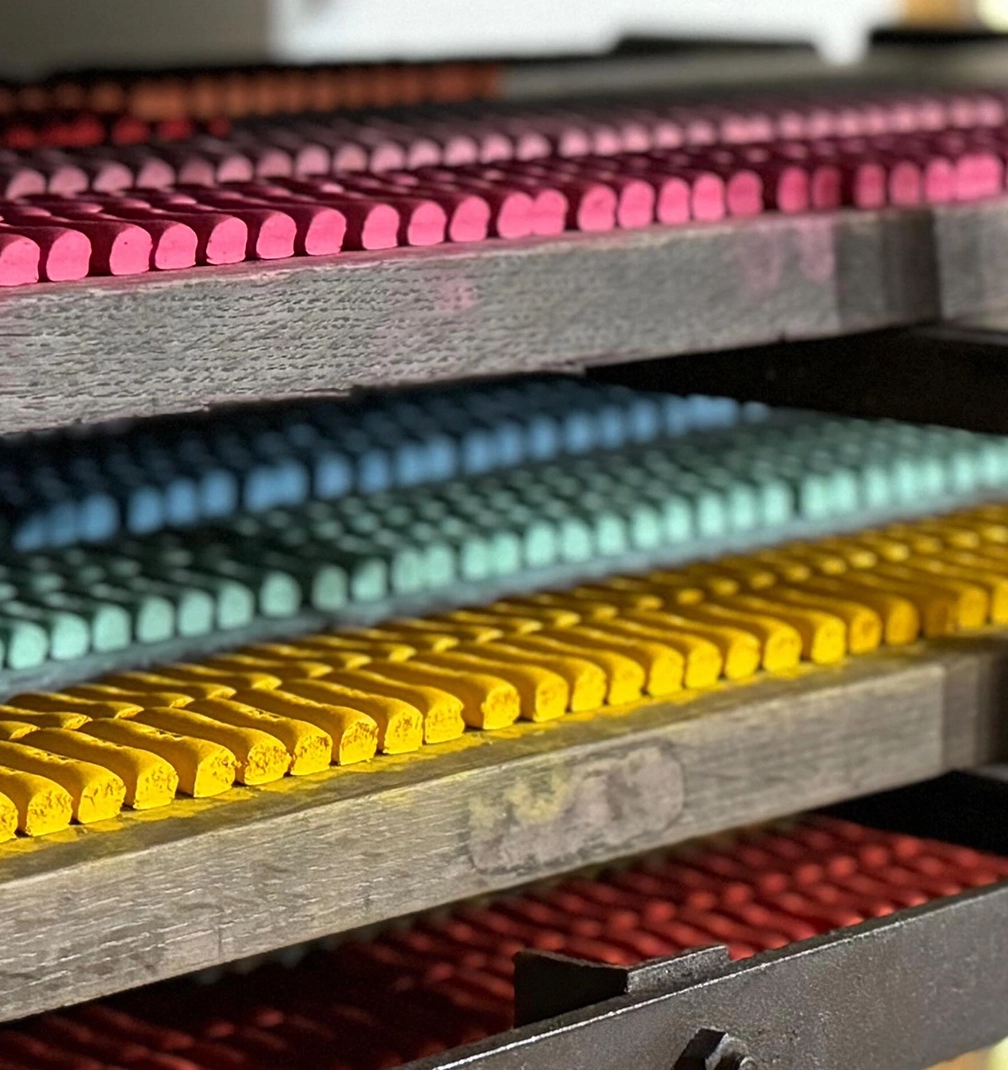
A tiny post about handmade pastels.

Finally… something worth stopping for.

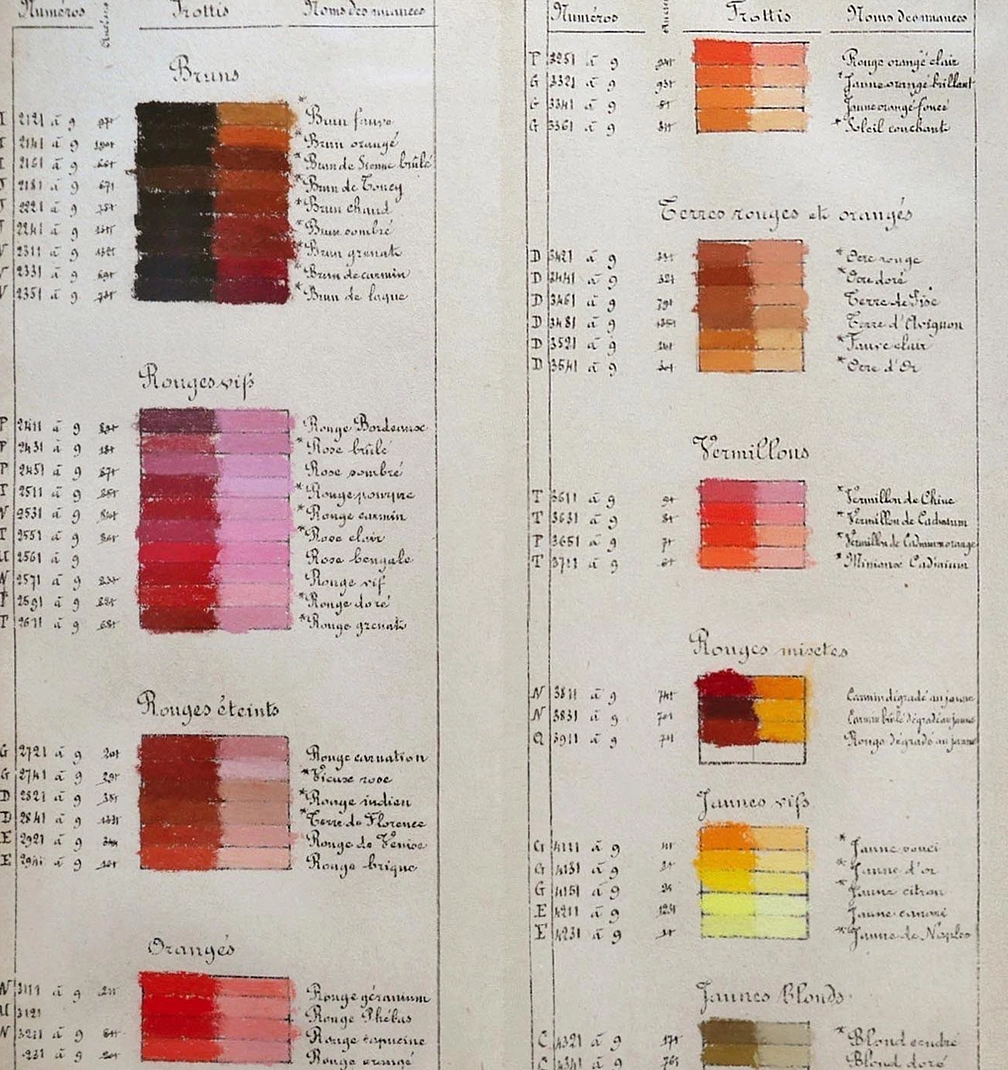
That single post led me to Still Got It, one of the most beautifully curated Instagram accounts I’ve come across in a long time. It’s a celebration of craftsmanship, heritage, forgotten workshops and the people who continue making extraordinary things by hand. The kind of places you would never find unless someone lovingly pointed you in their direction.

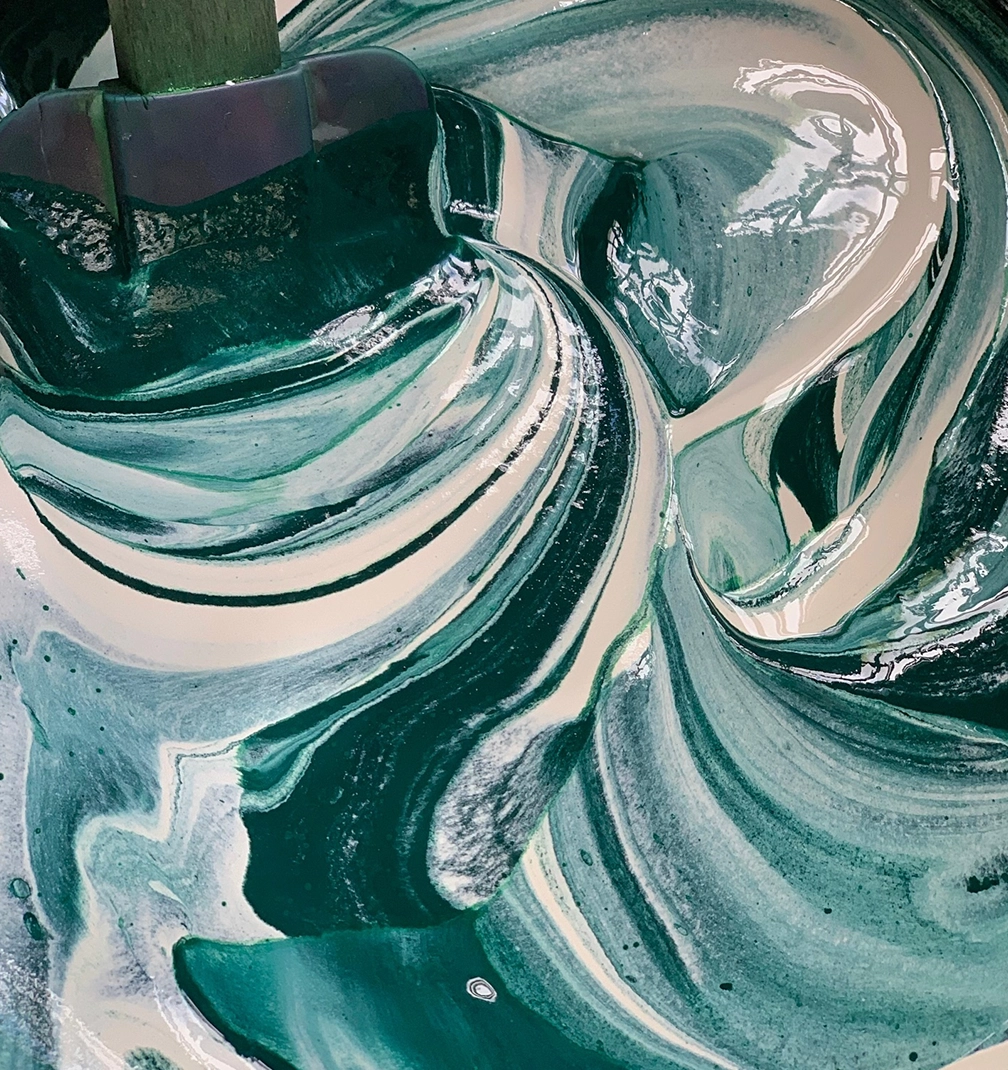
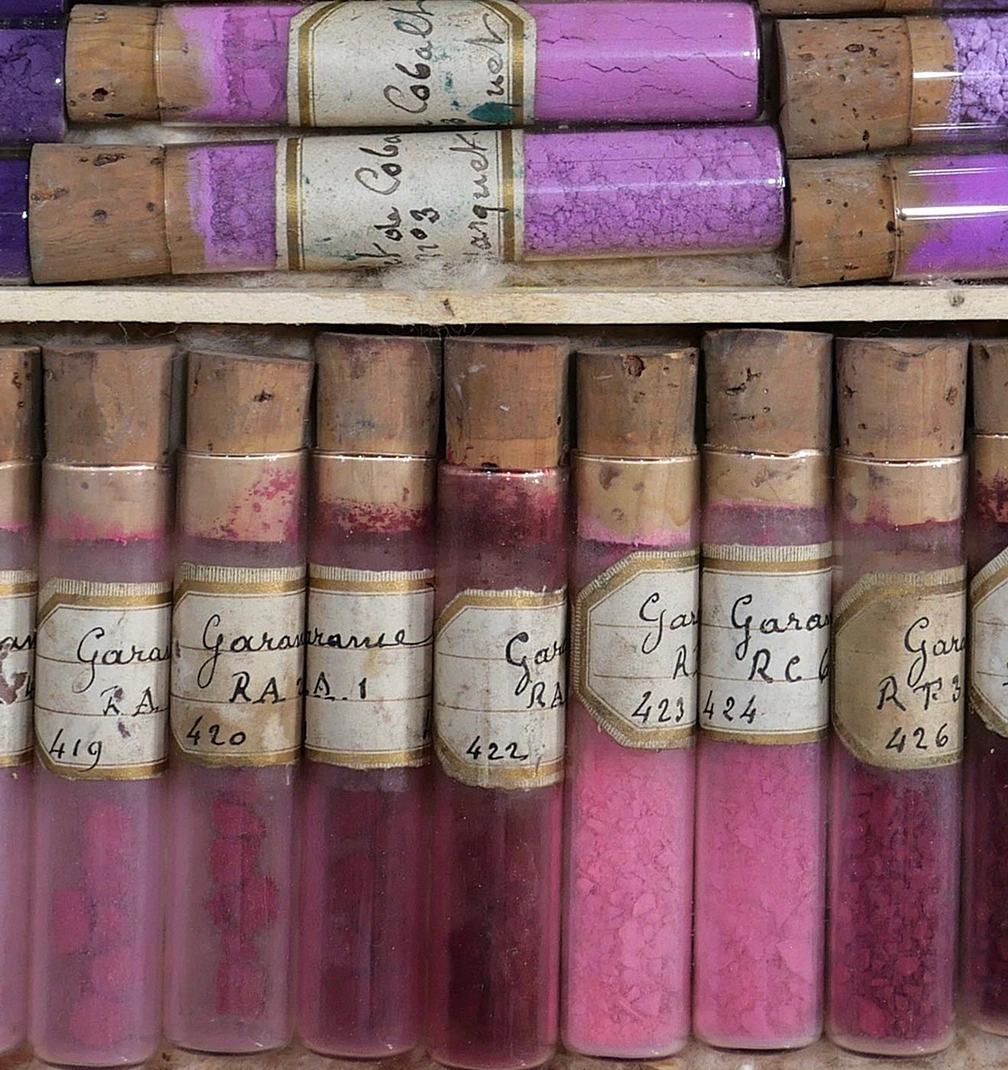
One of their posts introduced me to La Maison du Pastel in Paris, the world’s oldest pastel maker, where every pastel stick is still made by hand using centuries-old techniques. As someone who grew up drawing with pastels, I was completely captivated.

There’s something magical about working with pastels. Unlike paint or pencils, the colour sits on the surface like pure pigment, soft and velvety. You work on specially textured paper so the powder has something to cling to, and the colours blend almost effortlessly with your fingers. It’s a medium that has enchanted artists for centuries. Edgar Degas famously used pastels for many of his ballerinas, creating works that still seem to glow today.

The skirt that thinks it is a painting.

Somewhere in my house is a beautiful wooden box of pastels that belonged to my grandfather. I haven’t seen it in years, but discovering La Maison du Pastel made me want to find it again and start drawing. Isn’t it funny how inspiration works? Sometimes all it takes is one unexpected image to reconnect you with a part of yourself you’d almost forgotten.

The next time I’m in Paris, La Maison du Pastel will be one of my very first stops.

So thank you, Still Got It, for reminding me that social media can still introduce us to remarkable people, remarkable places and remarkable craftsmanship. Every now and then, hidden amongst all the noise, you stumble across something so beautiful that it makes every swipe worthwhile.

The skirt that thinks it is a painting.
Manifesting Nala × Royal Delft

Manifesting Nala × Royal Delft

5 min read

Manifesting Nala × Royal Delft

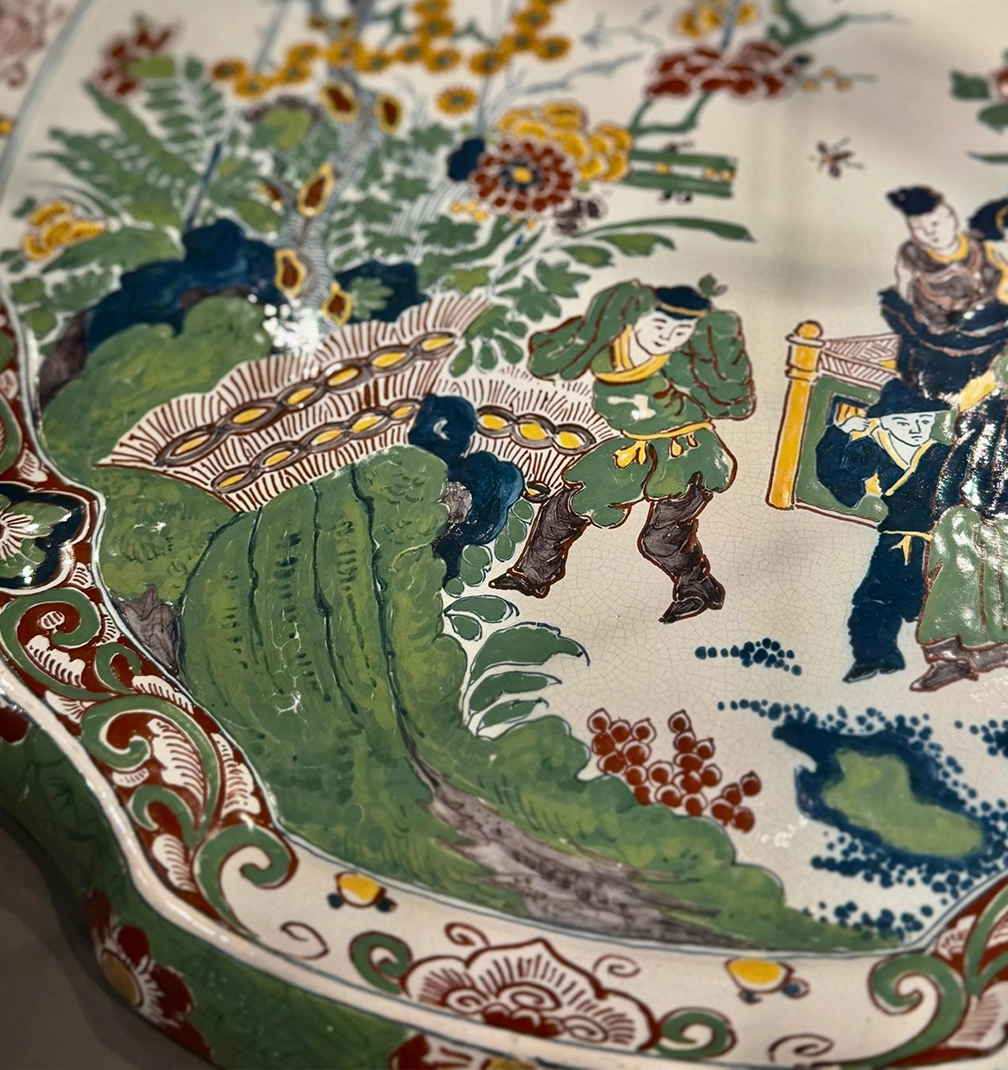
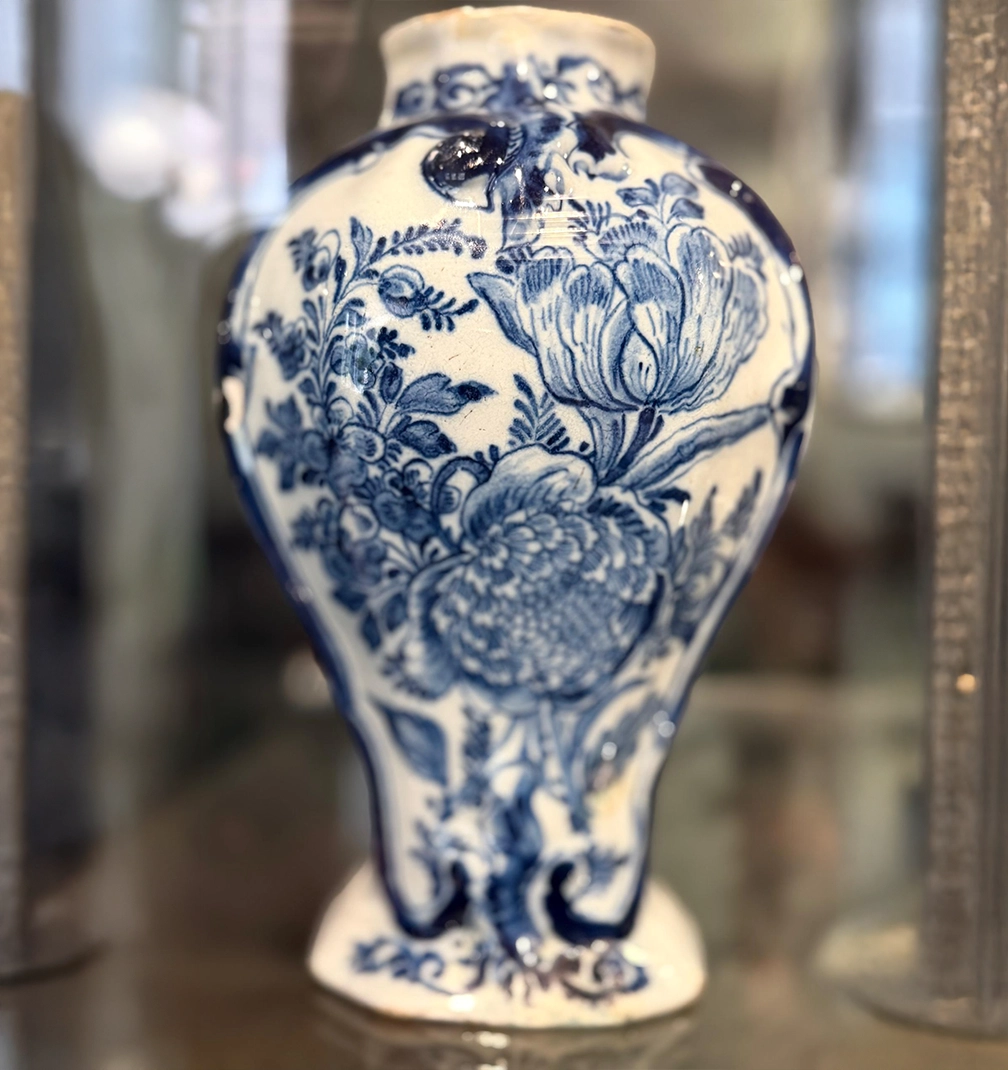
If you’ve followed Nala for a while, you’ll know I have a lifelong fascination with Delft Blue. So while I was in the Netherlands, I made a pilgrimage to Delft to visit Royal Delft, also known as De Porceleyne Fles,
the last remaining Delftware factory from the 17th century.

LISETTE

SHARE

I expected to fall in love with the ceramics. I didn’t expect to fall in love with the story.

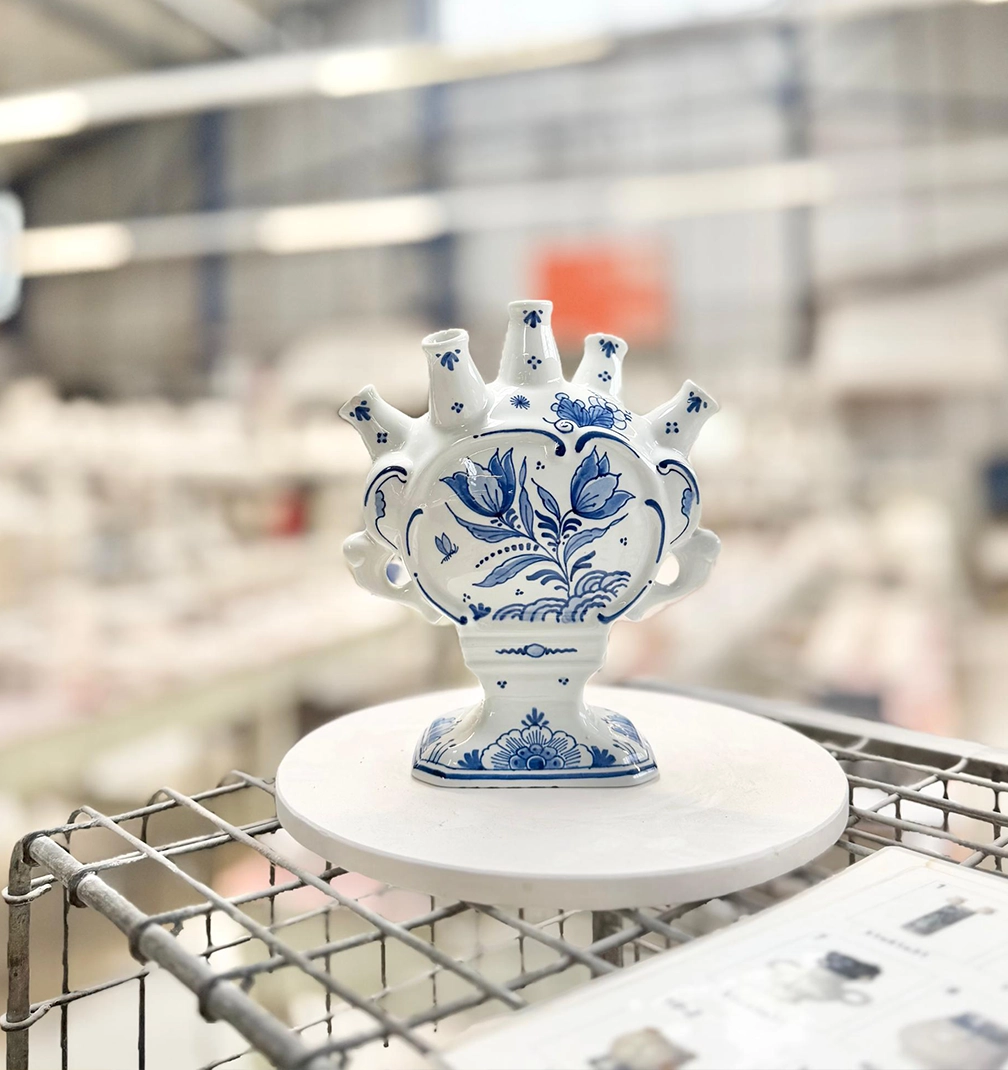
It all began in the early 1600s, when the Dutch captured Portuguese ships carrying an extraordinary cargo of Chinese porcelain. Europe had never seen anything quite like it. The delicate blue and white pieces became wildly sought after, but nobody knew how to make them. So Dutch craftsmen did what they do best. They studied every detail, experimented endlessly with clay, glazes and pigments, and over time transformed inspiration into something entirely their own. What began with Chinese porcelain eventually became one of the Netherlands’ greatest artistic traditions: Delft Blue. 

The factory itself has an equally inspiring story. It survived difficult years thanks to Geertruida Piccardt, who kept it alive. At the museum, I read about the passion of Joost Thooft, who believed so deeply in its future that he approached her because he wanted to become involved. His passion eventually led him to take over the factory and breathe new life into the brand. Rather than simply preserving history, Royal Delft continued to evolve, collaborating with artists and designers while staying true to its remarkable heritage. 

The skirt that thinks it is a painting.

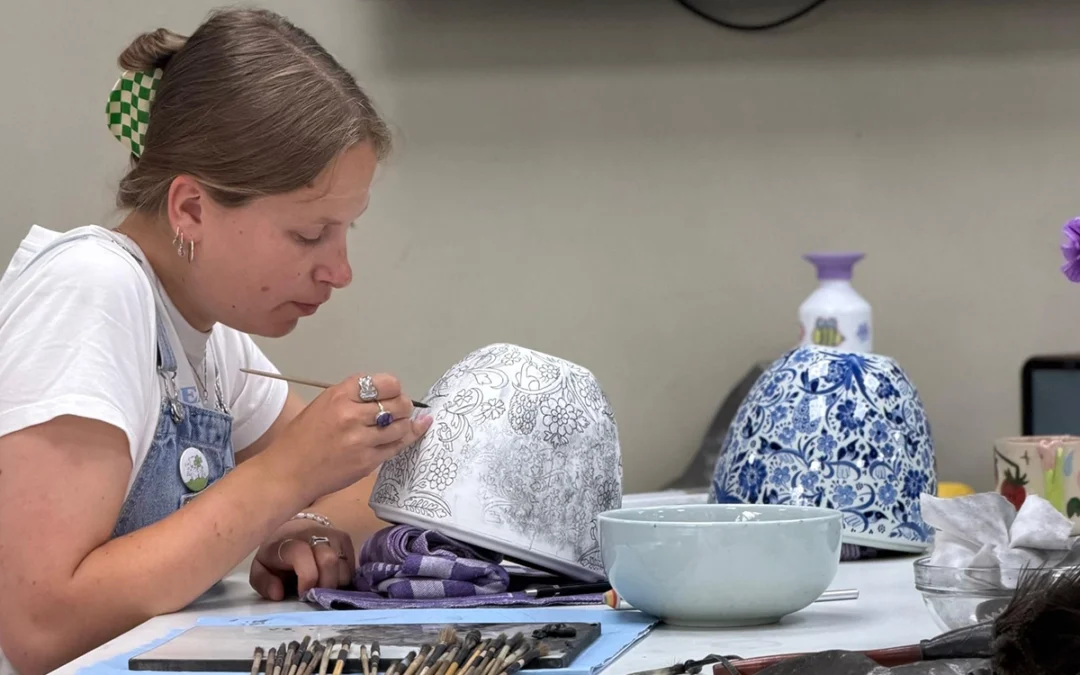
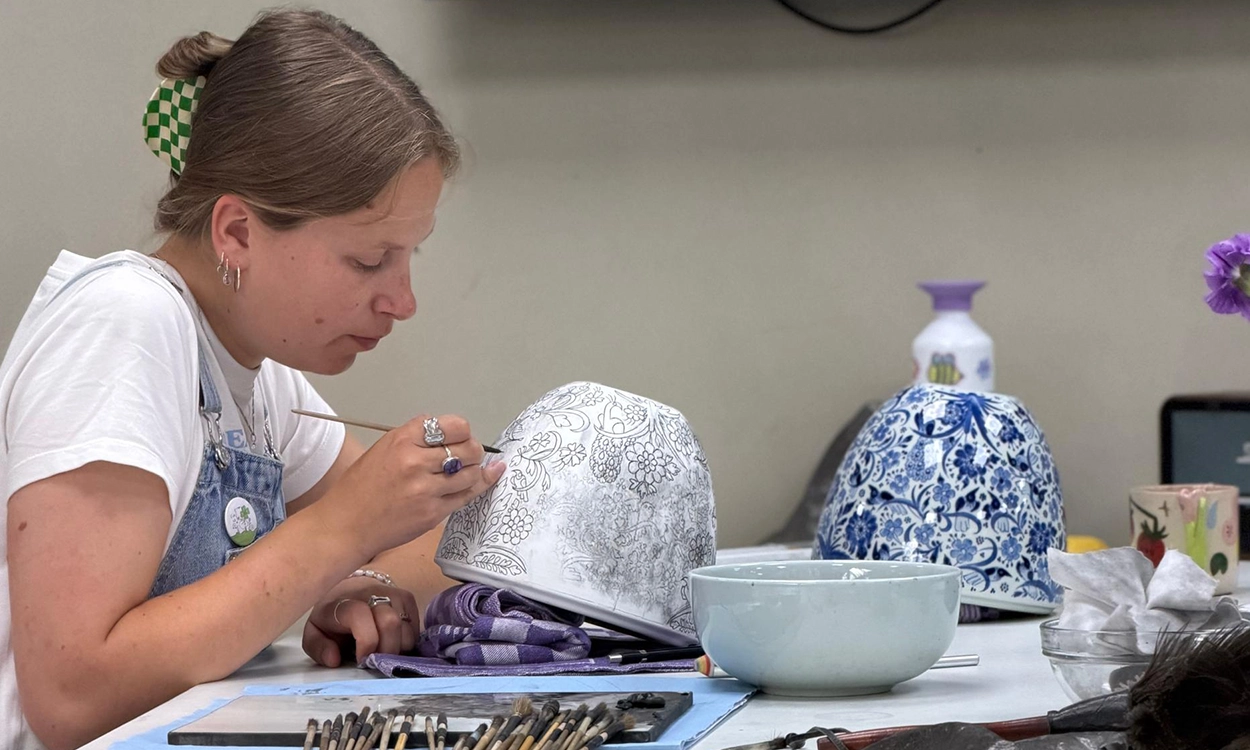
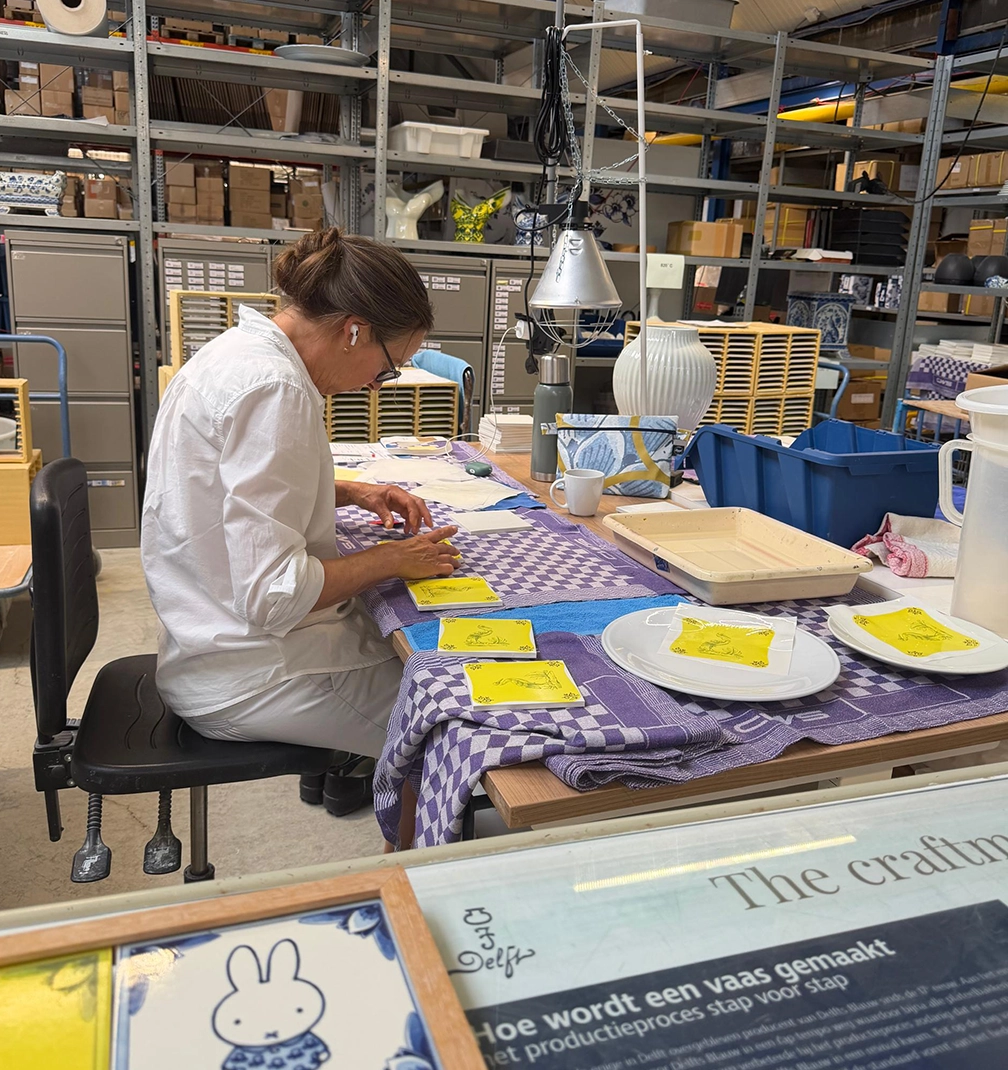
What surprised me most, however, was the factory itself. This isn’t a museum where everything sits behind glass. You can actually walk through the workshops and watch the artists painting each piece by hand. Seeing centuries old craftsmanship still practised every single day was incredibly refreshing.

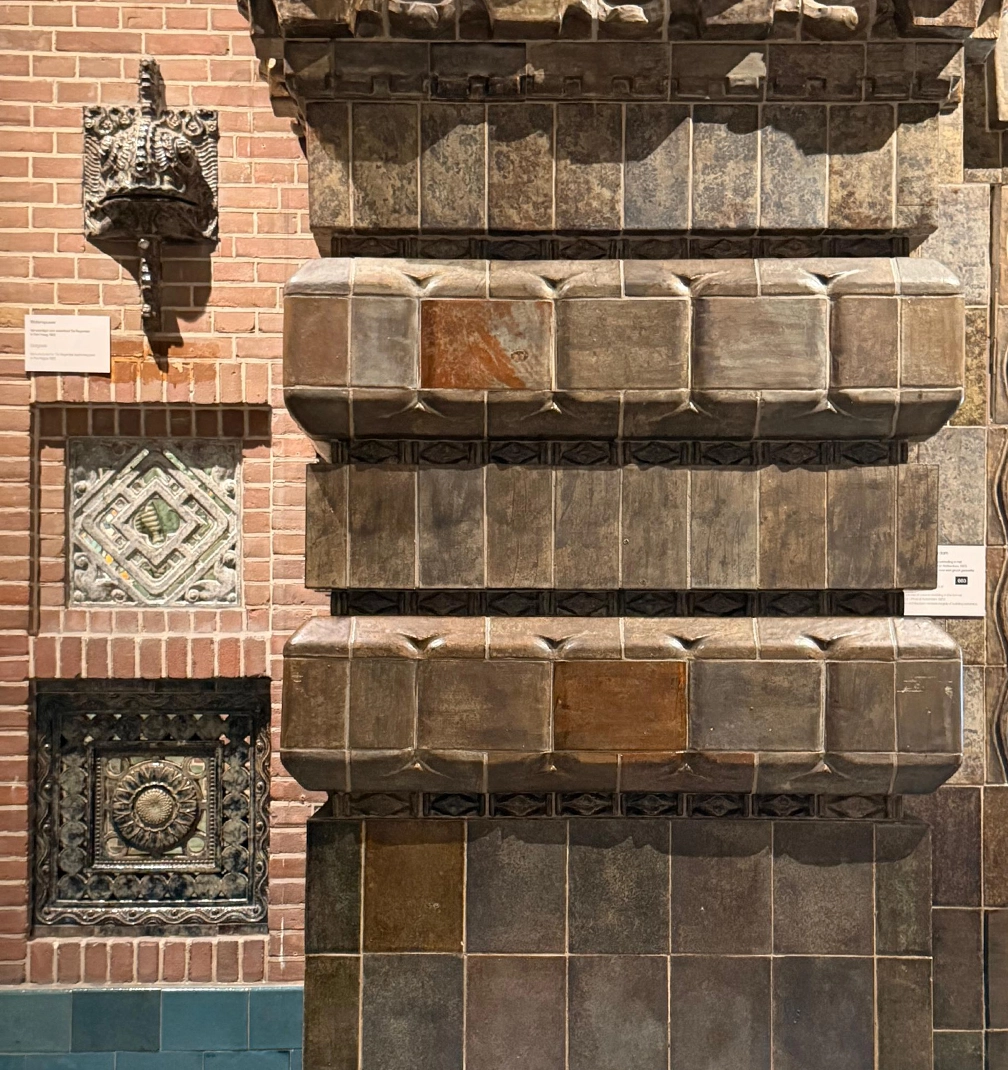
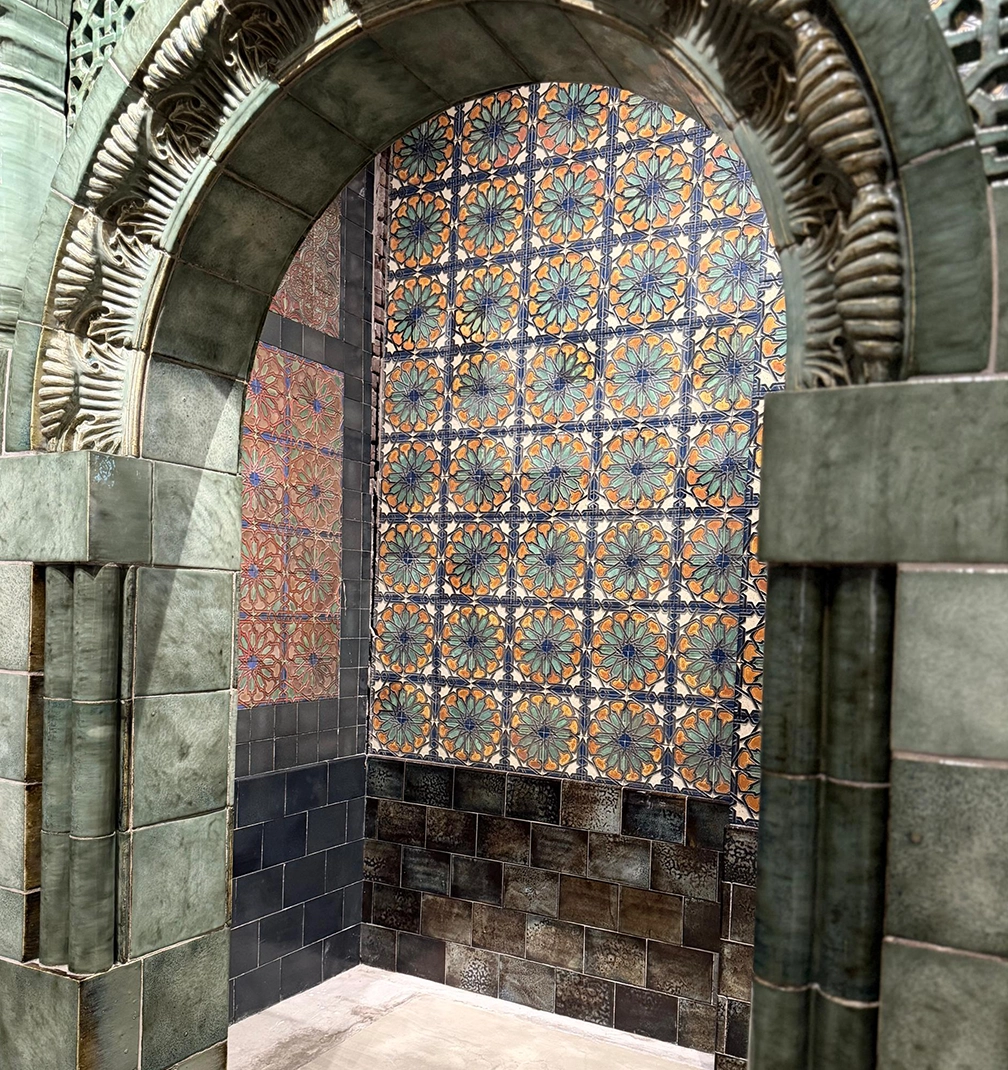
I also discovered something I never expected. Royal Delft didn’t just produce the famous blue and white plates and vases. They also created architectural tiles for churches, public buildings, floors and walls. As someone who absolutely loves the Amsterdamse School movement in architecture, which flourished roughly between 1910 and 1930, I found that fascinating. I had always associated Royal Delft with blue ceramics, but seeing their wider contribution to architecture and design made me admire the company even more. (I amsterdam)

Standing there, surrounded by centuries of artistry, I couldn’t help but imagine what might happen if Dutch craftsmanship met Malaysian storytelling.

So here’s my little message to the wonderful team at Royal Delft.

If this somehow finds its way to you, we’d be honoured to create something together.

A collection where Delft Blue meets Malaysian flora. Dutch craftsmanship meets hand drawn Malaysian patterns. Two cultures connected by heritage, artistry and a shared belief that beautiful objects should tell beautiful stories.

And if you’re ever in the Netherlands, don’t skip Delft. It’s one of the most charming towns I’ve visited. The canals are lined with water lilies, the cafés are wonderful, the streets invite you to wander, and Royal Delft is absolutely worth the trip.

Who knows? Sometimes the most meaningful collaborations begin as a dream.

The skirt that thinks it is a painting.
What Would We Do Without Museum Shops?

What Would We Do Without Museum Shops?

5 min read

What Would We Do Without Museum Shops?

I was in Antwerp visiting my sister Fleur, and naturally, we ended up in a museum bookshop.
We didn’t even visit the museum. We went straight to the shop.

LISETTE

SHARE

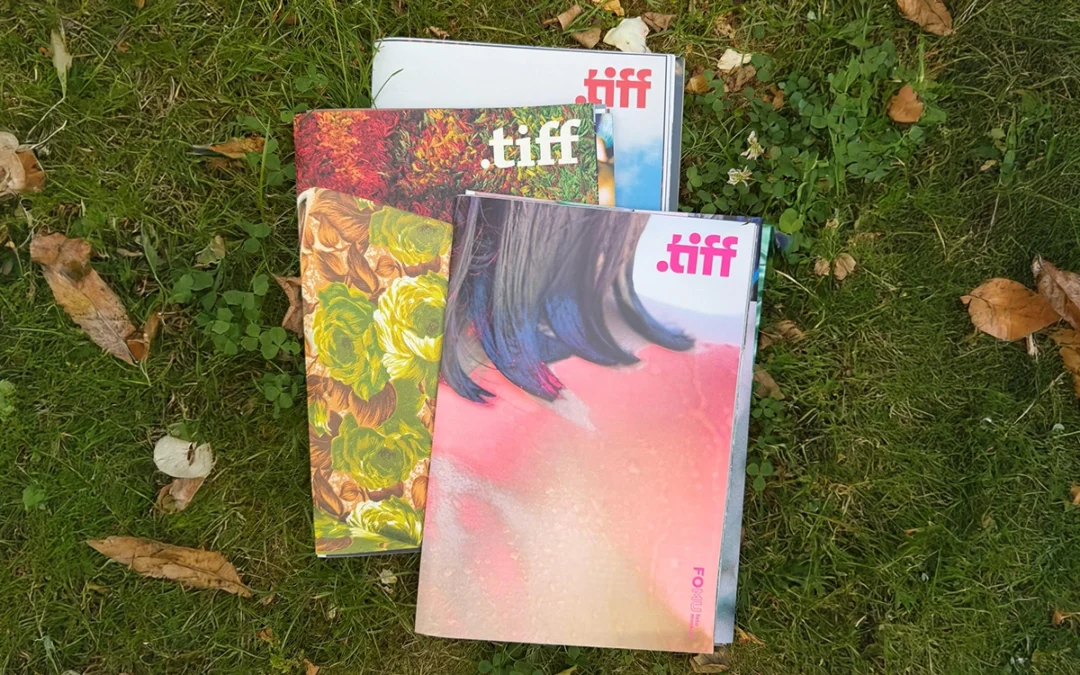
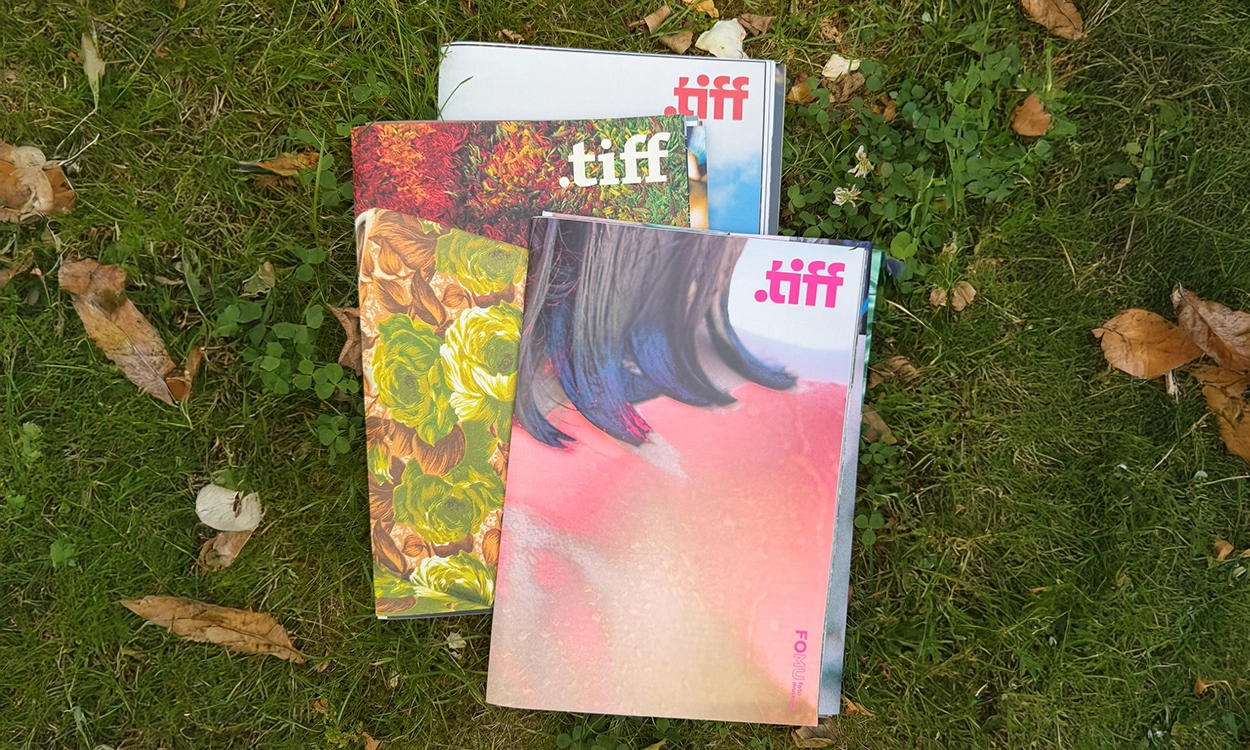
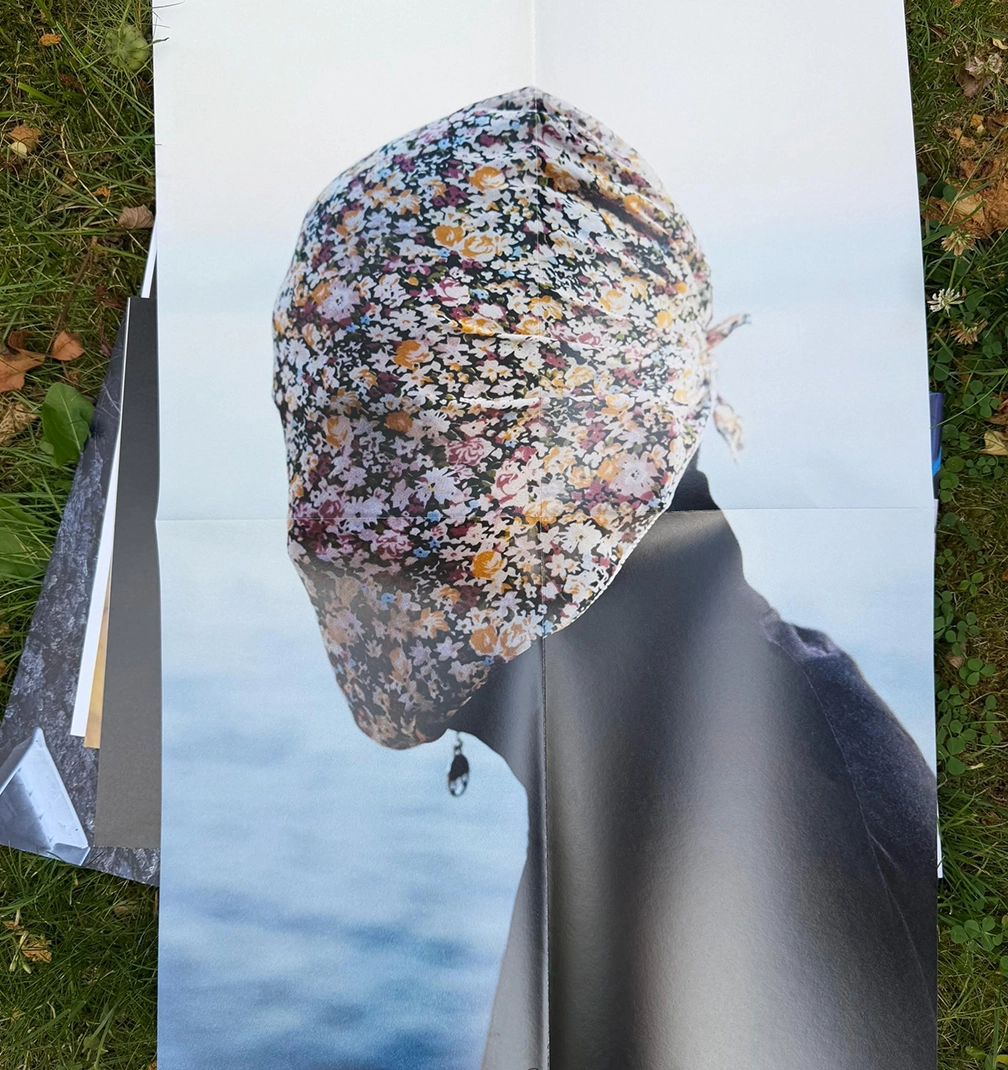
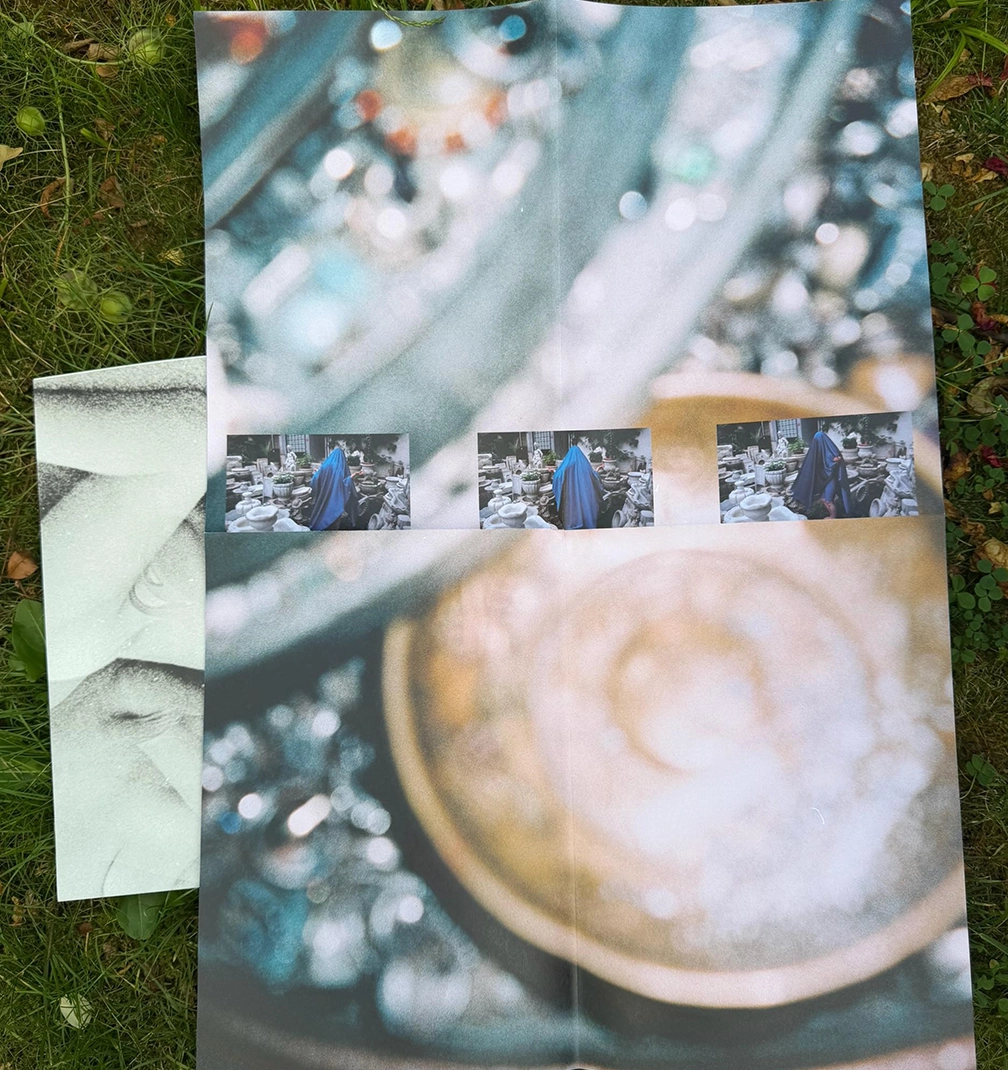
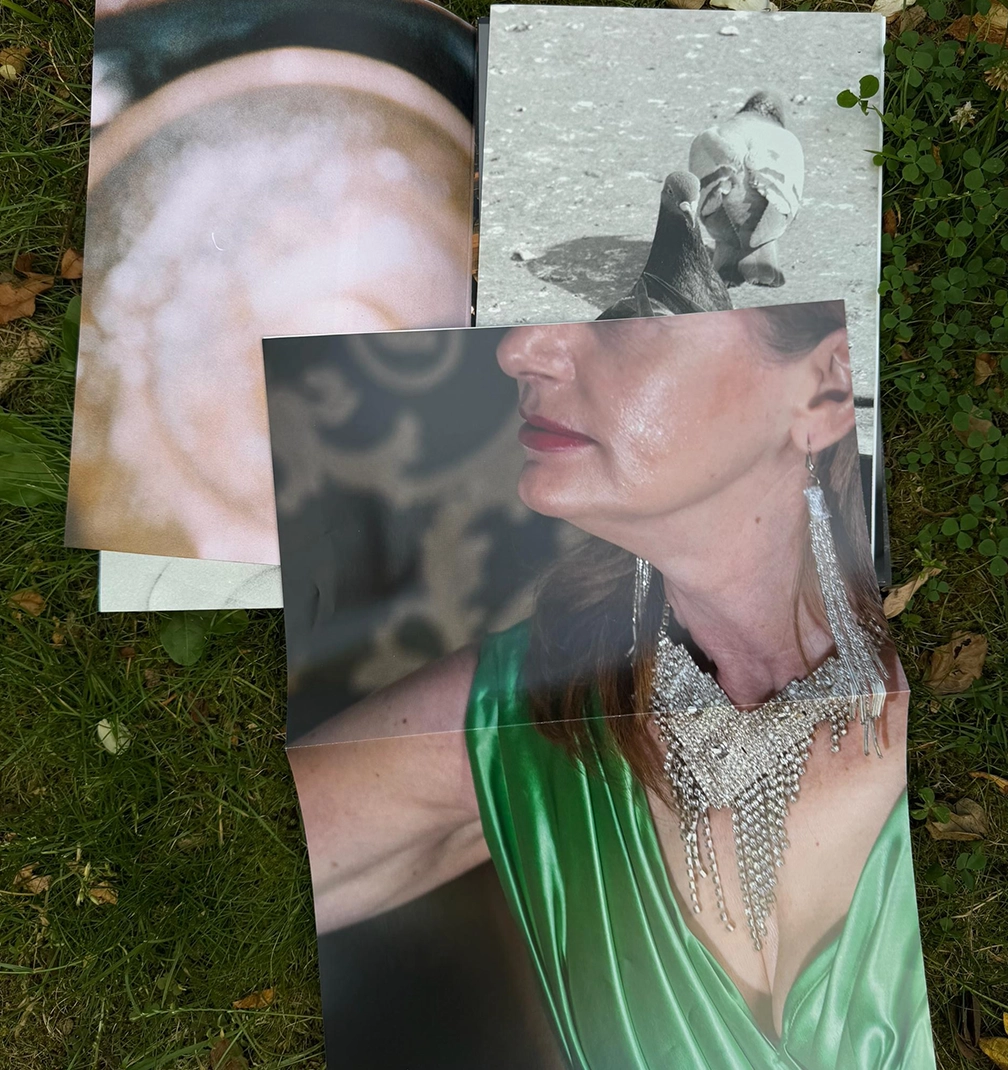
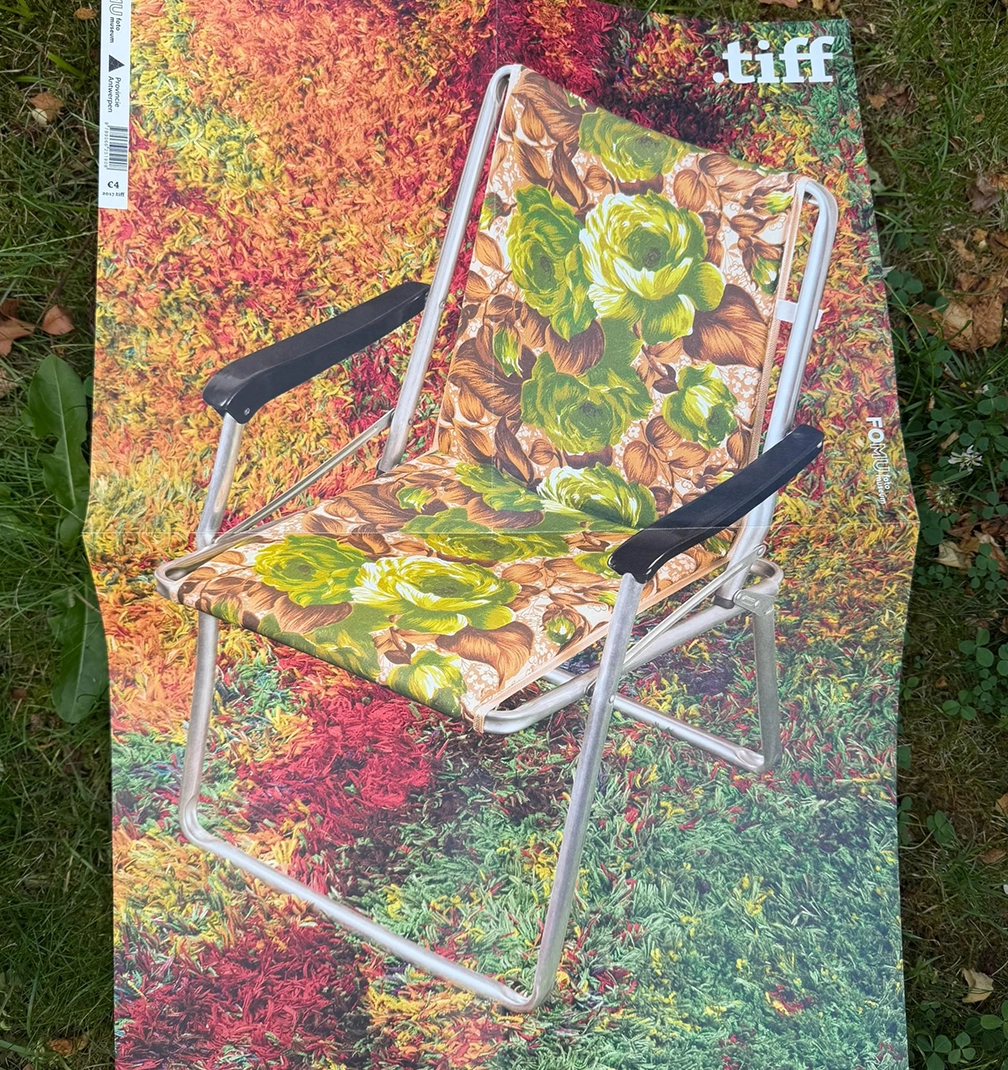
There I discovered .TIFF, a beautiful photography publication by the FOMU Photography Museum. Every year, FOMU selects ten emerging photographers living or working in Belgium and gives each of them space to present their work. Every photographer even gets their own fold out poster, making the magazine feel like a portable exhibition.

The best part? It was only €4. Looking back, I should have bought the whole stack. Instead, I behaved myself and came home with just three.

The skirt that thinks it is a painting.

As photographers, it’s so important to keep looking beyond what everyone else is doing. Books and magazines like this remind you that there are countless ways to tell a story, frame a subject, or use light. I’ll definitely be passing these around to our photographers in Kuala Lumpur. It’s a welcome change from scrolling through Instagram. I know I say that all the time, but I still believe there’s nothing quite like sitting down with a really good book.

If you ever travel, don’t skip the museum bookshop. Even if you skip the museum. That’s often where the real treasures are.

The skirt that thinks it is a painting.
My love affair with Aloha shirts

My love affair with Aloha shirts

5 min read

My love affair with Aloha shirts

Long before Aloha became a story at Nala, I was collecting Hawaiian shirts.

LISETTE

SHARE

Anyone who has travelled with me knows I can never resist a vintage store, especially in Japan. For years, I’ve hunted down Hawaiian shirts in Tokyo, Kyoto, and Osaka, filling shelves with treasures in rayon, silk, and cotton. Some are vintage originals, others are newer finds, but every single one made its way home with me for a reason.

My absolute favourite brand has always been Sun Surf.

I bought my first Sun Surf shirt many years ago in Tokyo and have been collecting them ever since. The brand has become legendary among aloha shirt enthusiasts for recreating some of the most beautiful Hawaiian shirts from the 1930s, 40s, and 50s. The level of craftsmanship and attention to detail is extraordinary. The Japanese have a way of taking something already beautiful and treating it with an almost obsessive level of care and respect.

What I love most, though, is the feeling.

The skirt that thinks it is a painting.

There is something about a great Hawaiian shirt that instantly puts you in a good mood. The colours, the oversized flowers, the tropical landscapes, the boats, the birds, the complete freedom of the prints. They don’t whisper. They sing.

Although originally designed for men, I’ve always loved them on women. Pair one with a full 1950s skirt and suddenly it feels elegant. Wear it oversized with trousers and it feels effortless. Mix it with another pattern and somehow it still works.

I’ve always had a soft spot for the optimism of the 1950s, and Hawaiian shirts capture that spirit beautifully. They remind me that fashion doesn’t always have to be serious. Sometimes it can simply be colourful, playful, and full of life.

In many ways, Aloha started there.

To me, wearing a great Hawaiian shirt feels a little like walking around inside a painting.

Sometimes fashion should simply make us happy. And few things do that better than a great aloha shirt.

The skirt that thinks it is a painting.
Guerrilla Marketing in Singapore (And Why It Works)

Guerrilla Marketing in Singapore (And Why It Works)

5 min read

Guerrilla Marketing in Singapore (And Why It Works)

Singapore isn’t exactly famous for breaking the rules. Which is precisely why we decided to do it.

LISETTE

SHARE

To kick off our BYE BUY Sale at Tanglin, we gave our team a slightly unusual assignment. Instead of waiting for customers to find us, we went out to find them. We dressed up the bus stop outside the shop with our colourful pillows, handed out flyers and turned an ordinary commute into something a little more joyful. We kept going until the security guards politely informed us that perhaps this wasn’t entirely according to plan.

It was brilliant.

The skirt that thinks it is a painting.

The team wasn’t quite used to this way of thinking. At first there was a bit of hesitation, but once they saw people smiling, stopping and asking questions, they got into the spirit of it. The result? Our pillows sold out within days. Sadly, our little bus stop installation has retired, so we’ll have to come up with new ideas for the rest of the sale.

It’s a good reminder that sometimes the best marketing isn’t the biggest campaign or the most expensive advertisement. Sometimes it’s simply doing something unexpected. Breaking the norm, starting a conversation and making people smile.

Our BYE BUY Sale at Tanglin continues until the 28th, and there are still plenty of treasures to discover. Leather bags are 20% off when you buy two, T shirts are two for $50, scarves, garments and art pieces have bundle discounts, and there are special promotions across homewares and estate pieces.

Tanglin may be saying goodbye, but we’re determined to make sure it goes out with a bang. And who knows? We might just bend a few more rules before the doors close for good.

The skirt that thinks it is a painting.