
SUBSCRIBE TO OUR NEWSLETTER

SHOP NOW

NALA HAPPY TIMES

DESIGN

CULTURE

TASTE

TRAVEL

FOOD

THURSDAY SHOWS

UNAGI CLUB

NALA'S SHOP

DESIGN

CULTURE

TASTE

TRAVEL

FOOD

THURSDAY SHOWS

UNAGI CLUB

ARCHIVES

CONTRIBUTORS

DISCOVER

Nala's Instagram

Nala's Facebook

Nala's LinkedIn

Lisetts's LinkedIn

Nala's Tiktok

Nala's Youtube

OUR BRAND

About us

Nala's locations

FAQs

Customer service

Careers

Manifesto

HIGHLIGHT

Latest issue on 7 Sept 2025. Update every Saturday.

Thursday Show
Our Logo Is 30 Million Years Old

Our Logo Is 30 Million Years Old

5 min read

Our Logo Is 30 Million Years Old

I received the most beautiful book for my birthday from Soraya, the wife of the Dutch ambassador: The Hidden Histories of Flowers by Maddie and Alice Bailey. Besides being a beautiful book to look at, it is filled with exactly the kind of stories I love.

LISETTE

SHARE

I received the most beautiful book for my birthday from Soraya, the wife of the Dutch ambassador: The Hidden Histories of Flowers by Maddie and Alice Bailey. Besides being a beautiful book to look at, it is filled with exactly the kind of stories I love.

It explores flowers through their origins, Latin names, fairy tales, mythology, symbolism and the relationships different countries and cultures have with them. There are quotes, wonderful illustrations and fascinating little pieces of history throughout. It is the kind of book you can open anywhere and immediately discover something you didn’t know.

And then, of course, I found the dandelion.

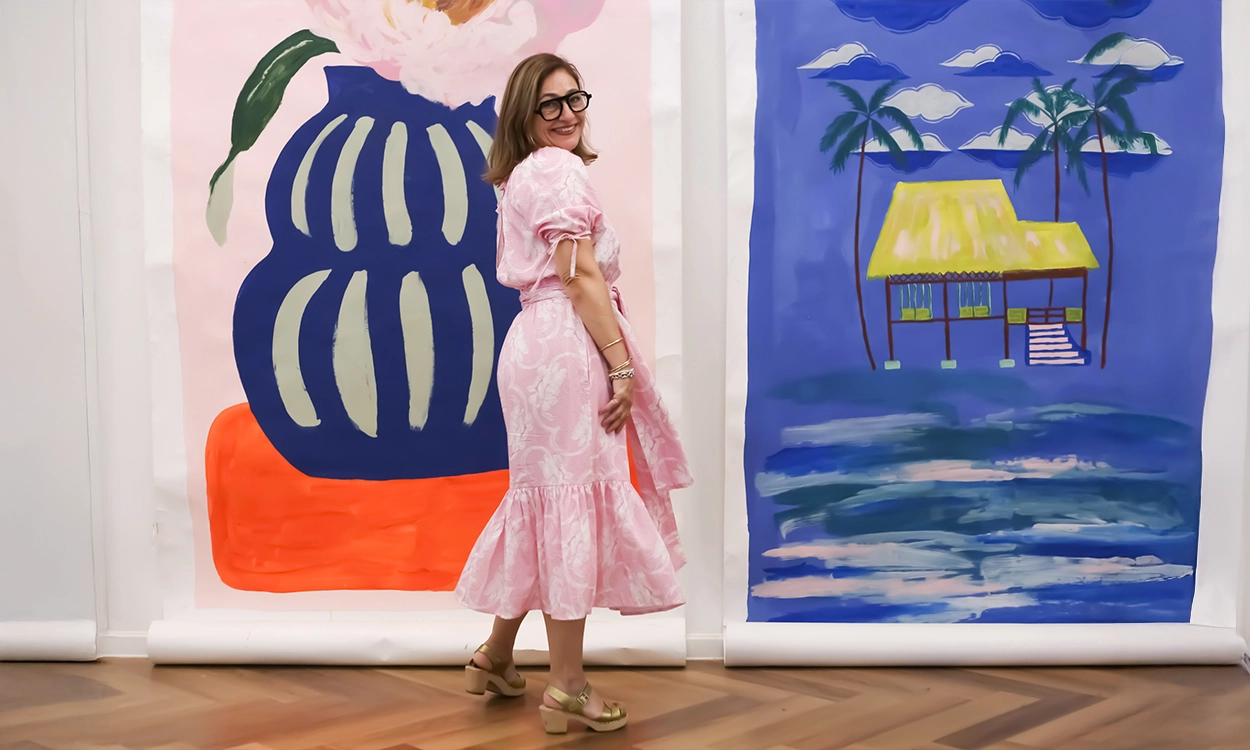
The skirt that thinks it is a painting.

The dandelion has been Nala’s logo for the past five or six years. It came to us after a trip I made to Bangkok, and since then this little flower has become very much part of our identity. According to the book, dandelions have been around for some 30 million years, which means, technically, our logo is 30 million years old.

Dandelions have appeared in ancient Egyptian, Roman, Arabic and Anglo-Saxon texts, and have a long history as a medicinal plant, used by cultures across the world to treat all sorts of ailments. But there is even more to this little flower. Its stems and leaves contain a milky latex, and it has also been used to create natural dyes, with yellow coming from the flowers and purple tones from the leaves.

And then there is the question of what a dandelion actually is. Is it an invasive weed, an unwanted intruder that appears where it wasn’t invited? Or is it a beautiful wildflower that simply has an extraordinary ability to grow almost anywhere?

Perhaps that is exactly why I love it so much. The more you discover about the dandelion, the more remarkable it becomes. Resilient, useful, beautiful, ancient and almost impossible to contain. Its seeds travel with the wind, find somewhere new to land and start all over again.

The Hidden Histories of Flowers is beautifully illustrated, full of wonderful stories and a fantastic source of inspiration. I absolutely love it and can highly recommend it, both as a book to keep and as a beautiful gift.

The skirt that thinks it is a painting.
Bon Odori at The Campus with Bella

Bon Odori at The Campus with Bella

5 min read

Bon Odori at The Campus with Bella

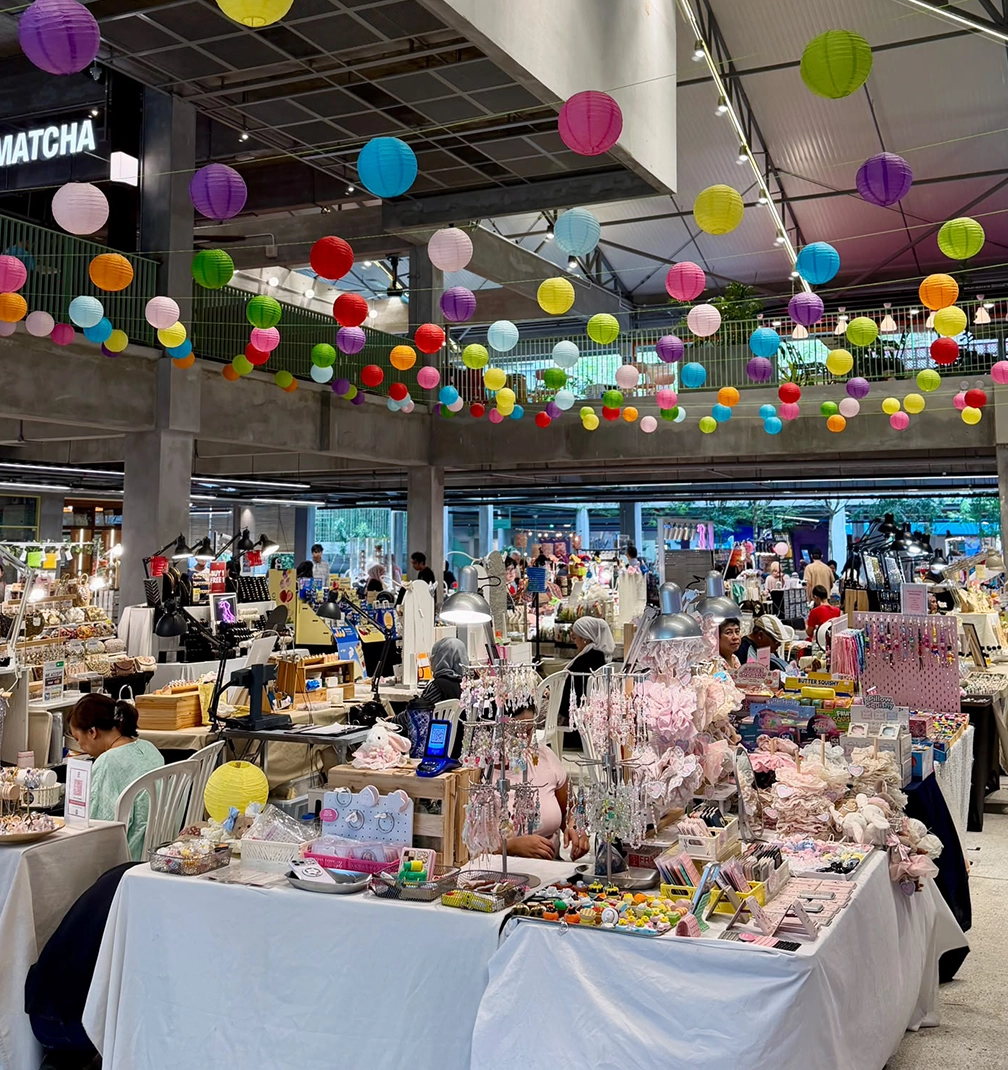
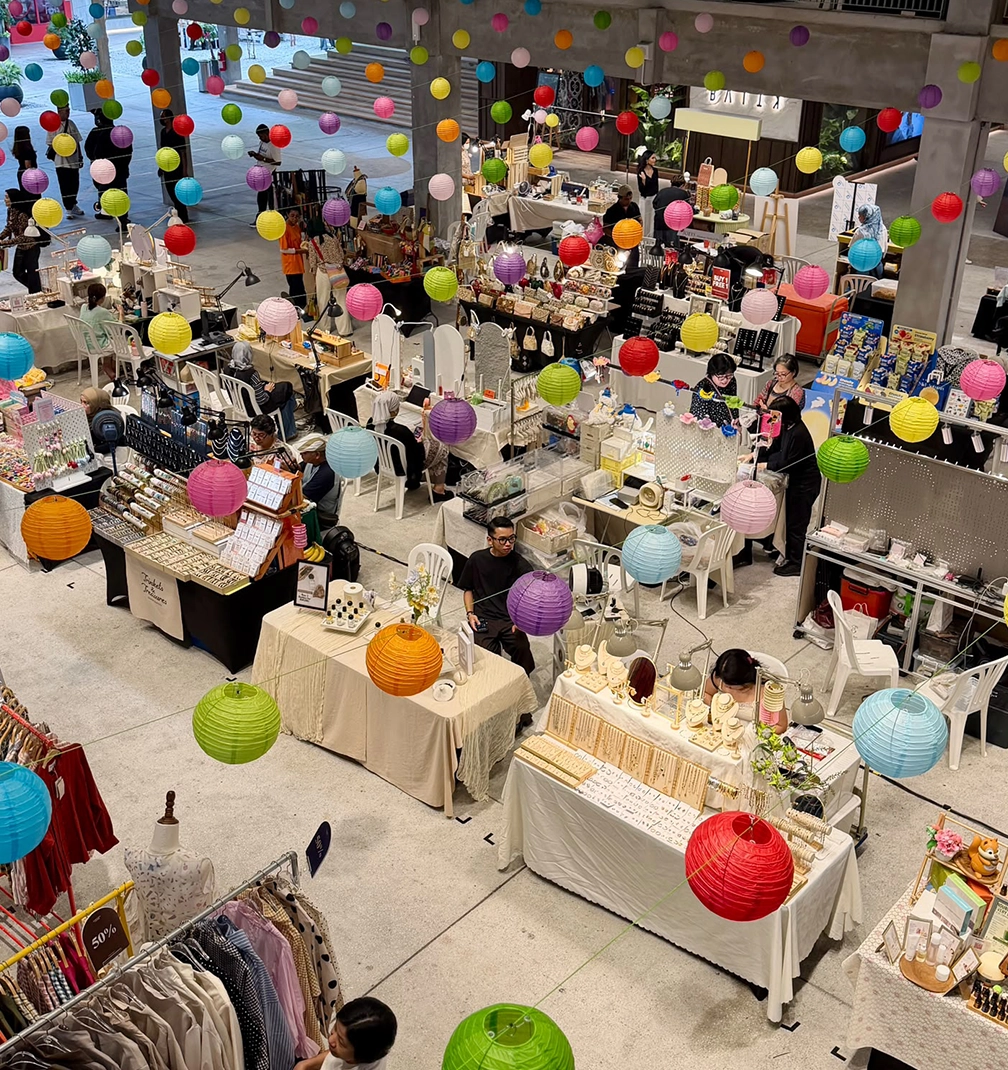
There is always something happening at The Campus, and we love joining in. Last week we were painting tote bags,
and this weekend we are celebrating Bon Odori with our very own Nala Lucky Pick.

LISETTE

SHARE

Bon Odori is a Japanese summer tradition with centuries of history. Originally connected to Obon, a time for honouring ancestors and welcoming their spirits home, it has evolved into a joyful community celebration filled with music, dancing, lanterns and food. The odori simply means “dance”, and people traditionally gather around a raised platform to dance together.

The skirt that thinks it is a painting.

From 14 to 16 August, The Campus will be celebrating with its own Lantern Festival, and Bella and the Nala Campus team are joining the fun.

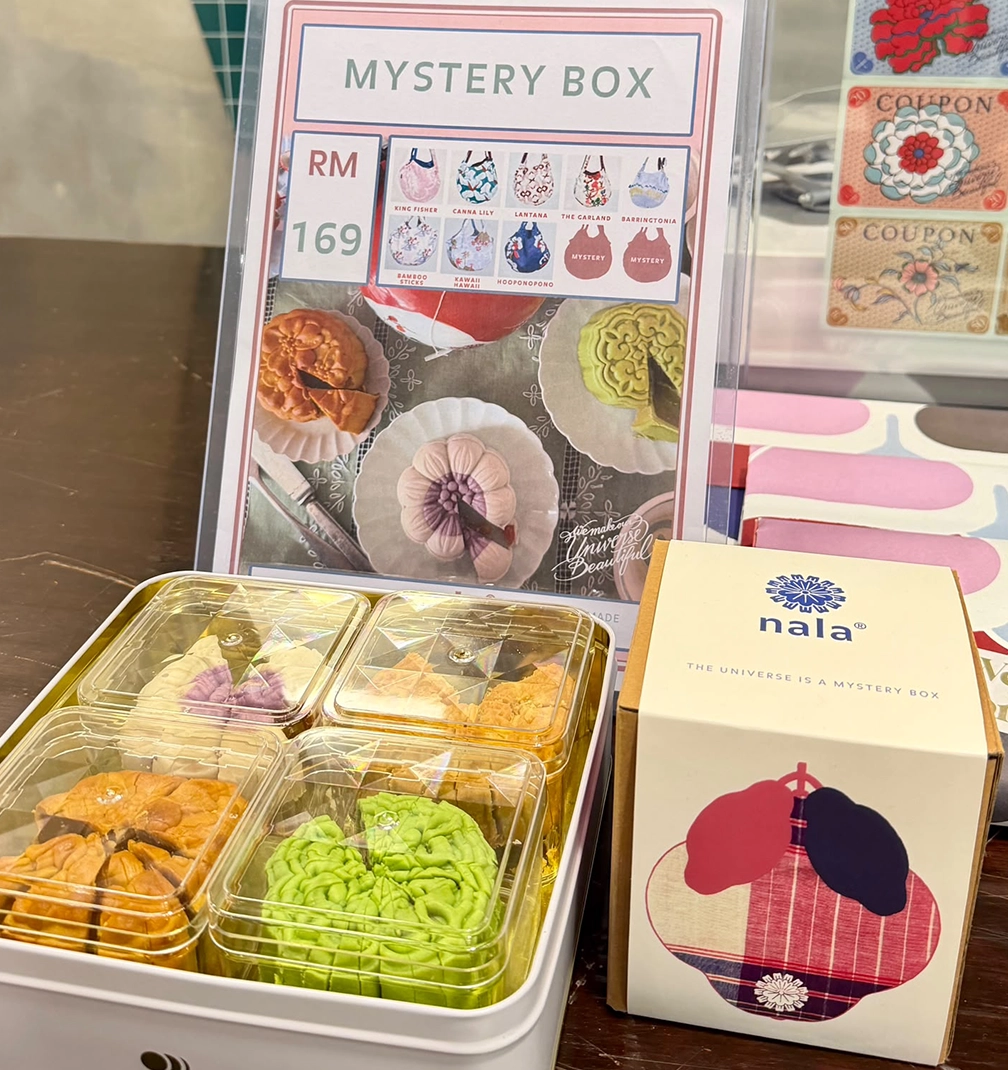
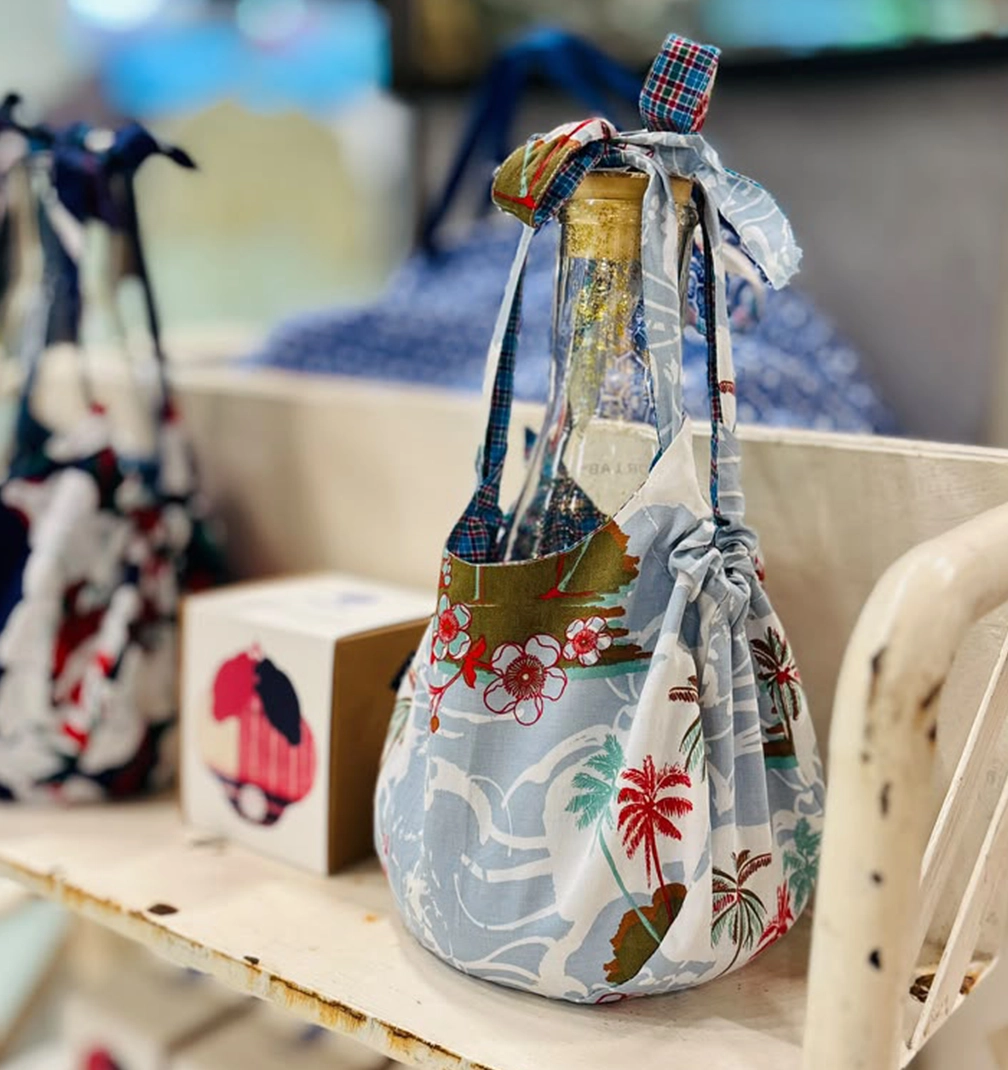
Spend RM150 in a single receipt at Nala and you get one Lucky Pick. Pick a number and discover your prize immediately. There are T-shirts, art prints, vouchers, scrunchies, Campus totes and more to be won, with one of our beautiful new Kinchaku Bags as the star of the show.

So come to The Campus this weekend. Eat, wander, enjoy the lanterns, try your luck and come say hello to Bella and the team.

There really is never a dull weekend at The Campus.

The skirt that thinks it is a painting.
Happy Times Are Here

Happy Times Are Here

5 min read

Happy Times Are Here

If you haven’t discovered Happy Times yet, now is the time.

LISETTE

SHARE

Happy Times is our world online, an archive of the stories, newsletters, launches and special moments we’ve created over the years. But it is also becoming the place where you’ll find something else: special Nala pieces, made in small quantities and sometimes available only online.

This weekend, two new stories are joining Happy Times.

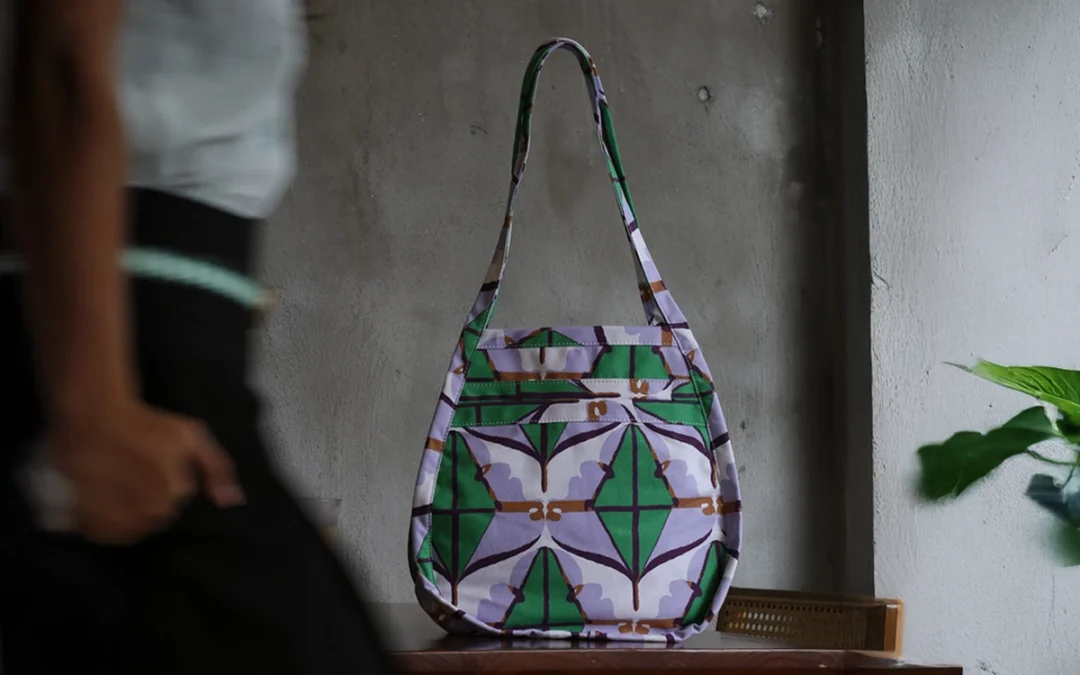
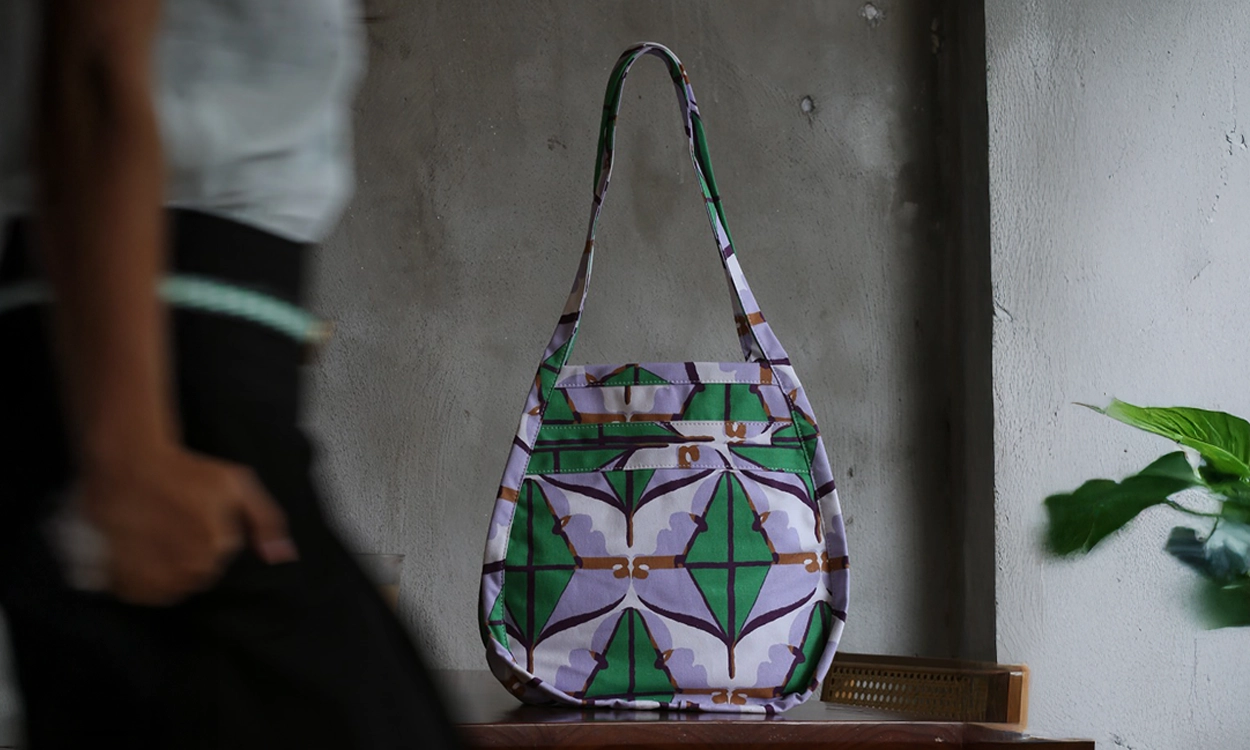
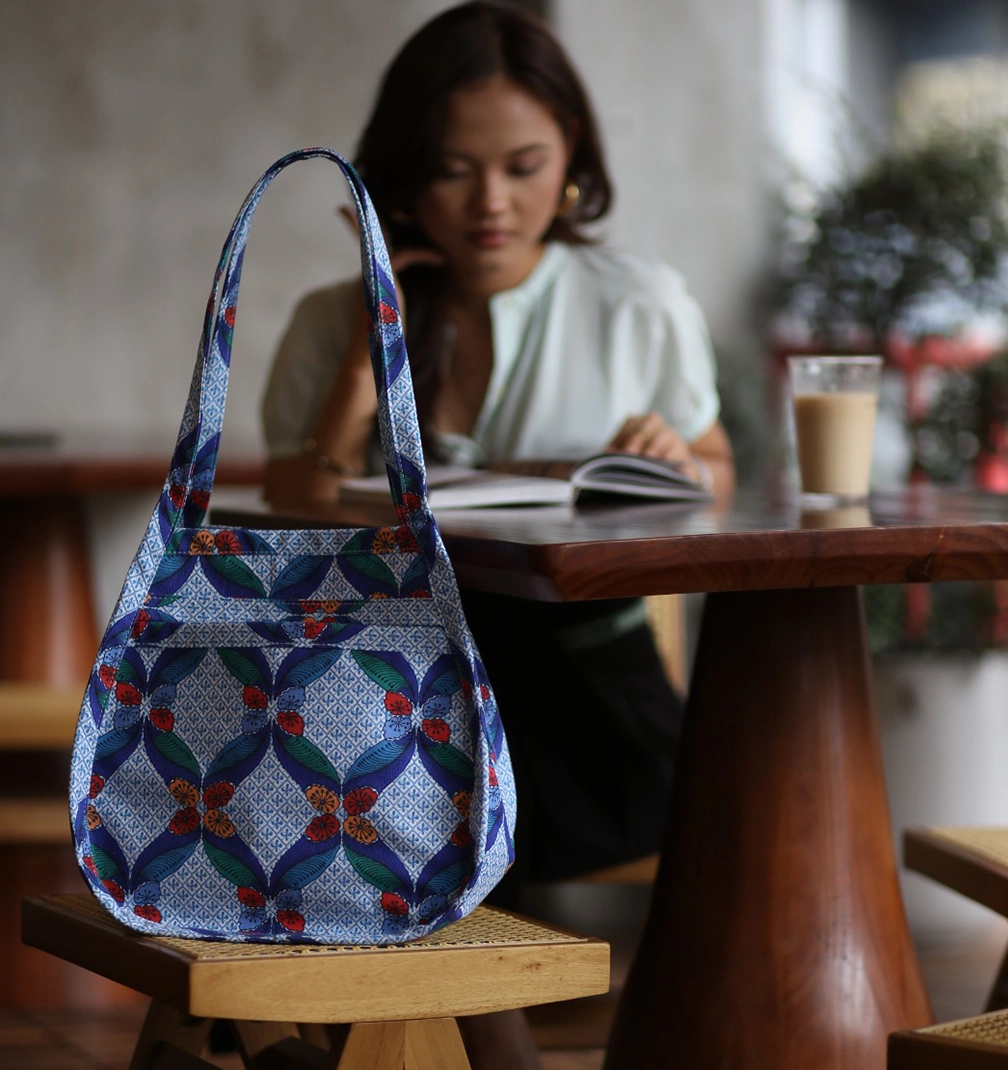
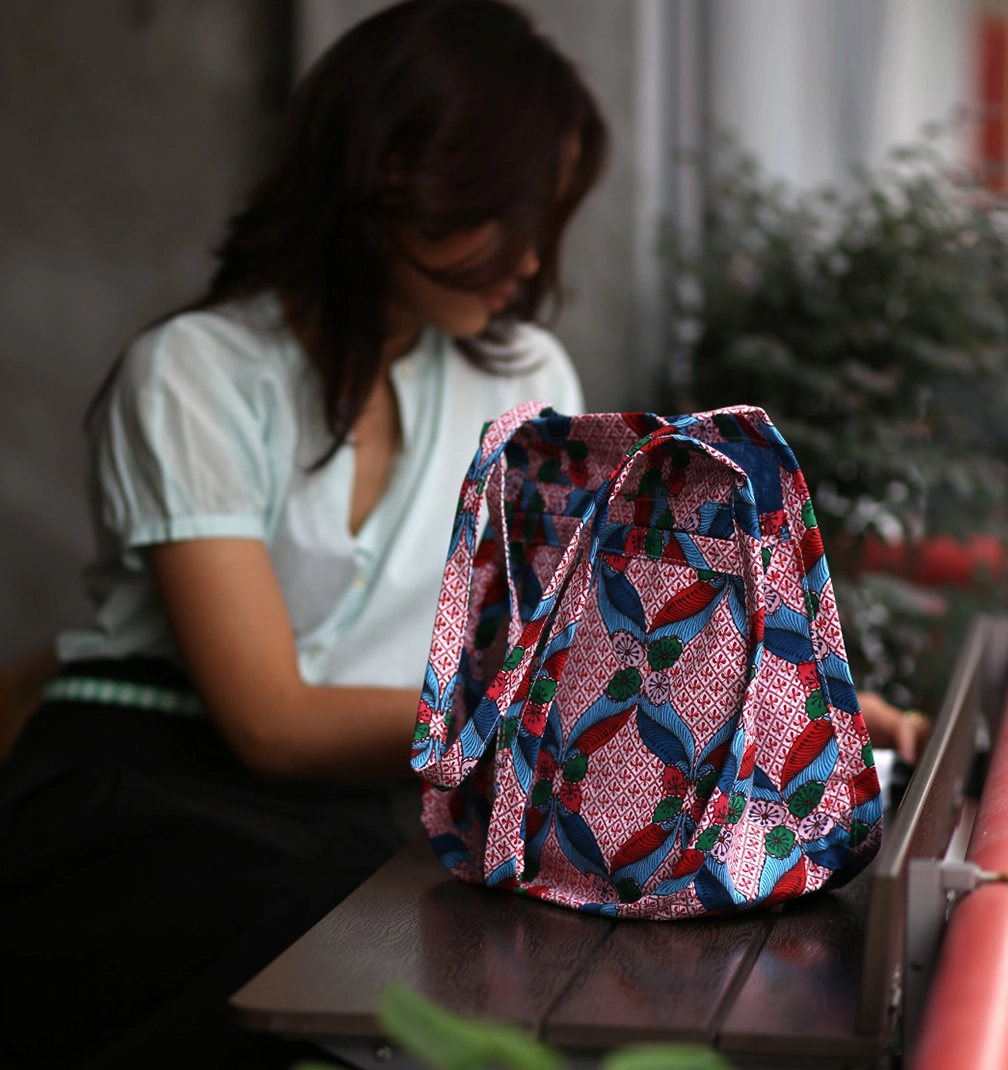
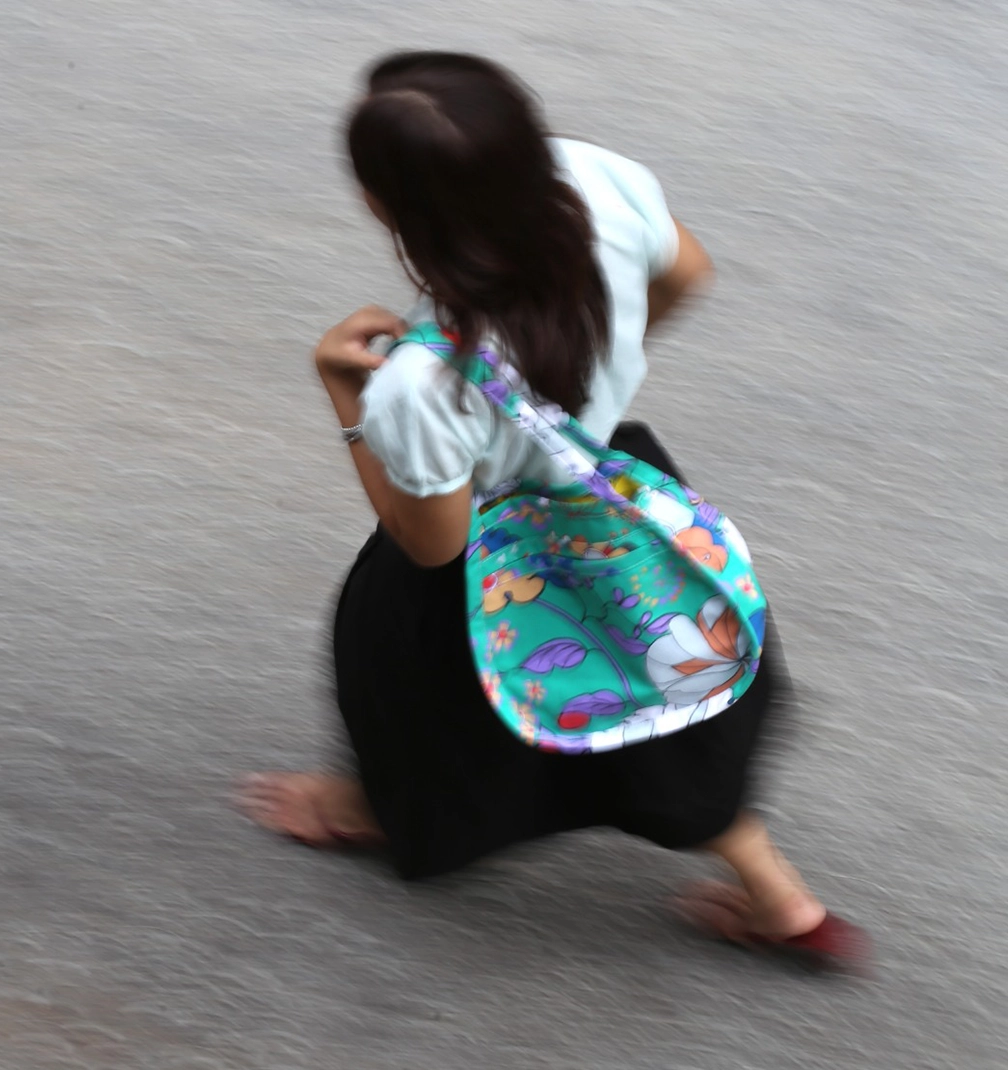
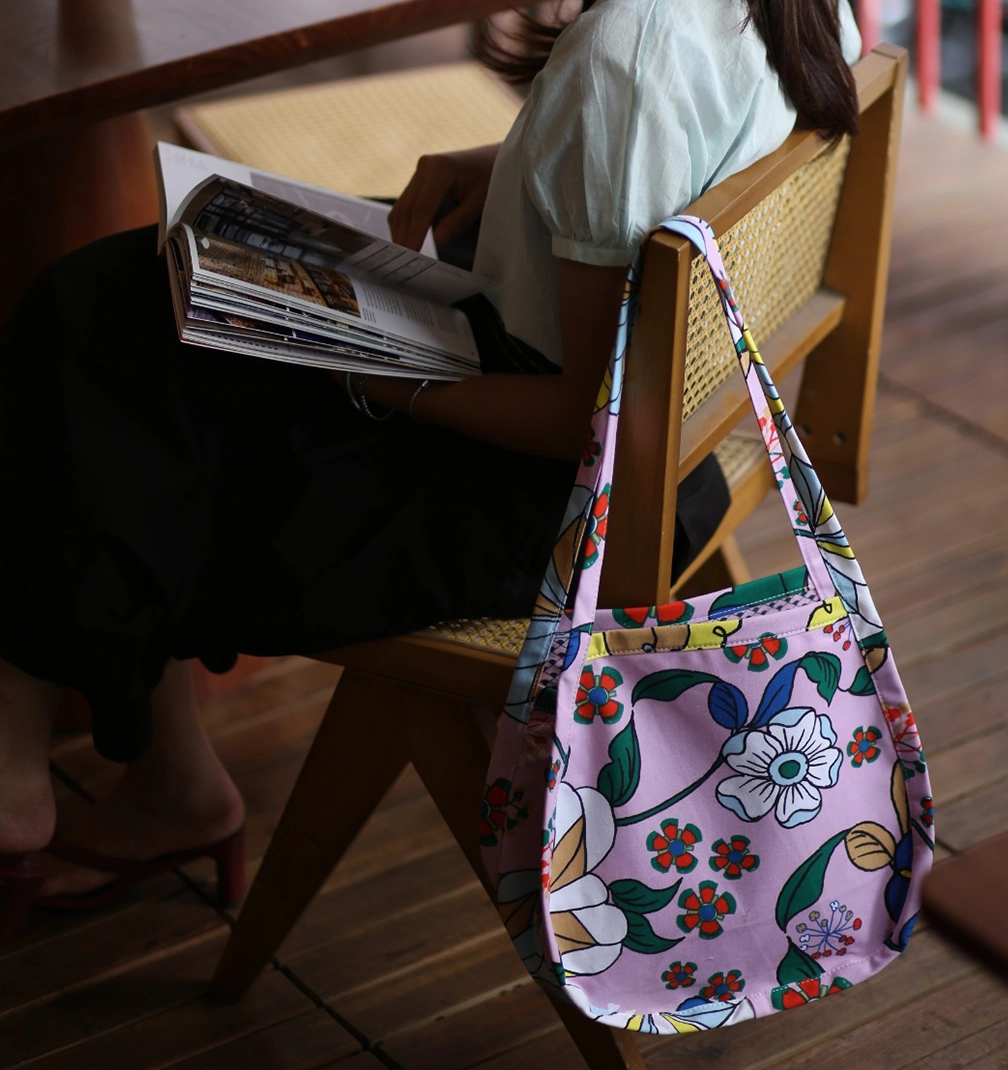
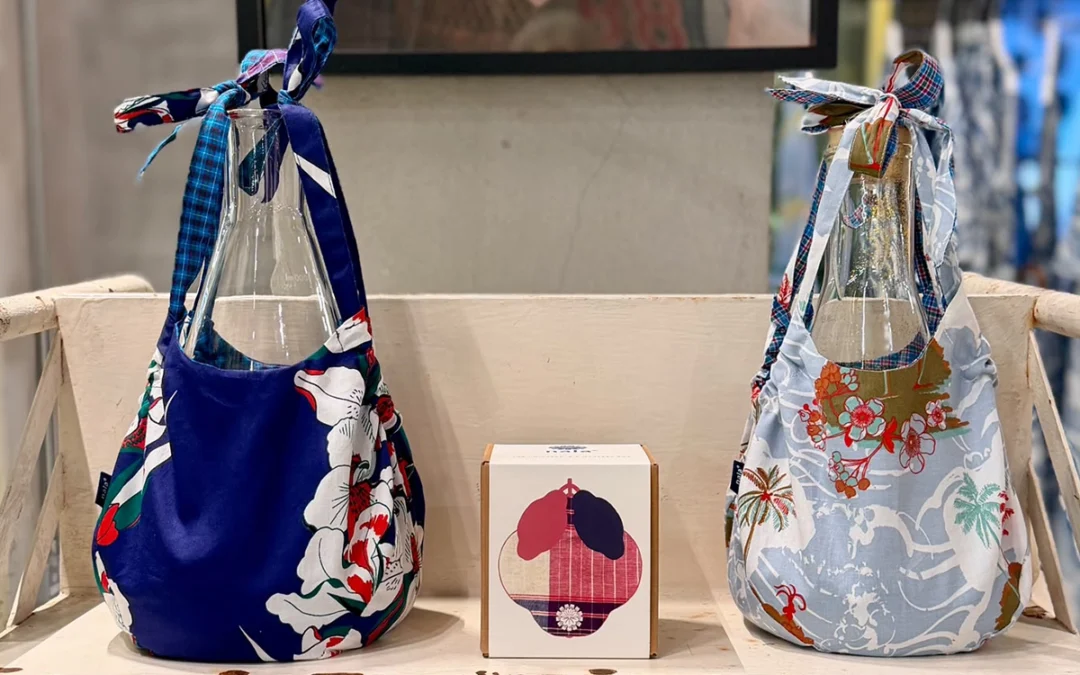
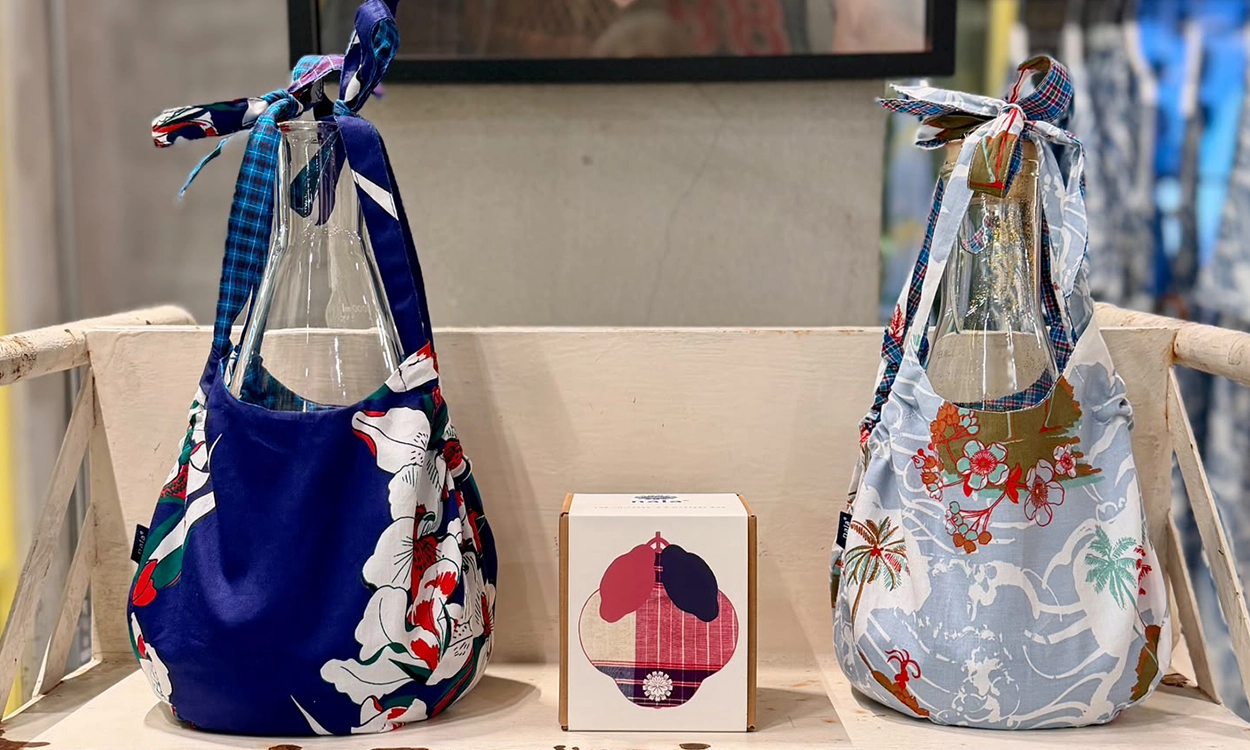
First, our beautiful Kinchaku Bags. Inspired by the traditional Japanese drawstring bag, each one is handmade using fabrics selected from the Nala archives, giving past patterns a completely new life. Finished with a leather strap, every bag comes with a little coin tucked inside for good luck. So when you give a Kinchaku Bag to someone, you’re not simply giving them a bag, you’re wishing them luck in abundance.

The skirt that thinks it is a painting.

And then, it’s game on. Our Nala tennis rackets are arriving in classic Wimbledon purple and green. There are only eight pieces of each colour, making this a very small and very special release.

This is also a little sign of what’s to come. We’ll be bringing more exclusive pieces, limited editions, archive discoveries and special launches to our website, often in quantities that won’t last very long.

So if you want to know what’s coming before it’s gone, sign up for the newsletter.

That’s where the Happy Times begin.

The skirt that thinks it is a painting.
The Man Who Bet on Orchard Road

The Man Who Bet on Orchard Road

5 min read

The Man Who Bet on Orchard Road

For now, we are saying goodbye to our little Nala home at TANGS.

LISETTE

SHARE

Not forever. We have simply decided to focus all our Singapore energy on one shop, one team and one location. But before we leave, I wanted to say a proper thank you, because our time at TANGS has been such a happy one.

Our relationship started at Boutique Fairs, and from the beginning I absolutely adored the team. We laughed a lot, learned a lot and had such a good time together. TANGS is an incredible location, an inspiring department store and, most importantly, full of wonderful people.

But one of the things that made me love being there was the story of C.K. Tang himself.

The skirt that thinks it is a painting.

He arrived in Singapore in 1923 and started by selling lace and linen door to door. Years later, he made a bold move and opened on Orchard Road, at a time when the area was nowhere near the shopping destination it is today. People thought the location was a terrible idea.

He bet on Orchard Road anyway. And he was right.

But what I love most is that his success was not built on cleverness alone. It was built on honesty. His philosophy was simple: tell the customer the truth, give them value, treat them properly and they will come back.

We can make the prettiest shop in the world, create beautiful patterns and dream up wonderful products, but none of that means very much if the person walking through the door does not feel looked after.

Retail is about people. So for now, we are putting all our focus into Great World. But we leave TANGS with a lot of love, very happy memories and huge affection for the people we met there.

This is not goodbye.

It is simply: see you again soon, TANGS.

The skirt that thinks it is a painting.
It Takes Two Lungis to Make One Skirt

It Takes Two Lungis to Make One Skirt

5 min read

It Takes Two Lungis to Make One Skirt

The pelikat balloon skirt is back.

LISETTE

SHARE

It has become one of our signature skirts this year, and for good reason. It is light, generous, ridiculously comfortable and made for our weather. Throw it in the washing machine again and again, and instead of getting tired, the fabric simply gets softer and better.

The magic is in the lungi. A simple length of cloth that has been wrapped around the body for generations across South and Southeast Asia. Made for life in the tropics, it is lightweight, breathable, practical and wonderfully unfussy.

And then there are the checks.

The skirt that thinks it is a painting.

We love mixing prints at Nala, and the traditional checks of the pelikat work brilliantly with our patterns. Flowers with checks, geometrics with stripes, colour against colour. Somehow, it shouldn’t always work, but it does. And that is exactly why we love it.

There is just one problem. Good lungis are becoming increasingly difficult for us to source. And because of the generous balloon shape of our skirt, it takes two lungis to make just one.

So when we find a fabric we love, we make what we can. No huge quantities, no endless repeats. Which means this Saturday’s new batch is, once again, very limited.

Two lungis. One balloon skirt. And the more you wear it, and wash it, the better it gets.

Launching this Saturday.

The skirt that thinks it is a painting.