



Culture
19 May 2026
5 min read
The beauty of the hand
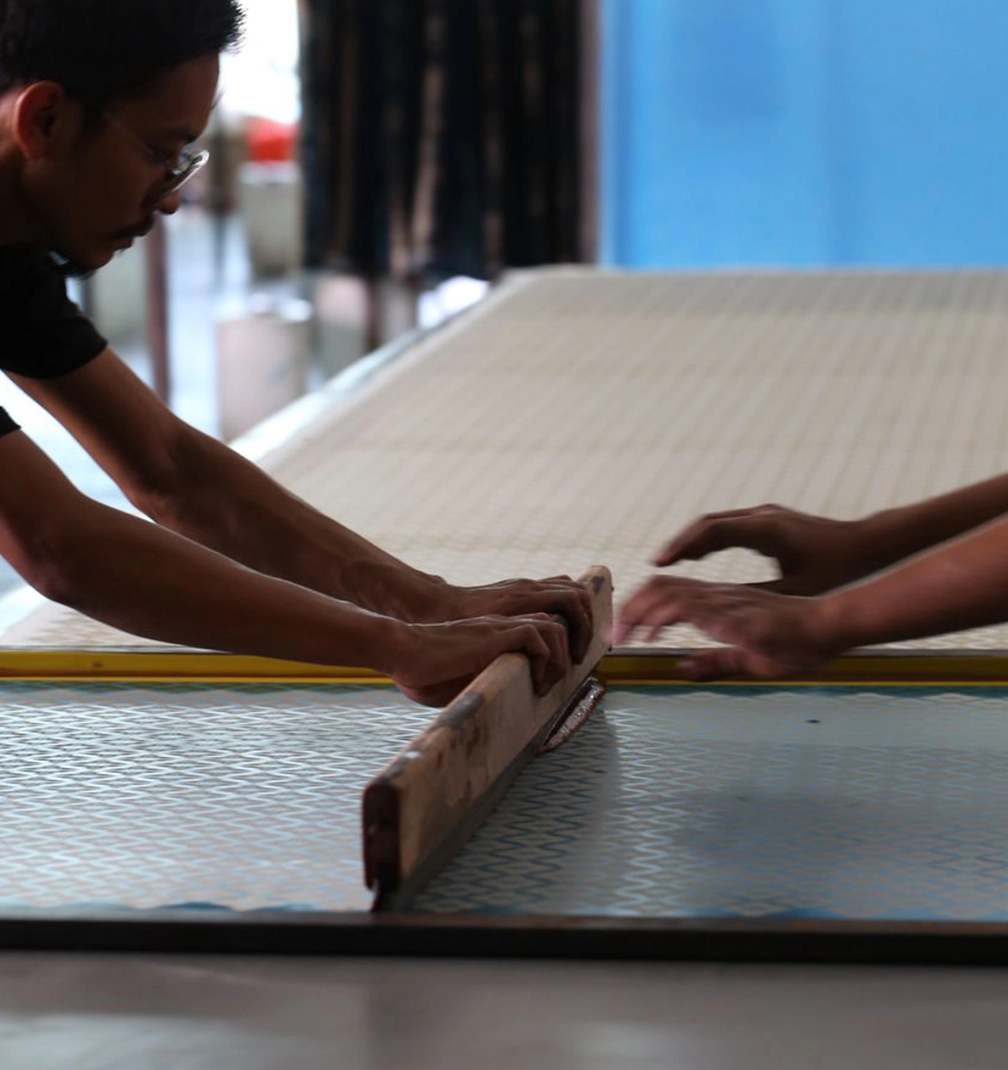
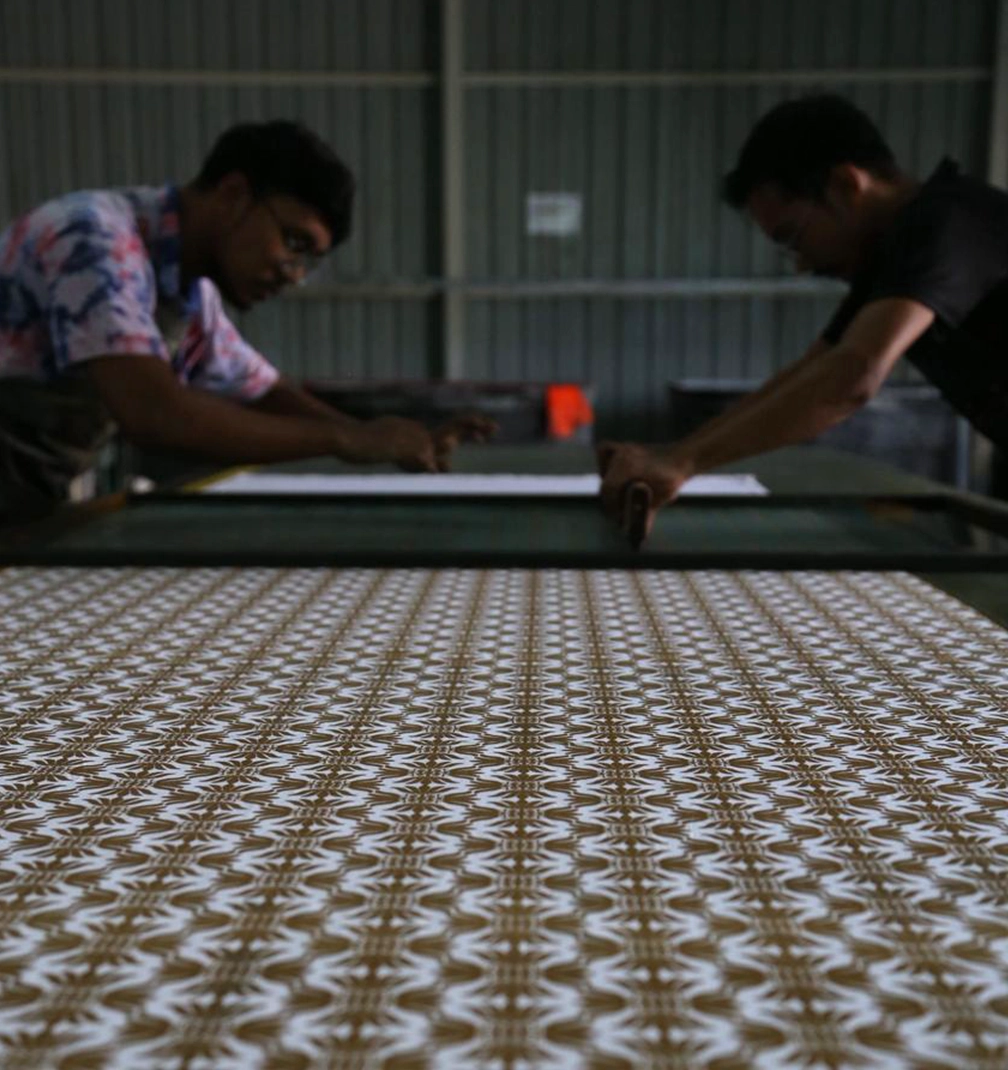
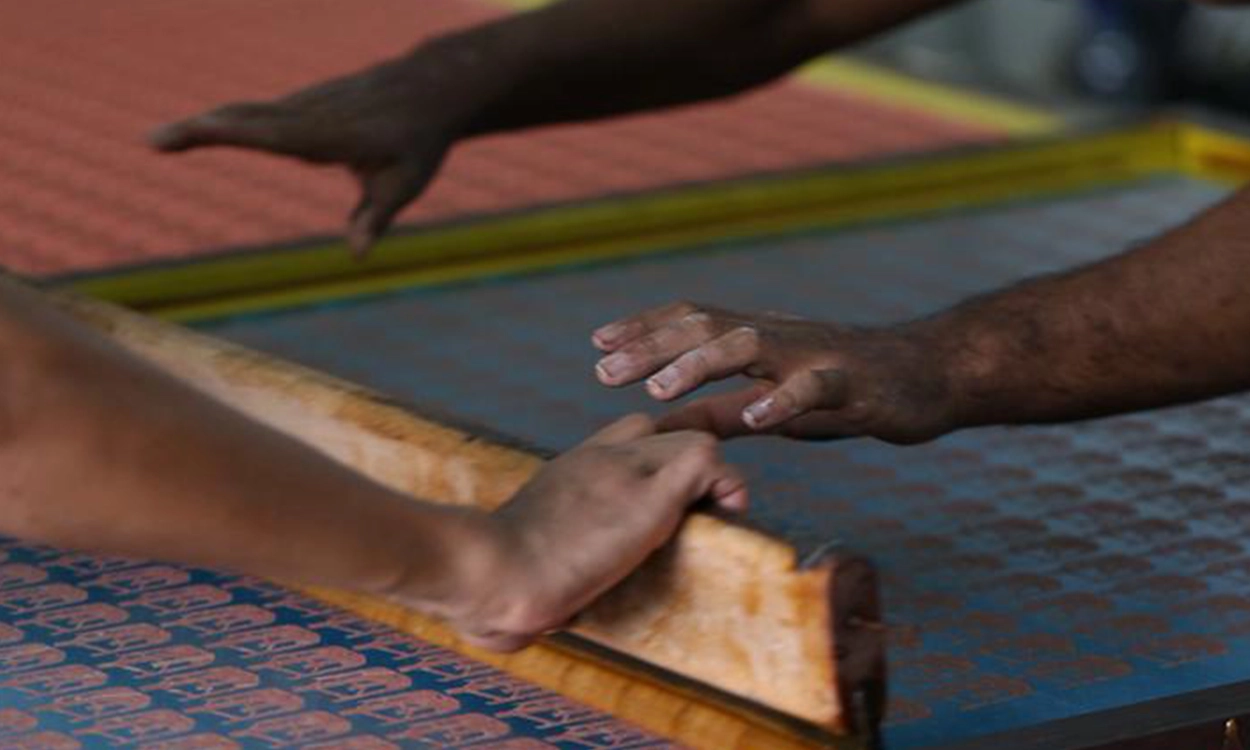
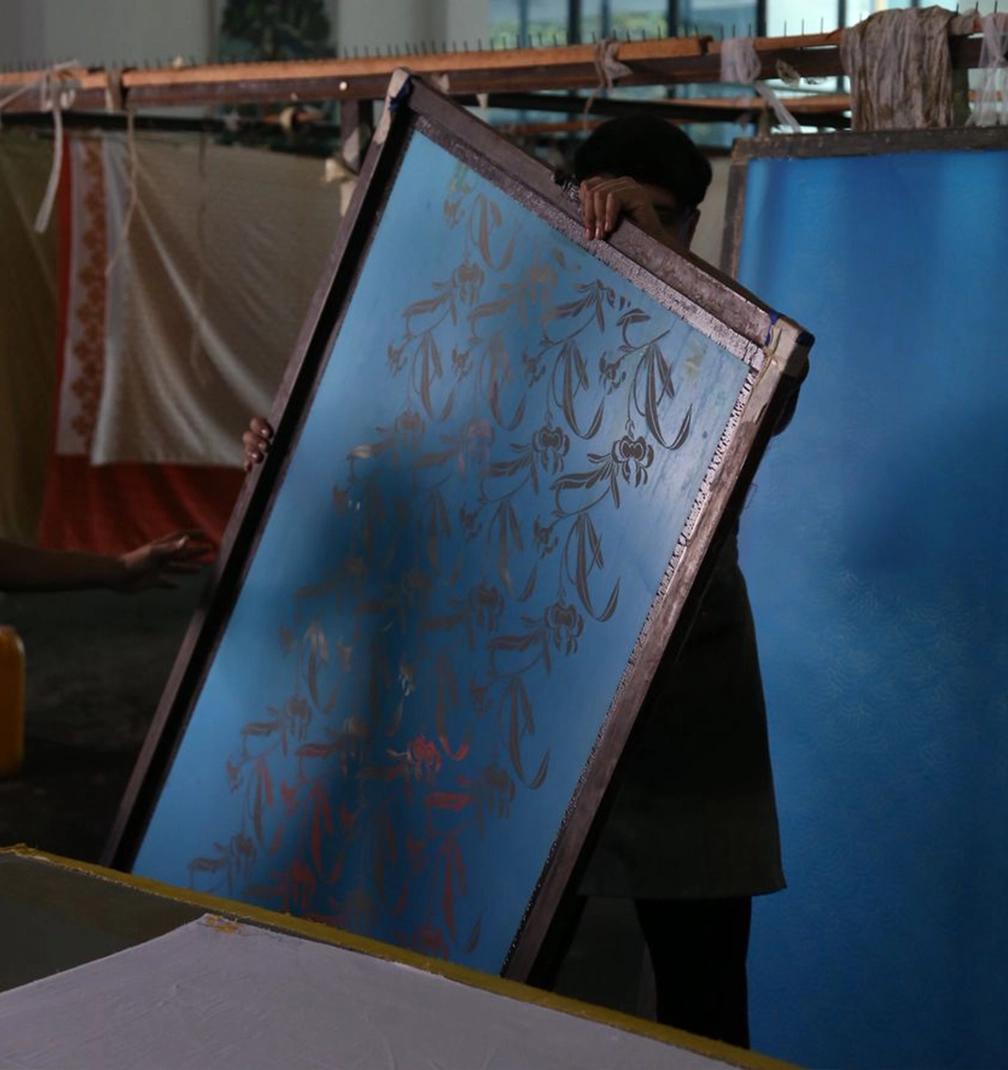
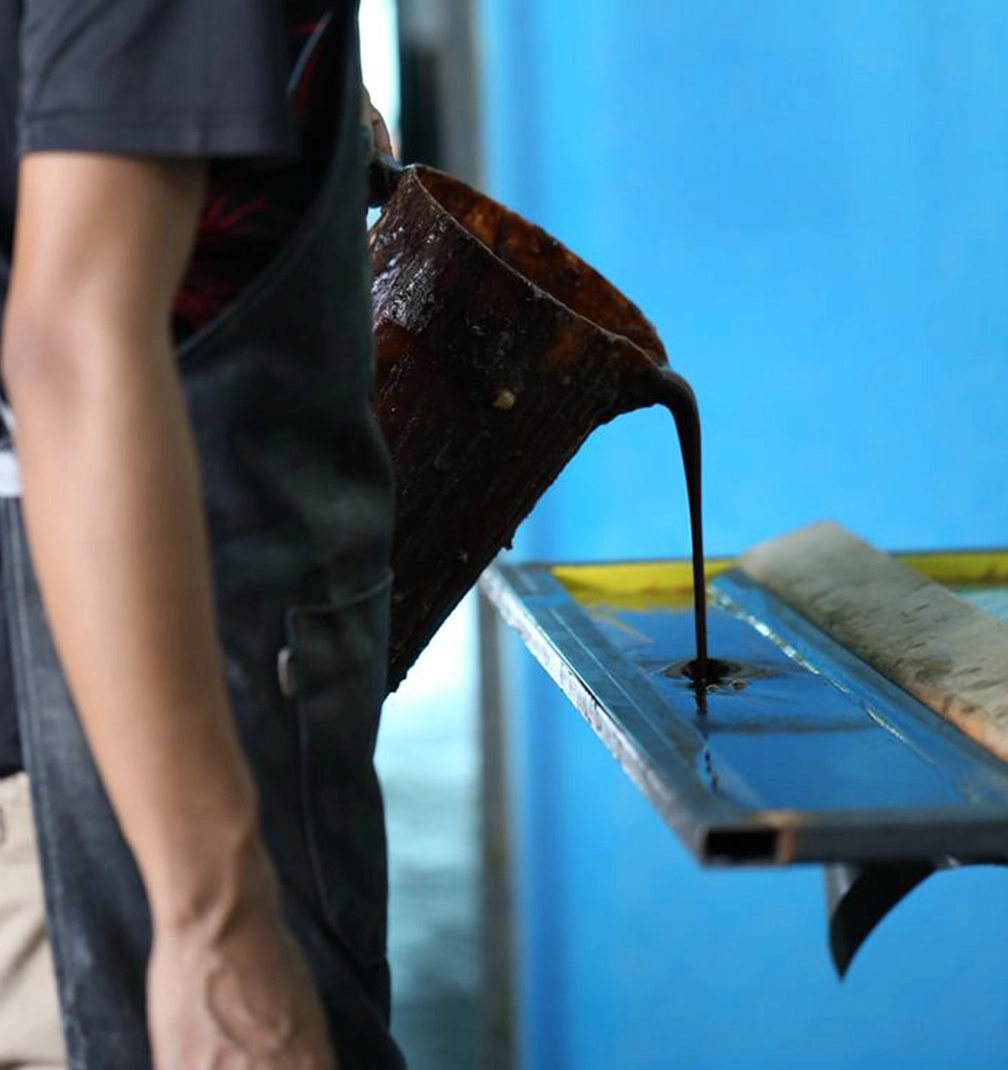
For this collection, we worked with a different approach to batik. Not the traditional copper block stamping most people associate with Malaysian batik, but a silk screen wax-resist technique, where wax is pushed through screens by hand before the fabric is dyed. It sits somewhere between traditional batik and silkscreen printing, but still belongs very much to the batik family because the principle remains the same: wax resisting dye.
LISETTE

Traditional batik is usually divided into a few methods. Batik tulis is drawn by hand using a canting tool. Batik cap uses copper stamps dipped in wax. Ours is closer to what is sometimes referred to as screen printed wax batik, a more contemporary evolution of the craft that allows larger surfaces and bolder compositions while still keeping the unpredictability that makes batik beautiful.
And that unpredictability is exactly why I love it.
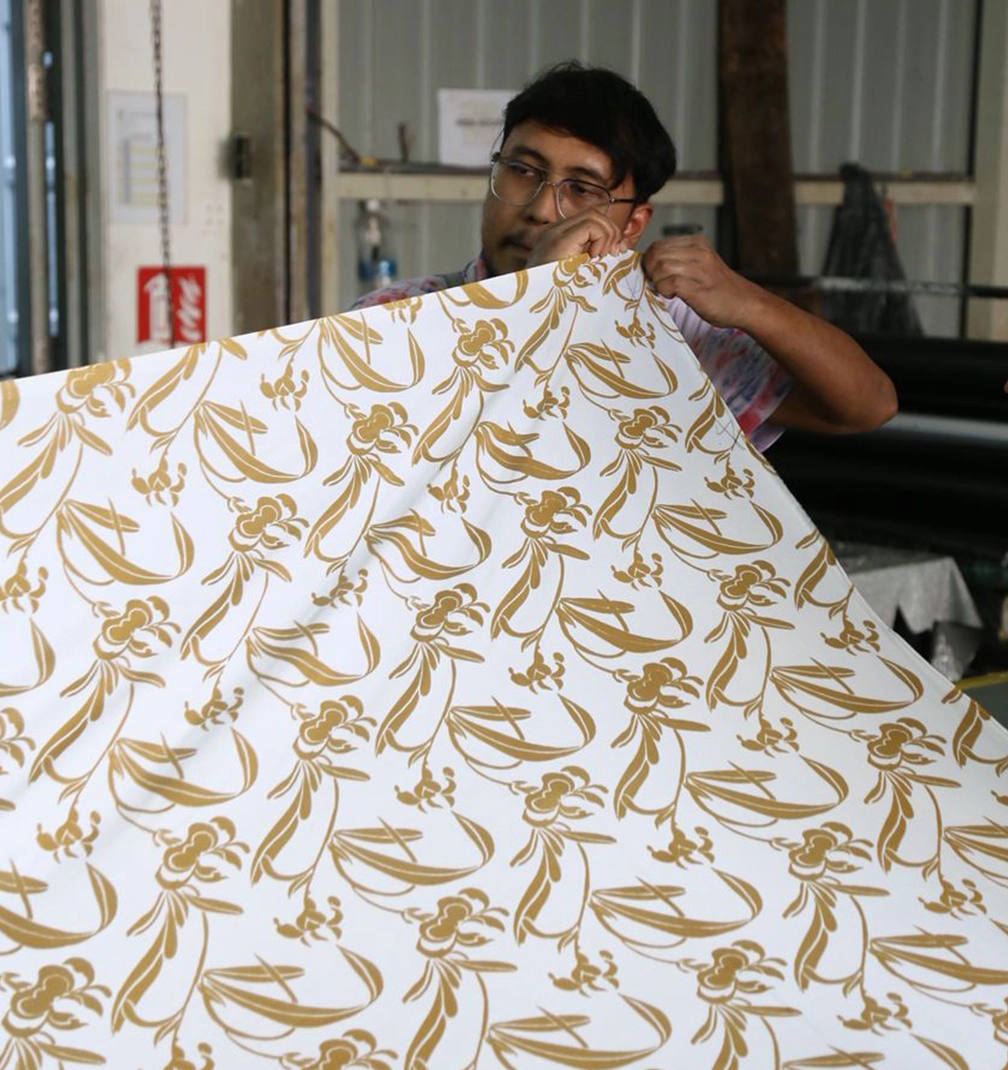
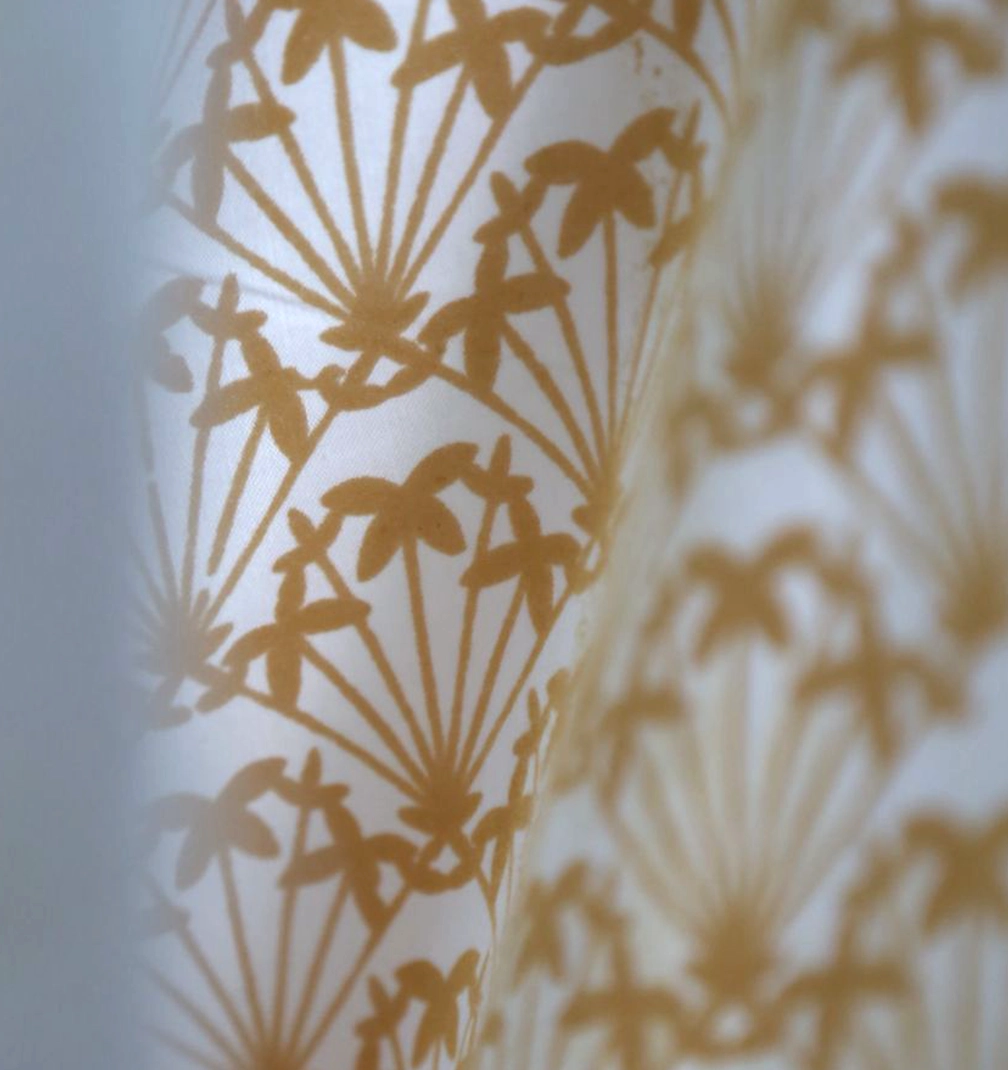
The wax never behaves perfectly. The dye shifts slightly from batch to batch. Colours deepen, soften, or move depending on temperature, timing, and the hand of the maker. Some prints come out sharper, others more blurred around the edges. There are overlaps, irregularities, tiny imperfections that machines would immediately correct. But that is where the soul is.
The more I worked on this Brutal Times collection, the more I realised how closely this process reflects brutalism itself. Brutalism was never really about concrete. It was about honesty. Letting materials speak for themselves. Showing texture, process, and construction instead of hiding them behind polish.
This batik does the same thing. You can see the hand in it.
You can feel the process in it. Nothing is overly corrected.
And in a world where everything is becoming increasingly digital, smooth, and identical, there is something deeply human about that. Every piece in this collection was designed in Malaysia, printed in Malaysia, dyed in Malaysia, and manufactured in Malaysia. That makes me incredibly proud. Not just because it supports local craftsmanship, but because it proves that Malaysian making still carries depth, character, and beauty when it is given the space to breathe.
No two pieces will ever be exactly alike, and we do not want them to be. Variations in colour and alignment are part of the process, not defects. They are evidence that somebody touched it, printed it, dyed it, and brought it to life by hand. That is the beauty of batik. And for us, that is the beauty of these brutal times.