



Taste
28 June 2026
5 min read
Aloha Botanica: One Night on Penang Hill
Every collection starts differently.
Aloha by Nala began with one night on Penang Hill.
LISETTE

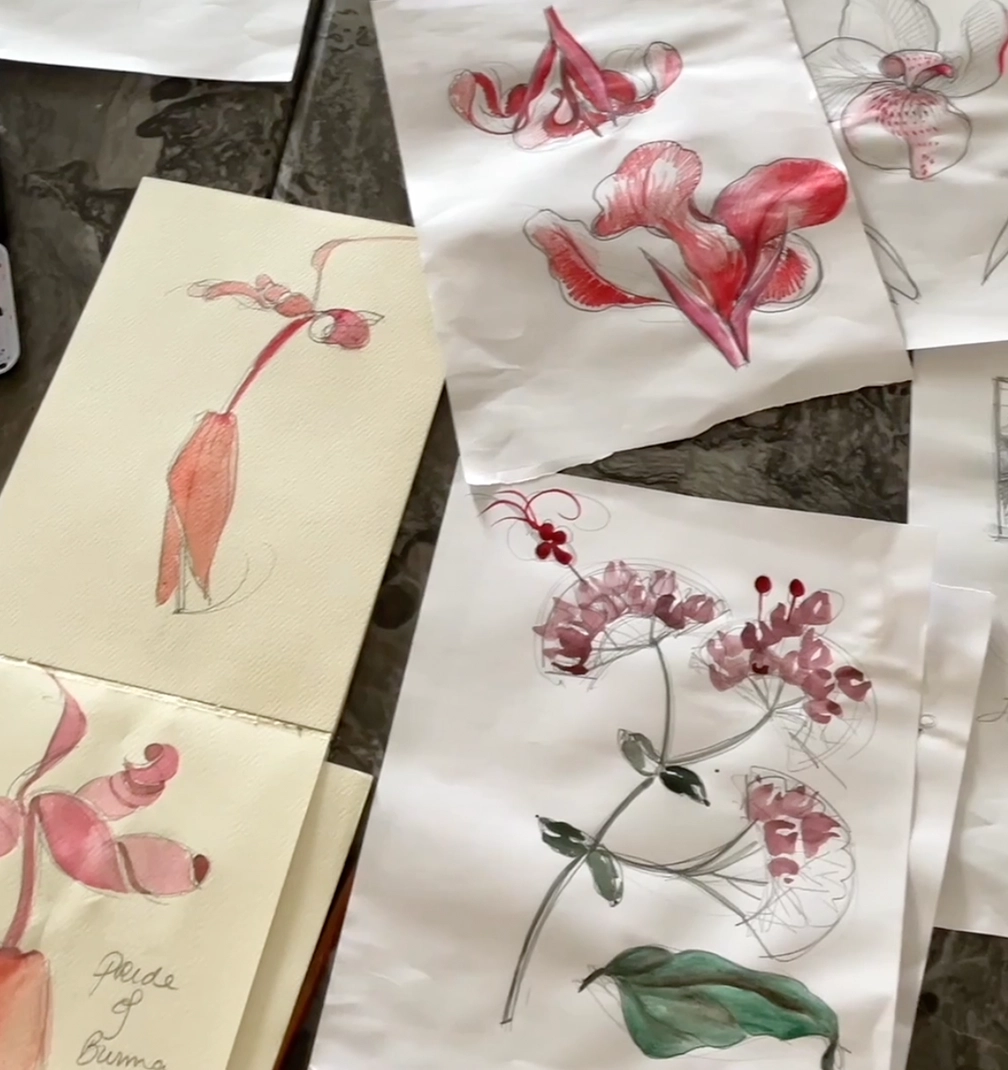
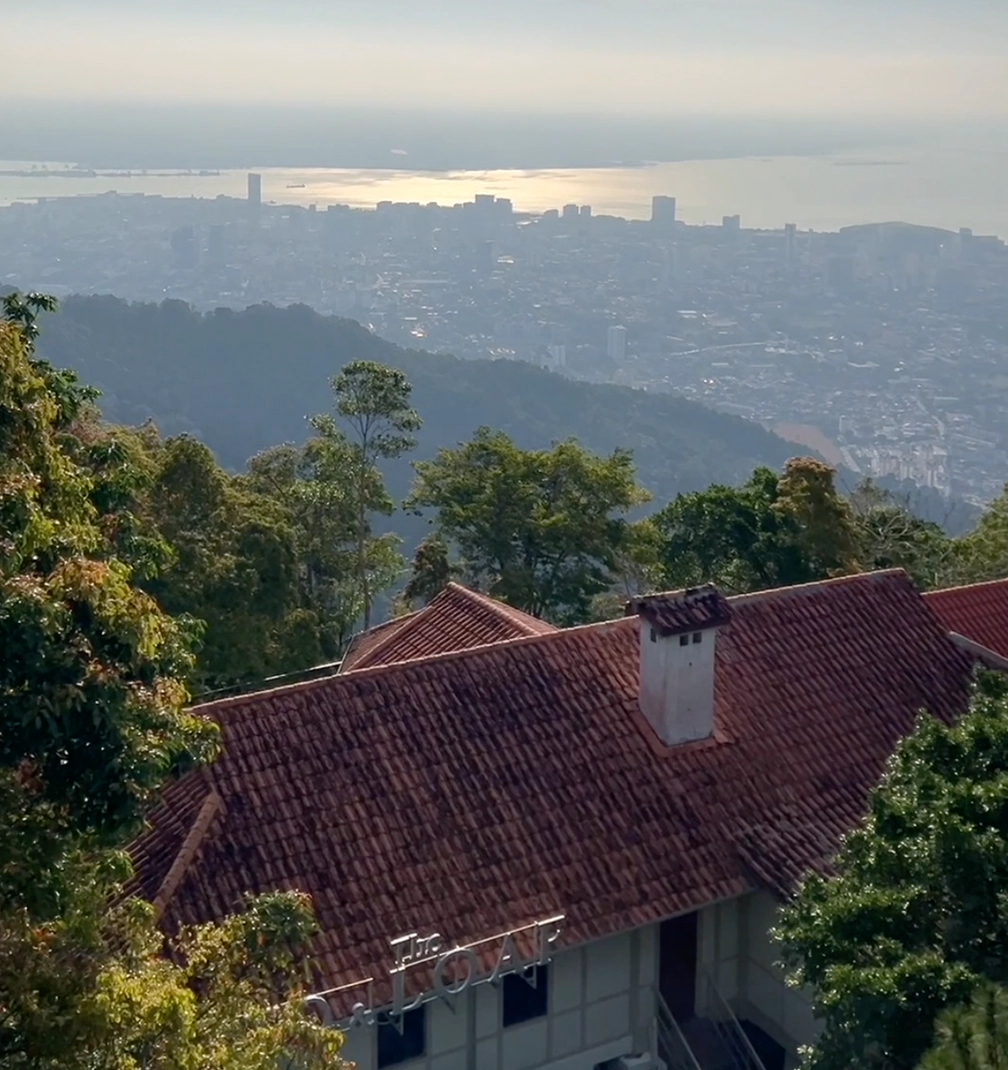
I checked into a beautifully restored house, turned off my phone, ignored my emails, and disappeared offline for two days. For someone running a business, that is probably the equivalent of a silent meditation retreat. Armed with a sketchbook and an unhealthy level of curiosity, I spent my time wandering around the hill drawing flowers.
What began as a few sketches quickly turned into a full-blown investigation. Every plant I drew sent me down another rabbit hole. Where did it come from? How did it end up on Penang Hill? Was it native? Was it medicinal? Did it have any symbolism attached to it?
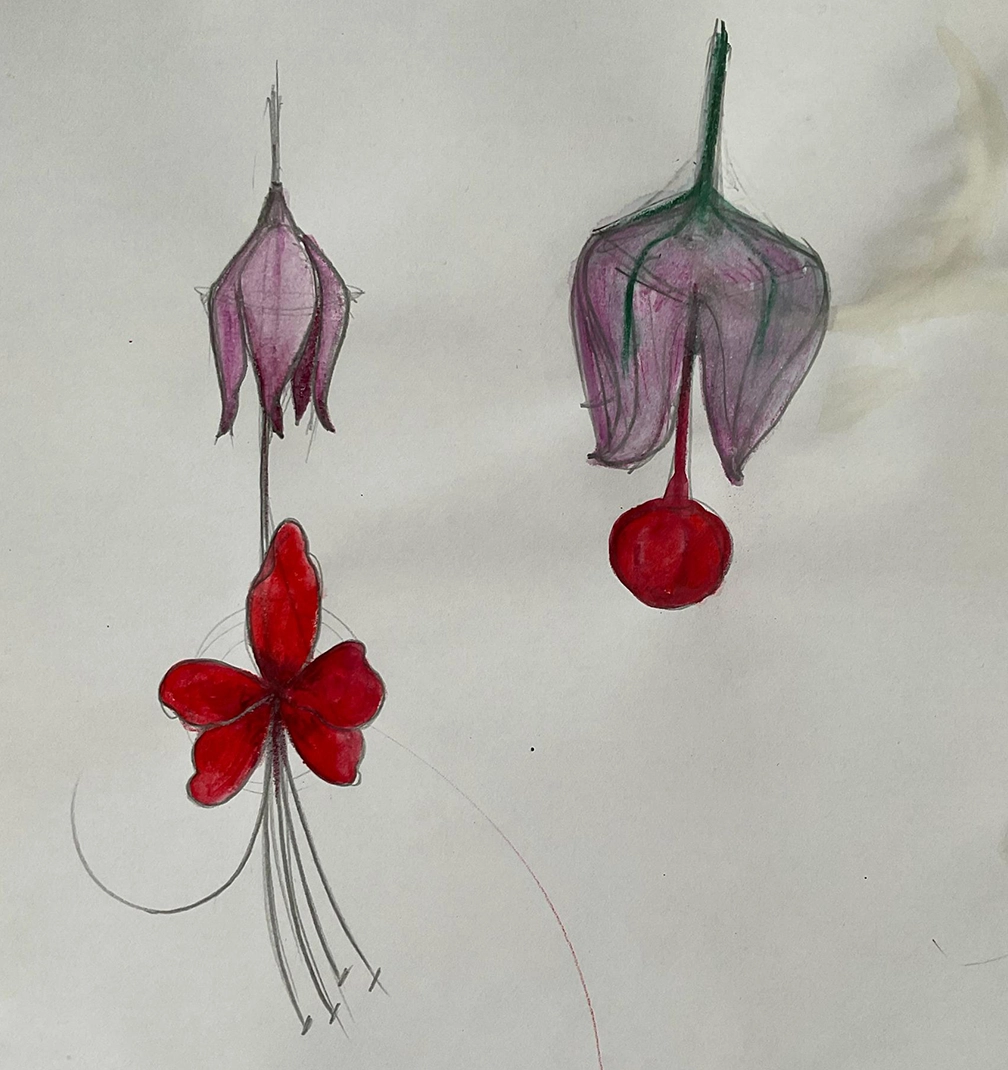
The first flower I became obsessed with was the Bleeding Heart Vine. Originally from tropical West Africa, it somehow found its way across the world and now grows happily in Southeast Asia. Its name comes from the flower itself. The outer bracts form the shape of a heart, while the bright red petals emerge from the centre like a drop of blood. Once you see it, you cannot unsee it.
The plant is often associated with love, compassion, and emotional connection, which feels fitting given its appearance. Traditionally, various species of Clerodendrum have also been used in folk medicine to treat inflammation and minor ailments. Whether or not it works, I was fascinated before I even got to the medicinal properties. It was too strange and too beautiful not to draw.
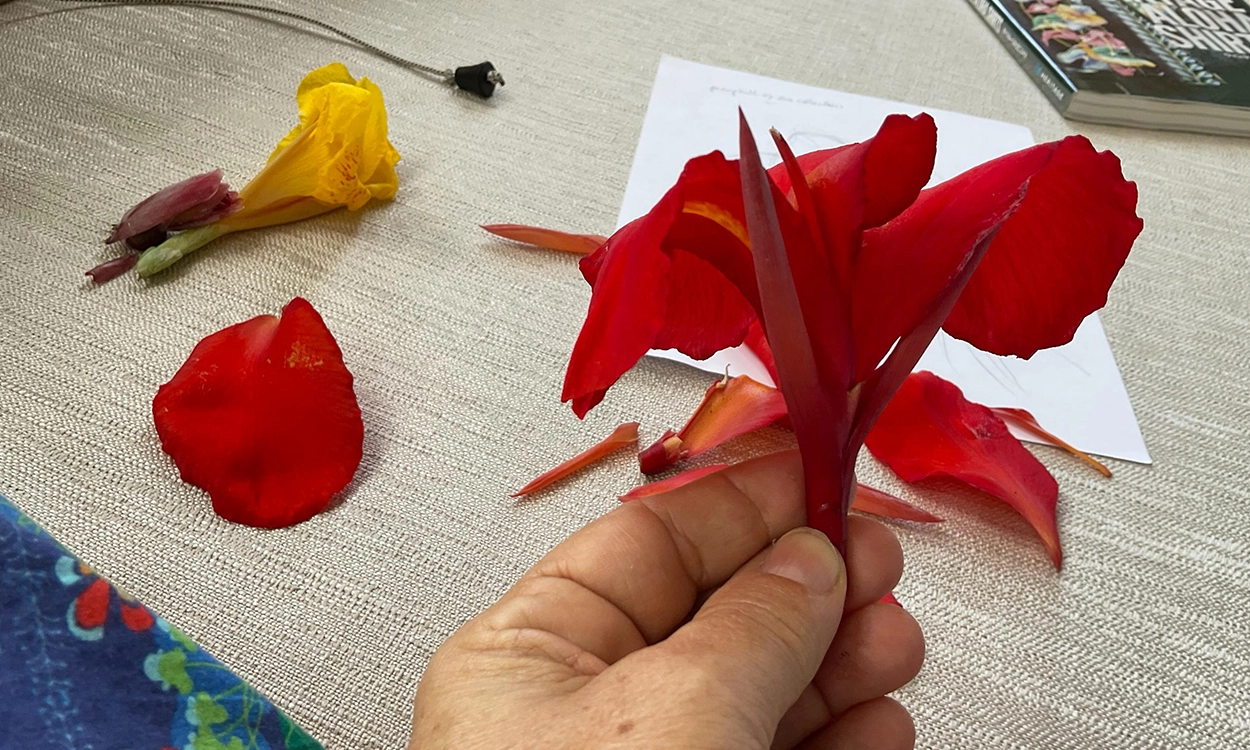
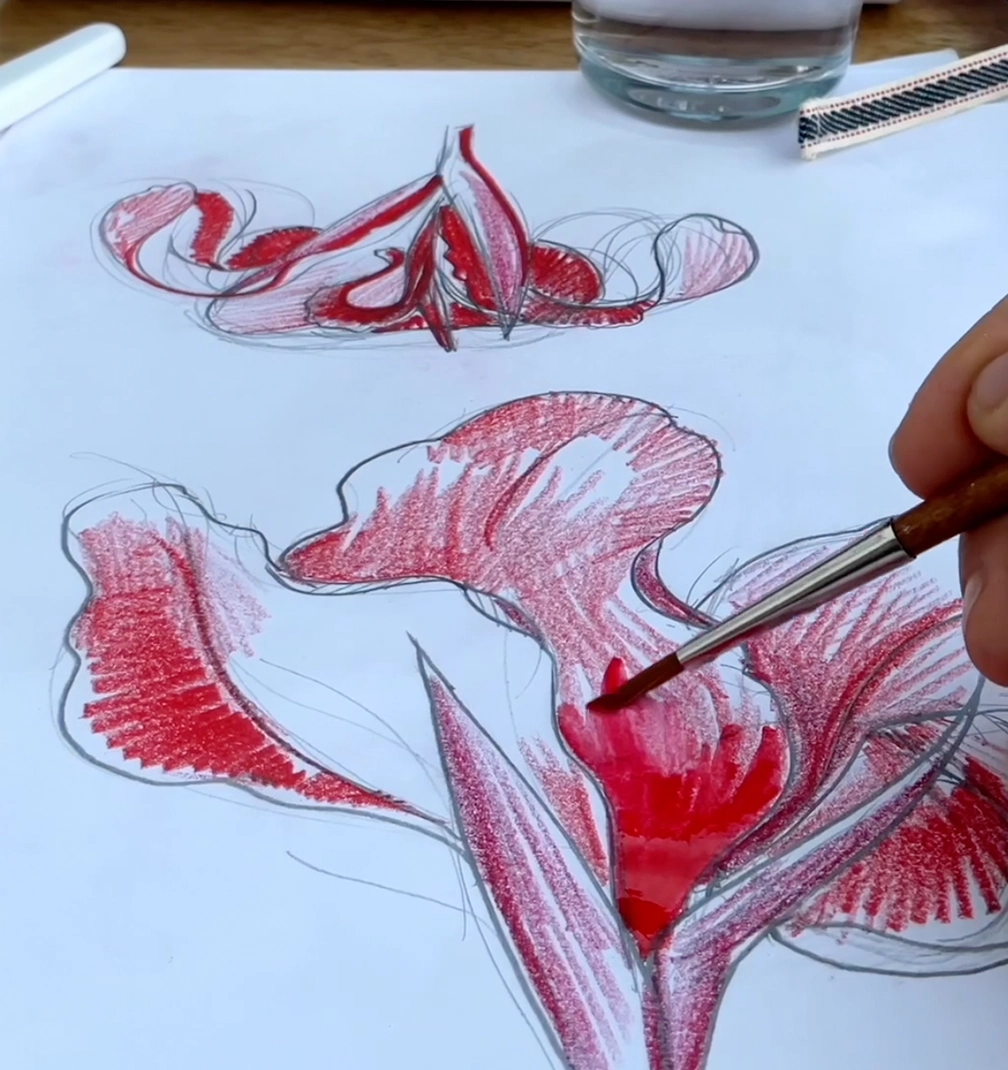
The second flower was the Canna Lily, and unlike the Bleeding Heart Vine, the Canna Lily does not believe in subtlety. Native to tropical America, it travelled across continents and eventually settled comfortably into tropical landscapes throughout Asia. Its enormous leaves and dramatic flowers look as though nature decided to turn the volume all the way up.
The Canna Lily is often associated with confidence, vitality, creativity, and resilience. Its rhizomes have historically been used as a source of starch and in traditional medicine, while the plant itself seems capable of thriving almost anywhere.
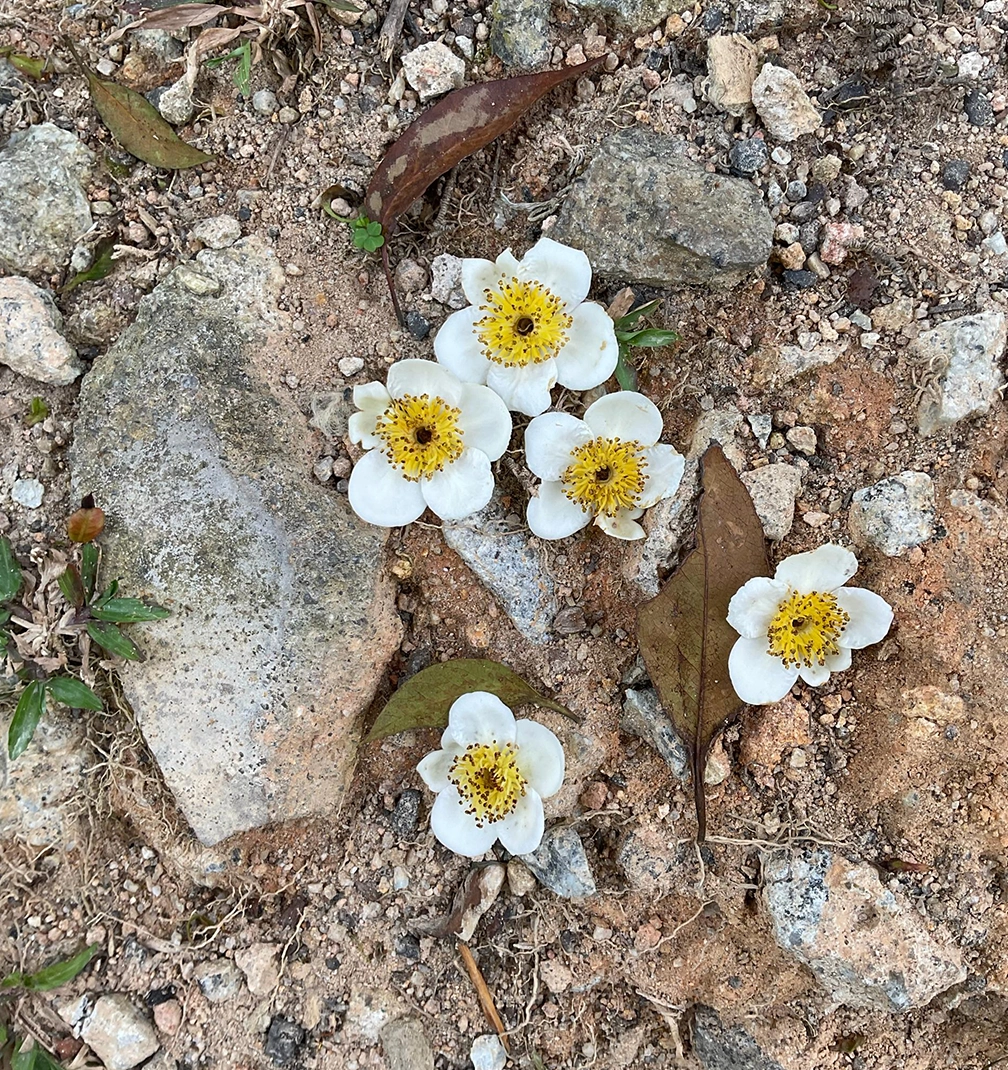
My favourite discovery, however, was the Needlewood Tree (Schima wallichii).
Unlike the other plants in this collection, this one truly belongs here. Native to Penang Hill and much of Southeast Asia, it has been part of these forests for centuries.
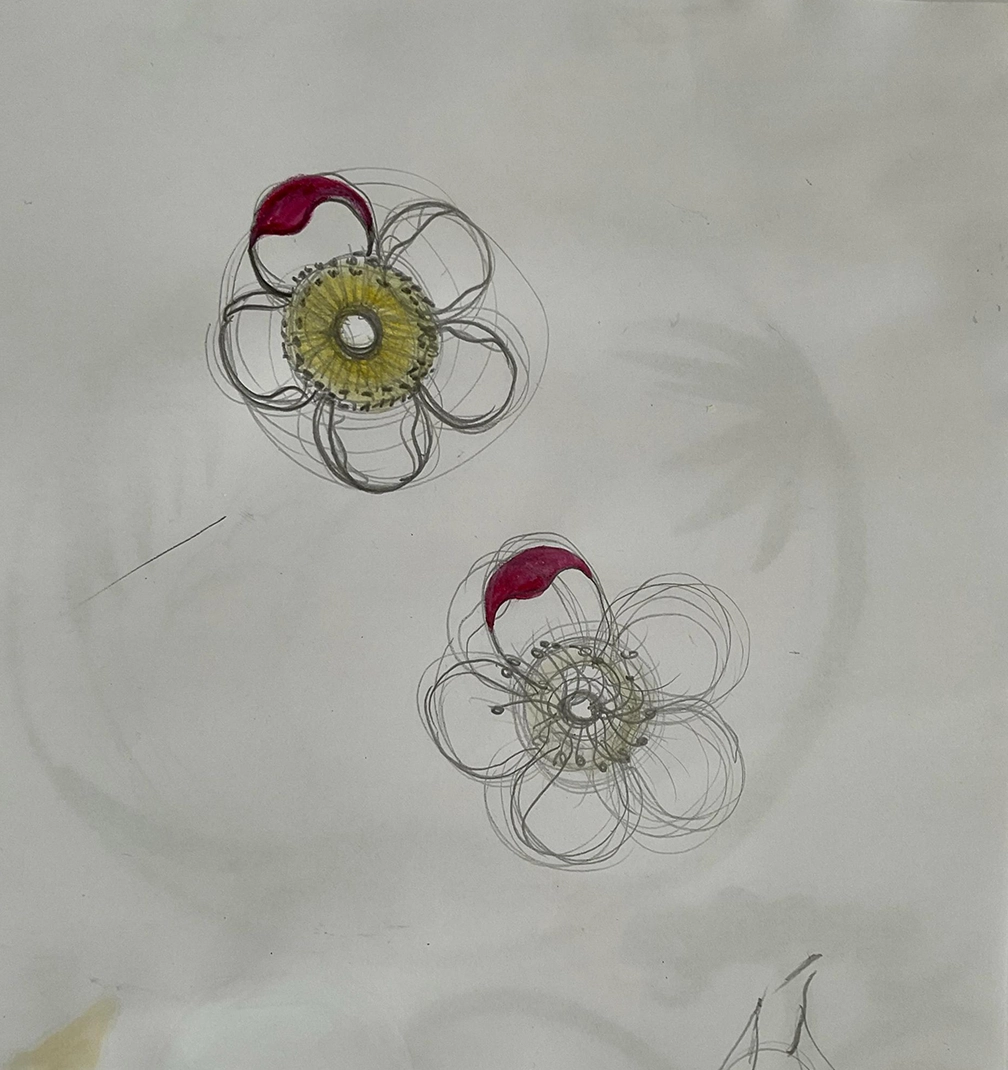
Its flowers are delicate and understated, with white petals surrounding a cluster of golden stamens. They are easy to miss if you are not paying attention.
Traditionally, parts of the tree have been used to treat fevers and inflammation, while its timber is valued for its strength and durability. Symbolically, the tree represents endurance, resilience, and quiet strength. If there is a plant in this collection that captures the spirit of Penang Hill itself, this is probably it.
The final motif was not a flower at all, but the palm trees that framed almost every view. Their silhouettes appeared repeatedly in my sketchbooks, often without me even realising it. Palm trees have long symbolised abundance, hospitality, freedom, and tropical life. More than anything, they became the backdrop against which all the other botanical stories unfolded.
What fascinated me was not the flowers themselves, but their journeys. Some travelled from Africa. Some came from the Americas. Some have been part of Penang’s landscape for centuries. Together, they tell a story about migration, adaptation, and survival.
The drawings you see in Aloha by Nala began as sketches made during those two days on Penang Hill in February 2025. Over the following eighteen months, they slowly evolved into prints. Every flower, leaf, branch, wave, and palm frond was drawn by hand.
What I thought would be a short escape from work became a collection. More importantly, it reminded me that sometimes the best ideas are not found in trend reports or on Pinterest. Sometimes they are growing quietly beside a walking path, waiting for someone to stop, pay attention, and draw them.