
SUBSCRIBE

LOGIN

NALA HAPPY TIMES

DESIGN

CULTURE

TASTE

TRAVEL

FOOD

THURSDAY SHOWS

UNAGI CLUB

NALA’S SHOP

DESIGN

CULTURE

TASTE

TRAVEL

FOOD

THURSDAY SHOWS

UNAGI CLUB

ARCHIVES

CONTRIBUTORS

DISCOVER

Nala’s Instagram

Nala’s Facebook

Nala’s LinkedIn

Lisetts’s LinkedIn

Nala’s Tiktok

Nala’s Youtube

OUR BRAND

About us

Nala’s locations

FAQs

Customer service

Careers

Manifesto

HIGHLIGHT

Latest issue on 7 Sept 2025. Update every Saturday.

Thursday Show
Kimono. The Standard I Measure Myself Against.

Kimono. The Standard I Measure Myself Against.

5 min read

Kimono. The Standard I Measure Myself Against.

There are books that inspire you, and then there are books that quietly raise the bar so high that you have no choice but to grow.

LISETTE

SHARE

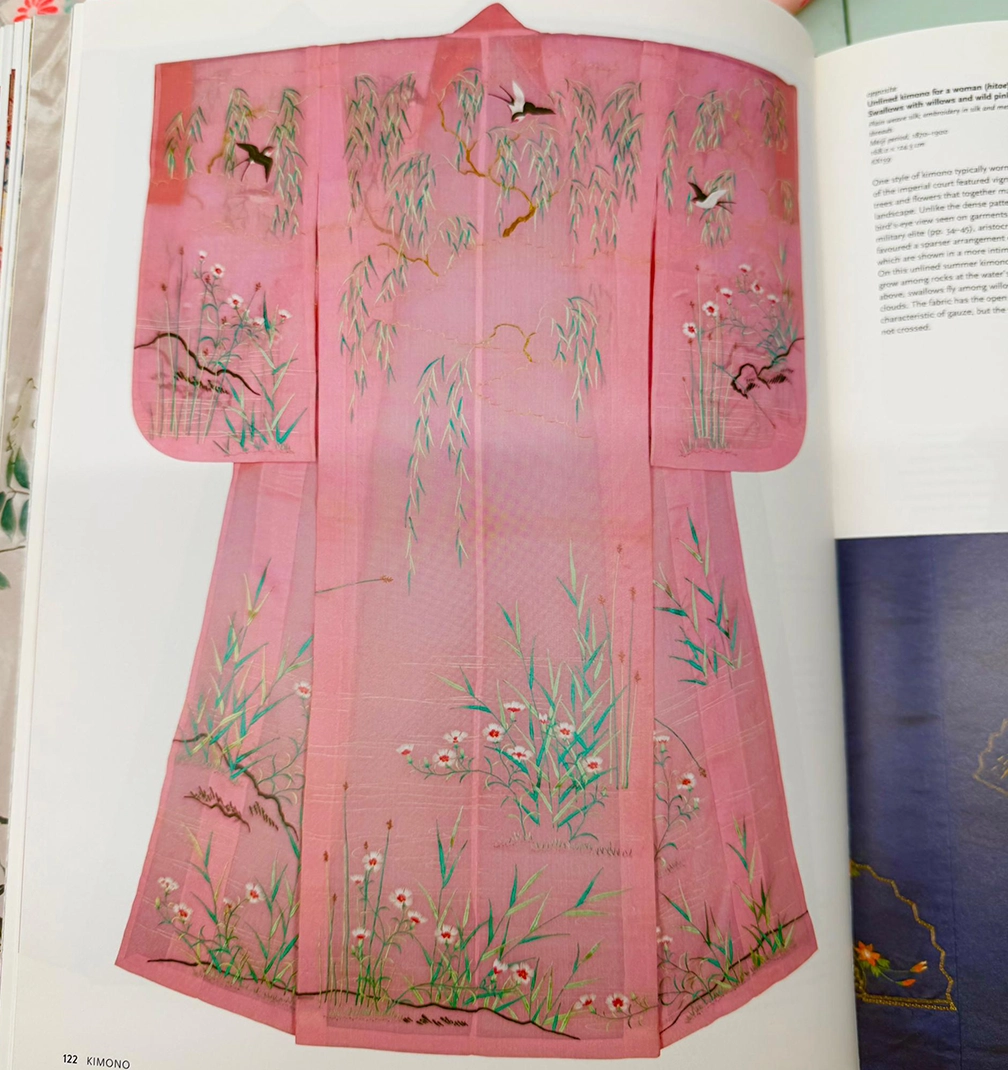
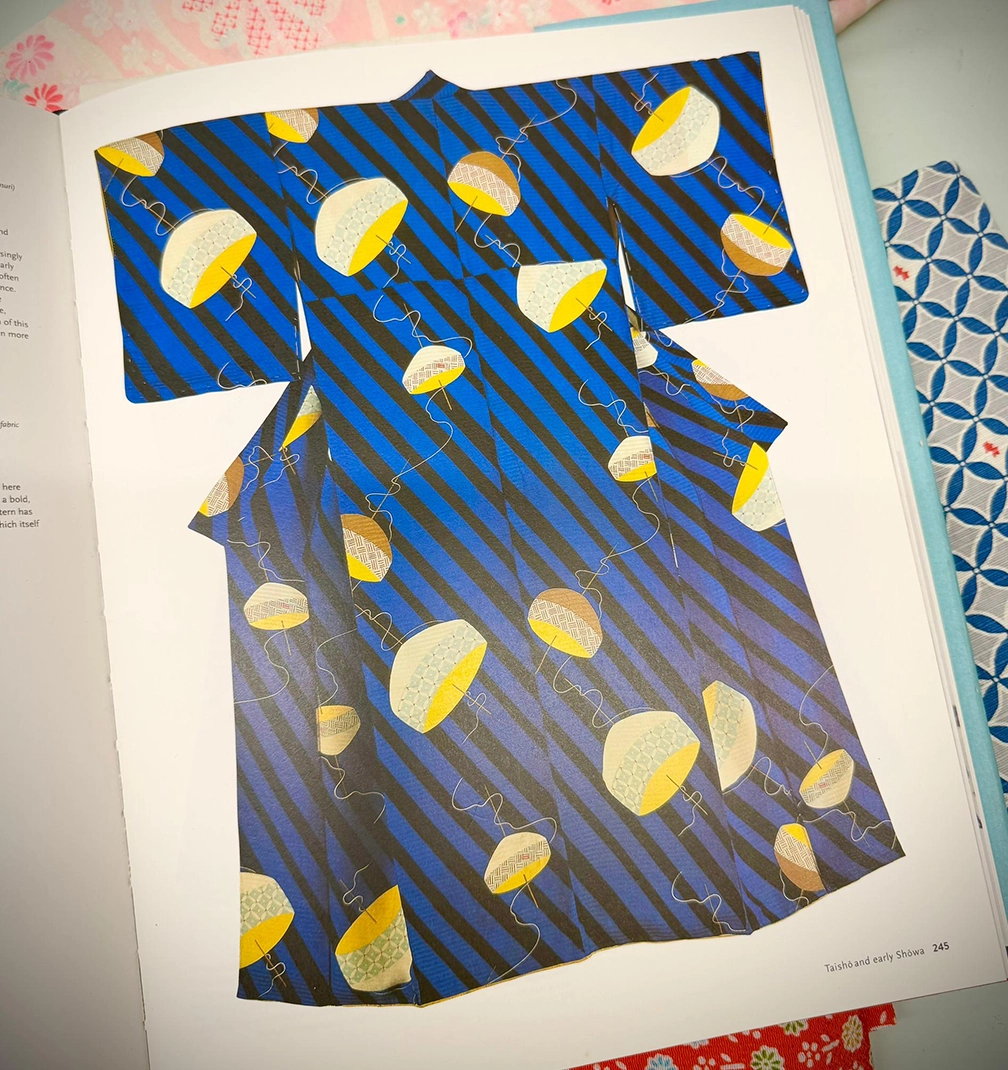
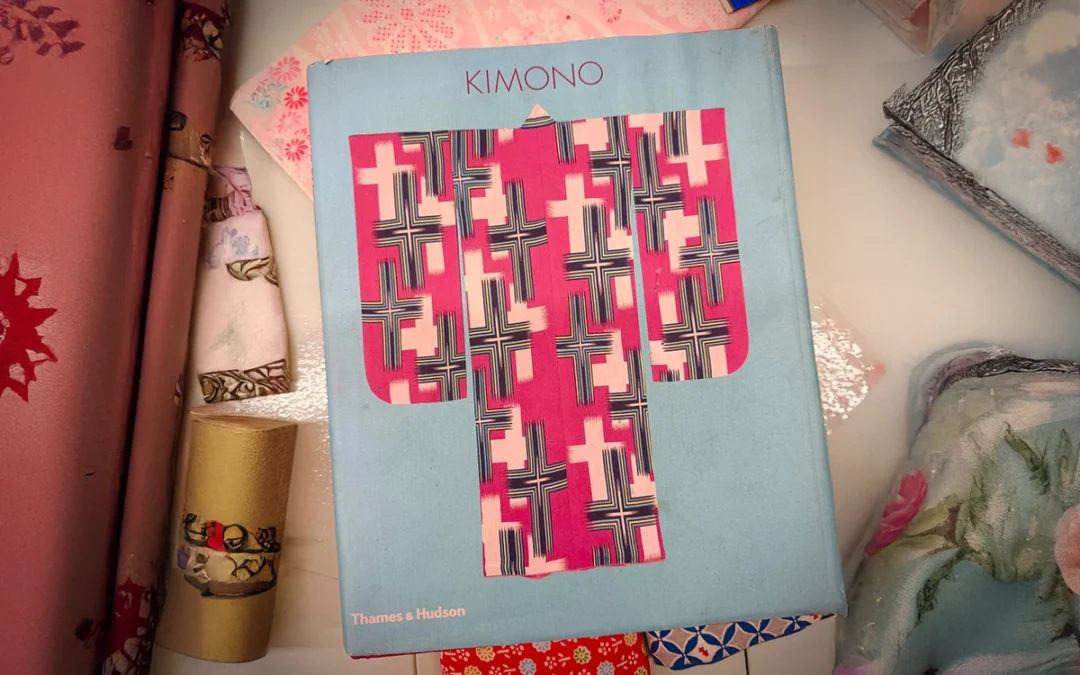
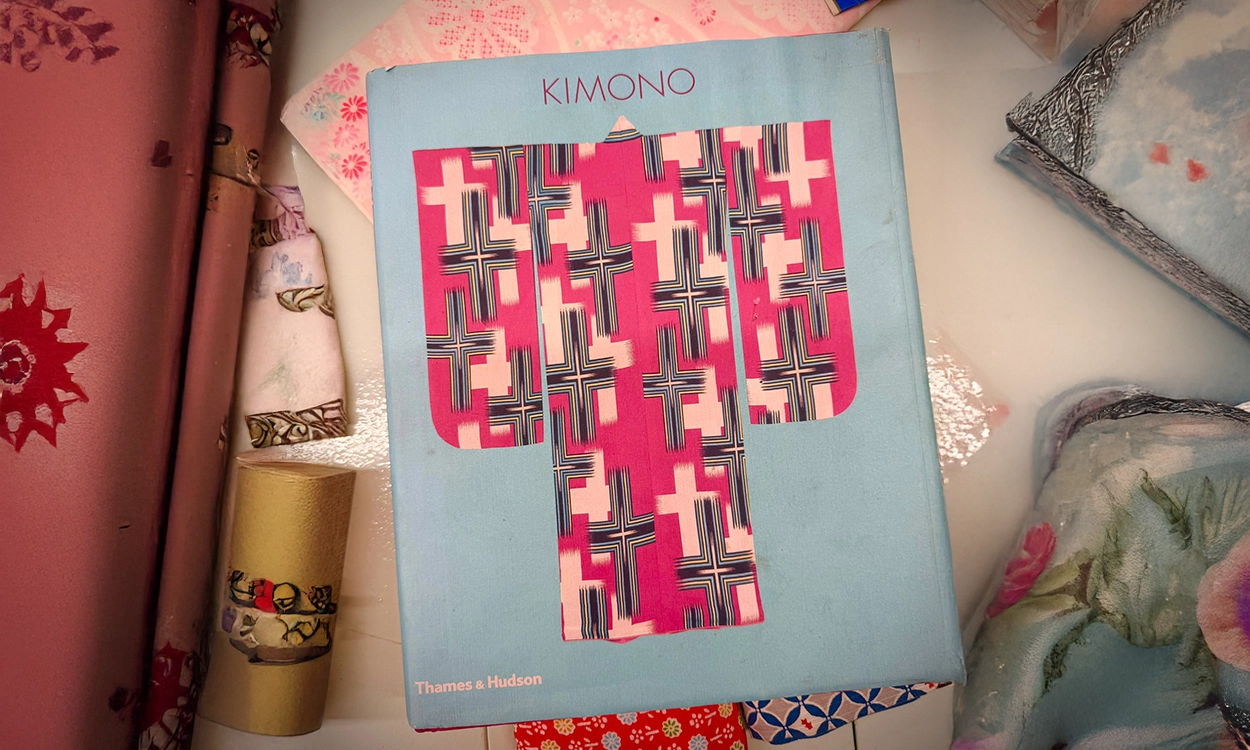
For me, Kimono: The Art and Evolution of Japanese Fashion is that book.

Published by Thames & Hudson and edited by Anna Jackson, it draws largely from the extraordinary holdings of the Khalili Collections. These collections were assembled by Sir David Khalili, a British Iranian scholar and collector who dedicated decades to preserving some of the world’s most important art. His Japanese art collection is considered one of the most comprehensive in private hands, and what moves me is the seriousness behind it. This was not decorative collecting. It was systematic, academic, and deeply intentional, a lifetime devoted to safeguarding beauty.

That depth is felt in every page of this book.
The skirt that thinks it is a painting.

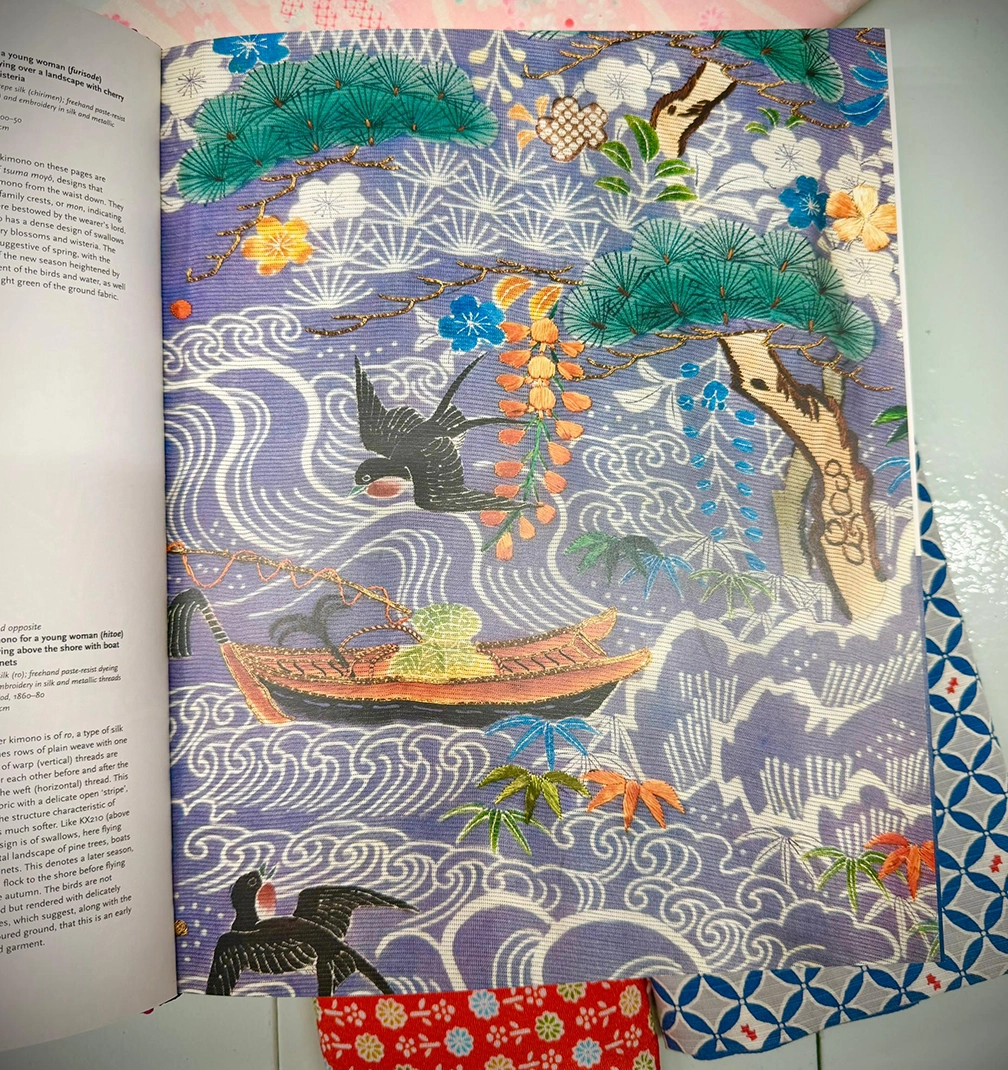
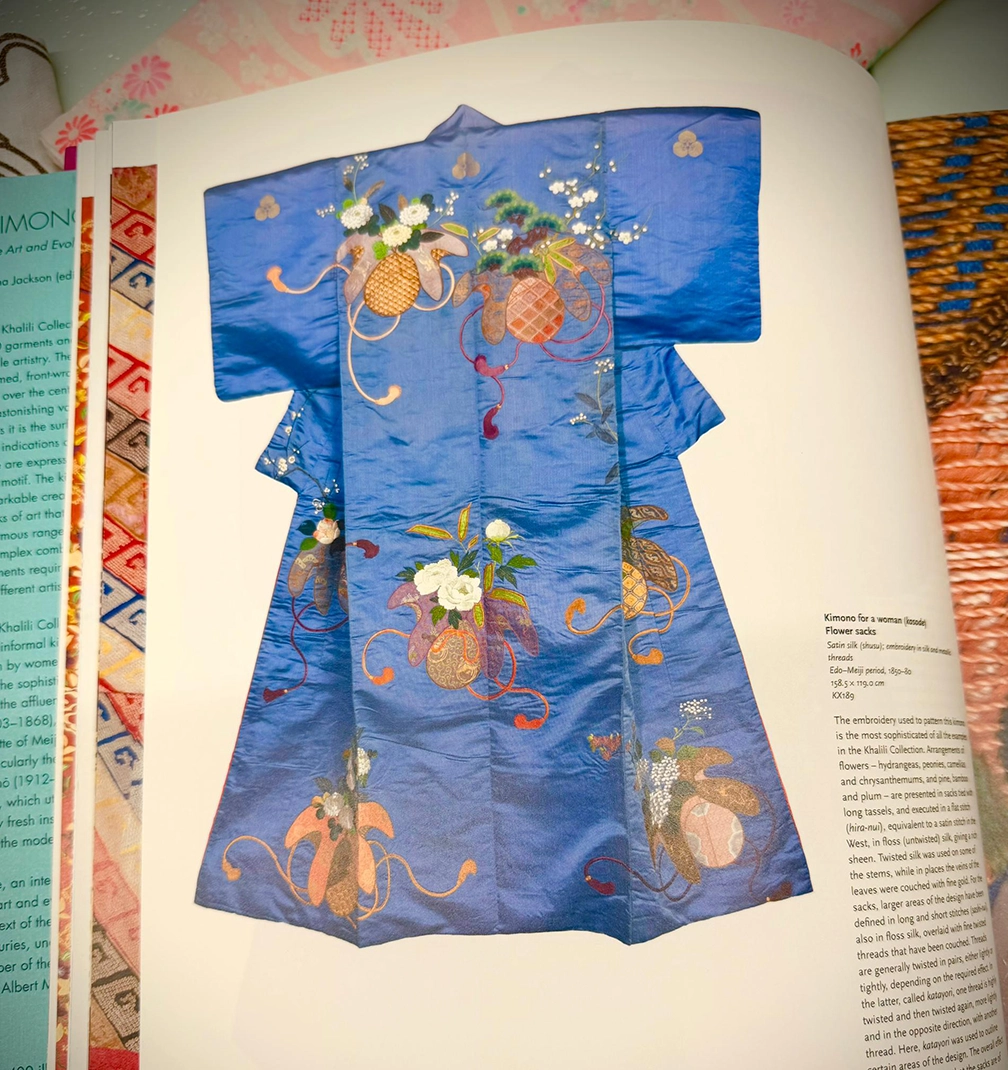
Each kimono is not simply a garment but an engineered composition. It is mathematics, poetry, architecture and discipline translated into silk. The placement of motifs is so intelligent that it almost feels unfair. Entire landscapes unfold only when the sleeve falls in a certain way, and blossoms travel across seams with such confidence that the garment becomes a moving canvas. The negative space breathes as deliberately as the most intricate embroidery.

As someone who is completely obsessed with patterns, I turn these pages and experience that very honest designer moment of thinking that I wish I had drawn this myself. What strikes me again and again is the restraint. The ability to know when to stop. The courage to leave space untouched. Every composition feels inevitable rather than applied, as if it could never have been arranged differently.

At the same time, I feel a genuine sadness when I see antique kimonos cut apart and turned into smaller objects. I understand the argument for reuse and sustainability, but to me a kimono is a complete artwork. It was conceived as a whole, with the silhouette, the drape and the narrative across the body all working together. To separate it feels like cutting a painting into fragments. These pieces carry history in their seams, and they deserve to remain intact.

This book reinforces my belief that true design has dignity and that tradition can evolve without losing its integrity. Whenever I doubt myself as a designer, I open it again, and in doing so I am reminded why I care so deeply about placement, proportion and storytelling through print. It both humbles and energises me, because it shows me what is possible while gently insisting that I aim higher.

More than anything, it makes me dream of Japan, not as a place to visit casually but as a place to study seriously. I imagine dye vats, textile ateliers and artisans who understand colour the way musicians understand sound. I want to learn how they balance boldness with restraint and how they allow a motif to breathe within such a strict structure.

This is not simply one of the most beautiful books I own. It is the standard I measure myself against.
The skirt that thinks it is a painting.
It’s a Great World

It’s a Great World

5 min read

It’s a Great World

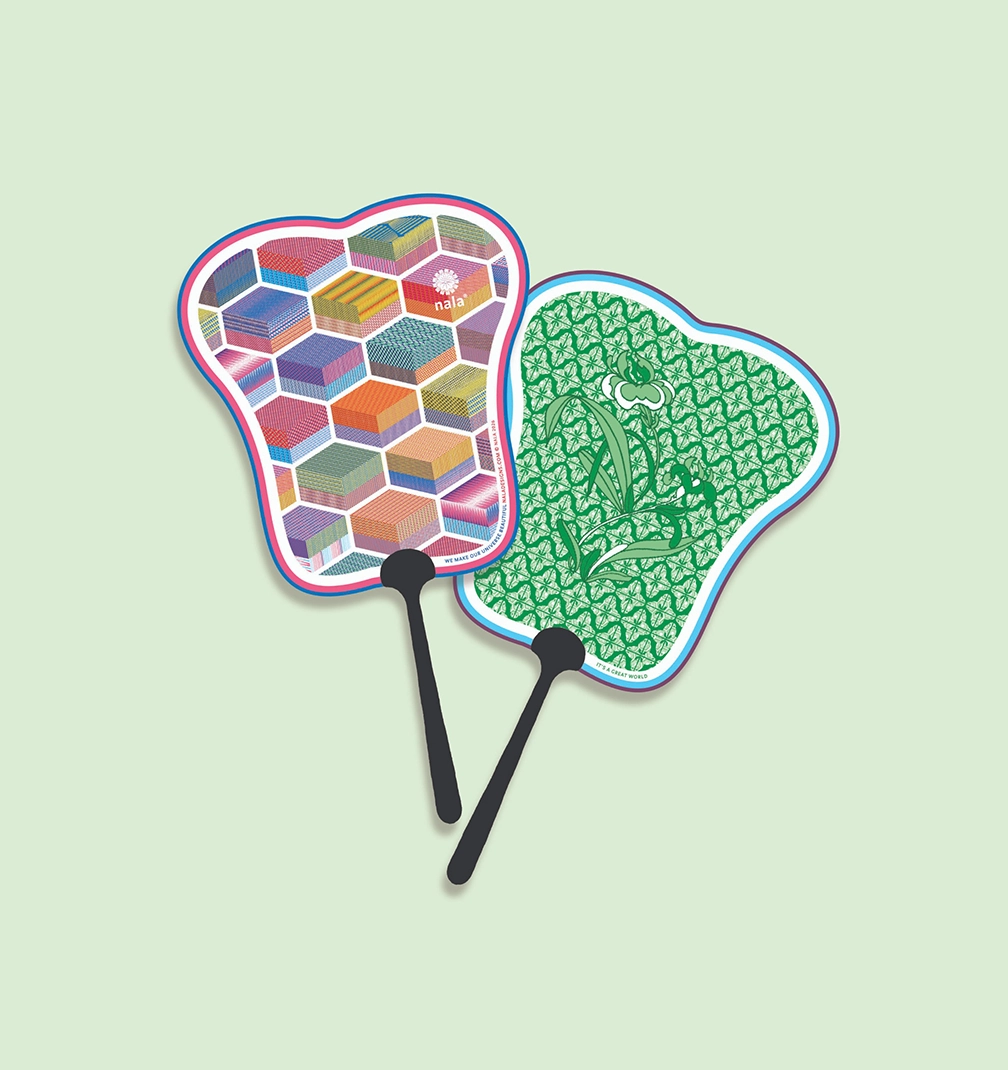
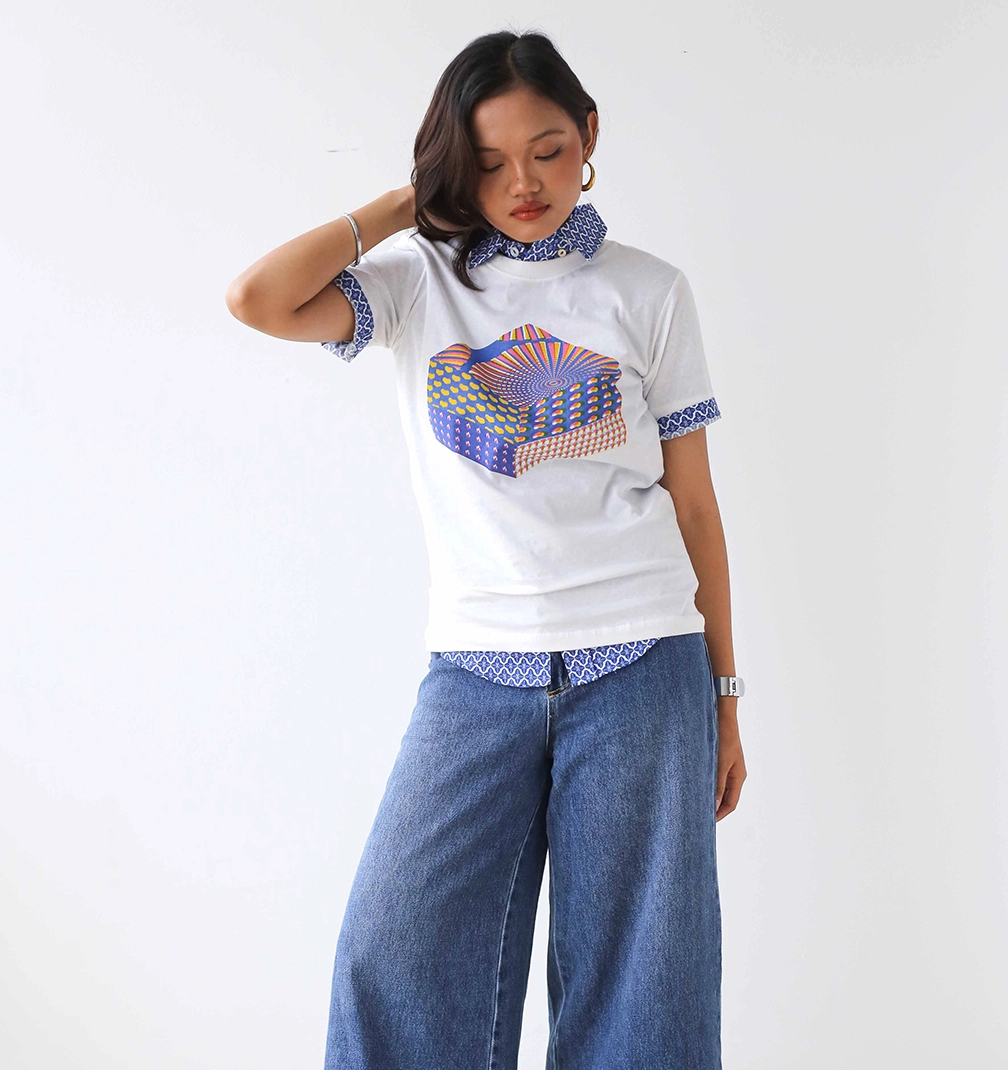
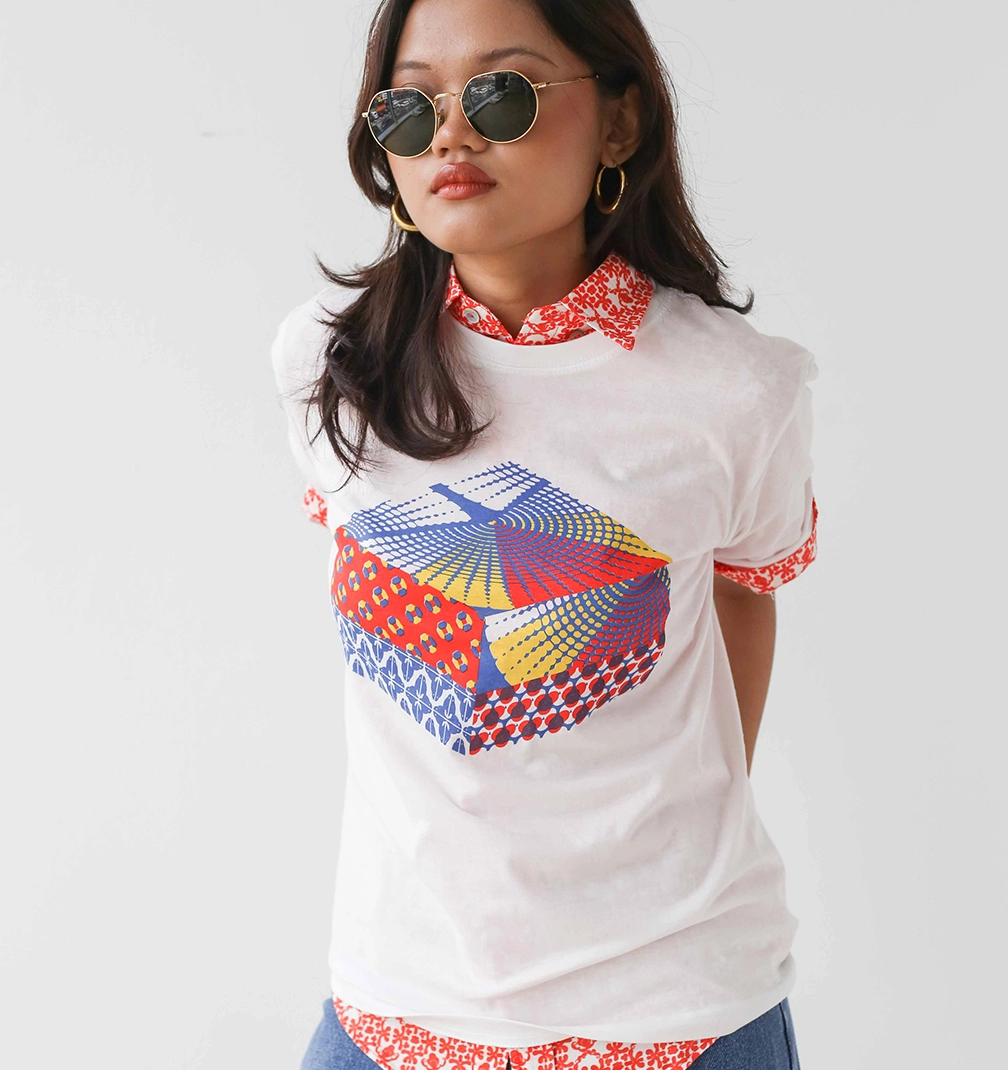
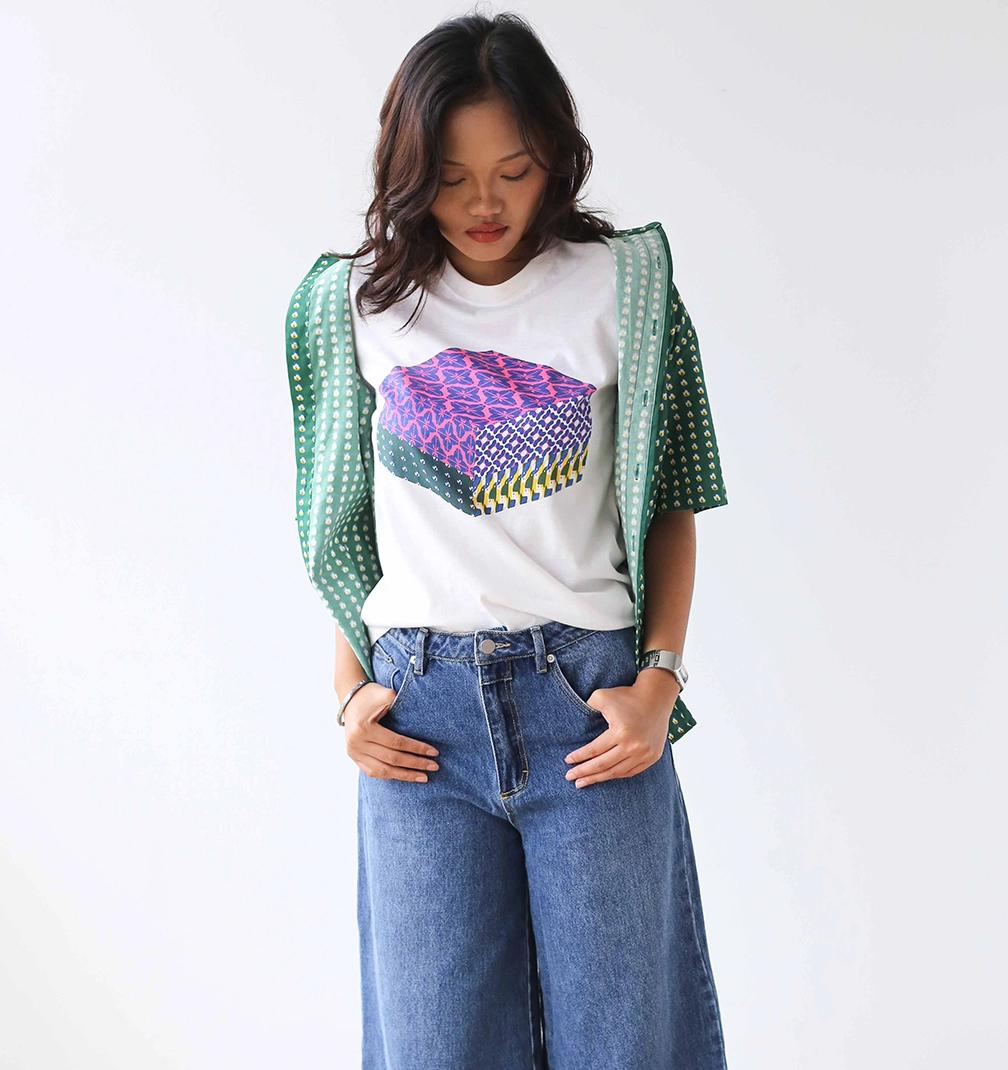
On 3 March at 10 a.m., when we open at Great World, we are not only launching new scarves. We are introducing a complete printed series that reflects how far we have come.

LISETTE

SHARE

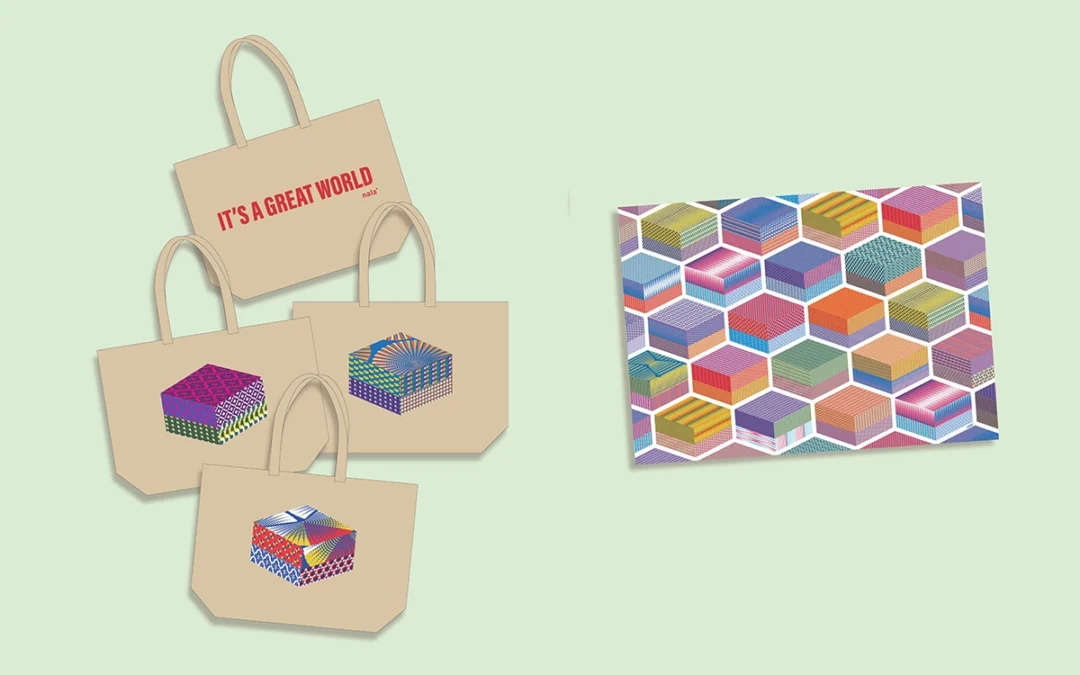
For this address, we created something special. A new bag with the line printed boldly on the back: It’s a Great World.

I love that sentence. It feels optimistic and confident. We have our Tanglin bag. We have our Orchard bag for TANGS. And now we have Great World. Each one marks a chapter in Singapore. Each one carries a memory of where we stood and what we built there.

This launch also includes sixteen silkscreened T shirts. Each piece is hand printed using traditional silkscreen techniques. Because of the way we layered the screens, the overlays are beautiful. The colours hold differently, and you can see and feel the layers in the print. They are bold, graphic, and strong.

The art pieces are available as well. For us, prints are not just garments. They are ideas that can live on walls, on paper, and in daily life.

The skirt that thinks it is a painting.

We have also designed custom wrapping paper and special Great World bags for this opening. This is our next step into a world where everything is handmade, rooted in local heritage, and backed by a story.

Singapore is deeply personal to me. I was born there, and I genuinely love being there. Over the years, it has changed my life in ways I did not expect. It has allowed me to keep my family and friends in Malaysia close, while also growing a new circle of family and friends in Singapore.

There is something about being born in a place. I believe that wherever you are born, a part of you remains rooted in that soil. I cannot fully explain it, but I do feel at home in Singapore. There is familiarity. There is comfort. There is belonging.

And interestingly, loving Singapore has made me love Malaysia even more. It has given me perspective and deepened my gratitude. I feel incredibly fortunate to have two homes, two communities, two places that shape who I am and how NALA grows.

To celebrate this opening, the first 50 customers who spend 250 dollars and above will receive a complimentary Great World bag.

3 March
10 a.m.
Great World, Singapore

It truly is a great world. We look forward to welcoming you.

The skirt that thinks it is a painting.
Singapore: A Third Chapter

Singapore: A Third Chapter

5 min read

Singapore: A Third Chapter

We are very happy to share that NALA is launching at Great World in Singapore.

LISETTE

SHARE

We are already present at Tanglin and at TANGS. This new address strengthens our presence in the city and allows us to explore a different rhythm and audience. The space will run for three months, during which we will introduce new work and continue shaping NALA’s Singapore story with focus and intention.

The skirt that thinks it is a painting.

To mark the opening, we are launching two new square scarves.

The first is the Firecracker Kuih scarf.

Kuih is an iconic Peranakan dessert loved across Singapore and Malaysia. Its sculptural form is instantly recognisable. For us, it becomes more than a cultural reference. It becomes a framework. The print is built around the elements we believe are essential for success: love, represented by a heart; grounding and substance, represented by a bean; precision and decisiveness, represented by a sharp blade; light; energy; courage. Each symbol reflects qualities required to build something meaningful and enduring.

This scarf will also be accompanied by a corresponding art piece, reinforcing our belief that our prints sit within a broader design philosophy.

The second launch is a square scarf inspired by Georgia O’Keeffe and our dandelion logo. The dandelion has always symbolised resilience within NALA. O’Keeffe’s work reminds us of strength through clarity and scale. This scarf brings those ideas together, balancing delicacy with presence.

Both scarves reflect where we are as a brand today. Structured. Intentional. Confident in our voice.

We would be delighted to welcome you.

3 March
10 a.m.
Great World, Singapore

We continue to design our universe carefully, one space and one print at a time.

Vol.12 大切なものを運ぶ小さな袋

Vol.12 大切なものを運ぶ小さな袋

5 min read

Vol.12 大切なものを運ぶ小さな袋

これを読んでいる方なら、

Nala Designsが、これまで数えきれないほど日本からのインスピレーションを受けてものづくりをしてきたことは、きっとご存知だと思います。

今回の新作発表を聞いたときも、正直に思いました。

「……Ms.Lisette、またやってくれたな」と。 そんな新しい、そして日本から大きくインスパイアされたこの商品のエピソードをご紹介します。

LISETTE

SHARE

彼女が選ぶモチーフ、素材、形。そこにはいつも、理由があります。

なんとなく、ではない。“可愛いから”だけでもない。

背景ごと、文化ごと、想いごと、選んでいる。

今回新しく数量限定で発表されたのは、

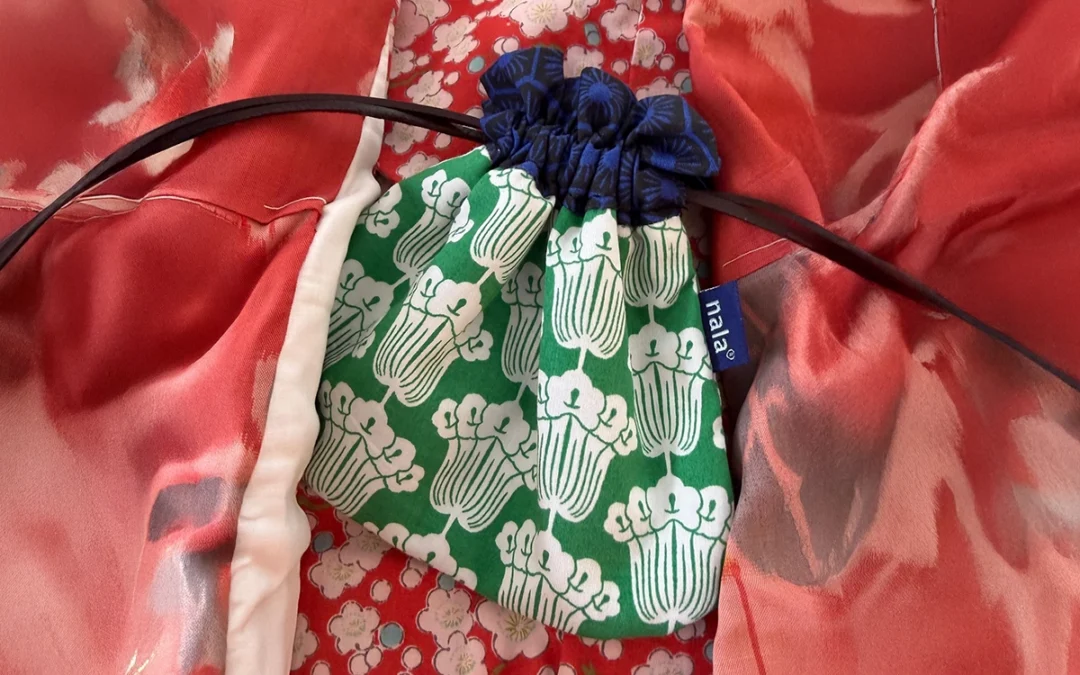
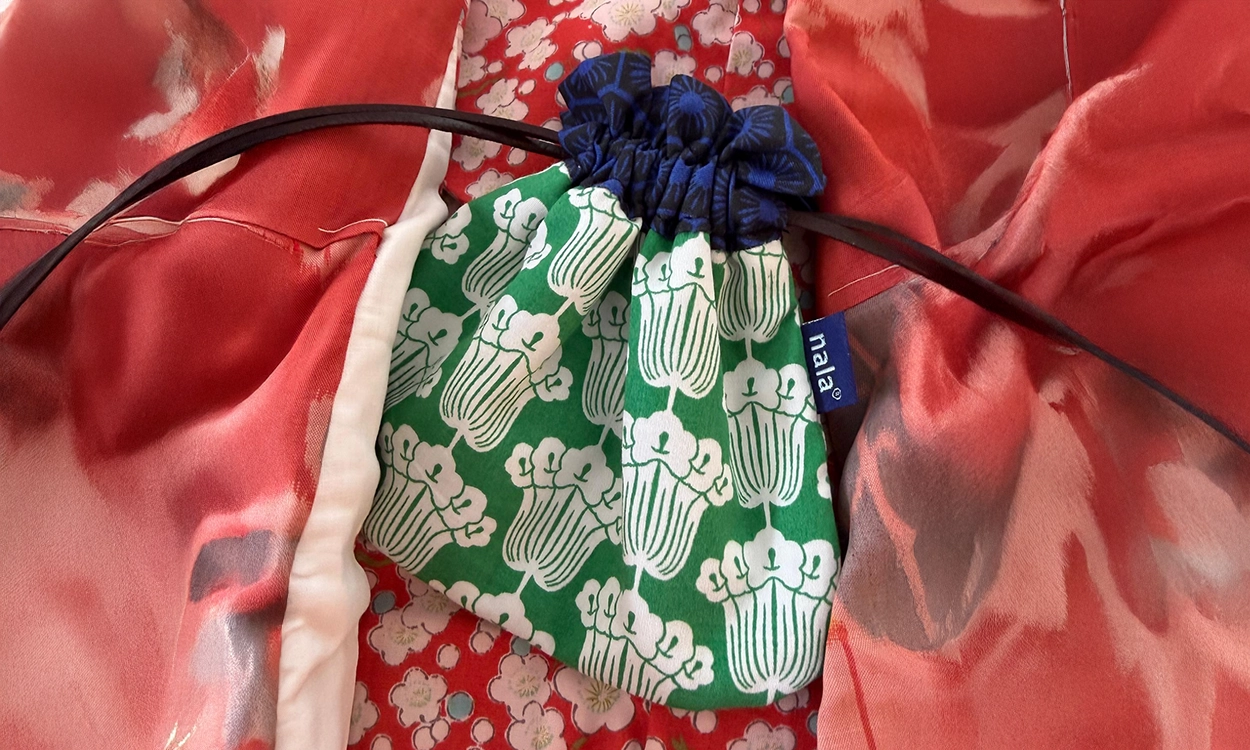
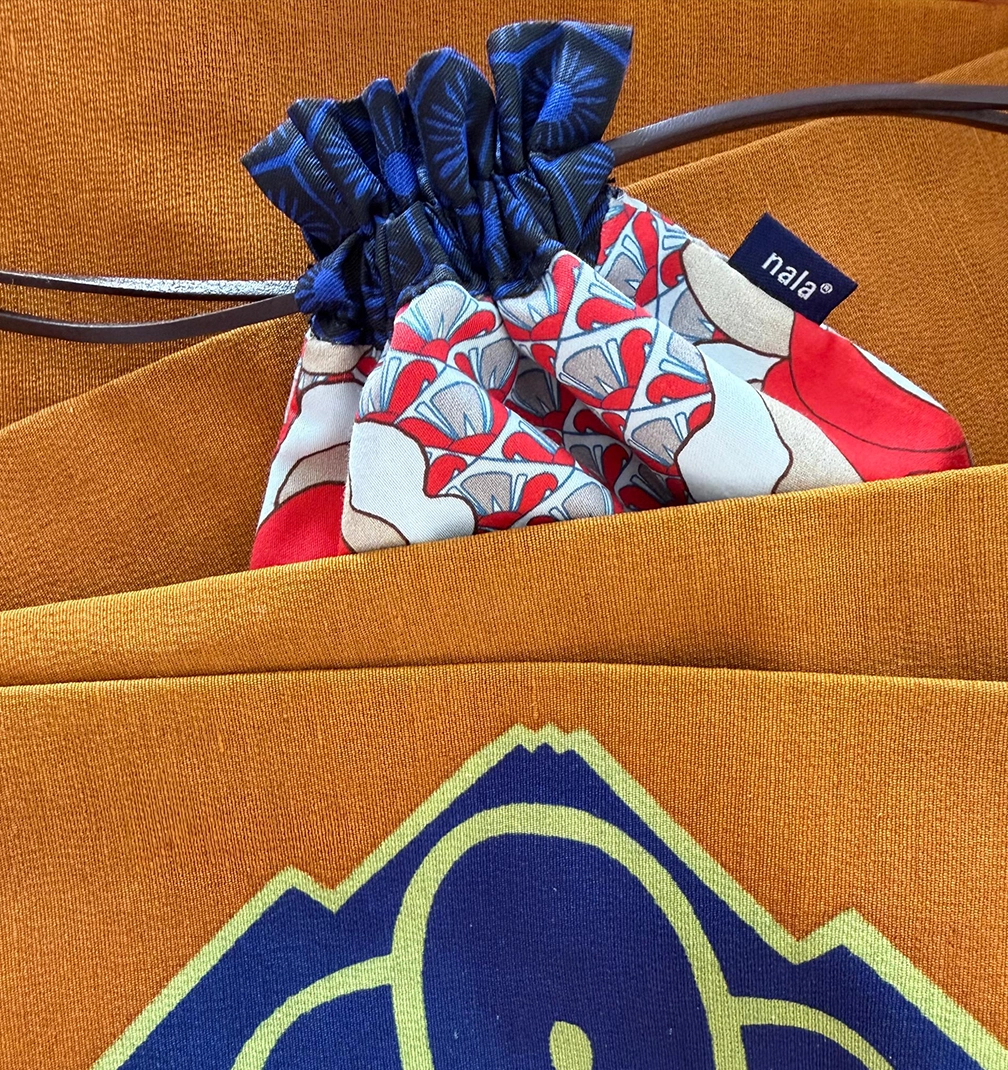
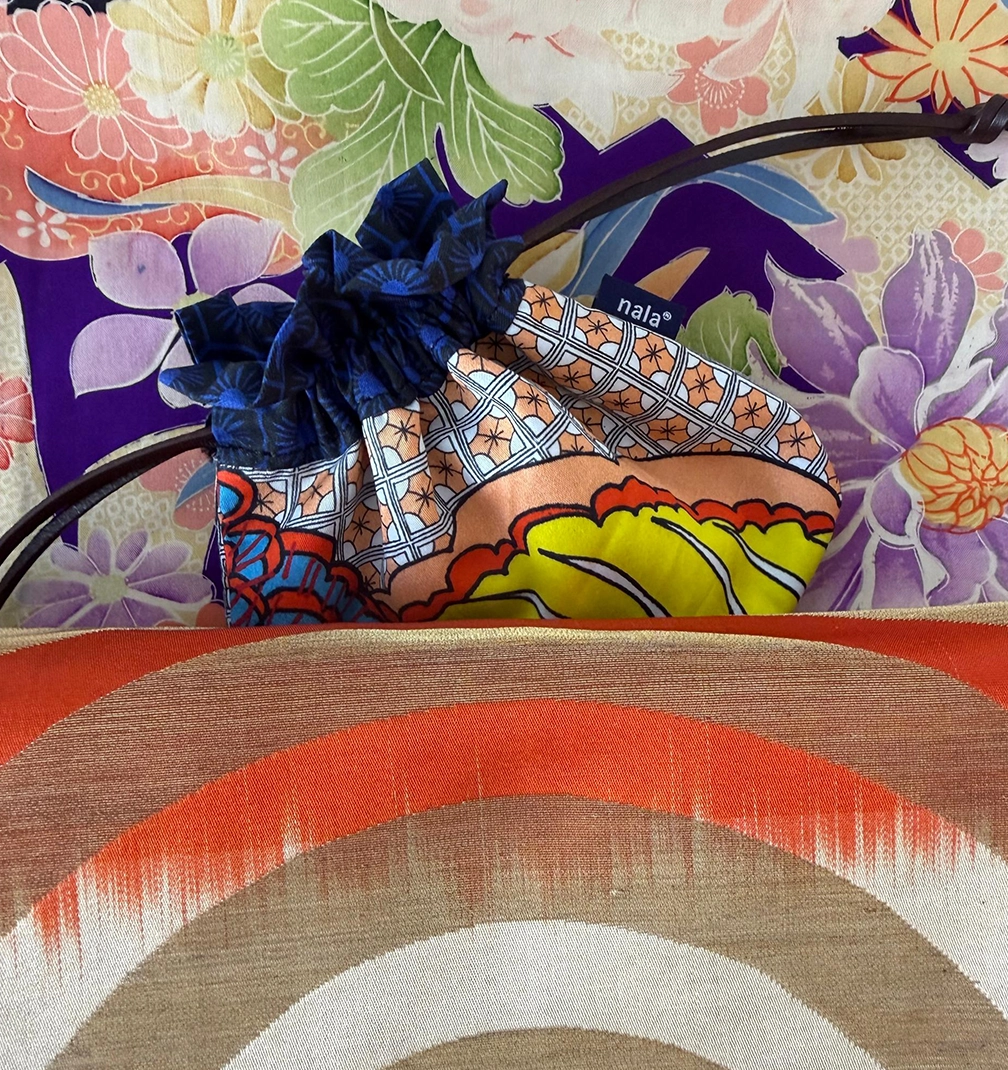
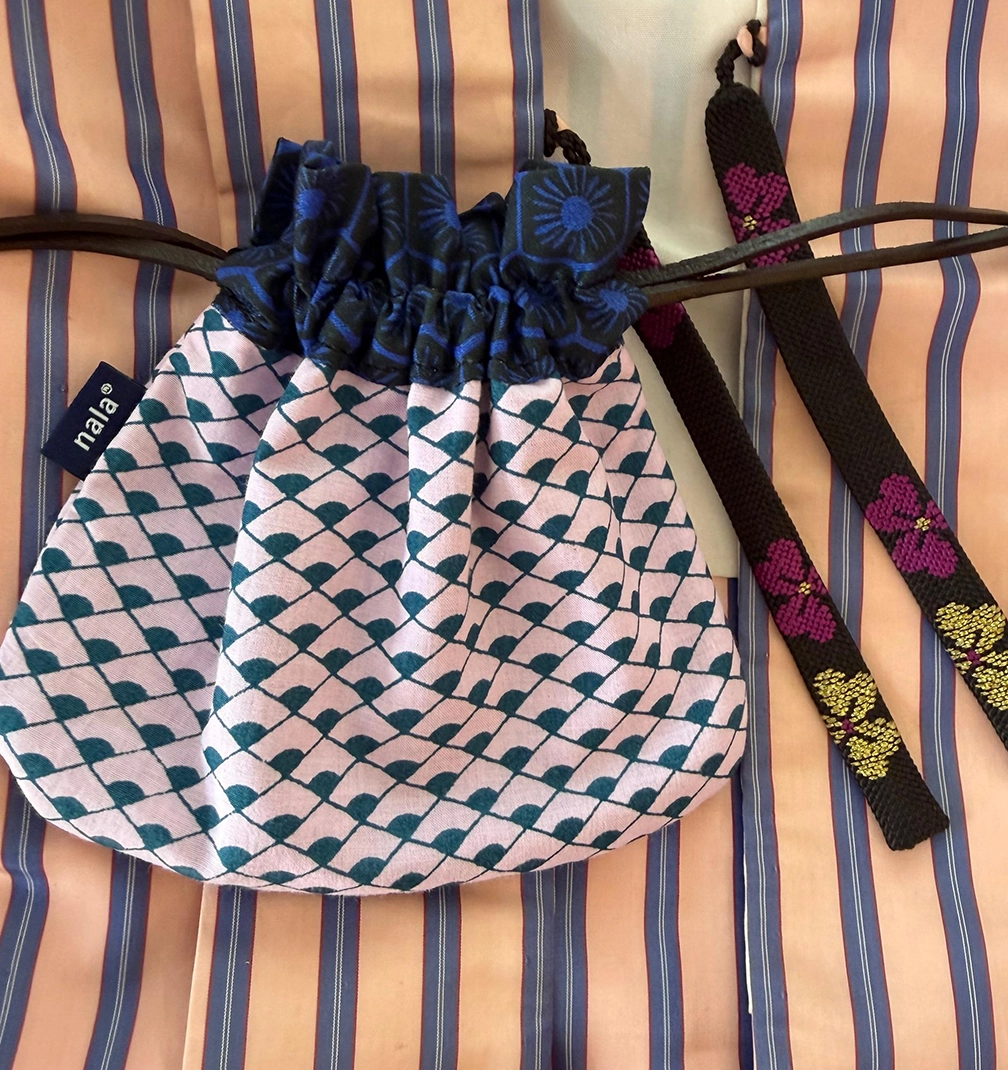
日本の巾着(Kinchaku)に着想を得たバッグです。巾着は江戸時代、着物とともに使われていた小さな袋。帯に結び、暮らしの中に自然に溶け込む存在。

The skirt that thinks it is a painting.

“持つ”というより、“添わせる”という感覚に近いものです。

Lisetteは、その巾着を本革とNalaのファブリックで再解釈しました。

中には、7〜8年もの間、倉庫で大切に保管されていた生地も。

「いつか、この生地にふさわしい形が見つかるまで」

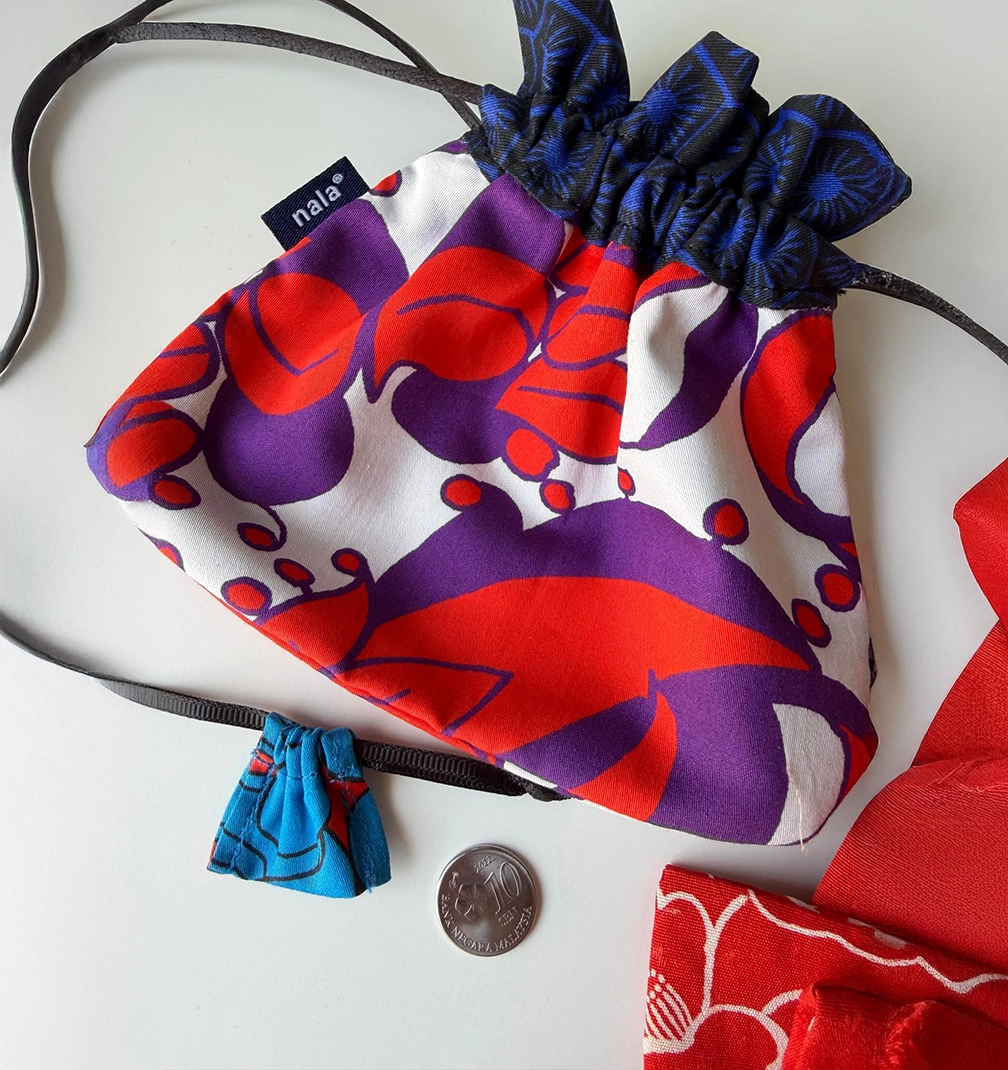
そうして待たせていた素材が、ようやく居場所を見つけたのです。 <kinchaku pic2>

そして、このバッグにはもうひとつの仕掛けがあります。

すべての巾着の中に、

小さなミニ巾着と、ひとつのコイン。 

昔、コインを贈ることは豊かさの始まりを意味していたそうです。

お金の流れを“スタートさせる”という、小さなおまじない。

形だけでなく、意味まで持たせる。それが、Lisetteらしいところ。

この巾着バッグは、日本へのリスペクトと、Nalaの美意識と、そして“贈る”という文化への想いが重なって生まれました。

小さな袋の中に、時間と物語と、ほんの少しの幸運を。

またひとつ、Lisetteと日本の物語が増えました。

これからもNala Designsと日本の素敵な関係を伝えていきます。

PS. このコラムももう12回!いつも読んでくださりありがとうございます。 こんなエピソード読んでみたい!ご意見募集中です。 ご意見 ご感想は、

The skirt that thinks it is a painting.
From Pelikat to Batik

From Pelikat to Batik

5 min read

From Pelikat to Batik

LISETTE

SHARE

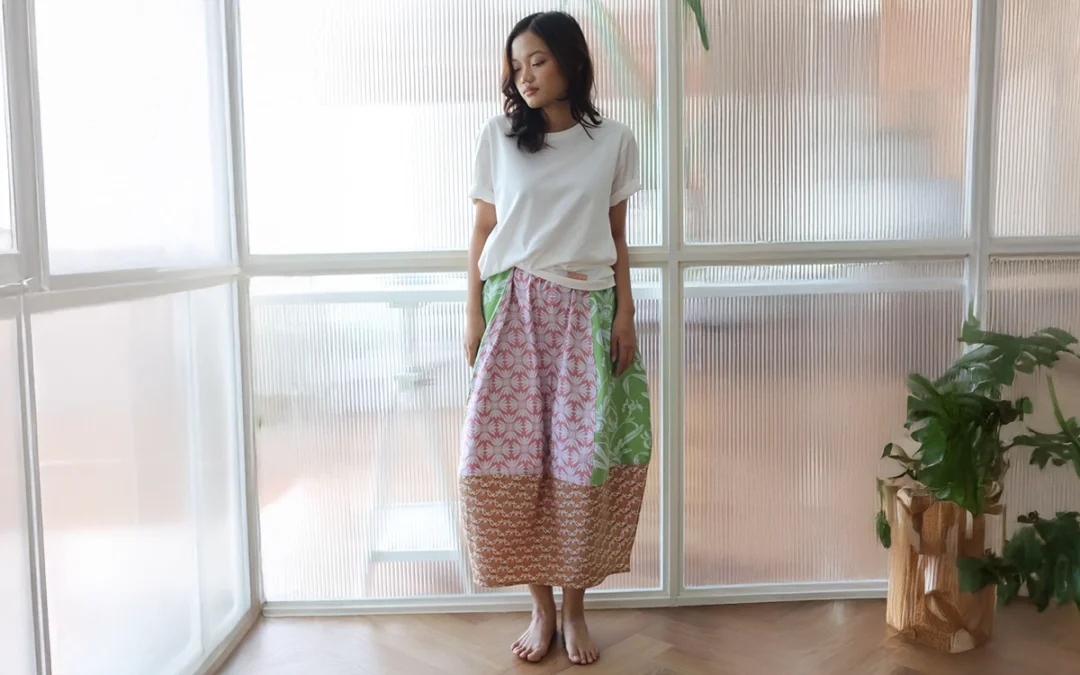
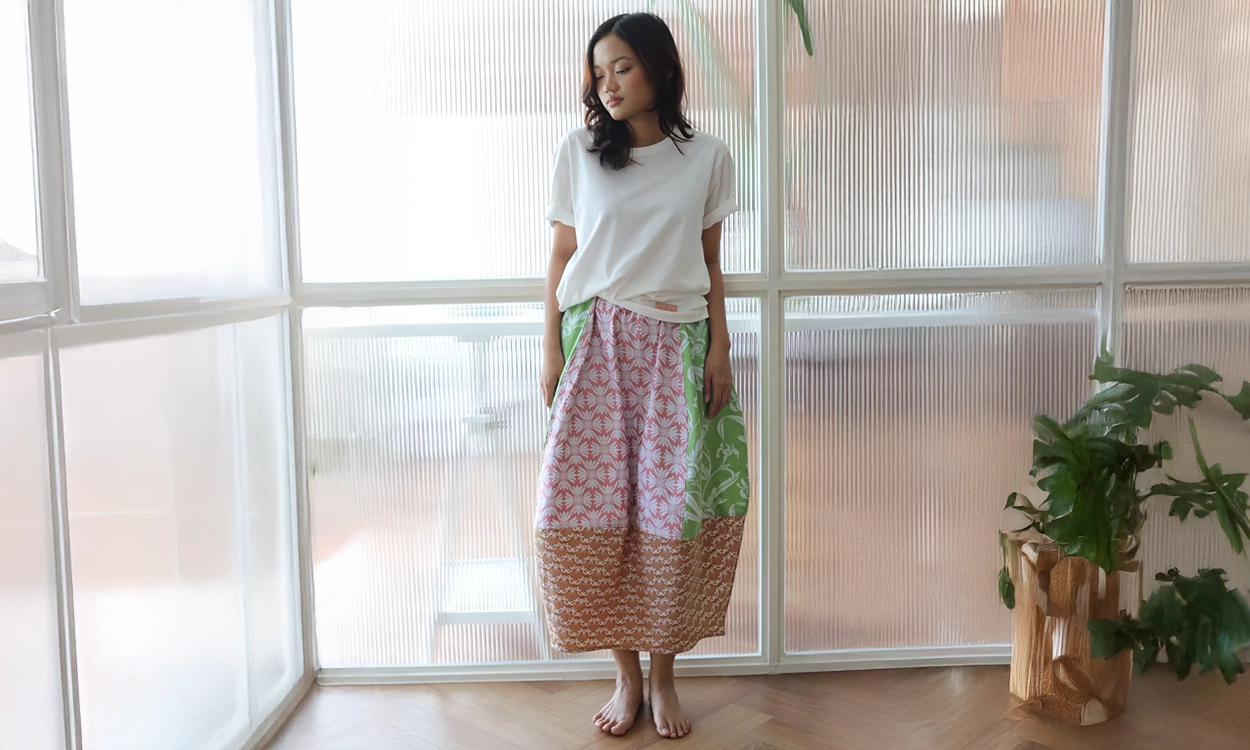
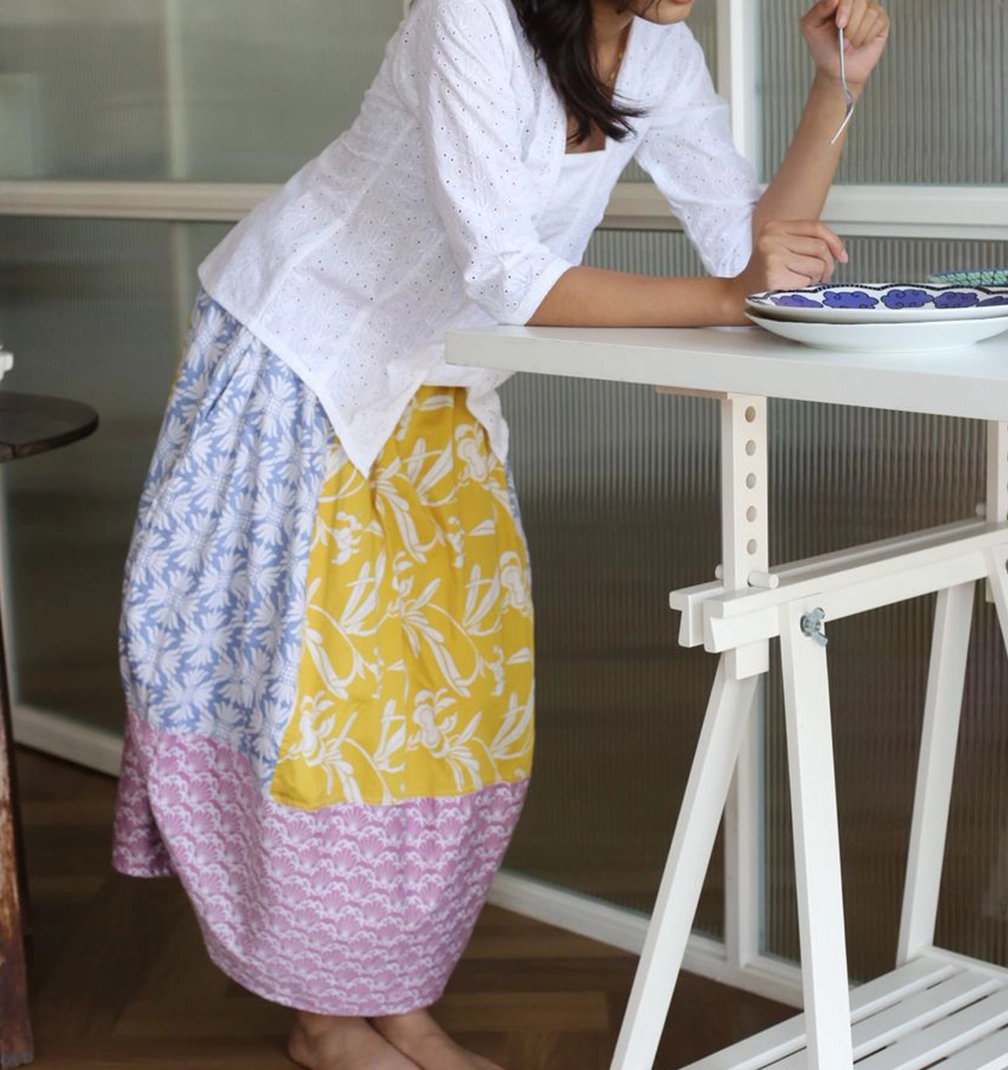
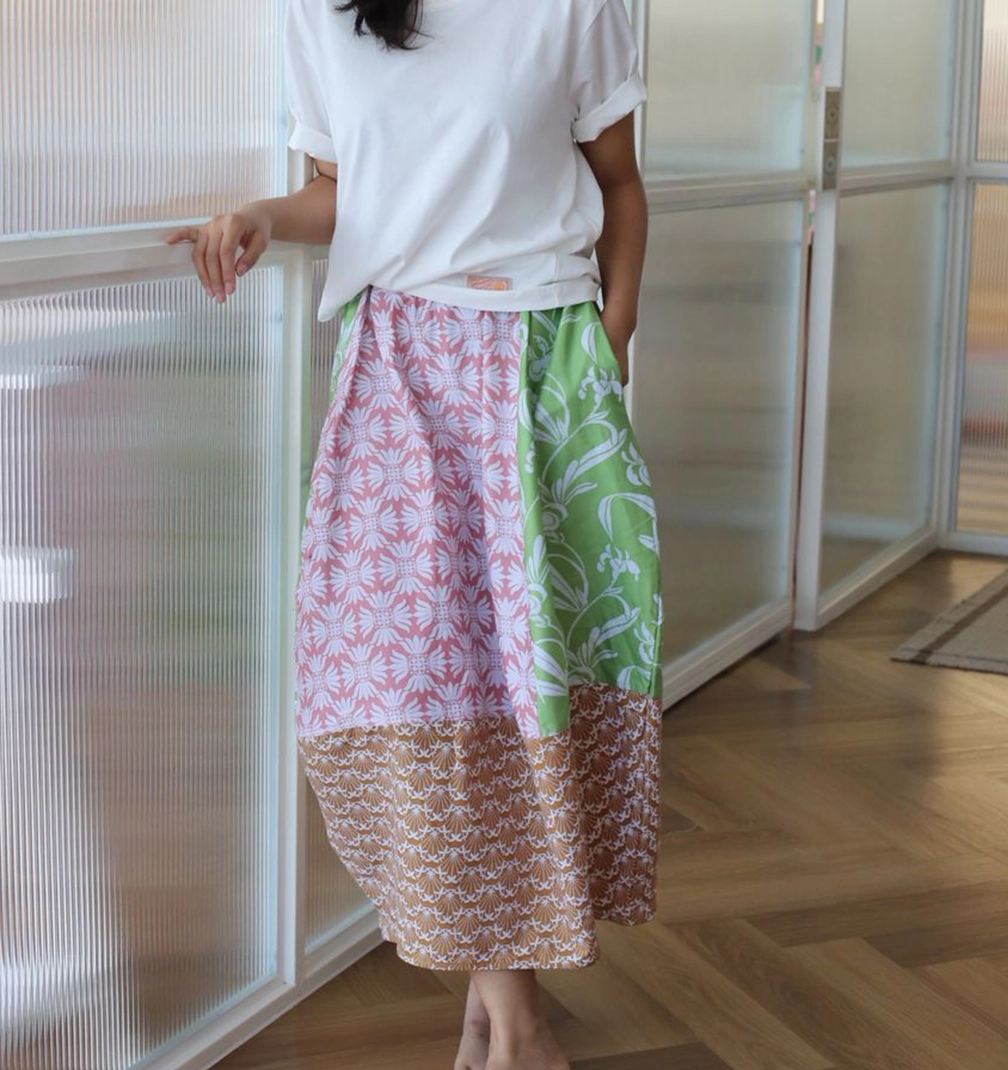
The Balloon Skirt will be available in all stores from this Saturday, including Singapore.

This silhouette began as our Pelikat skirt. It quickly became a favourite because of its volume, ease, and strength. Now it has evolved into batik, while remaining entirely Malaysian in spirit and production. It is 100 percent Malaysian and 100 percent made here. That is something I am very proud of.

This new version is crafted in batik on cotton satin. The fabric is soft with structure, comfortable yet polished. It holds its shape beautifully and moves well on the body. It is effortless to wear, whether styled casually or dressed up.

The skirt that thinks it is a painting.

The skirt comes in two colour versions, each with its own personality, but both rooted in the same heritage craft.

Each piece carries the individuality of handmade work. When it is finished, it is finished. We are not overproducing it. We are honouring the process.

For me, this is a quiet statement of Malaysian pride. A silhouette born from pelikat, reinterpreted in batik, and fully manufactured at home.