

SUBSCRIBE

LOGIN

NALA HAPPY TIMES

DESIGN

CULTURE

TASTE

TRAVEL

FOOD

THURSDAY SHOWS

UNAGI CLUB

NALA’S SHOP

DESIGN

CULTURE

TASTE

TRAVEL

FOOD

THURSDAY SHOWS

UNAGI CLUB

ARCHIVES

CONTRIBUTORS

DISCOVER

Nala’s Instagram

Nala’s Facebook

Nala’s LinkedIn

Lisetts’s LinkedIn

Nala’s Tiktok

Nala’s Youtube

OUR BRAND

About us

Nala’s locations

FAQs

Customer service

Careers

Manifesto

HIGHLIGHT

Latest issue on 7 Sept 2025. Update every Saturday.

Thursday Show
Plein Air, No Wi-Fi

Plein Air, No Wi-Fi

5 min read

Plein Air, No Wi-Fi

What I loved most about Impressionism is the idea of plein air.
Taking your paints outside. Standing in real light. Feeling the air, the greenery, the movement of the world around you. No screens. No shortcuts. Definitely no Wi-Fi. You carried your paints, your paper, and your patience. Light was not something you edited later. It was something you chased, usually while the clouds were doing whatever they pleased.

LISETTE

SHARE

What also stood out was how deliberately these artists worked against convention. Leaving the studio to paint outdoors went against academic tradition. Choosing everyday life, changing cities, and ordinary moments as subjects was a shift in how art related to the world. It was practical, observational, and at the time, quite unconventional.

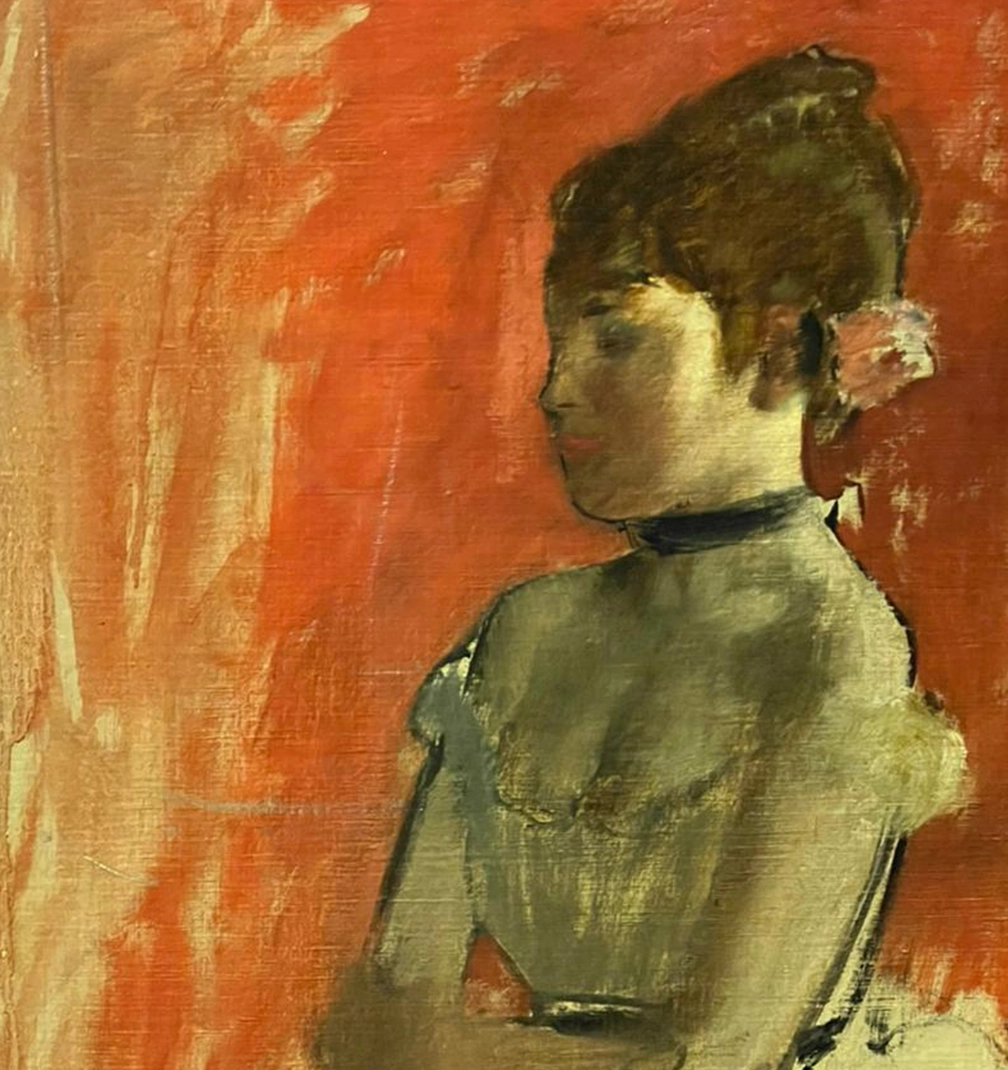
They also touch on how these artists criticised each other. Degas, for example, was teased for making paintings that looked almost unfinished. Too airy, too soft, too sketch-like. As if he was painting with cotton wool. Which, of course, is exactly what makes his work so interesting now.

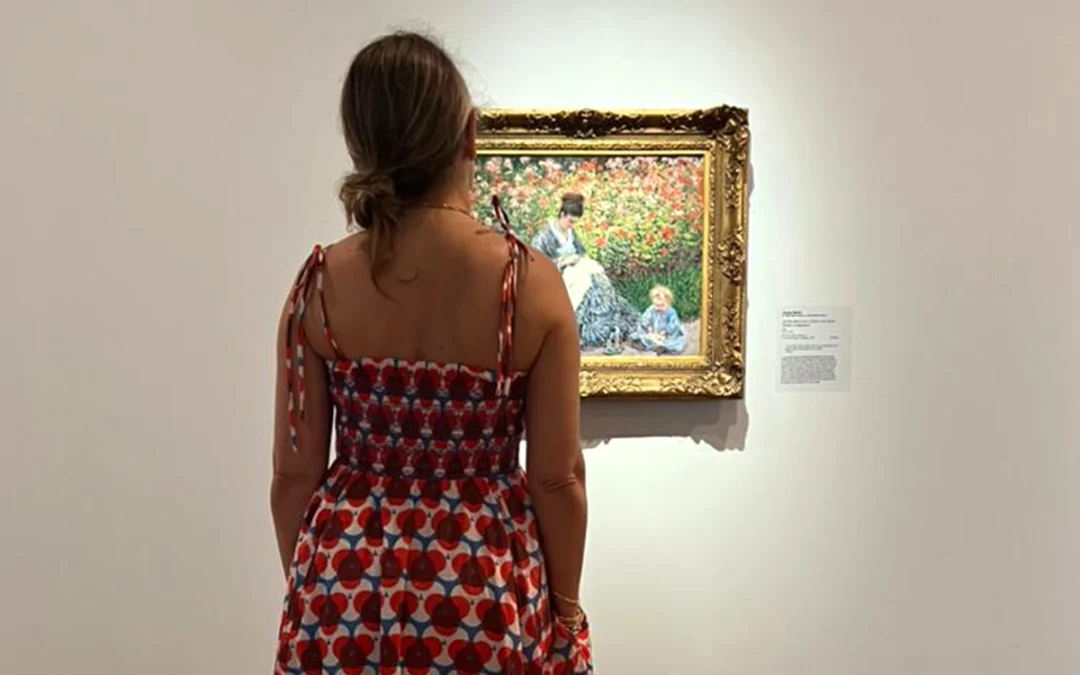
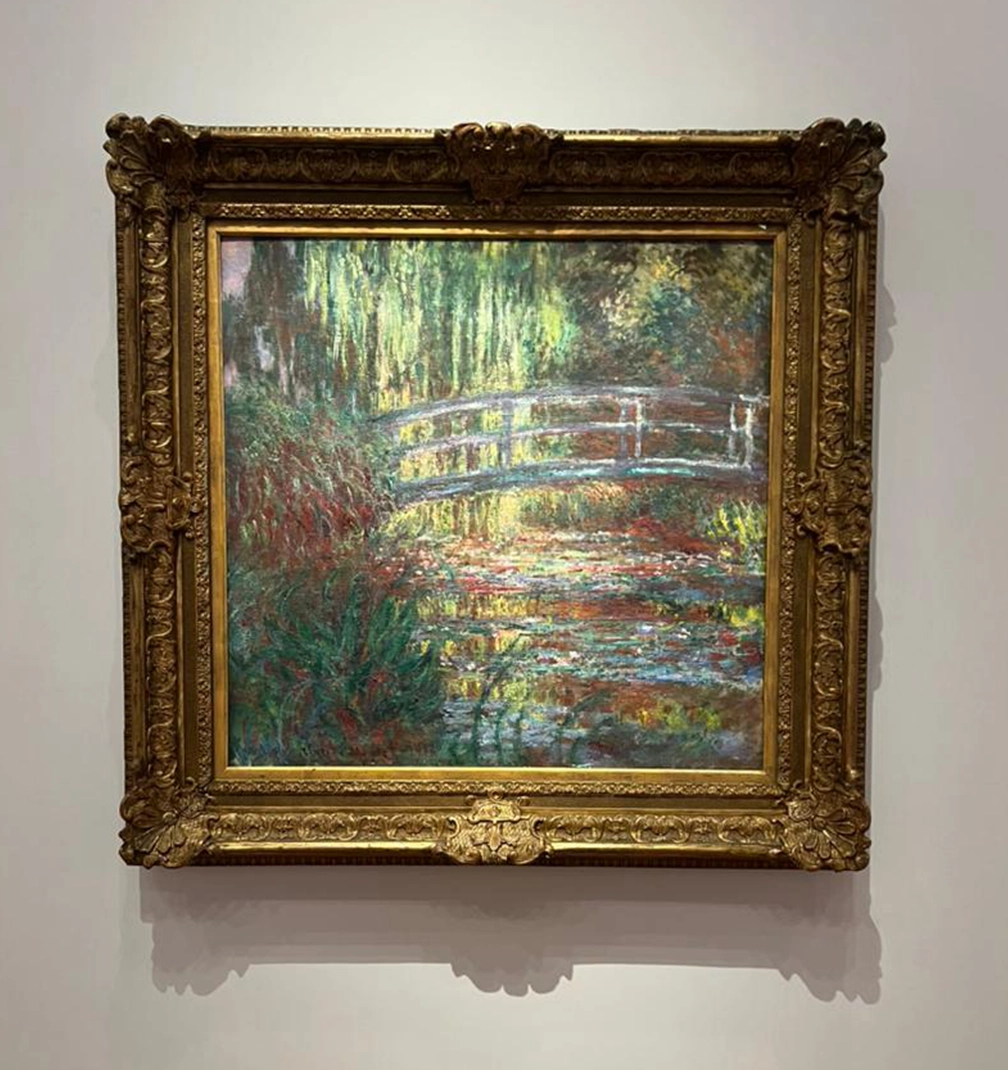
The exhibition at the National Gallery Singapore, Into the Modern: Impressionism from the Museum of Fine Arts, Boston, explains all of this beautifully. It is exceptionally well curated and easy to follow. You see Monet, Manet, Degas, Pissarro and others responding to a world that was changing fast, and each of them finding their own way of looking at it.

All the works come from the Museum of Fine Arts, Boston, and seeing so many of these classics together is quite something. There are also films and archival material, including footage of Monet painting outside in his own garden. Watching him stand there, brush in hand, surrounded by greenery and shifting light, feels almost unreal. Probably every artist’s dream. To take some paper, some paint, and just go outside.
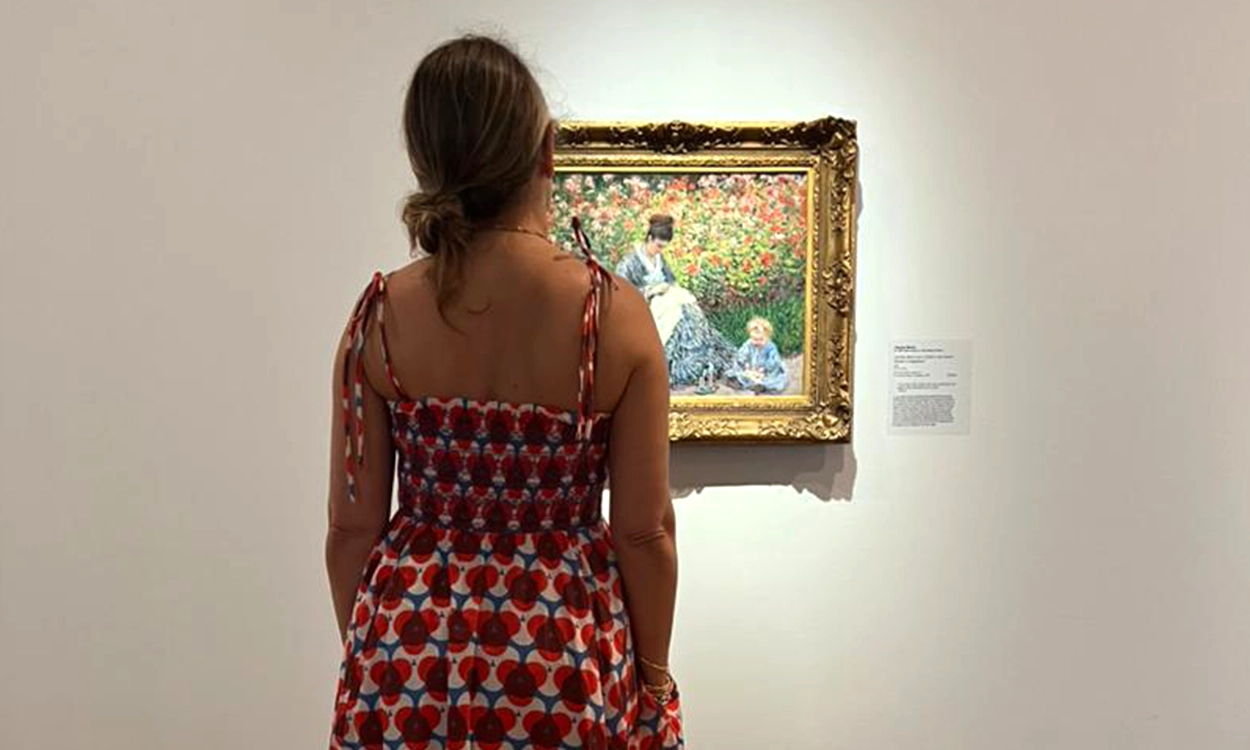
The skirt that thinks it is a painting.

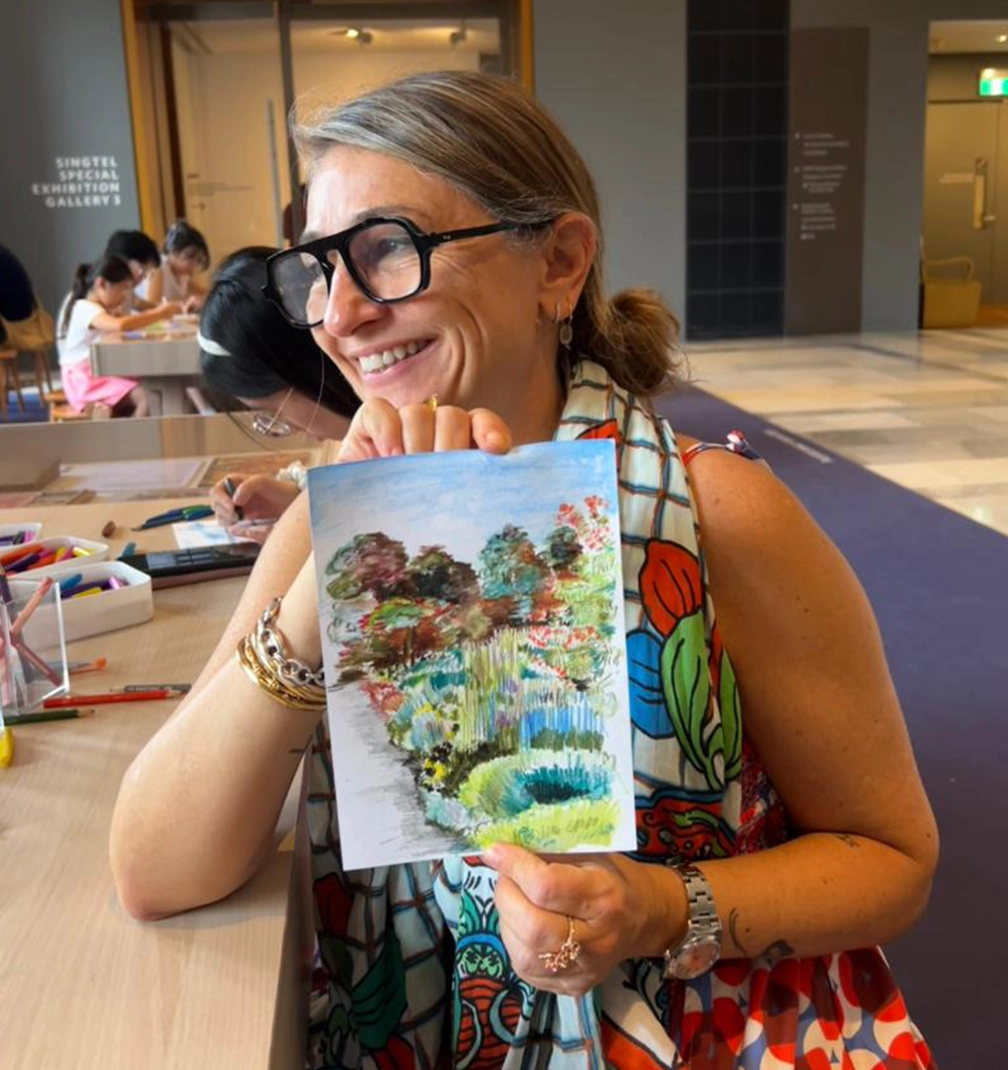
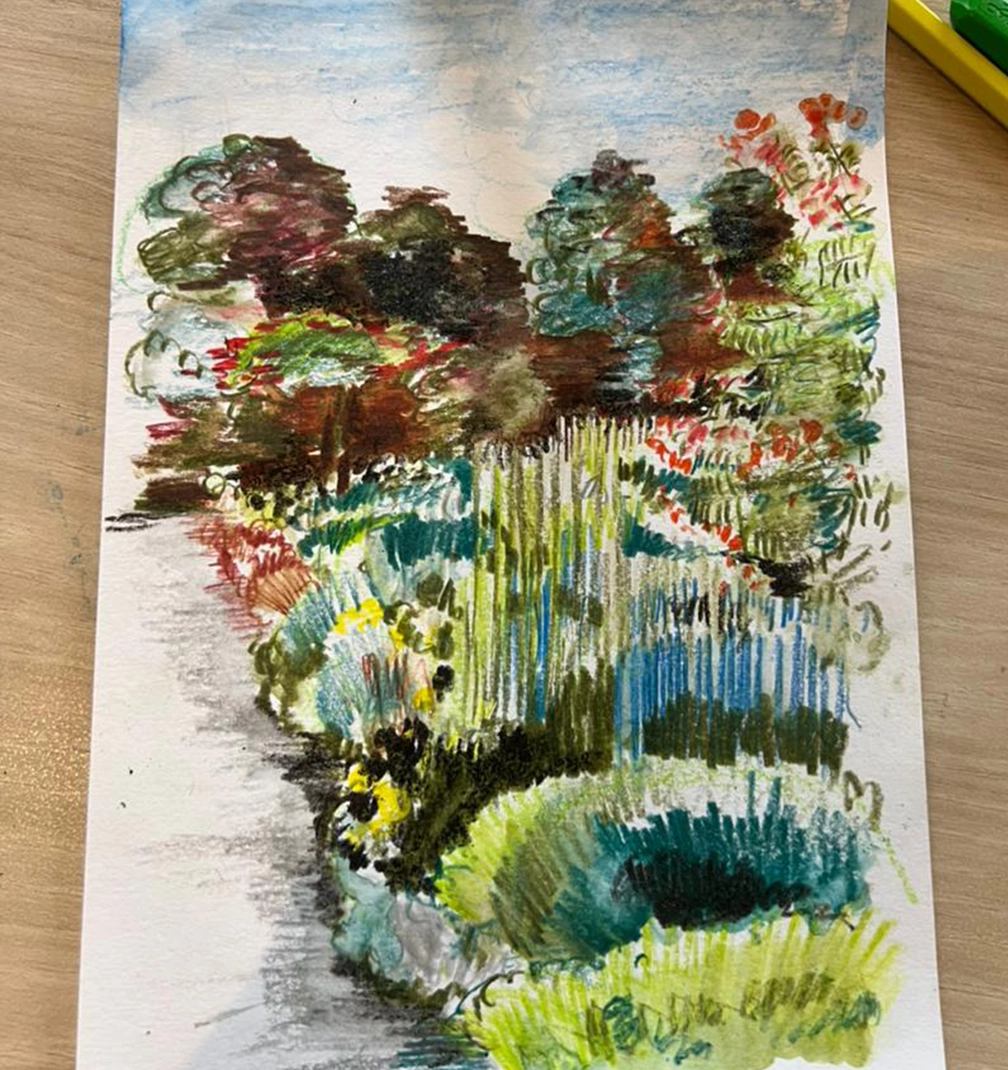
We had a go at it too. I sketched from photographs taken at the Botanical Gardens. Not quite plein air in the pure sense, but close enough to feel the joy of slowing down and actually looking. It reminded me how playful drawing can be when you remove expectations and put the phone away.

The exhibition runs until March next year. The National Gallery is open daily from 10 am to 7 pm. And honestly, even if you are not nearby, it is next door enough. Taking a bus for roughly RM120 return just to see this show is completely worth it. You walk out inspired, calmer, and gently reminded of what outside actually looks like.

Sometimes all it takes is light, time, and putting the phone down.
The skirt that thinks it is a painting.
20 Dec | Nala Kasturi Krismas

20 Dec | Nala Kasturi Krismas

5 min read

A Christmas Day Made for Wandering, Listening, Tasting, and Staying a Little Longer

This Saturday, Kasturi turns into a place of music, stories, and slow Christmas joy.

LISETTE

SHARE

From 10 a.m. to 8 p.m., we are hosting a full day Christmas gathering that is less about rushing and more about lingering. Think jazz drifting through the space, beautiful food, warm cups in your hands, and small surprises waiting to be discovered.

A live jazz singer will set the tone for the day, creating an atmosphere that feels intimate, relaxed, and quietly celebratory. There will be storytelling moments woven into the experience, because Christmas is, after all, about stories we carry with us.

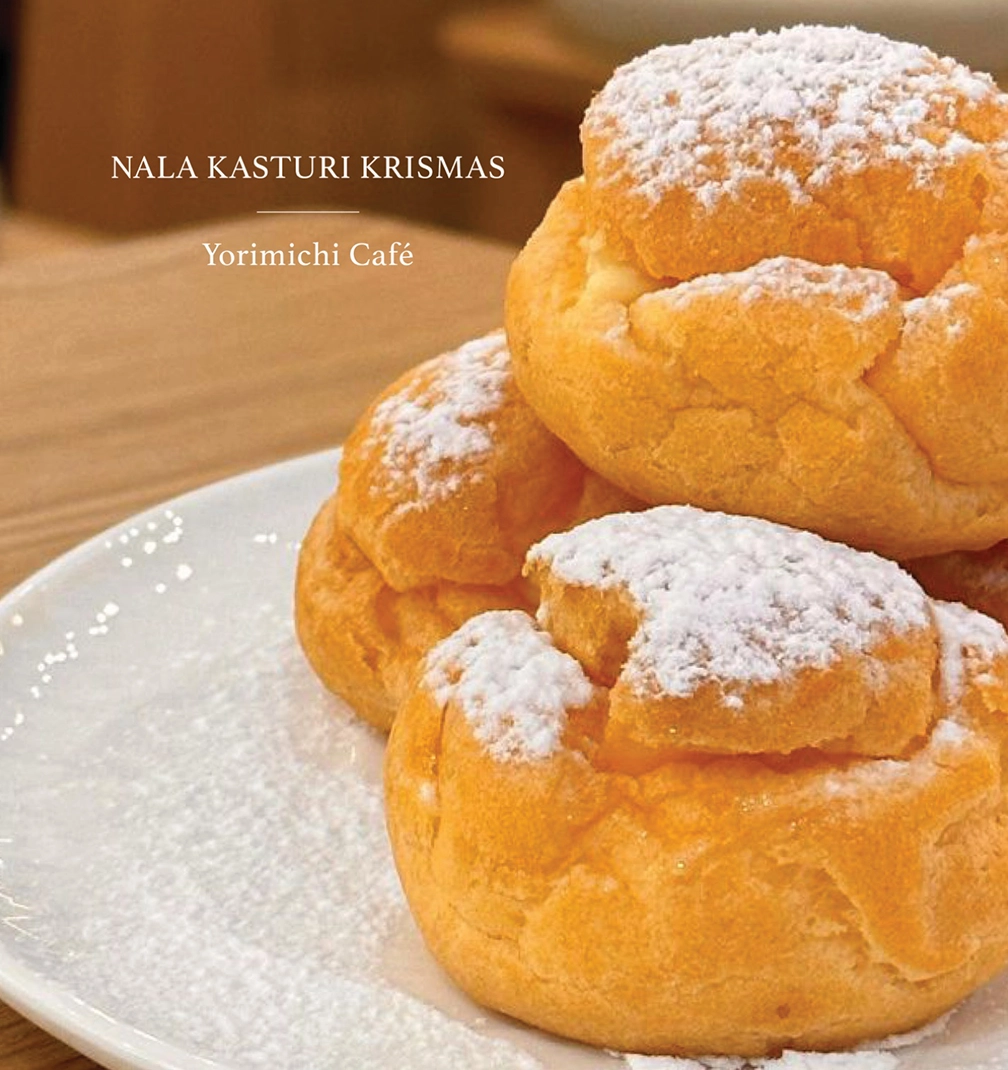
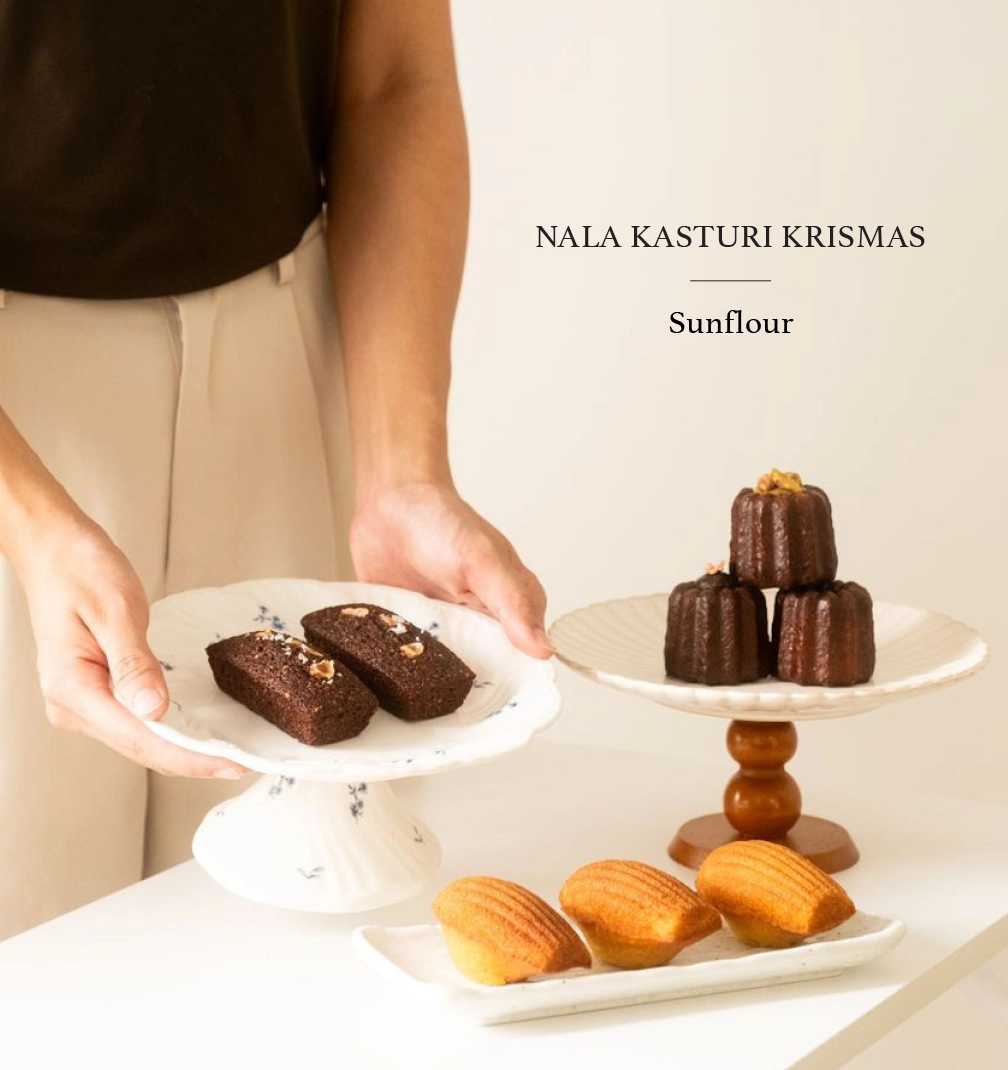
Food plays a central role. Japanese bakers will be joining us with their beautiful creations, alongside Ghostbird, who will be serving special coffees made just for this weekend. Expect comforting Christmas cakes, thoughtful flavours, and the kind of treats that invite you to sit down and stay awhile. We will also be serving mulled wine to add a little warmth and cheer to the day.

The skirt that thinks it is a painting.

For 3 hours, Lisette will be personally in store offering personalisation. It is a lovely opportunity to turn a gift into something truly personal, or to mark a moment in time with a name, a word, or a quiet message.

There will also be special Christmas deals available throughout the day, making it the perfect moment to find gifts that are thoughtful, useful, and full of meaning.

Event details
Saturday
10 a.m. to 8 p.m.
NALA Kasturi

Parking tips
Parking is easy and stress free if you come at the right time.
Central Market has ample parking before 10 a.m.
Bumi offers parking throughout the entire day.

Come early, come late, come hungry, come curious.
This is a Christmas celebration designed to be felt, not rushed.

We look forward to welcoming you.

The skirt that thinks it is a painting.
If You Want Better Words, Train Your Body

If You Want Better Words, Train Your Body

5 min read

If You Want Better Words, Train Your Body

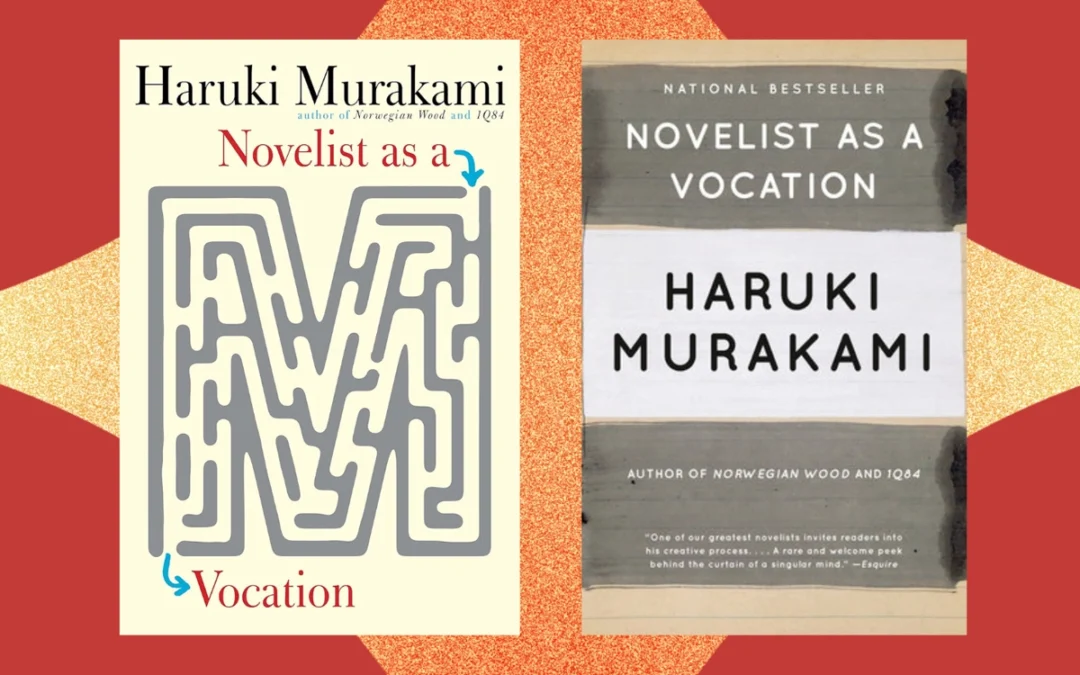
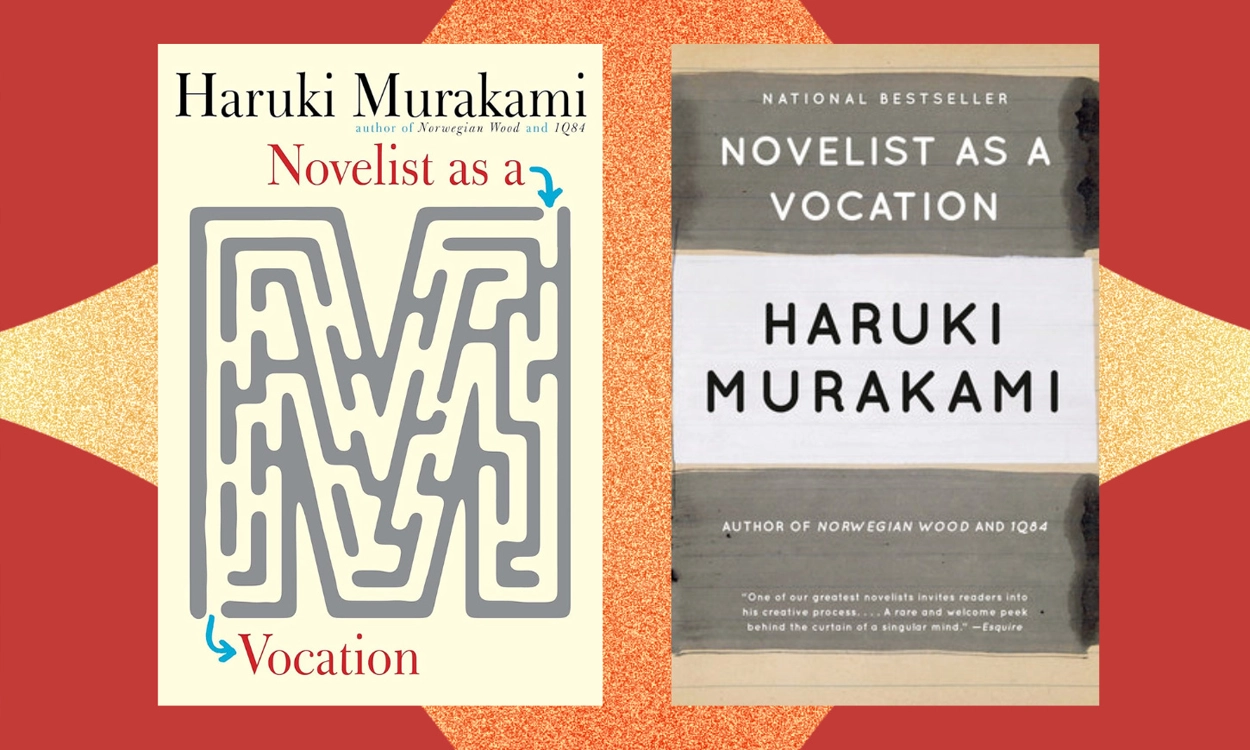
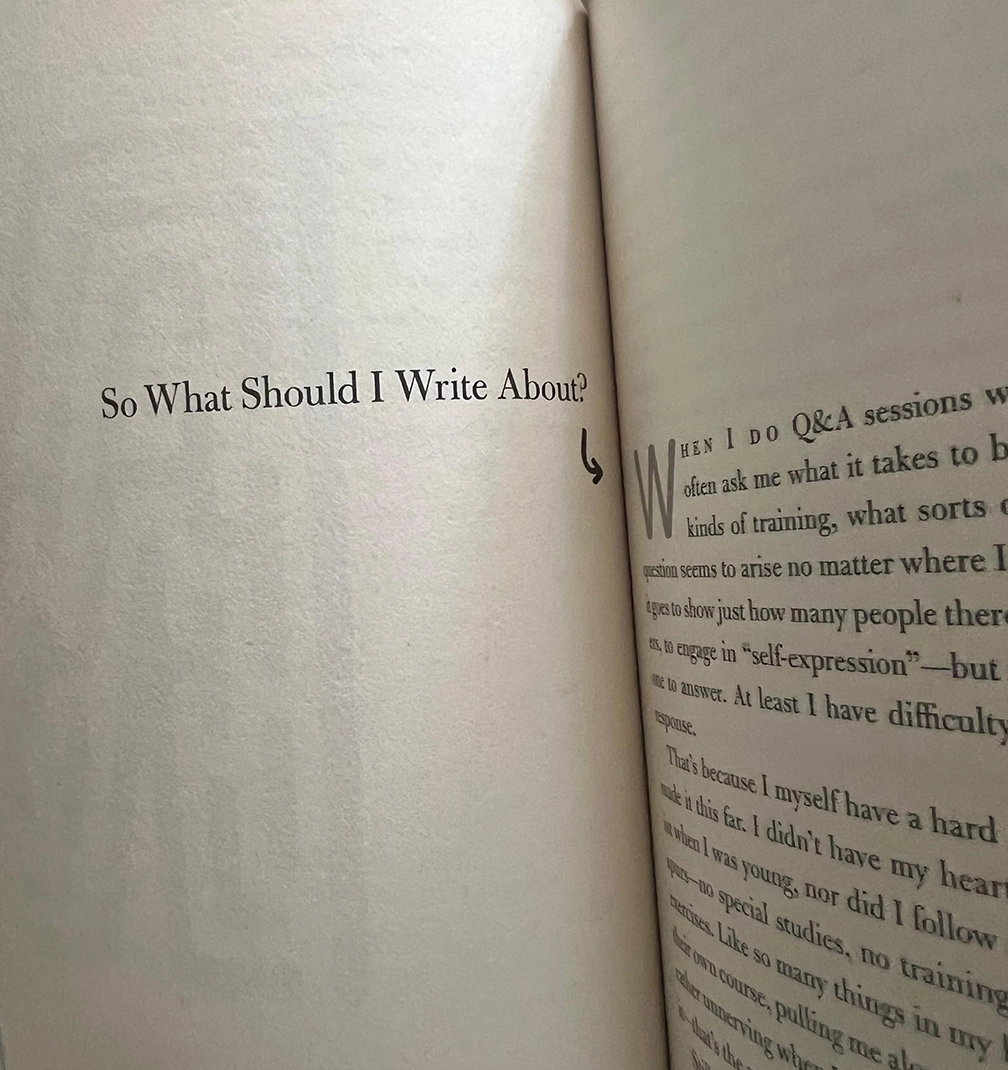
Book of the Week: Novelist as a Vocation by Haruki Murakami

LISETTE

SHARE

There are books you read, and there are books that quietly rearrange the inside of your head. Haruki Murakami’s Novelist as a Vocation falls into the second category. It is not a sentimental guide on how to write. It is a clear and almost technical look at how a writer builds a life, choice by choice, habit by habit.

Murakami began writing later than most. He owned a jazz bar and lived a routine that had nothing to do with literature. Then one afternoon at a baseball game, he felt a thought land in his mind with surprising certainty. He could write a novel. He went home, closed the bar at night, and started.

The skirt that thinks it is a painting.

Murakami began writing later than most. He owned a jazz bar and lived a routine that had nothing to do with literature. Then one afternoon at a baseball game, he felt a thought land in his mind with surprising certainty. He could write a novel. He went home, closed the bar at night, and started.

The book is filled with sharp and practical observations like this.
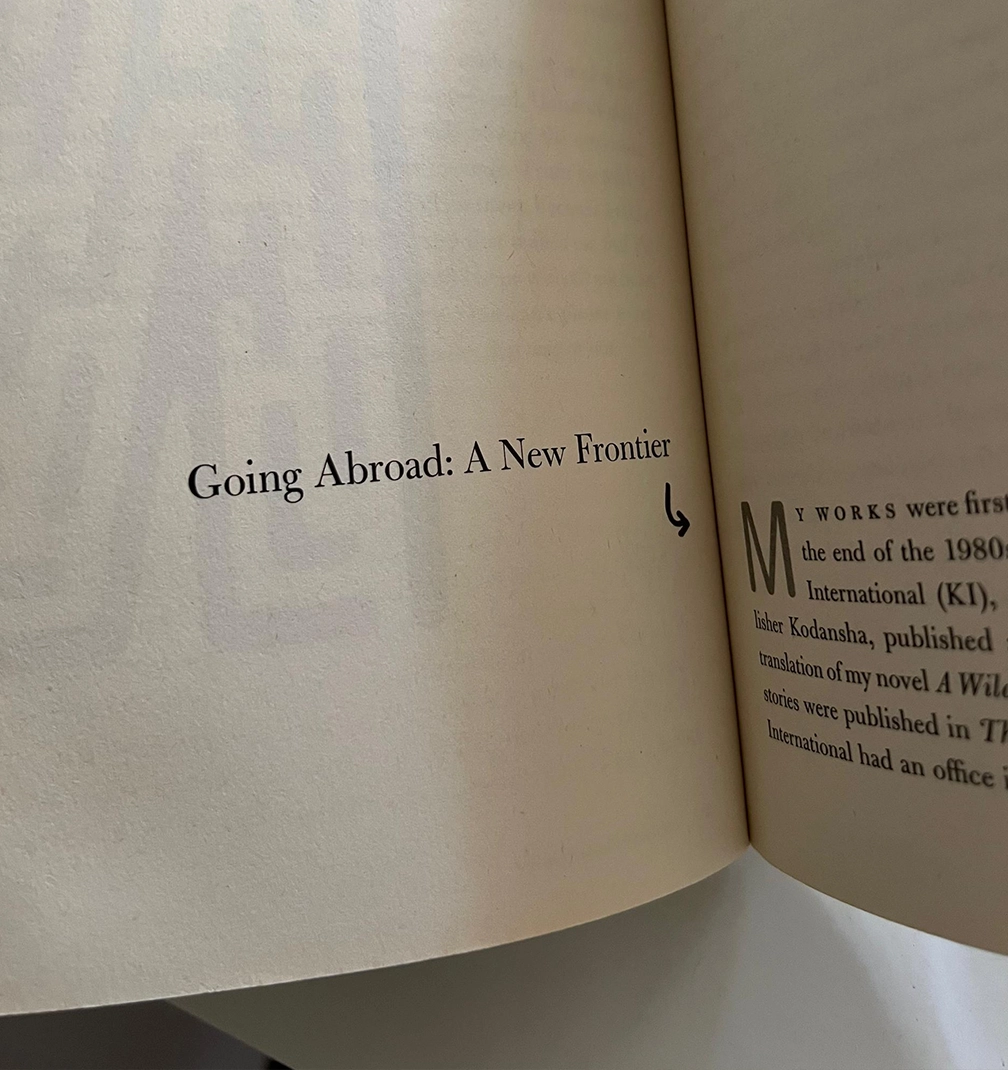
He writes about how ideas often come when you are away from home and out of your familiar patterns. He explains what to do when you have no idea what to write. He talks about characters as if they have their own logic and simply use the writer as a channel. He believes imagination is a muscle, and like all muscles, it needs training.

One of the most memorable parts of the book is his belief that writing is physical. He runs every single day. He is strict. He keeps a routine. He treats writing the same way he treats distance running. You build stamina. You stay steady. You show up even when you do not feel like it. Good sentences come from a body that is awake and a mind that is disciplined.

He also states something many writers avoid saying out loud.
The first book is often the easy one.
The second is where most people stop.

The book is not romantic about the writing life.
Murakami does not chase awards.
He has a very small circle of friends.
He values solitude.
He focuses on the work.

Novelist as a Vocation is a thoughtful look at the discipline behind creativity. It is about constructing a life that allows you to write, choosing habits that support the work, and understanding that stories are built slowly and honestly.

Highly recommended for anyone who writes, or anyone who simply wants to understand the quiet machinery behind a creative life.

Kantoor after dark: Nutcraker edition

Kantoor after dark: Nutcraker edition

5 min read

Kantoor after dark: Nutcraker edition

I am incredibly proud to expand the Nala universe into classical music with our first intimate concert at Kantoor, and I invite you to experience this beautiful collision of design and sound.

LISETTE

SHARE

Kantoor after dark: Nutcraker edition

Nala has always lived in the worlds of beauty, craft and storytelling. Now we are opening the doors to something we have wanted to bring into our universe for a long time classical music. We are proud to host our first chamber concert at nala Kantoor our creative HQ inside the Kasturi.

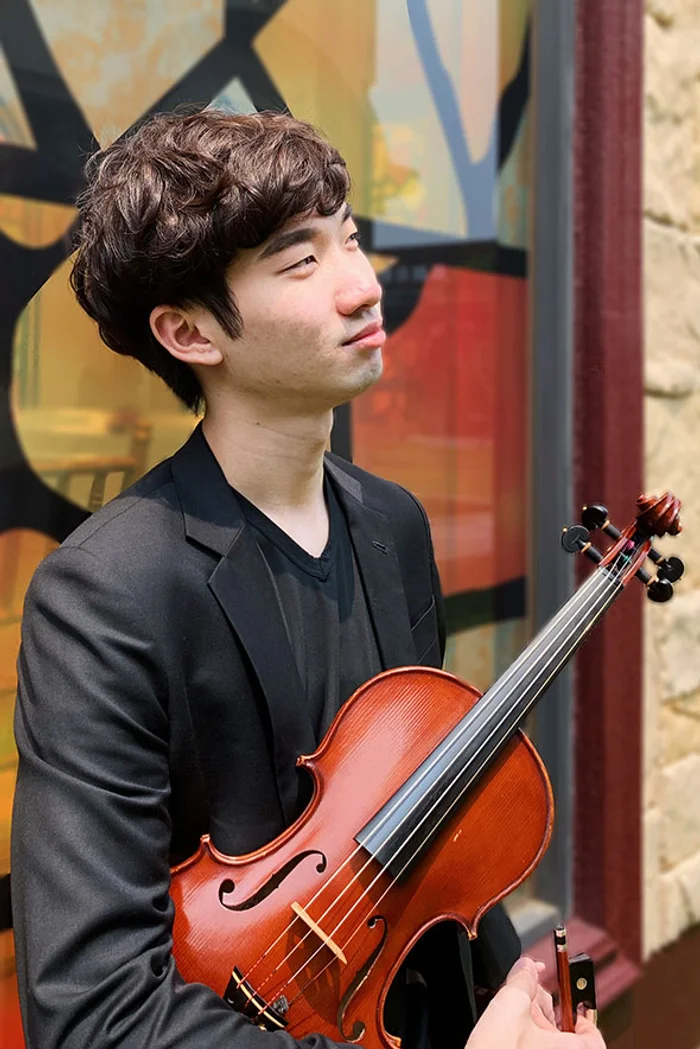
For this debut evening we are collaborating with the COARTLA Quartet the string ensemble from the Coartify Collective founded by Coartify Labs. COARTLA brings together some of the most exciting young musicians in Malaysia. Performing with us are violinist Alyssa Chong known for her expressive tone and international appearances, violinist and instrument maker Samuel Wong whose artistry and craftsmanship sit side by side, violist Christopher Oh a familiar and respected figure in the classical scene, and cellist Timmy Lim a versatile performer, arranger and educator. Together they create a quartet that feels fresh confident and alive.

Kantoor after dark: Nutcraker edition

Their program features selections from Tchaikovsky’s Nutcracker the unmistakable sound of the holiday season and a perfect match for an evening at Kantoor.

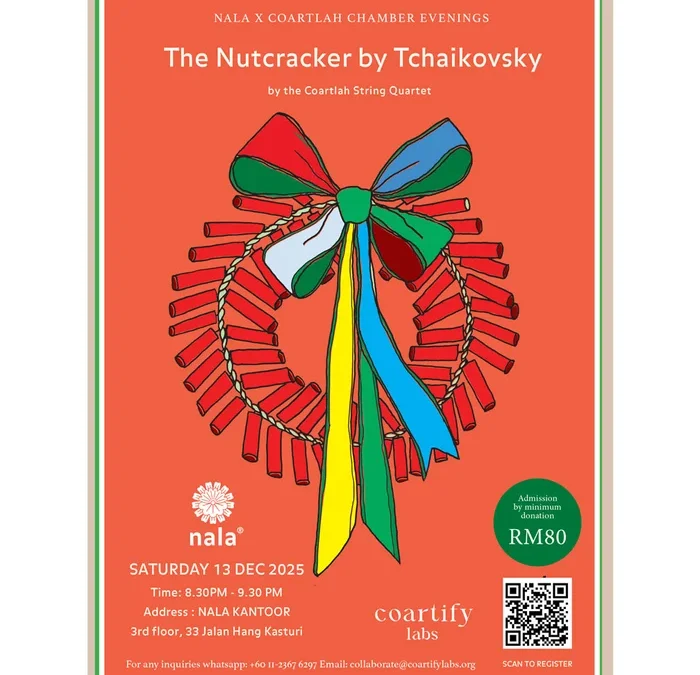
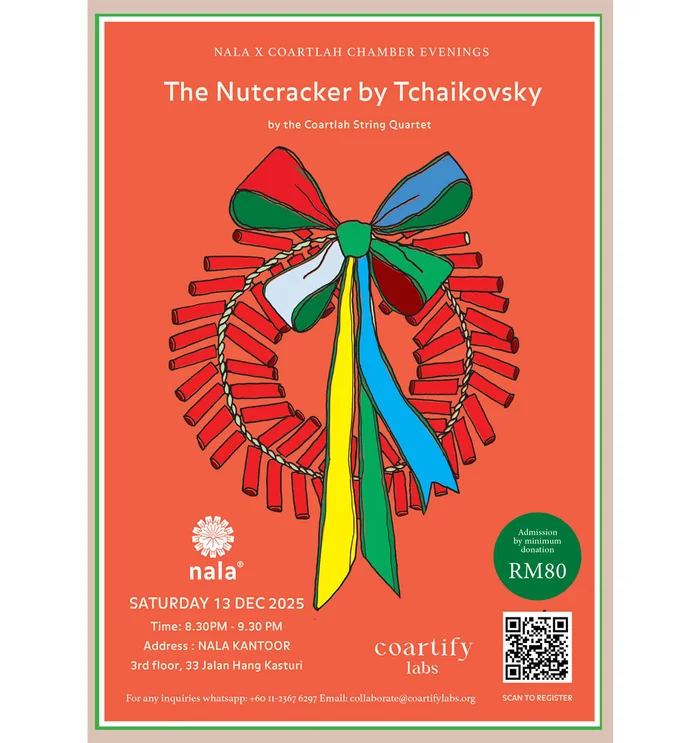
The concert takes place on the 13th of December inside NALA Kantoor an intimate setting where music and design meet effortlessly. Before or after the performance you can enjoy a coffee from Ghostbird downstairs a small ritual that completes the night.

We have one hundred seats so bring your friends and your family and make it a night out. Seats are limited and registration is required. Sign up through the QR code on the poster or online. And since this is our Christmas edition we invite everyone to arrive in something festive.

Kantoor After Dark begins with the Nutcracker.
Reserve early and be part of this beautiful night.

Kantoor after dark: Nutcraker edition
When in doubt, paint bamboo

When in doubt, paint bamboo

6 min read

When in doubt, paint bamboo

I am embracing the humbling challenge of Chinese brush painting as a way to unplug, discovering that its ancient lessons in patience and balance serve as perfect training for my modern design work.

LISETTE

SHARE

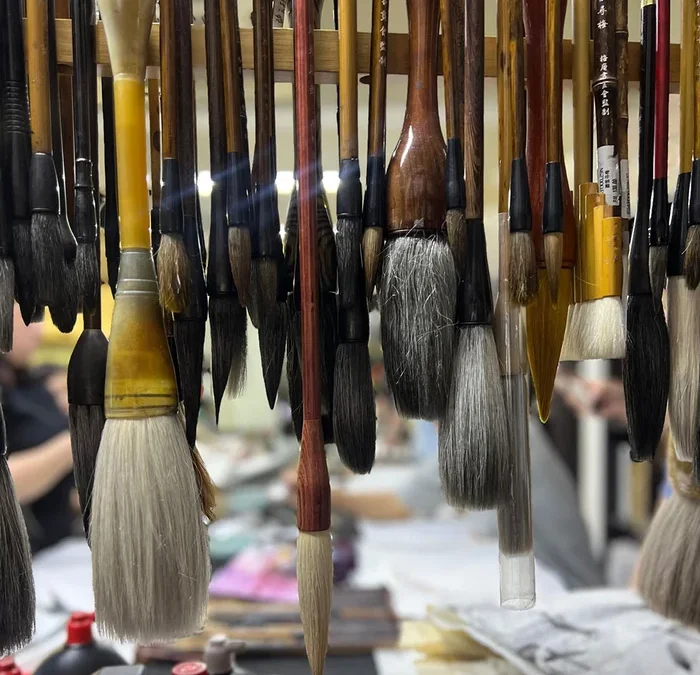
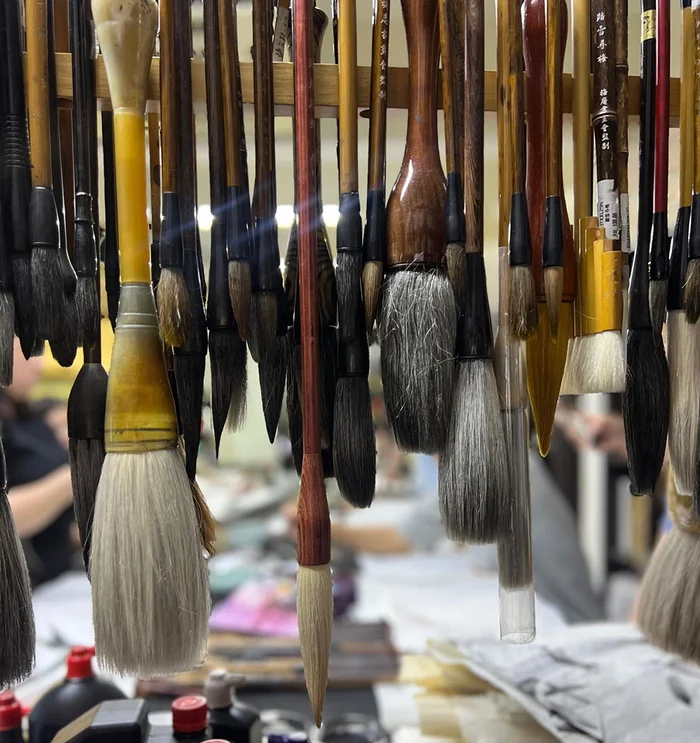
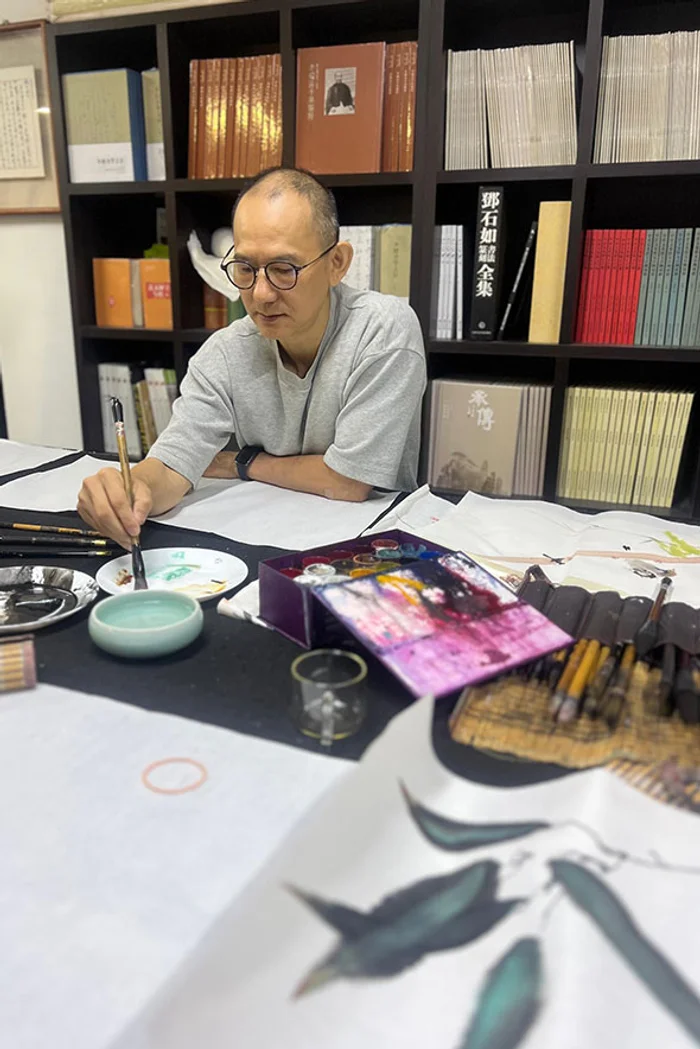
Saturday mornings are sacred again. I have started Chinese brush painting at the Bintang Arts and Culture Center, taught by the wonderful Laoshi Kit. I needed something to pull me away from my phone, and this does exactly that.

What looks simple is, in fact, incredibly hard. Painting bamboo is not easy. The ink bleeds, the paper moves, and once you touch the brush to the surface, there is no turning back. It takes focus, calm, and patience. Three things I am still learning.

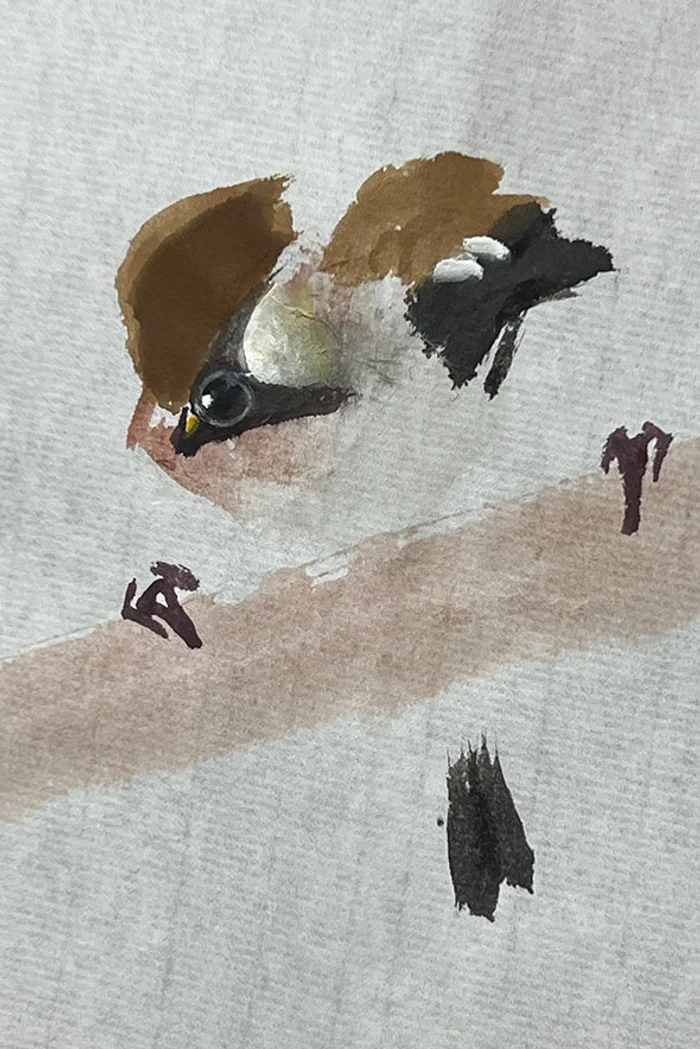
We start with bamboo because it teaches everything. When you can paint bamboo, you can paint anything. Every stroke carries a lesson: balance, rhythm, scale, proportion, breath. You have to understand anatomy; how a plant bends, how a bird perches, how the composition holds together. You cannot draw a tiny bird beside a giant stalk of bamboo. It is about harmony, not decoration.

When in doubt, paint bamboo

Chinese brush painting may be thousands of years old, but it is the perfect training for modern design. It teaches control and freedom at the same time. You learn that beauty lies in precision, patience, and knowing when to stop.

My early paintings are far from perfect. The bamboo leans too much, the ink runs wild, the birds look confused, and yet I love every one of them. They remind me that mastery begins with humility, and that sometimes, the best way to learn balance is simply to let the brush flow.

When in doubt, paint bamboo
Jungle craft & wabi-sabi wildness

Jungle craft & wabi-sabi wildness

6 min read

Jungle craft & wabi-sabi wildness

I have deep admiration for how Shaik elevates jungle living into a philosophy of intentional beauty, and I urge you to experience his sanctuary to rediscover the true rhythm of the wild.

LISETTE

SHARE

There’s a way of being that reminds you the wild is not something to be conquered or escaped, but something to be understood, respected, and loved. That is the universe my friend Shaik Reisman has built in the heart of Hulu Langat, through his beautiful project Malayajunglecraft.

On his Instagram, you see more than survival workshops. You see a philosophy of life. Every image is composed with intention, the light through the leaves, the rhythm of hands working with nature, the quiet strength of simplicity. It’s a visual poem about balance, patience, and the art of doing things well without the need for perfection.

Shaik teaches you how to live with nature, not apart from it. How to build, cook, and create in the wild, but also how to see. His world is pure wabi-sabi, the beauty of imperfection, of doing things with care even when they’re not flawless. Because when you are truly present, every small act becomes beautiful.

Jungle craft & wabi-sabi wildness

And if you decide to stay the night on his land, you’ll understand what I mean. His property sits within a fruit tree orchard, where mango, rambutan, and jackfruit trees watch over you as you sleep. You wake to birdsong and the soft light of morning filtering through green leaves. Shaik will cook for you, and yes, the toilets are very nice. Everything is simple but thoughtful, crafted with the same care he brings to his teachings.

I have deep admiration for people like Shaik who remind us that beauty is not reserved for studios or galleries, but also lives in the soil, in the wood, in the fire, in the rain.
If you want to rediscover your own rhythm, follow @malayajunglecraft and, if you can, visit his world in Hulu Langat. You might just find that the most beautiful universe is the one designed by nature itself.

Jungle craft & wabi-sabi wildness