

The Atas Magic Show – Nala at Great World
5 min read
The Atas Magic Show Nala at Great World
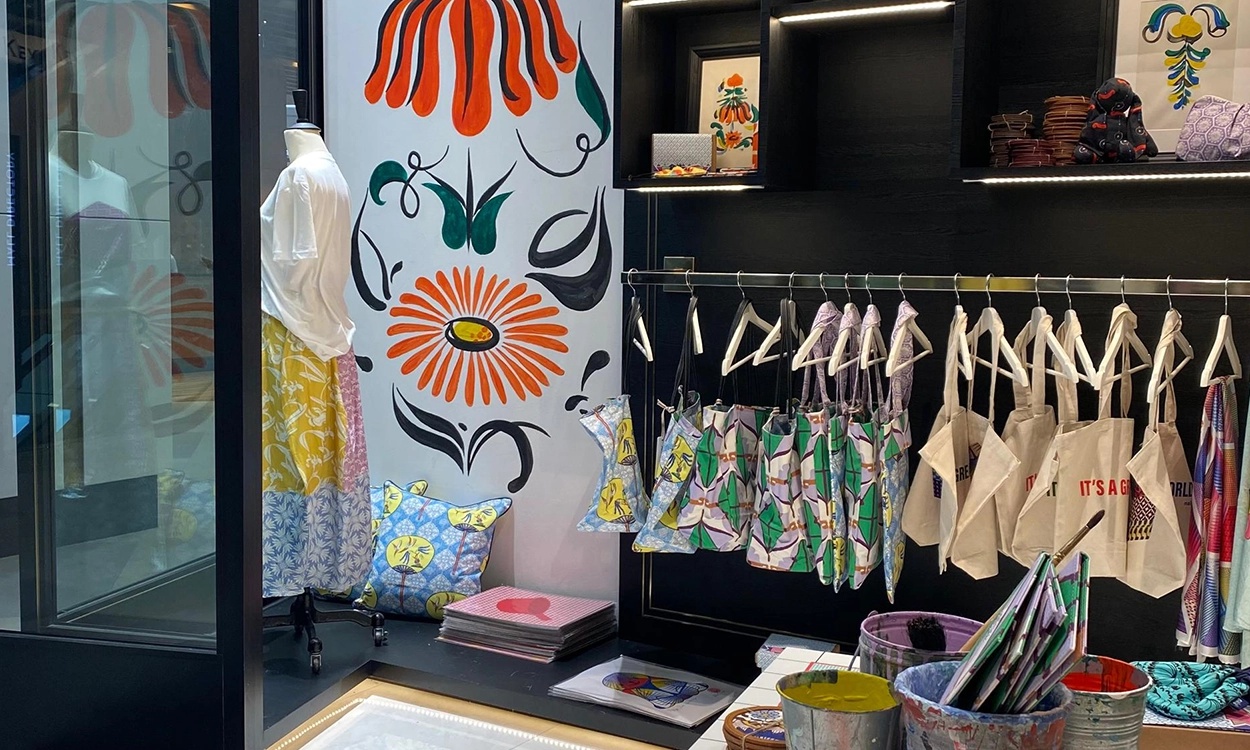
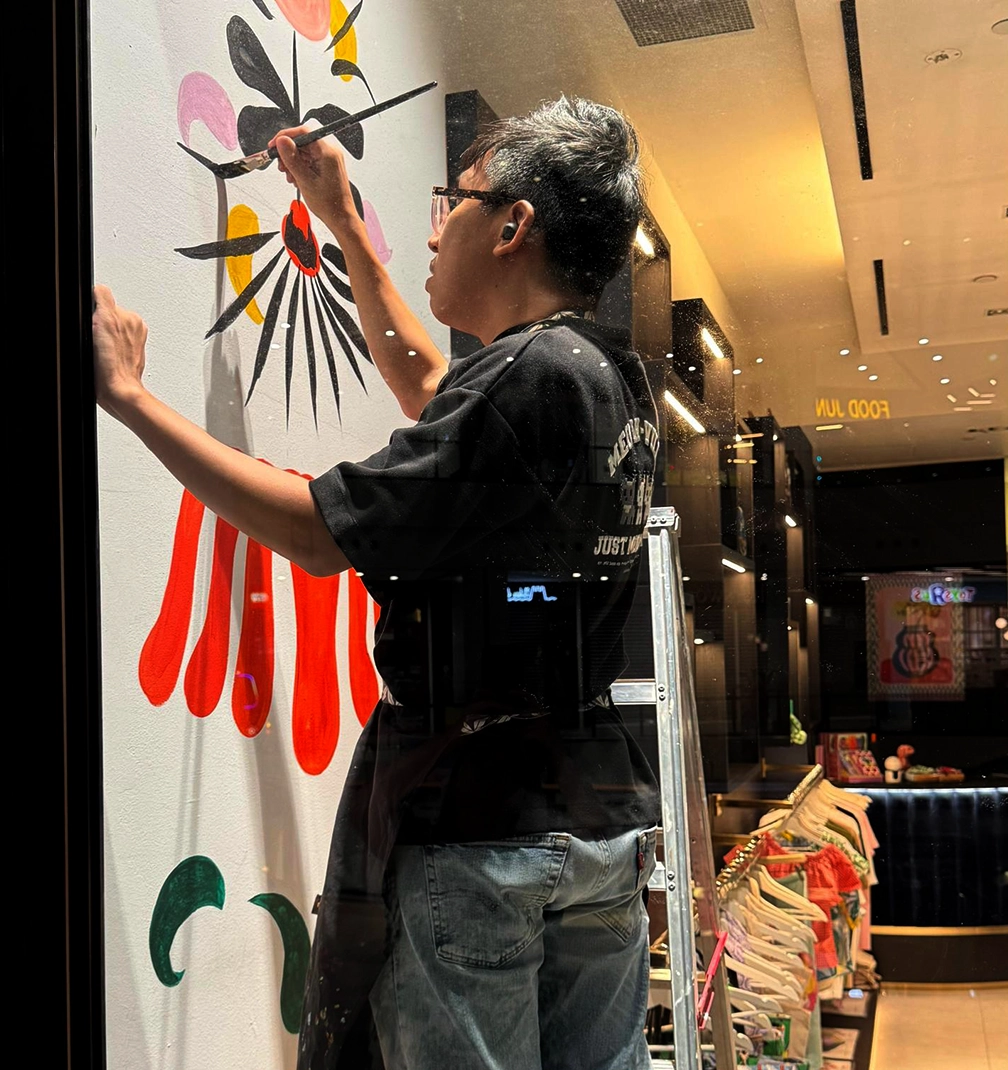
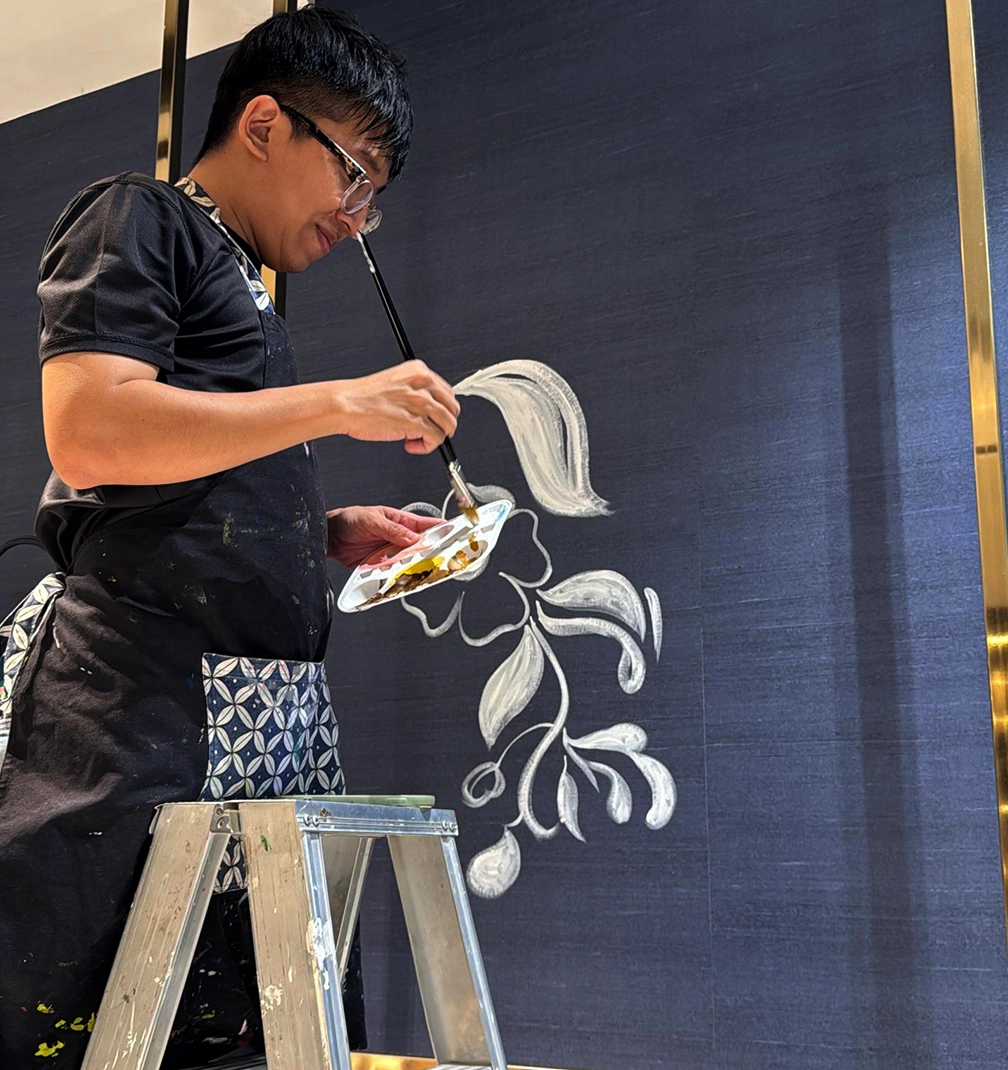
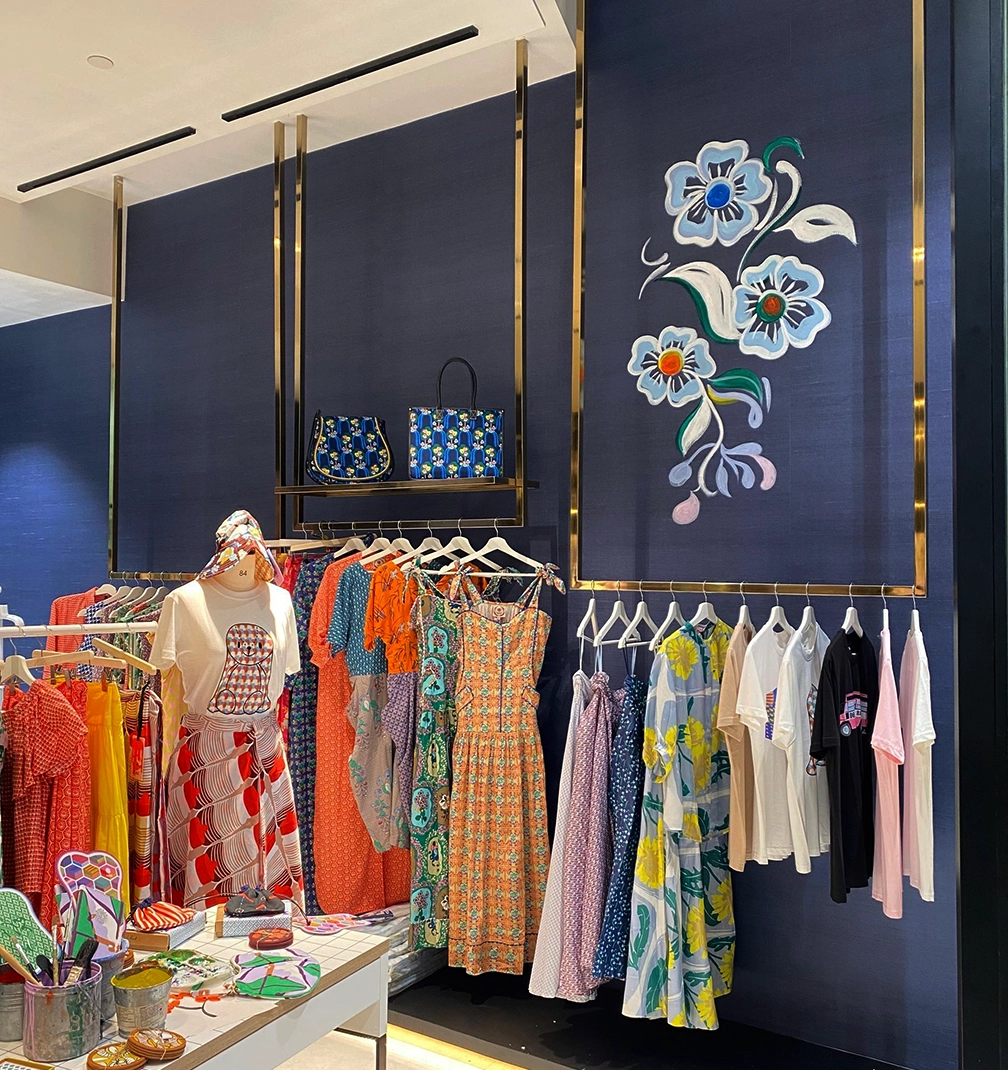
Opening a shop sometimes feels like staging a magic show.
LISETTE
SUBSCRIBE TO OUR NEWSLETTER
SHOP NOW
![]()

5 min read
LISETTE
5 min read
LISETTE
5 min read
LISETTE
This season was a joyful one, and many of our Cheongsams have already found their way into new wardrobes. A small number are still available in stores, waiting for their moment.
5 min read
シンガポール・River Valleyにある Great Worldに、Nalaの新しい店舗がオープンします。
かつてこの場所は、遊園地や映画館が集まる娯楽の中心地でした。
そんな歴史的な場所で、新たなNalaのストーリーが始まります。
LISETTE
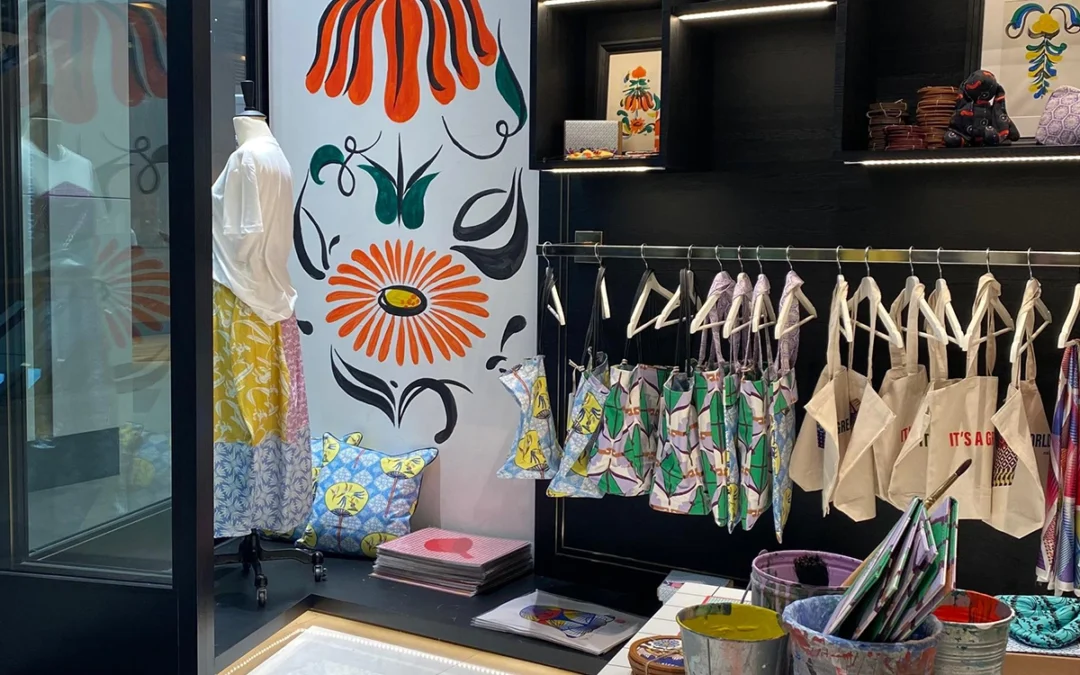
Nala Designsの人気を受け、海外2店舗目となる新しい店舗がシンガポールに誕生します。
Lisetteがその場所として選んだのが、River Valleyエリアにある Great World でした。
River Valleyエリアにあるこの場所は、ただのショッピングモールではありません。
1930年代、この場所には Great World Amusement Park という遊園地がありました。
映画館、オペラ、ショー、そして相撲の興行まで行われる、当時の人々にとっての娯楽の中心地だった場所です。
戦争を経て遊園地は閉鎖され、その後この土地は再開発されました。
そして2020年には複合施設としてリニューアルされ、さらにMRT Great World駅が開業したことで、今では多くの人が集まるエリアとなっています。
もう一つ、この場所の特徴があります。
それは、シンガポールの中でも日本人居住者が多い地域に近い場所だということです。
モールの中には
・明治屋
・東急ハンズ
・BEST電器
など、日本人にとっても馴染みのあるお店が並びます。
シンガポールにいながら、どこか日本を思い出す場所。
そんなGreat Worldに、Nalaの新しい空間が生まれます。
日本から多くのインスピレーションを受けてきたNalaにとって、日本人コミュニティに近いこの場所は、運命的とも言えます。
Lisetteはいつも、ただ「出店する場所」を選んでいるわけではありません。
その土地の文化や歴史、そこに流れている空気。
そうしたものと、Nalaの世界観がどう重なるのかを考えながら場所を選びます。
Great Worldという、かつて人々の娯楽と文化が交差していた場所で、
Nalaの新しい物語がまたひとつ始まろうとしています。
Nalaはこれからも、
ひとつの空間、ひとつのプリントを通して、丁寧にその世界を広げていきます。
そして、Nalaの世界がこのGreat Worldからまた少し広がっていきます。
シンガポールに暮らす日本人の皆さんにも、Nala Designsの魅力が届きますように。
5 min read
LISETTE
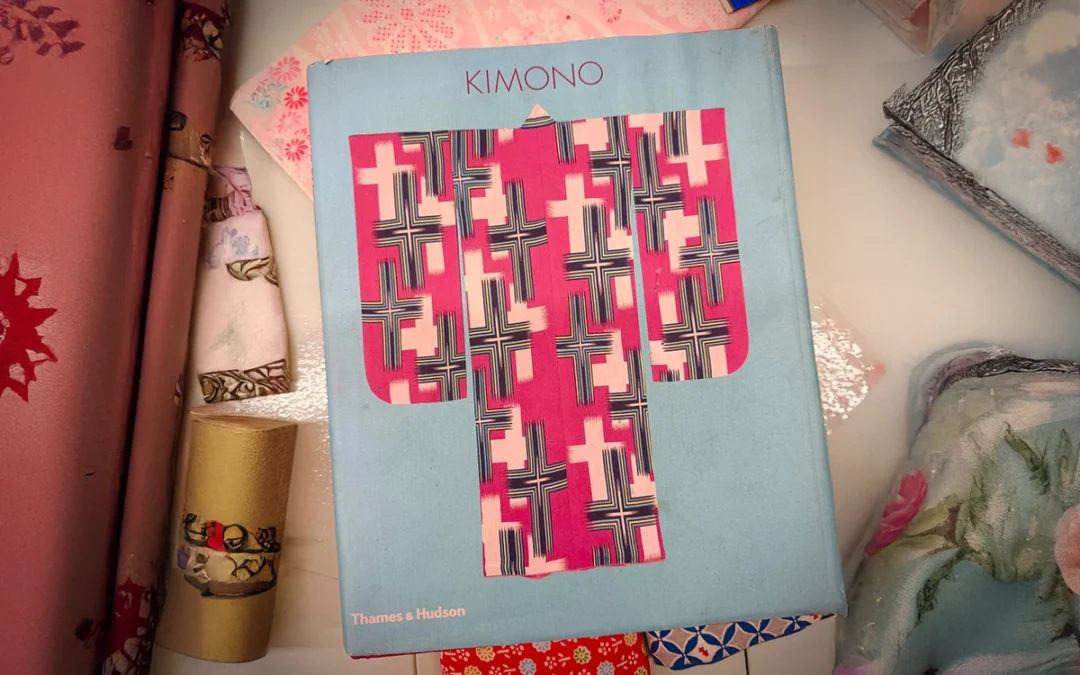
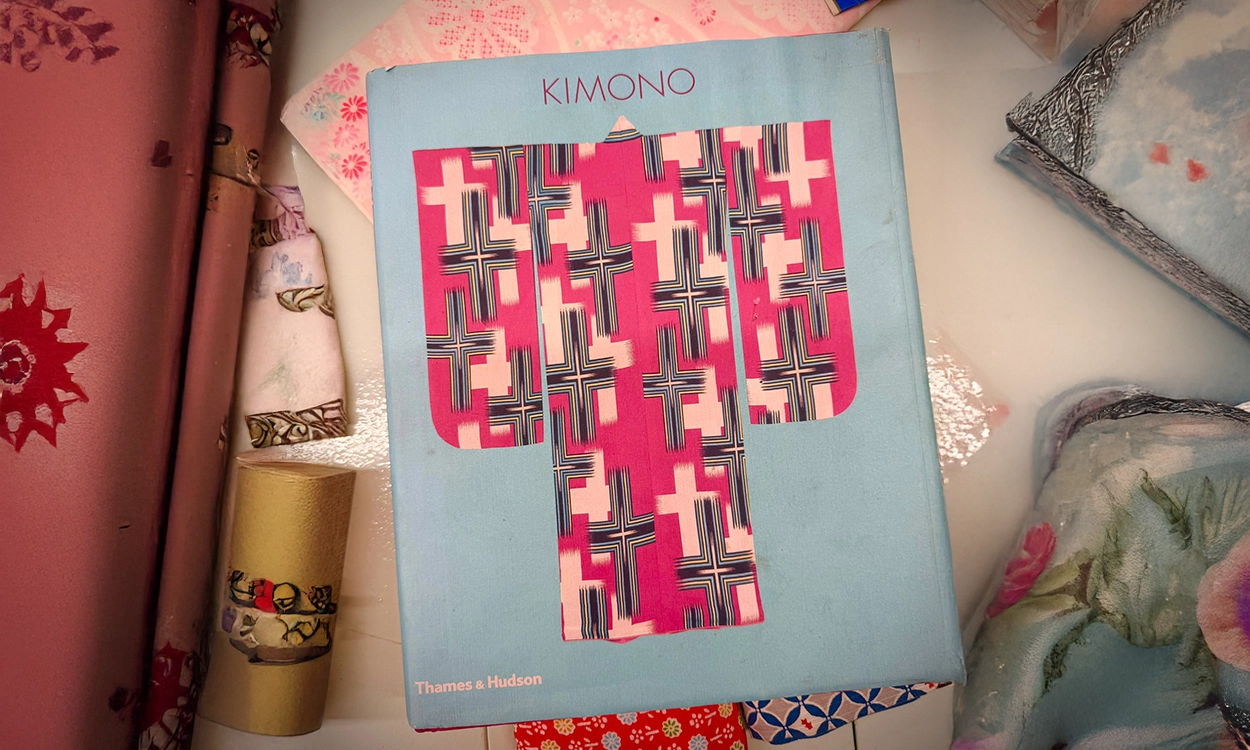
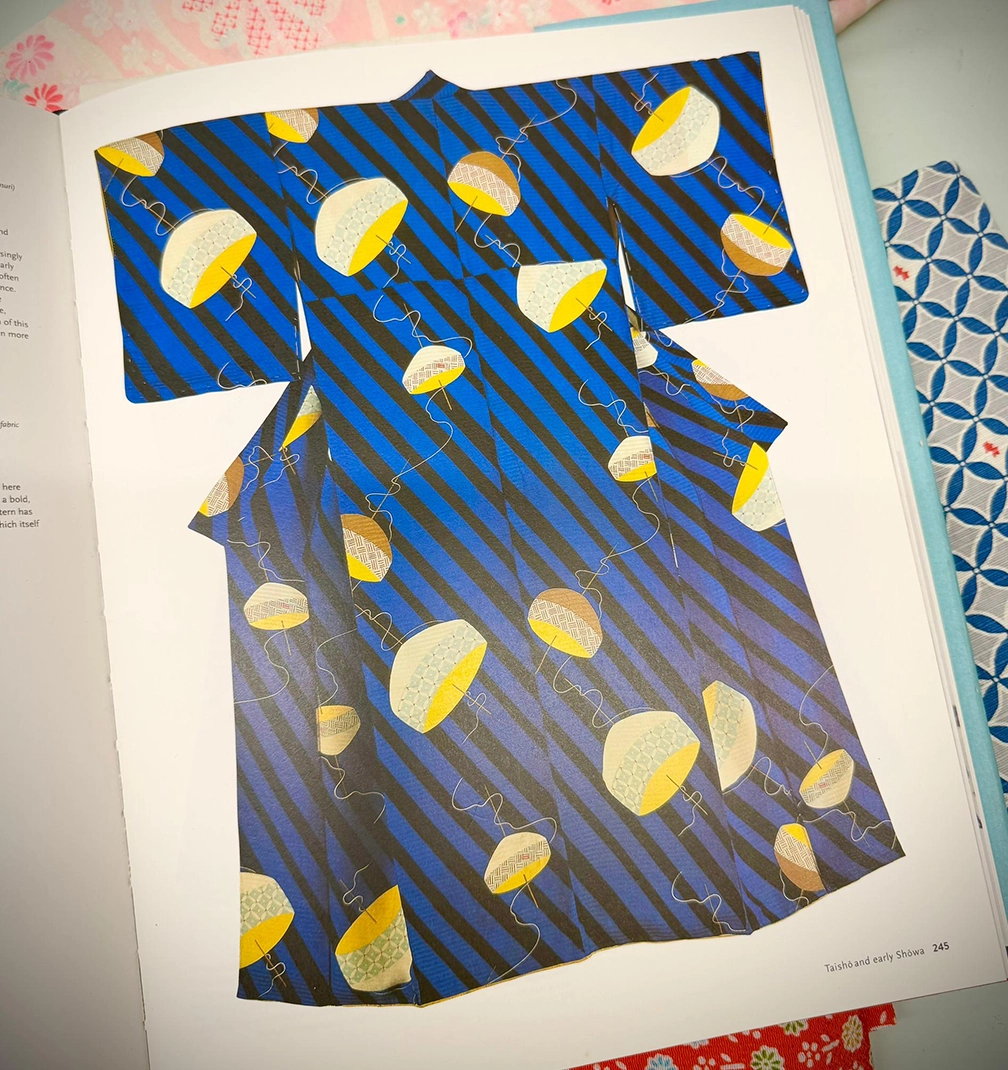
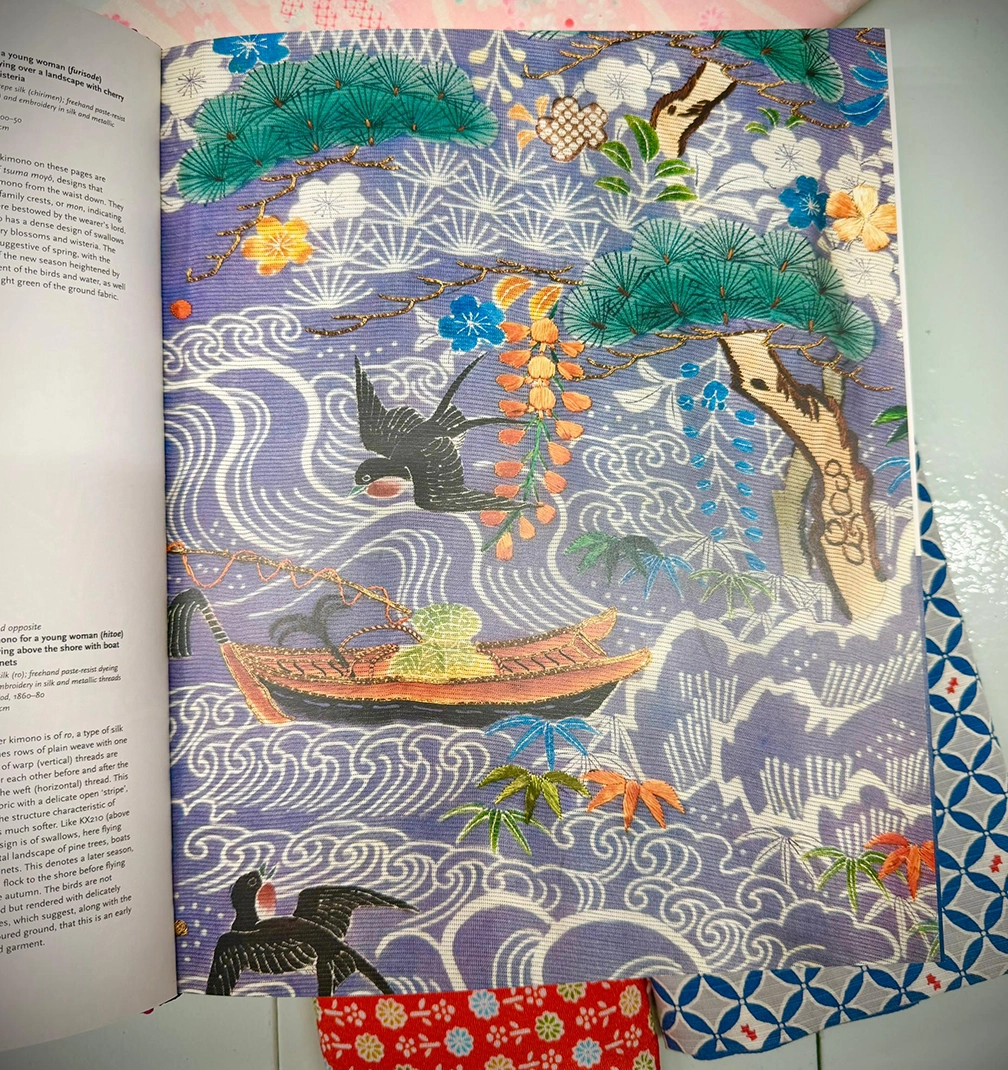
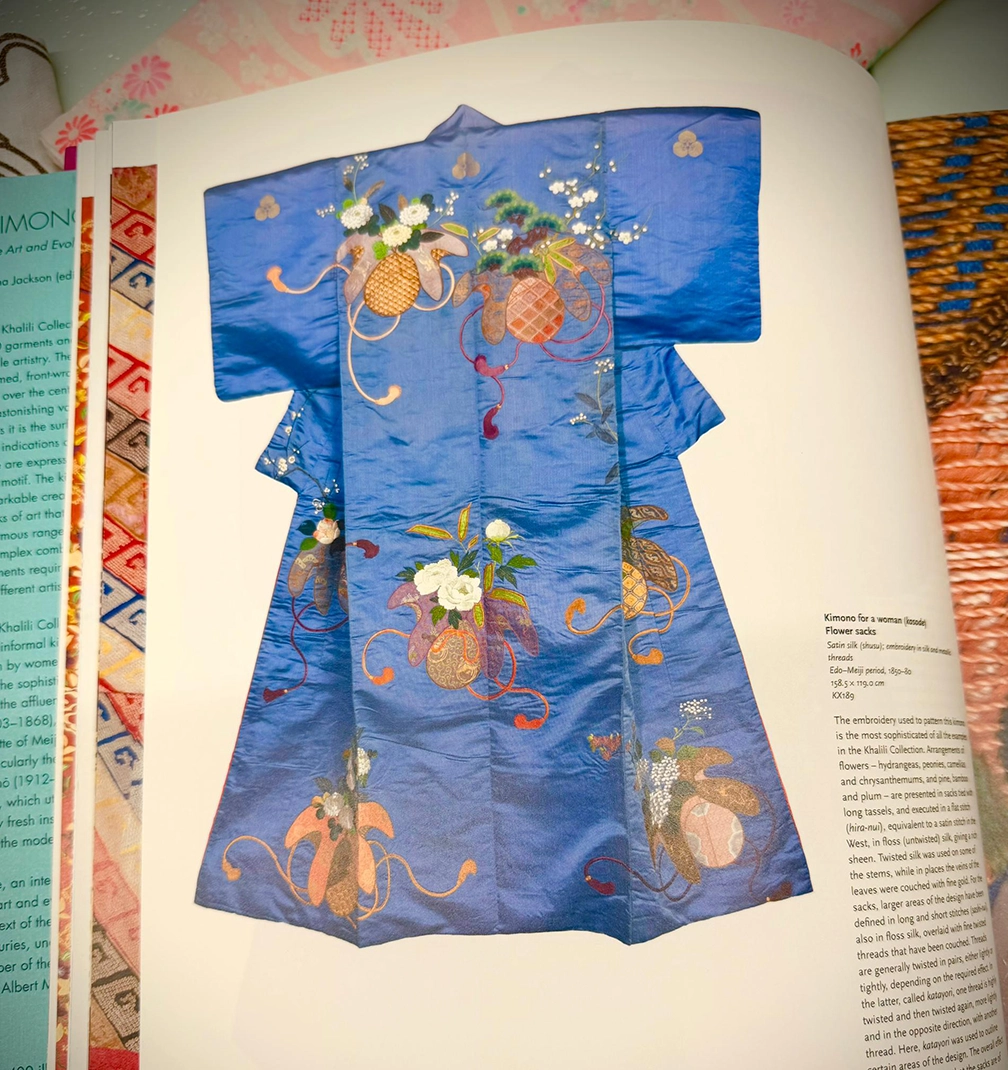
For me, Kimono: The Art and Evolution of Japanese Fashion is that book.
Published by Thames & Hudson and edited by Anna Jackson, it draws largely from the extraordinary holdings of the Khalili Collections. These collections were assembled by Sir David Khalili, a British Iranian scholar and collector who dedicated decades to preserving some of the world’s most important art. His Japanese art collection is considered one of the most comprehensive in private hands, and what moves me is the seriousness behind it. This was not decorative collecting. It was systematic, academic, and deeply intentional, a lifetime devoted to safeguarding beauty.
That depth is felt in every page of this book.
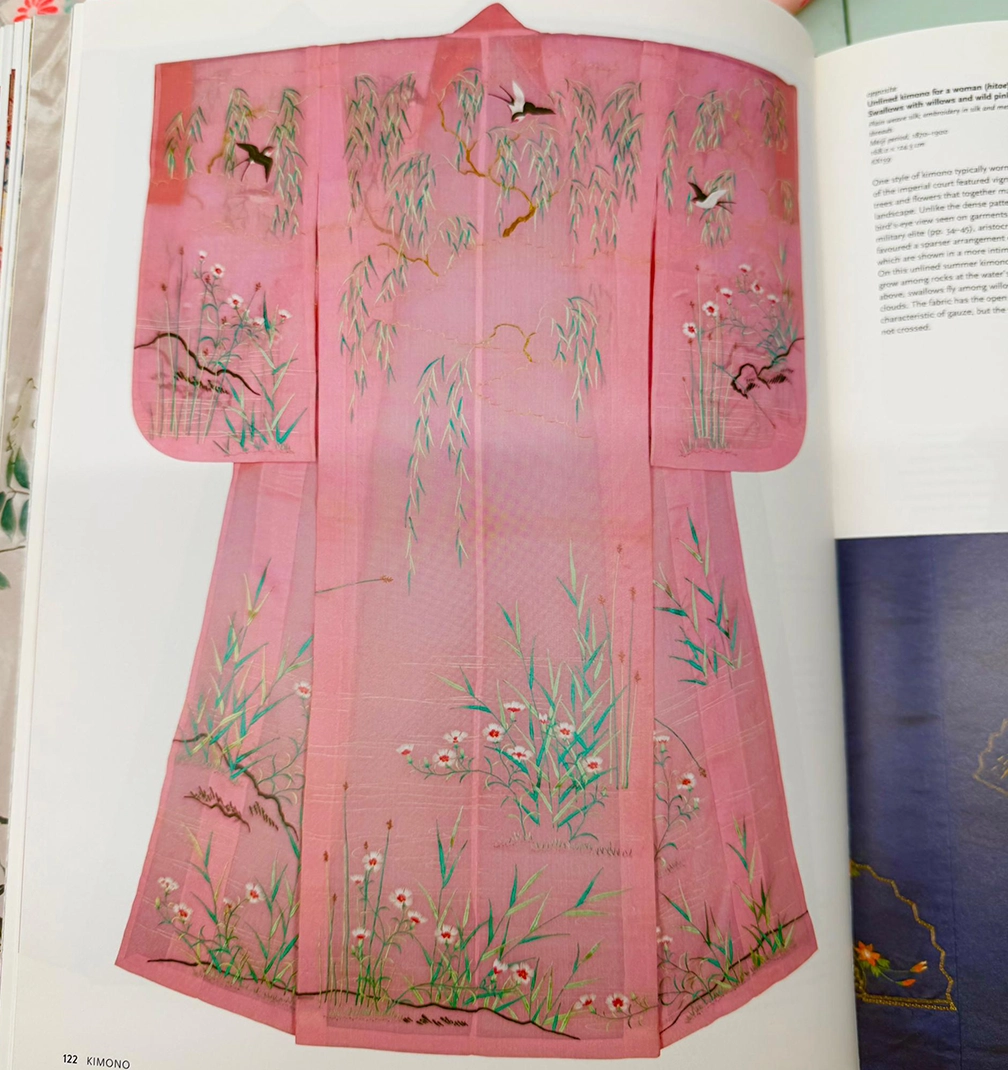
Each kimono is not simply a garment but an engineered composition. It is mathematics, poetry, architecture and discipline translated into silk. The placement of motifs is so intelligent that it almost feels unfair. Entire landscapes unfold only when the sleeve falls in a certain way, and blossoms travel across seams with such confidence that the garment becomes a moving canvas. The negative space breathes as deliberately as the most intricate embroidery.
As someone who is completely obsessed with patterns, I turn these pages and experience that very honest designer moment of thinking that I wish I had drawn this myself. What strikes me again and again is the restraint. The ability to know when to stop. The courage to leave space untouched. Every composition feels inevitable rather than applied, as if it could never have been arranged differently.
At the same time, I feel a genuine sadness when I see antique kimonos cut apart and turned into smaller objects. I understand the argument for reuse and sustainability, but to me a kimono is a complete artwork. It was conceived as a whole, with the silhouette, the drape and the narrative across the body all working together. To separate it feels like cutting a painting into fragments. These pieces carry history in their seams, and they deserve to remain intact.
This book reinforces my belief that true design has dignity and that tradition can evolve without losing its integrity. Whenever I doubt myself as a designer, I open it again, and in doing so I am reminded why I care so deeply about placement, proportion and storytelling through print. It both humbles and energises me, because it shows me what is possible while gently insisting that I aim higher.
More than anything, it makes me dream of Japan, not as a place to visit casually but as a place to study seriously. I imagine dye vats, textile ateliers and artisans who understand colour the way musicians understand sound. I want to learn how they balance boldness with restraint and how they allow a motif to breathe within such a strict structure.
This is not simply one of the most beautiful books I own. It is the standard I measure myself against.