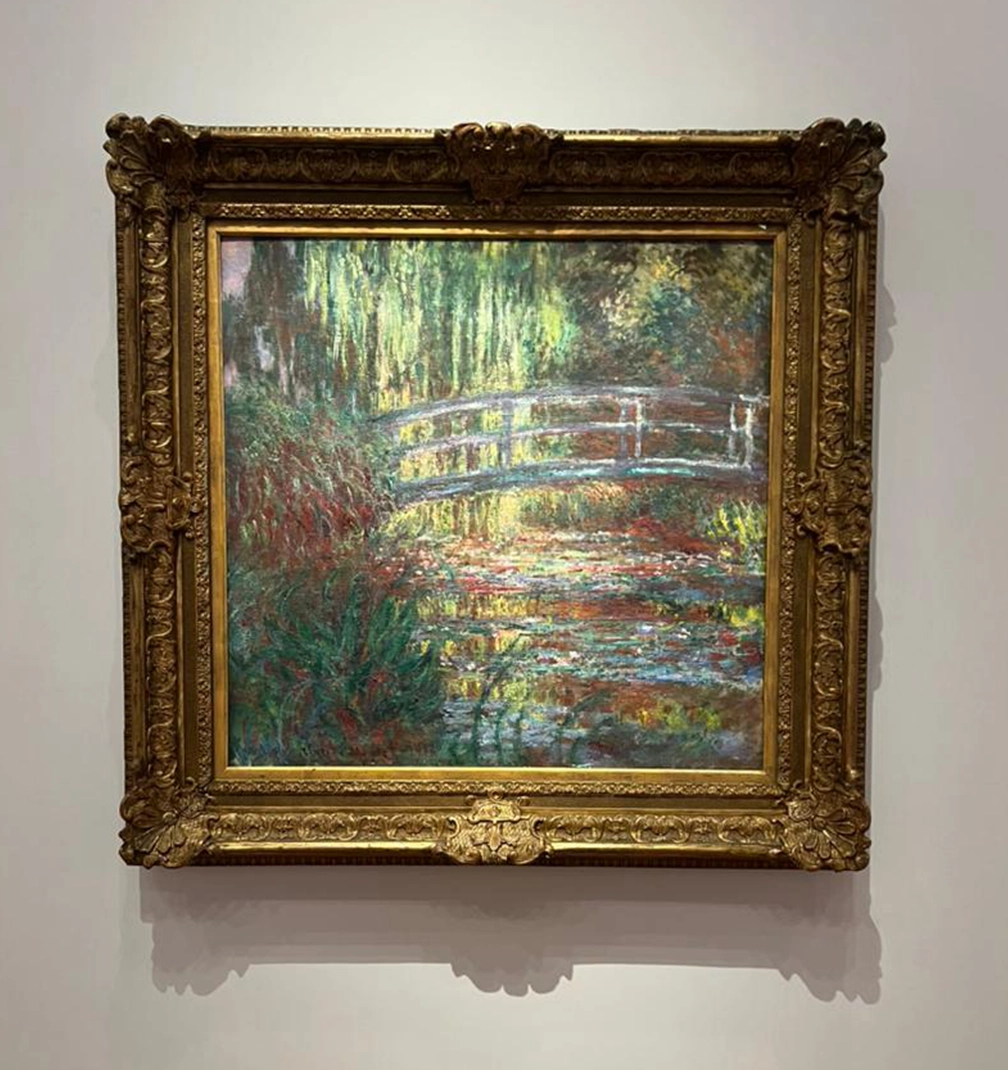
What also stood out was how deliberately these artists worked against convention. Leaving the studio to paint outdoors went against academic tradition. Choosing everyday life, changing cities, and ordinary moments as subjects was a shift in how art related to the world. It was practical, observational, and at the time, quite unconventional.
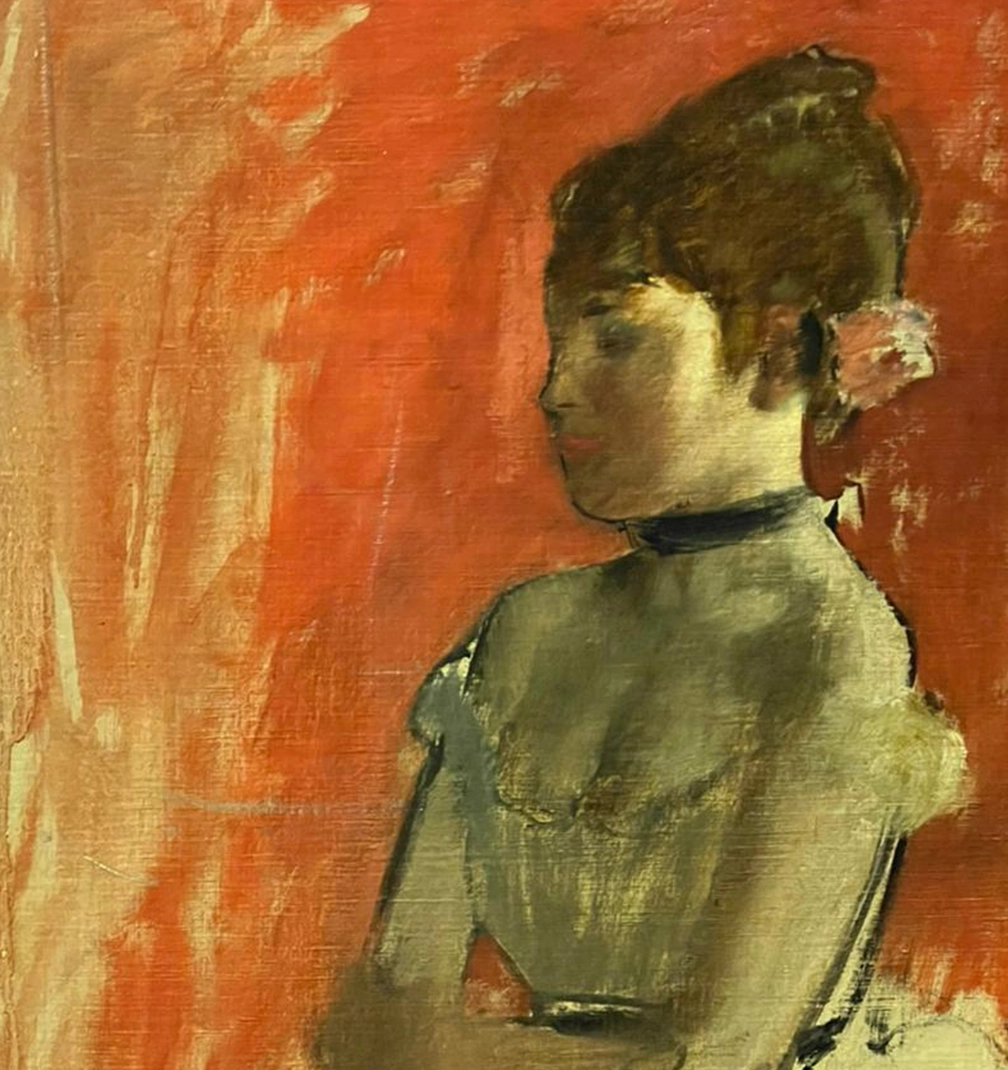
They also touch on how these artists criticised each other. Degas, for example, was teased for making paintings that looked almost unfinished. Too airy, too soft, too sketch-like. As if he was painting with cotton wool. Which, of course, is exactly what makes his work so interesting now.
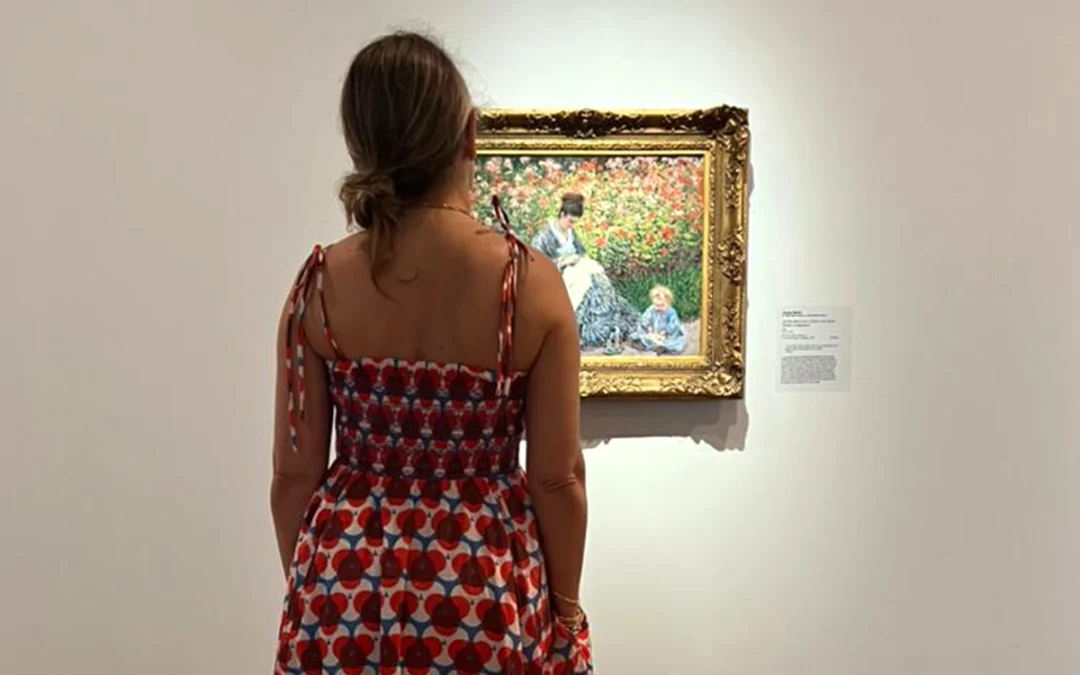
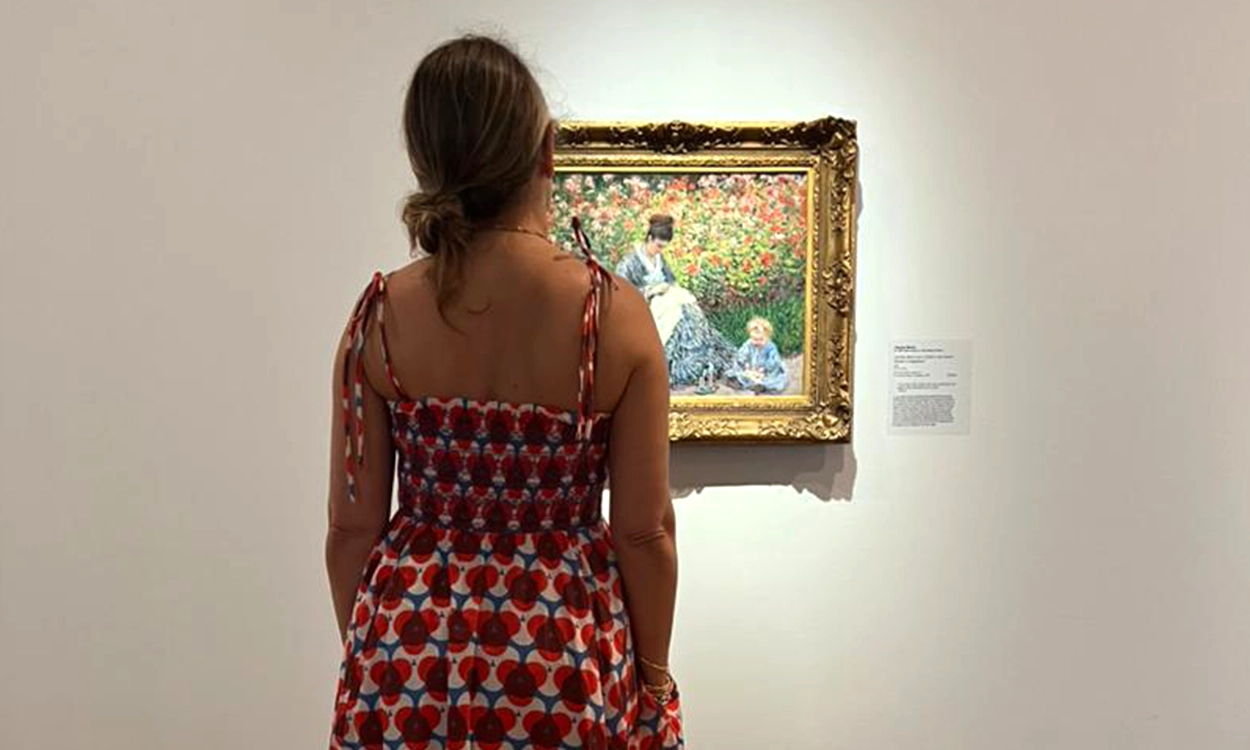
The exhibition at the National Gallery Singapore, Into the Modern: Impressionism from the Museum of Fine Arts, Boston, explains all of this beautifully. It is exceptionally well curated and easy to follow. You see Monet, Manet, Degas, Pissarro and others responding to a world that was changing fast, and each of them finding their own way of looking at it.
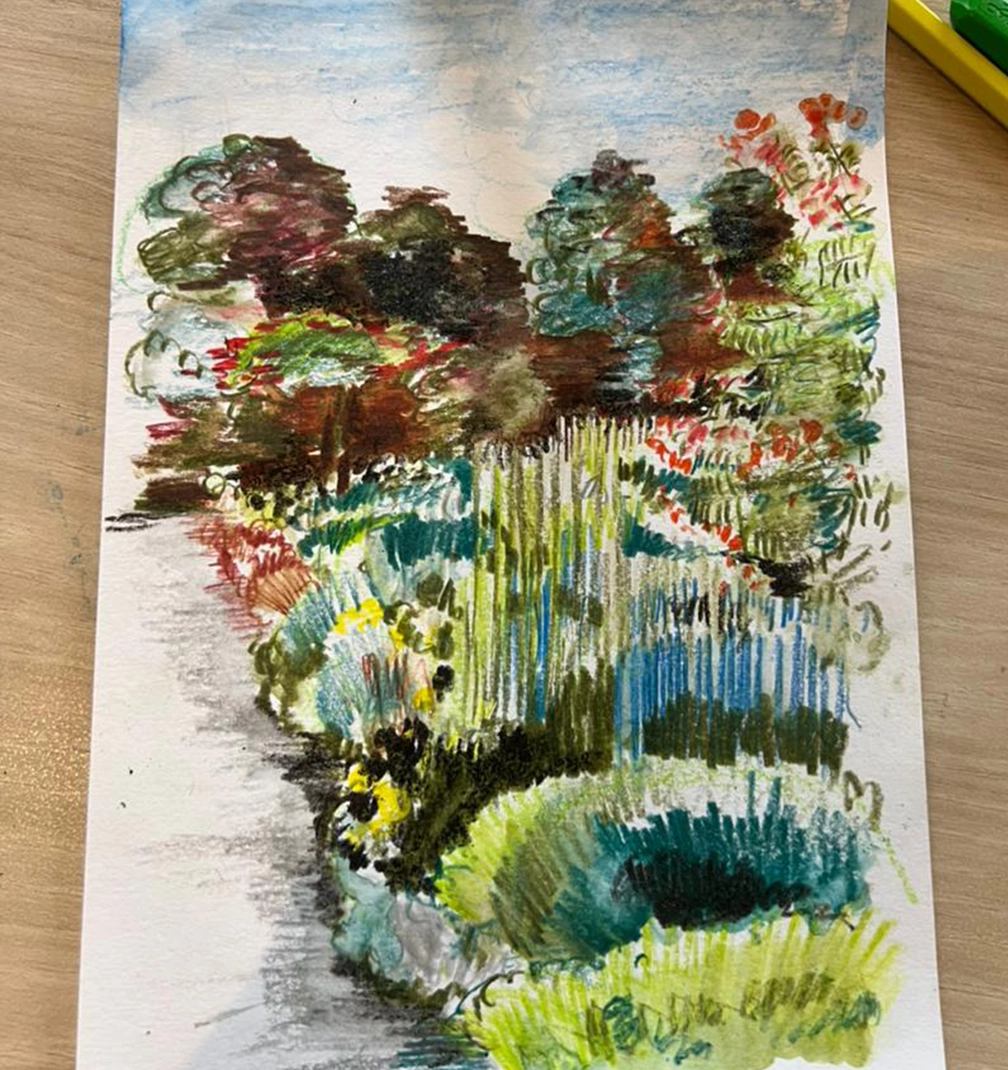
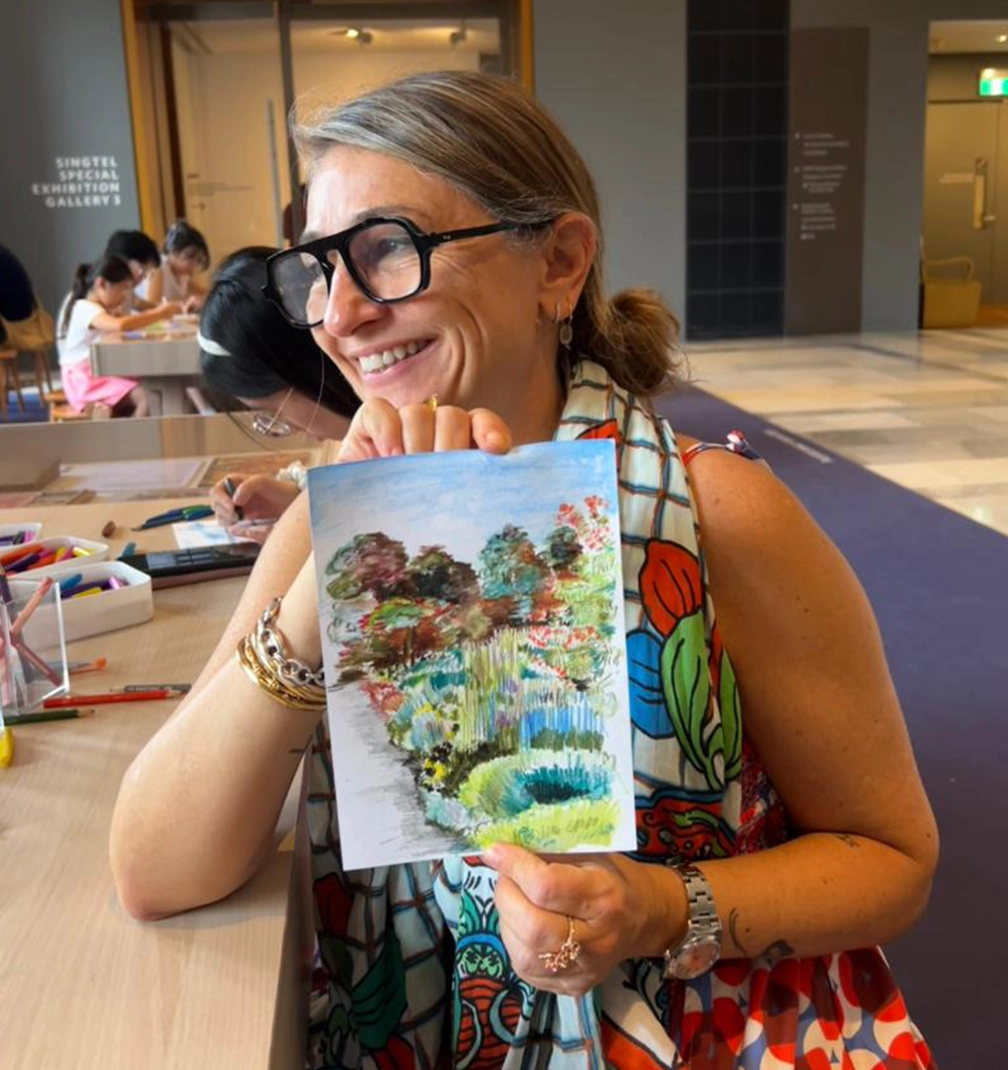
All the works come from the Museum of Fine Arts, Boston, and seeing so many of these classics together is quite something. There are also films and archival material, including footage of Monet painting outside in his own garden. Watching him stand there, brush in hand, surrounded by greenery and shifting light, feels almost unreal. Probably every artist’s dream. To take some paper, some paint, and just go outside.