
Nala Design New Collections Brutal TImes May 2026

SUBSCRIBE

LOGIN

NALA HAPPY TIMES

DESIGN

CULTURE

TASTE

TRAVEL

FOOD

THURSDAY SHOWS

UNAGI CLUB

NALA'S SHOP

DESIGN

CULTURE

TASTE

TRAVEL

FOOD

THURSDAY SHOWS

UNAGI CLUB

ARCHIVES

CONTRIBUTORS

DISCOVER

Nala's Instagram

Nala's Facebook

Nala's LinkedIn

Lisetts's LinkedIn

Nala's Tiktok

Nala's Youtube

OUR BRAND

About us

Nala's locations

FAQs

Customer service

Careers

Manifesto

HIGHLIGHT

Latest issue on 7 Sept 2025. Update every Saturday.

Thursday Show
From Pelikat to Batik

From Pelikat to Batik

5 min read

From Pelikat to Batik

LISETTE

SHARE

The Balloon Skirt will be available in all stores from this Saturday, including Singapore.

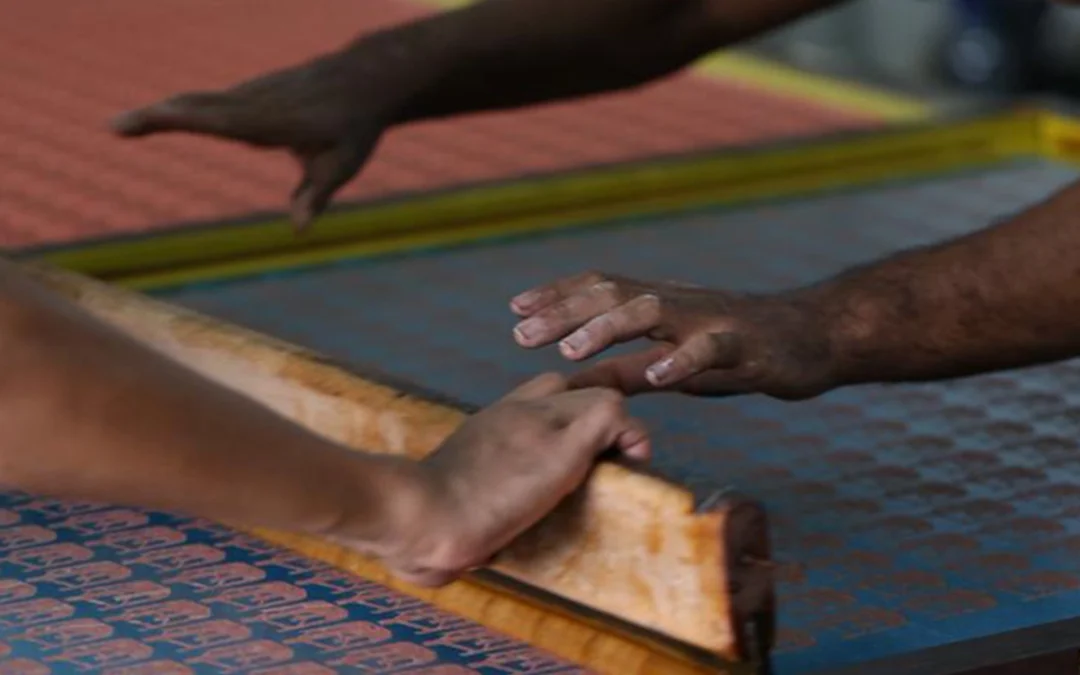
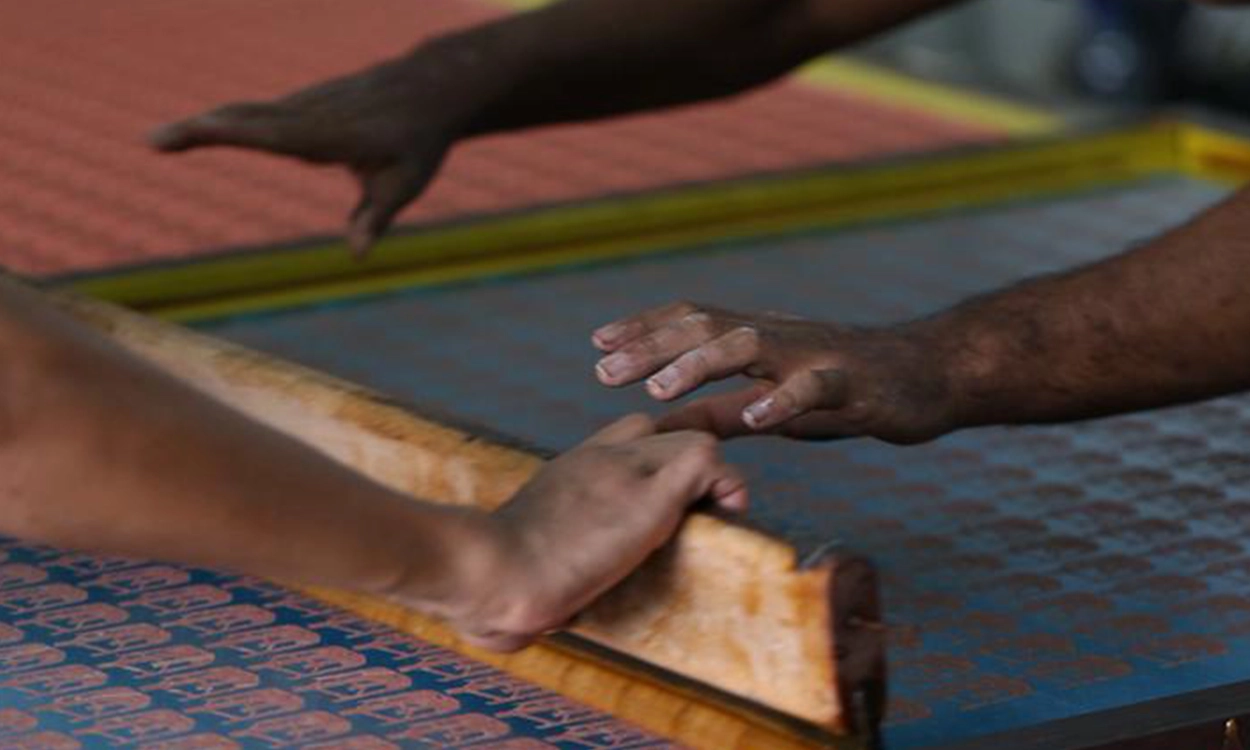
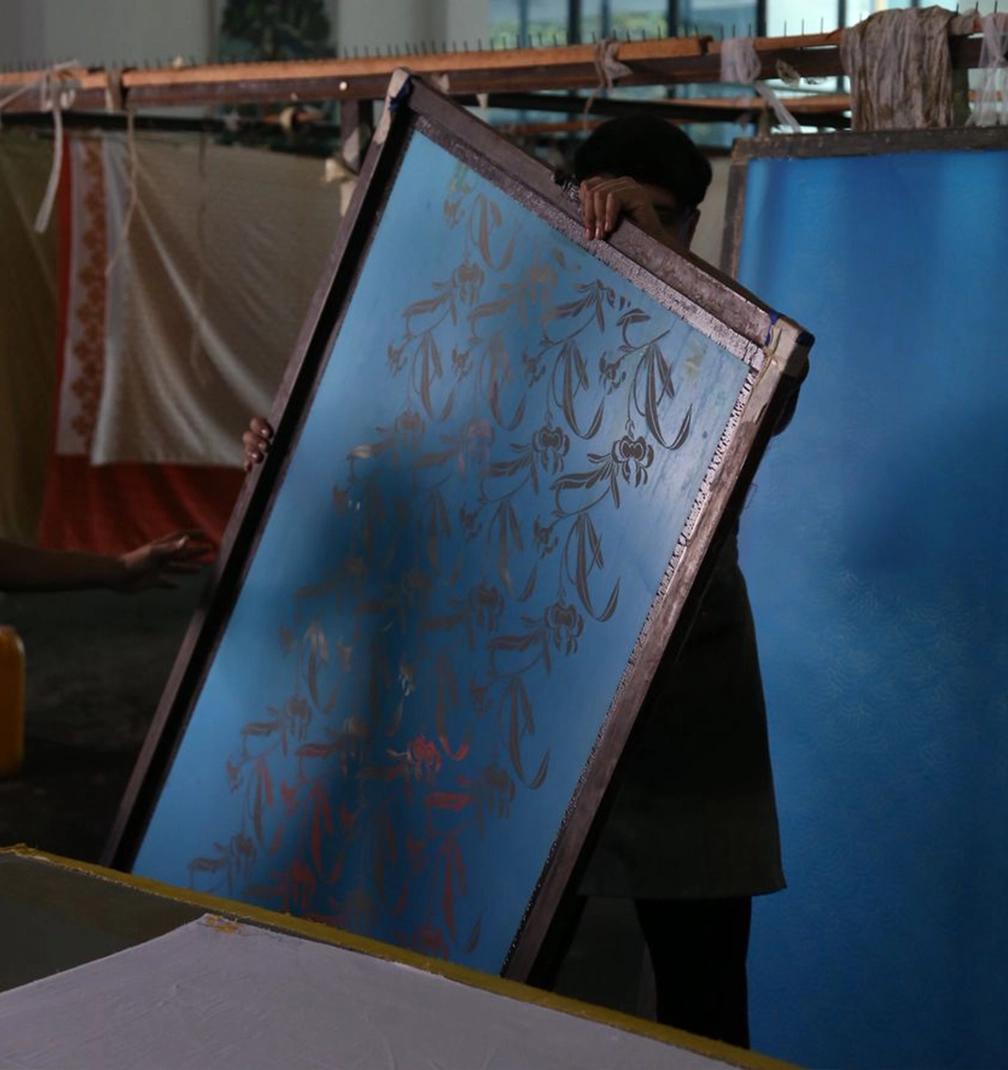
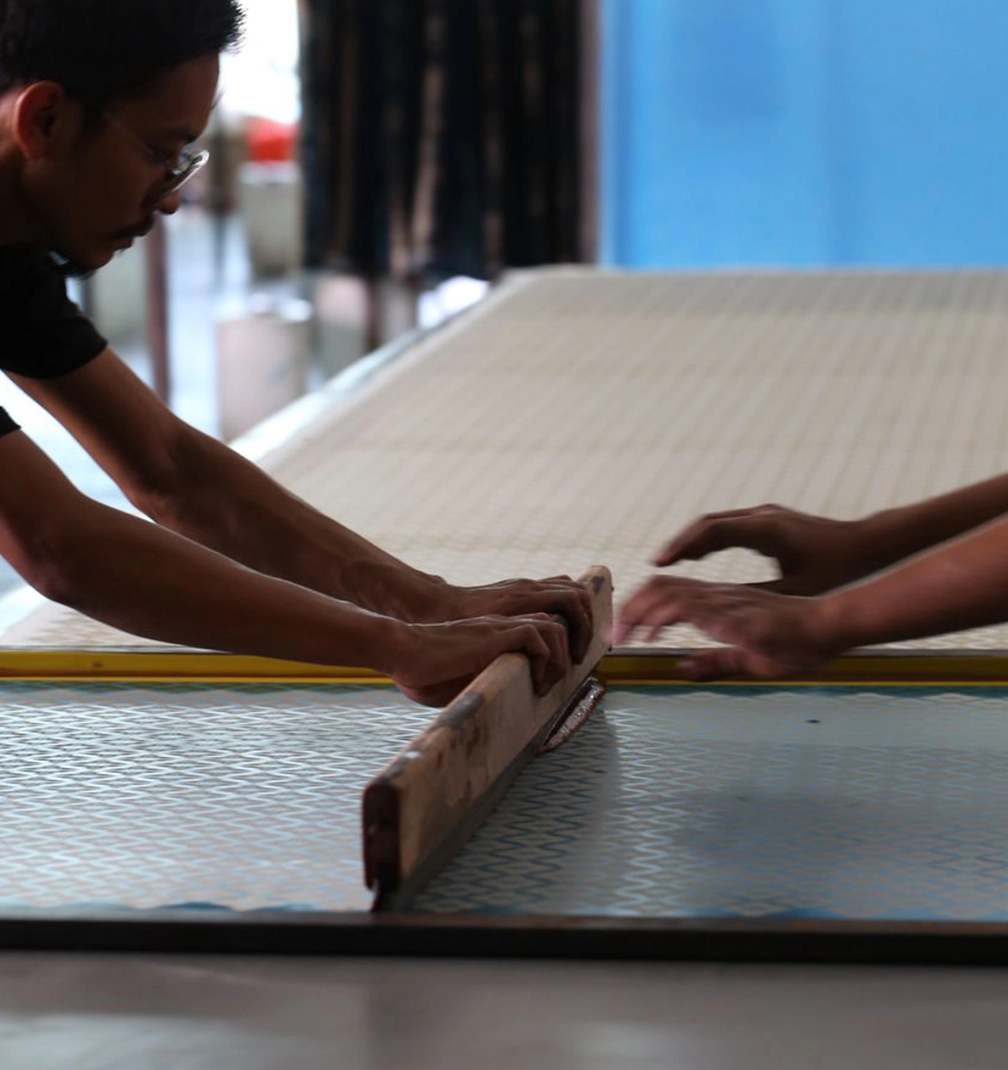
This silhouette began as our Pelikat skirt. It quickly became a favourite because of its volume, ease, and strength. Now it has evolved into batik, while remaining entirely Malaysian in spirit and production. It is 100 percent Malaysian and 100 percent made here. That is something I am very proud of.

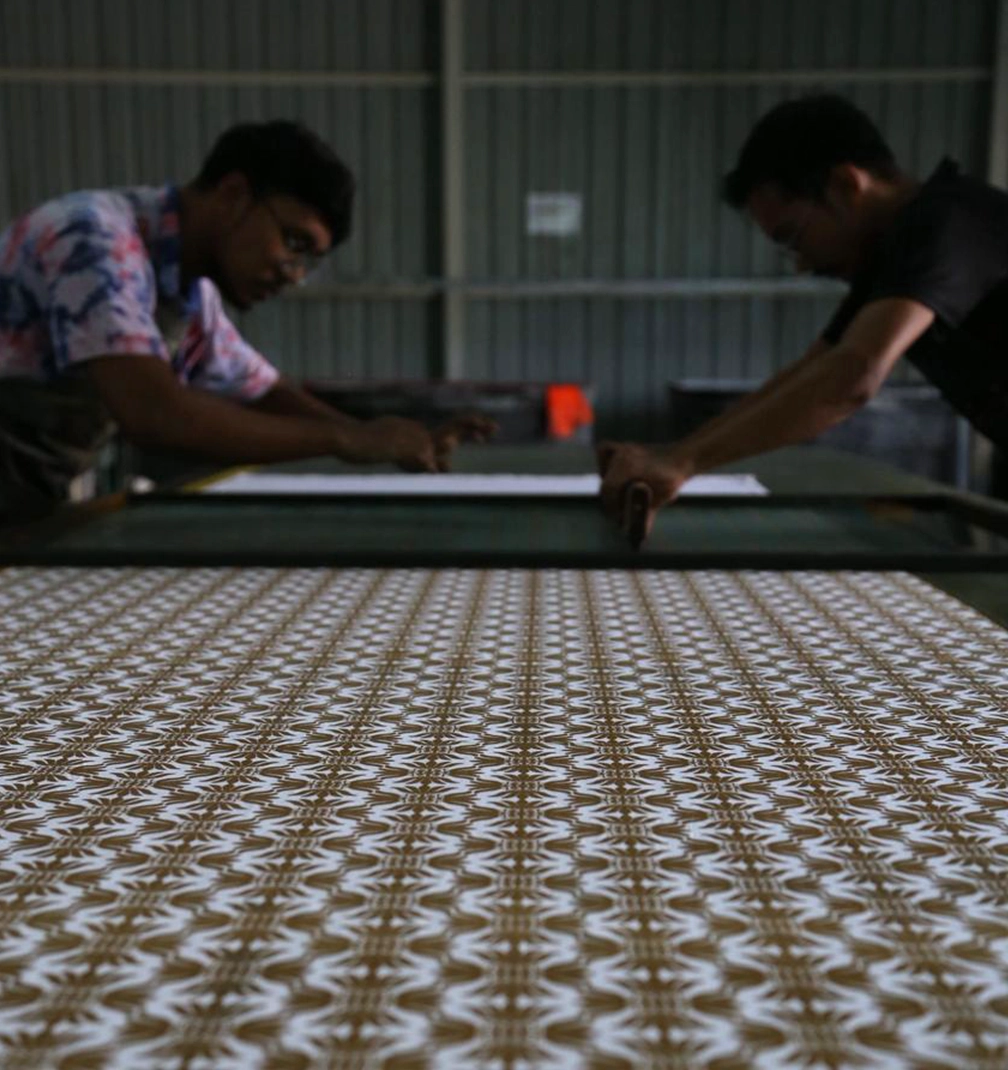
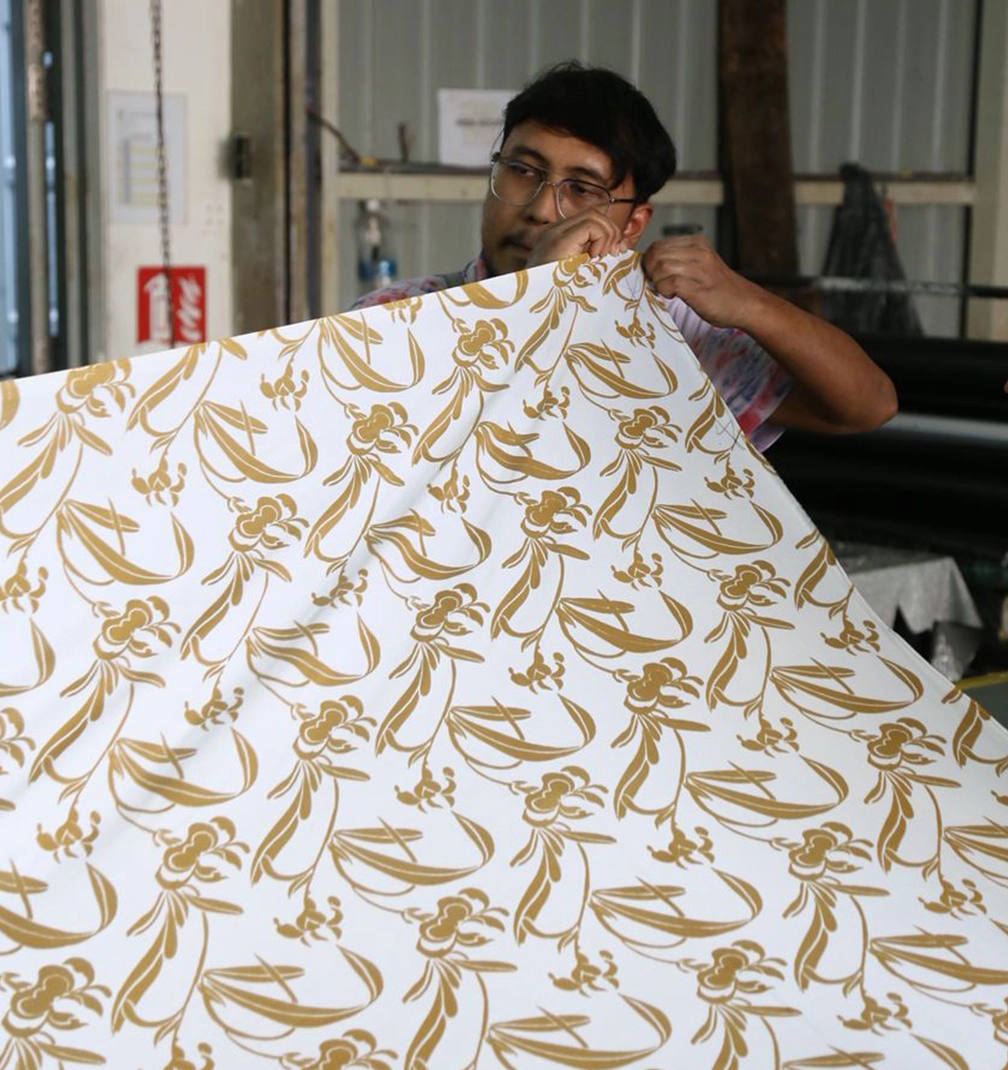
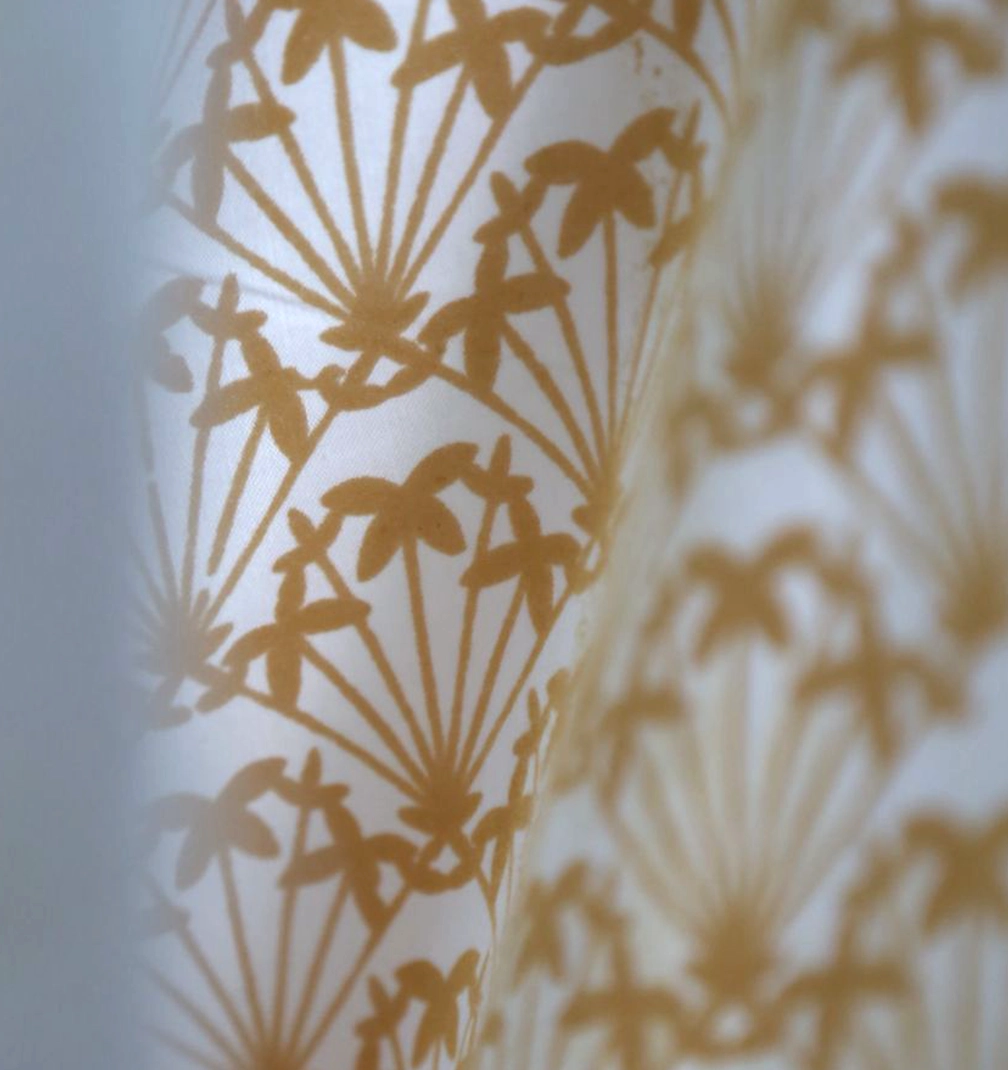
This new version is crafted in batik on cotton satin. The fabric is soft with structure, comfortable yet polished. It holds its shape beautifully and moves well on the body. It is effortless to wear, whether styled casually or dressed up.

The skirt that thinks it is a painting.

The skirt comes in two colour versions, each with its own personality, but both rooted in the same heritage craft.

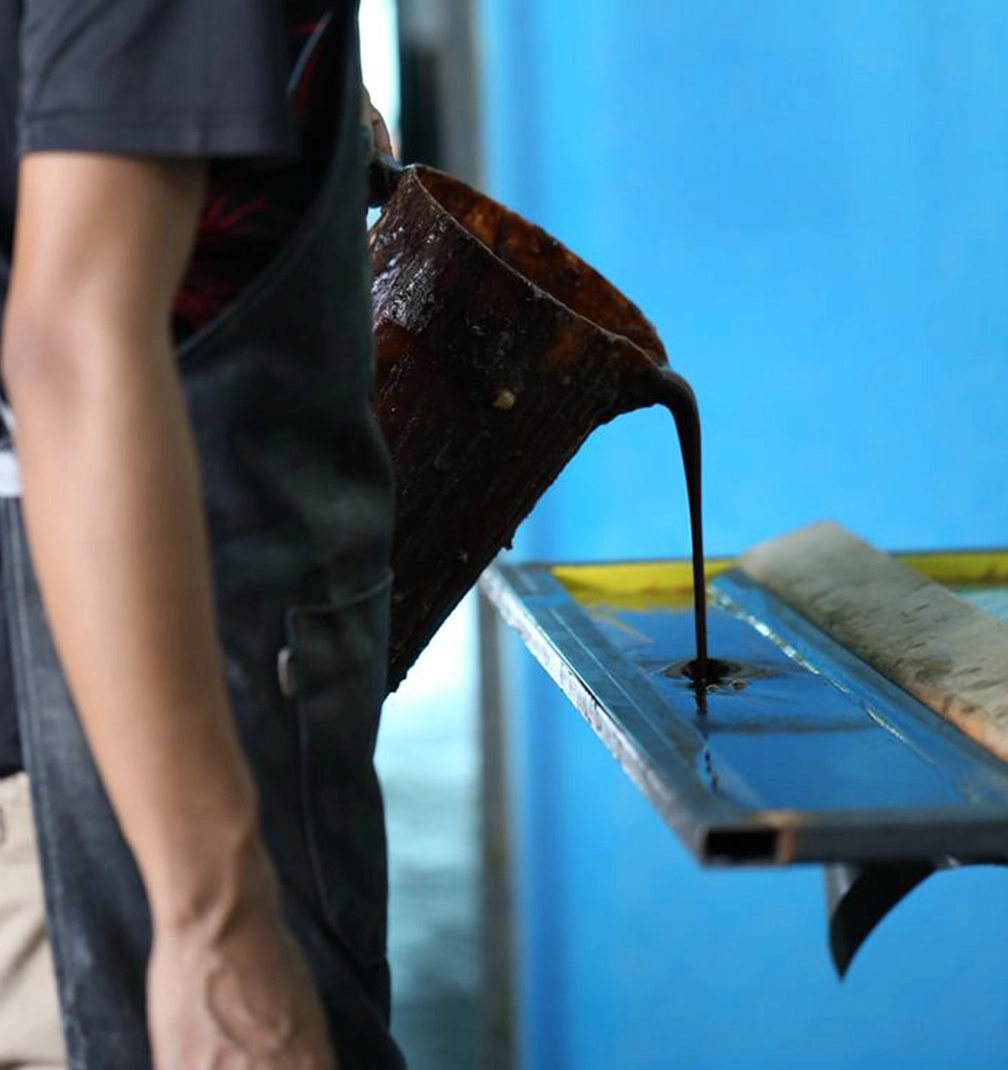
Each piece carries the individuality of handmade work. When it is finished, it is finished. We are not overproducing it. We are honouring the process.

For me, this is a quiet statement of Malaysian pride. A silhouette born from pelikat, reinterpreted in batik, and fully manufactured at home.

Full Circle at Tanglin

Full Circle at Tanglin

5 min read

Full Circle at Tanglin

My mother was digging through her archives and found something extraordinary.
A copy of Tanglin Shopper magazine from 1973.

LISETTE

SHARE

I was three years old then. Tanglin was already there. Already alive. Already full of shops, energy, aspiration and style.

And now, decades later, we have a shop in Tanglin Mall.

If that is not full circle, I do not know what is.

Flipping through the pages feels like opening a time capsule. The typography is beautiful. The advertisements are earnest and proud. There are diamond stores, beauticians, directories of tenants. Bata was already around. American Express too. The rhythm of retail, already established.

The skirt that thinks it is a painting.

One headline made me smile: How to work away the flab. The photographs are priceless. The activewear from 1973 looks nothing like what we wear today, yet the message feels familiar. There is also House of Donnie, described as being for the fat and the not so fat. And fifteen hints on how to stay slim.

Clearly, some conversations never change.

It is fascinating to see how culture evolves while certain human concerns remain exactly the same. The silhouettes shift. The colours shift. The language softens or sharpens. But the desire to feel good, look good, belong, and improve ourselves has always been there.

For me, Tanglin Mall is not just another location. I was born in Singapore. Life moved. The brand grew in Malaysia. And now we are back in Singapore, in Tanglin Mall. That small discovery in my mother’s archive suddenly made everything feel connected.

Sometimes the universe leaves you a quiet reminder that nothing is random. That stories loop back. That places hold memory.

And that it always pays to keep old magazines.

The skirt that thinks it is a painting.
Why We Should Be Following Artists Like This

Why We Should Be Following Artists Like This

5 min read

Why We Should Be Following Artists Like This

There is something deeply satisfying about watching someone master a simple tool.

LISETTE

SHARE

On Instagram, kamulch creates extraordinary cityscapes using nothing more than a fountain pen. No digital corrections. No undo button. Just ink, paper, and an incredible amount of patience. The level of detail he achieves is almost unbelievable. Entire streets unfold through thousands of tiny, deliberate lines. It is mind blowing.

The skirt that thinks it is a painting.

What resonates with me personally is the choice of tool. I also draw everything with a fountain pen. There is something about that constant flow of ink that feels alive. The line does not hesitate. It moves as you move. I choose my fountain pens carefully, depending on the thickness of the nib and the kind of line I want to create. And I always carry one with me. It is not just a pen, it is an extension of the hand.

Of course, what he does is another level entirely. The patience alone is extraordinary. To sit, observe, and build an entire world line by line requires discipline, focus, and devotion to craft. You can feel the hours inside each drawing.

And this is exactly the kind of work we should be filling our feeds with. Not gossip. Not endless drama about kings and queens and scandals. But craft. Skill. Dedication. The beauty of someone quietly perfecting their art.

In a world that moves too fast, watching ink flow steadily across paper is a reminder that mastery still exists. And that sometimes the most powerful thing you can do is slow down and draw.

Flowers Never Go Out of Fashion. Neither Do Patterns.

Flowers Never Go Out of Fashion. Neither Do Patterns.

5 min read

Flowers Never Go Out of Fashion. Neither Do Patterns.

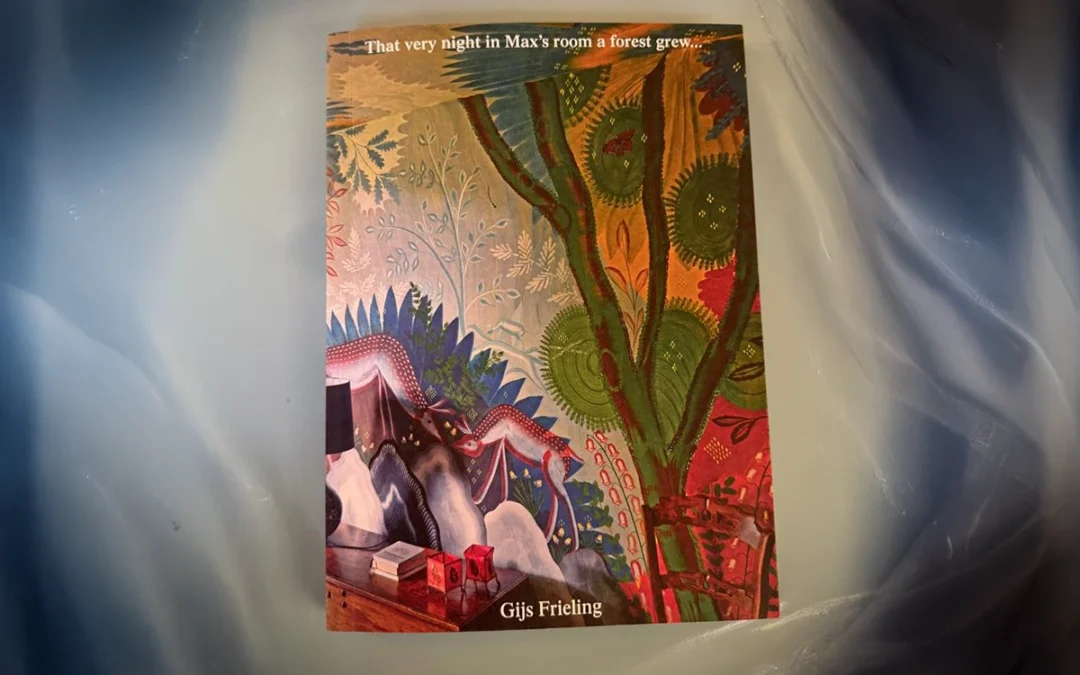
I bought this book at Liberty London two years ago, just before I decided to stop travelling for a while and stay anchored in Kuala Lumpur to really build my team and strengthen our foothold there.

LISETTE

SHARE

It was a conscious decision rather than a forced one, although I do admit that my weekly trips to Singapore conveniently do not count as travelling in my head. If you can take a bus there, it feels more like commuting than wandering.

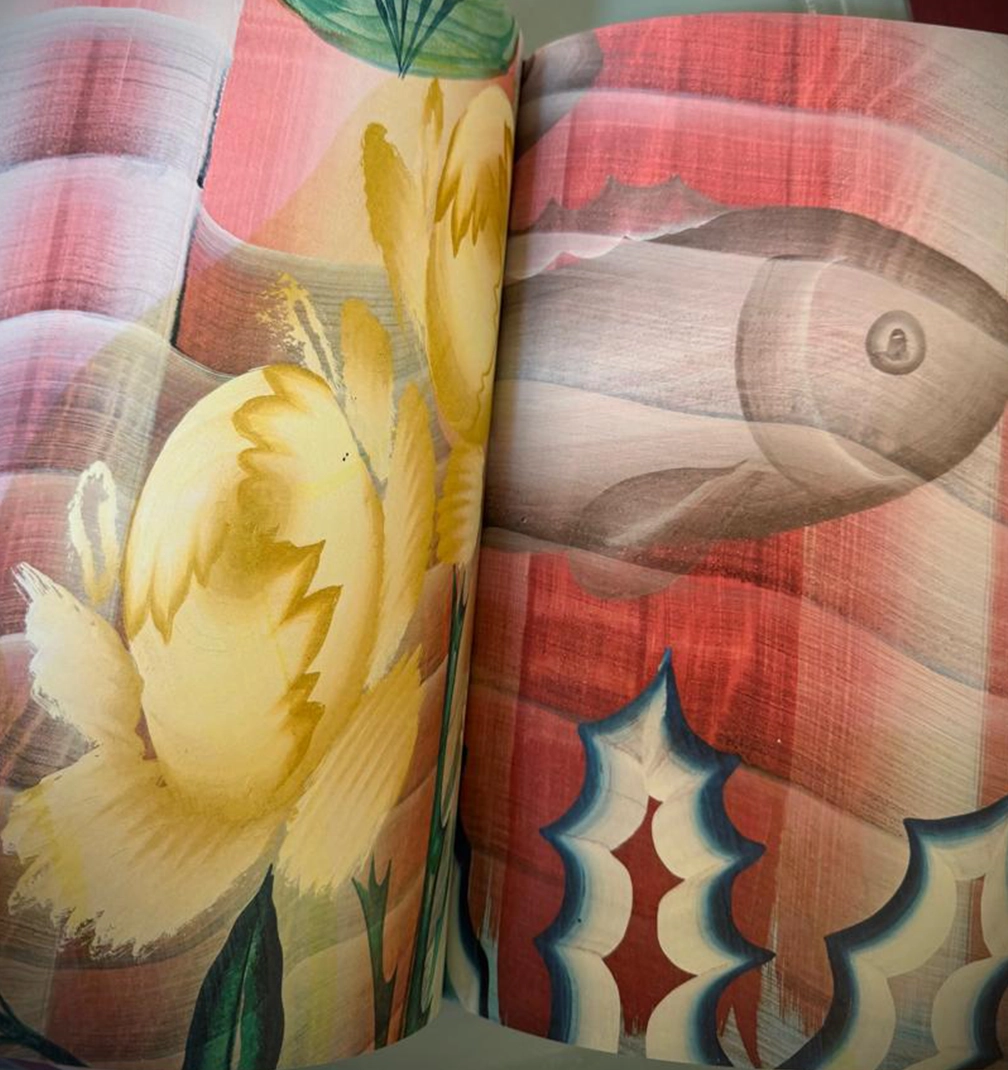
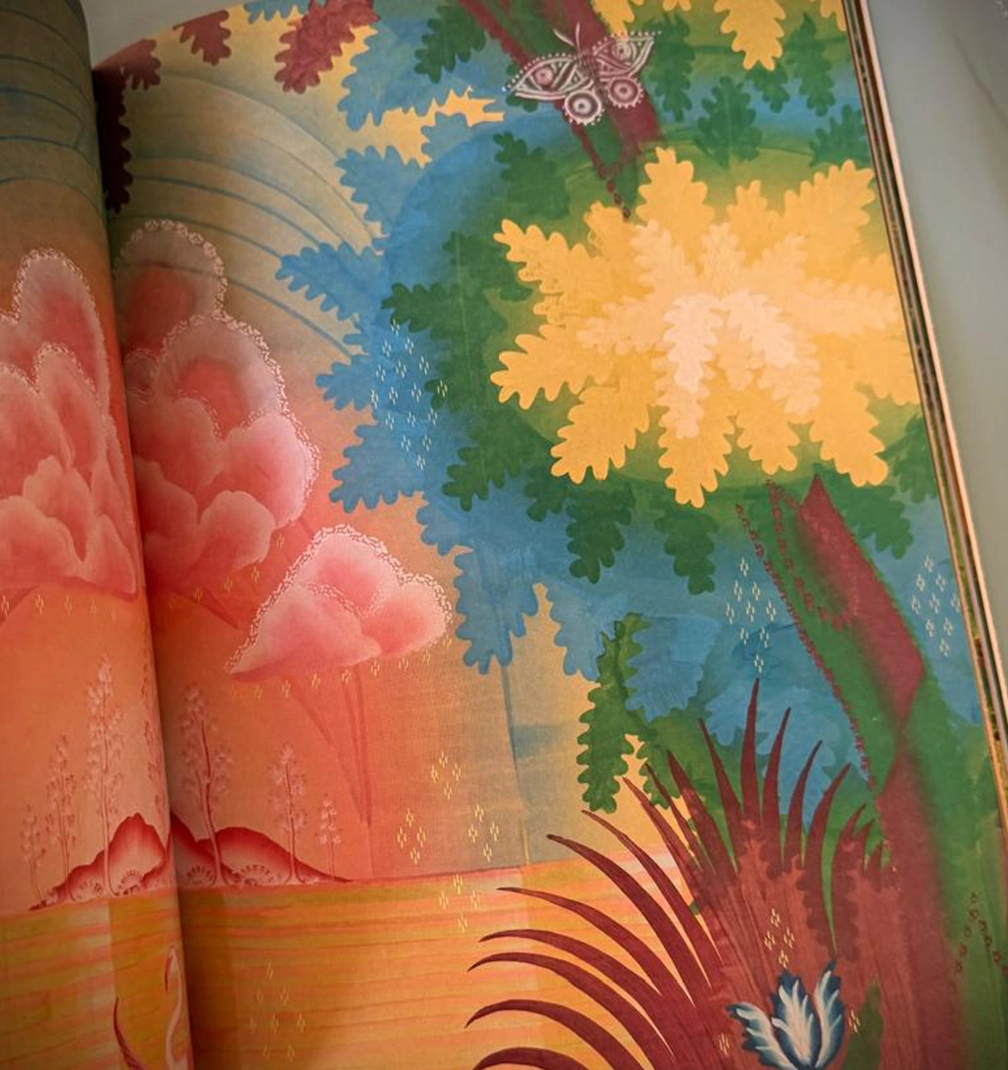
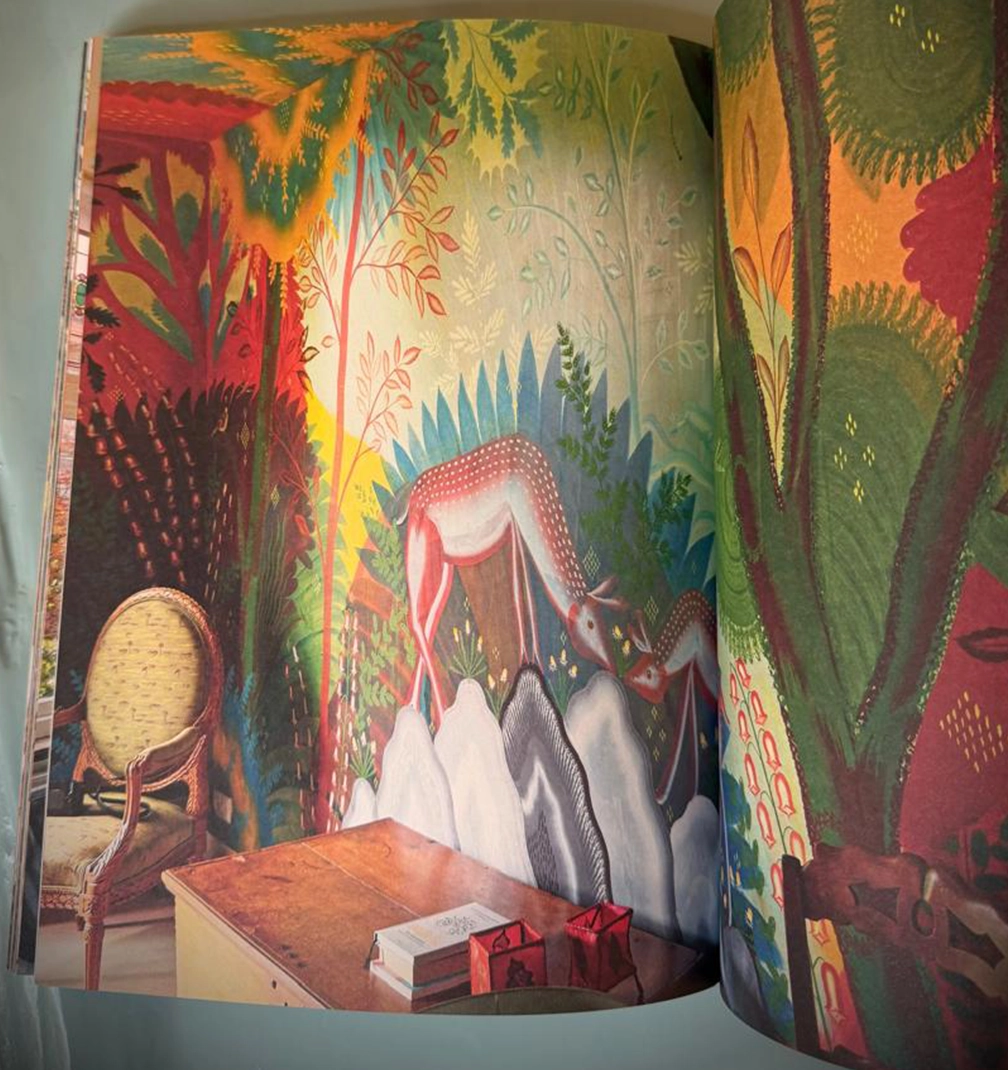
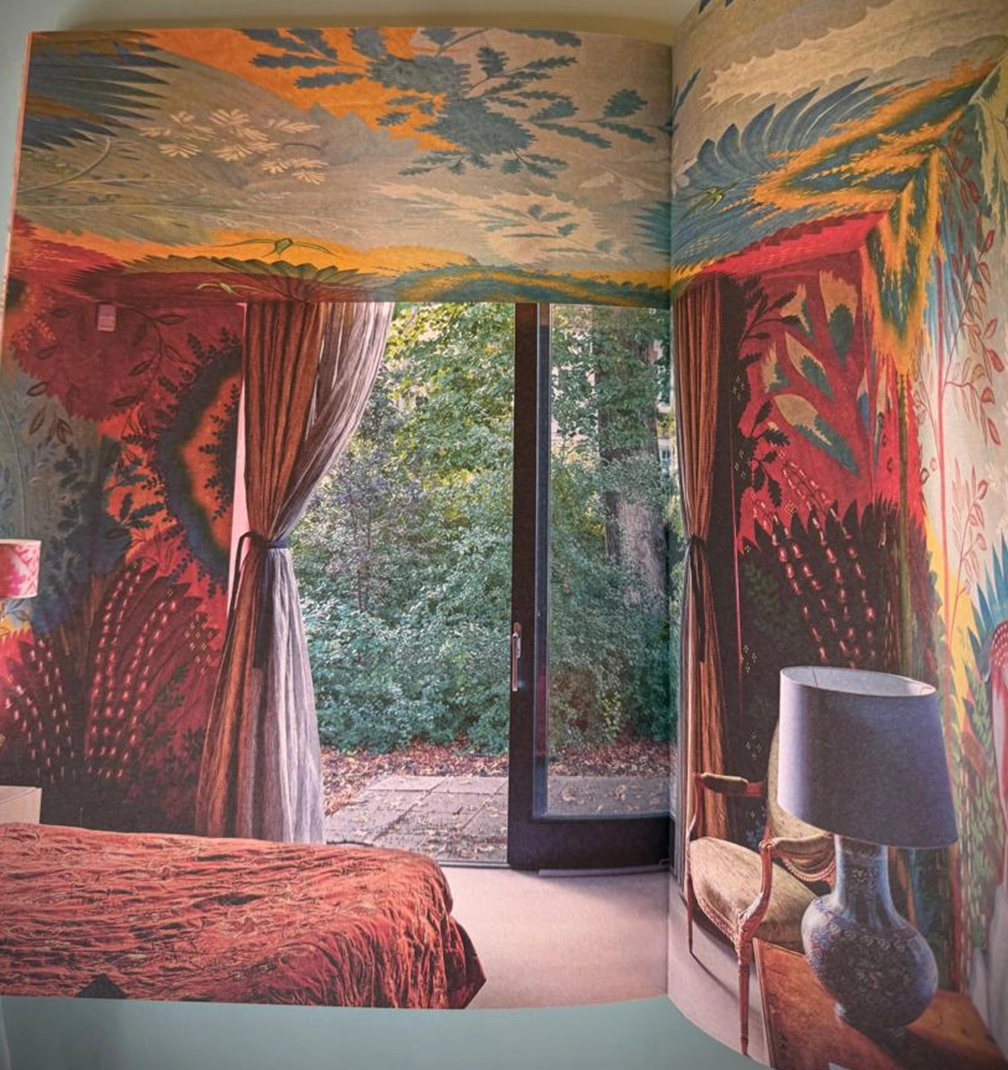
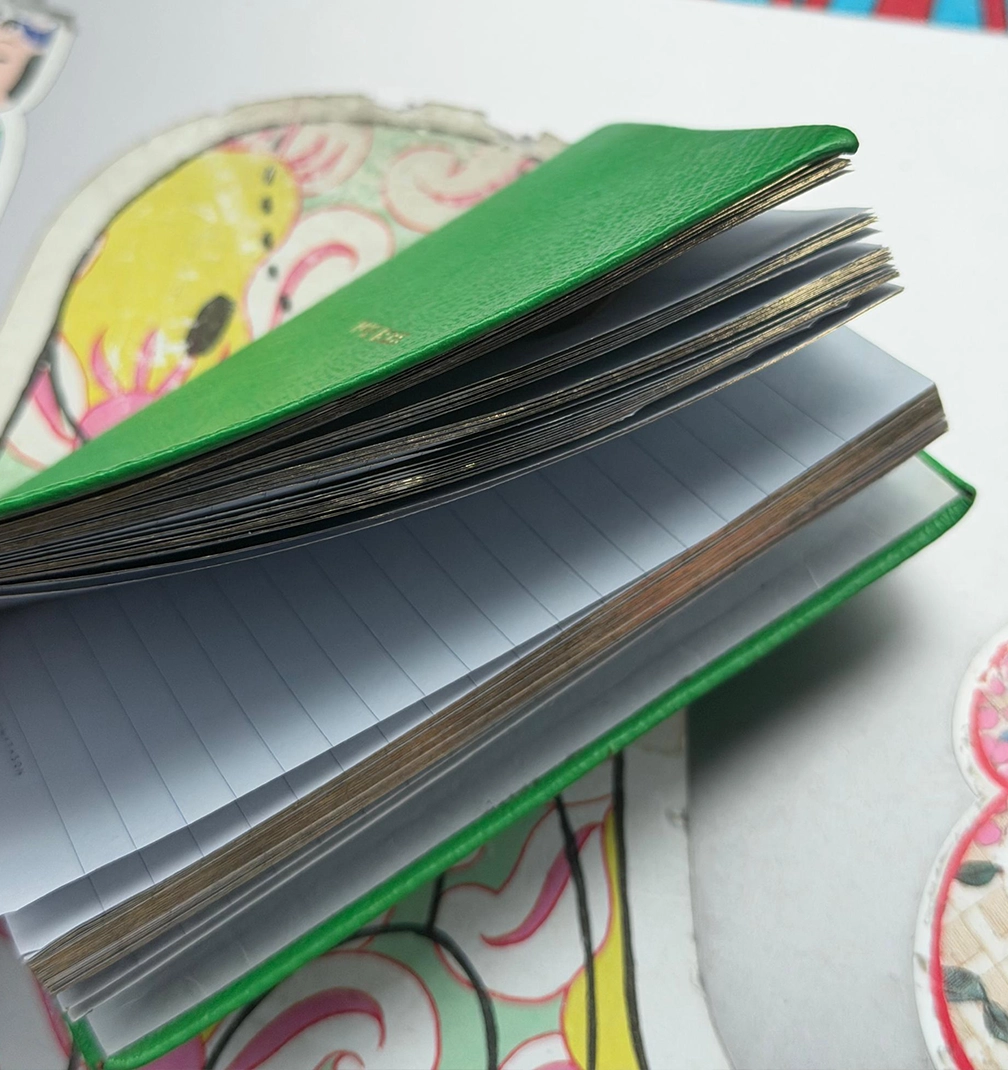
The book is Dior Scarves. Fashion Stories, published by Thames & Hudson, and it explores decades of scarf design from the house of Dior. It is one of the most beautiful books I own. The pages are exceptionally thin, almost tissue like, which somehow makes the experience more luxurious because there are so many of them. You turn one page and then another and another, and it feels endless. Scarves upon scarves, each one telling its own small visual story.

The skirt that thinks it is a painting.

What I love most about this book is the sense of freedom in the designs. You quickly realise that a scarf does not need to be rigidly structured or overwhelmingly intricate to be impactful. It does not always need to be engineered with mathematical precision. Sometimes it is simply one flower, placed with confidence, and that is enough. Sometimes it is a bold sweep of colour or an expressive illustration that feels almost spontaneous.

Many of the designs appear hand painted or hand drawn, and that human touch is unmistakable. You can see the softness of the brush, the slight irregularities in the line, and the life inside the composition. There is warmth in it. There is personality. It does not feel overworked or digitally perfected.

As someone who spends her life thinking about prints and patterns, I find this deeply inspiring. It feels very close to what we believe in. Florals that are not shy. Patterns that are allowed to breathe. Motifs that carry emotion rather than just decoration.

This book is a reminder that flowers never go out of fashion, and neither do patterns. They evolve and reinterpret themselves, but they never disappear. They simply return in new colours, new scales, and new moods, ready to be loved all over again.

My Birds Are a Problem

My Birds Are a Problem

5 min read

My Birds Are a Problem

I have been painting my whole life. I know my way around a brush. Or at least I thought I did.

LISETTE

SHARE

Then I started Chinese brush painting.

This is only my second session, and I can say without exaggeration that this is one of the most humbling things I have ever attempted. It looks free. It looks expressive. It looks like you just flick your wrist and magic happens.

It does not.

There are rules. Very precise rules. You have to manage the water in the brush, the amount of ink, the balance between the two, and sometimes even load the brush with a gradient so that a single stroke carries light and dark at once. You have to think before the brush touches the paper because once it lands, that is it. There is no correcting. No layering. No going back in to fix a wing that suddenly looks like a potato.

The second you hesitate or do not fully know what you are doing, the painting reveals you immediately.

It demands full presence. You cannot multitask. You cannot be distracted. It is deliberate and focused in a way that feels almost meditative. That intensity is exactly why I love it.

The skirt that thinks it is a painting.

My Laoshi is extraordinary. When he demonstrates, I honestly do not understand how one person can know so much about how plants grow, how leaves curl, how fruit hangs from a branch, or how birds balance in the air. His understanding of nature is phenomenal. Watching him paint is an absolute pleasure.

As for me, my birds are a problem. They refuse to cooperate. They do not look like they can fly. They barely look like they want to. The flowers are not too bad, and my latest pomegranate is my favourite so far. At least the pomegranate looks confident.

The class is every Saturday, and it has quietly become my favourite day of the week. It is a challenge, and I am not naturally good at it. But I love that. It reminds me that even when you have painted your entire life, there is always something new that can humble you and make you start again from the beginning.

The skirt that thinks it is a painting.
The first Ottolenghi cookbook I ever bought

The first Ottolenghi cookbook I ever bought

5 min read

The first Ottolenghi cookbook I ever bought

The first Ottolenghi cookbook I ever bought was Jerusalem, and I can safely say that this book quietly changed the way I cook and, honestly, the way I think about vegetables forever.

LISETTE

SHARE

Before Jerusalem, I cooked quite normally. After Jerusalem, vegetables became the main character in my kitchen.

Ottolenghi has this magical ability to turn vegetables into something so rich, so comforting, and so satisfying that you genuinely forget about meat. Not in a preachy way. Not in a “this is healthier” way. More in a “why would I even want anything else” way.

The skirt that thinks it is a painting.

When I opened my first restaurant, DR.Inc (which is now called Lisette’s, run by The Social), the entire foundation of my buffet came straight out of Ottolenghi cookbooks. Dish after dish after dish was inspired by him. And of course, I never made any money, because I also followed his ingredient lists religiously.

If he said macadamia nuts, I bought macadamia nuts.
If he said maple syrup, I bought maple syrup.
If he said the best olive oil, I bought the best olive oil.

No shortcuts. No compromises. Zero business sense. Lots of flavour.

But the colours, the textures, the abundance, the richness. It was completely intoxicating. Big trays of roasted vegetables, herbs everywhere, yoghurt, tahini, citrus, crunch, softness, sweetness, heat. Everything layered. Everything generous.

I honestly don’t think I have ever cooked an Ottolenghi dish that wasn’t delicious, and more importantly, one that I didn’t immediately want to eat again.