
SUBSCRIBE

LOGIN

NALA HAPPY TIMES

DESIGN

CULTURE

TASTE

TRAVEL

FOOD

THURSDAY SHOWS

UNAGI CLUB

NALA’S SHOP

DESIGN

CULTURE

TASTE

TRAVEL

FOOD

THURSDAY SHOWS

UNAGI CLUB

ARCHIVES

CONTRIBUTORS

DISCOVER

Nala’s Instagram

Nala’s Facebook

Nala’s LinkedIn

Lisetts’s LinkedIn

Nala’s Tiktok

Nala’s Youtube

OUR BRAND

About us

Nala’s locations

FAQs

Customer service

Careers

Manifesto

HIGHLIGHT

Latest issue on 7 Sept 2025. Update every Saturday.

Thursday Show
The first Ottolenghi cookbook I ever bought

The first Ottolenghi cookbook I ever bought

5 min read

The first Ottolenghi cookbook I ever bought

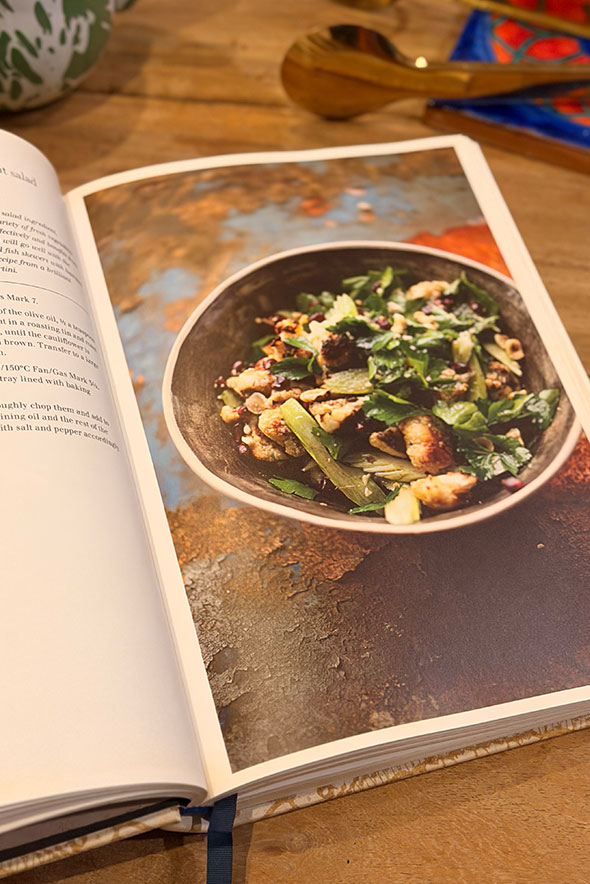
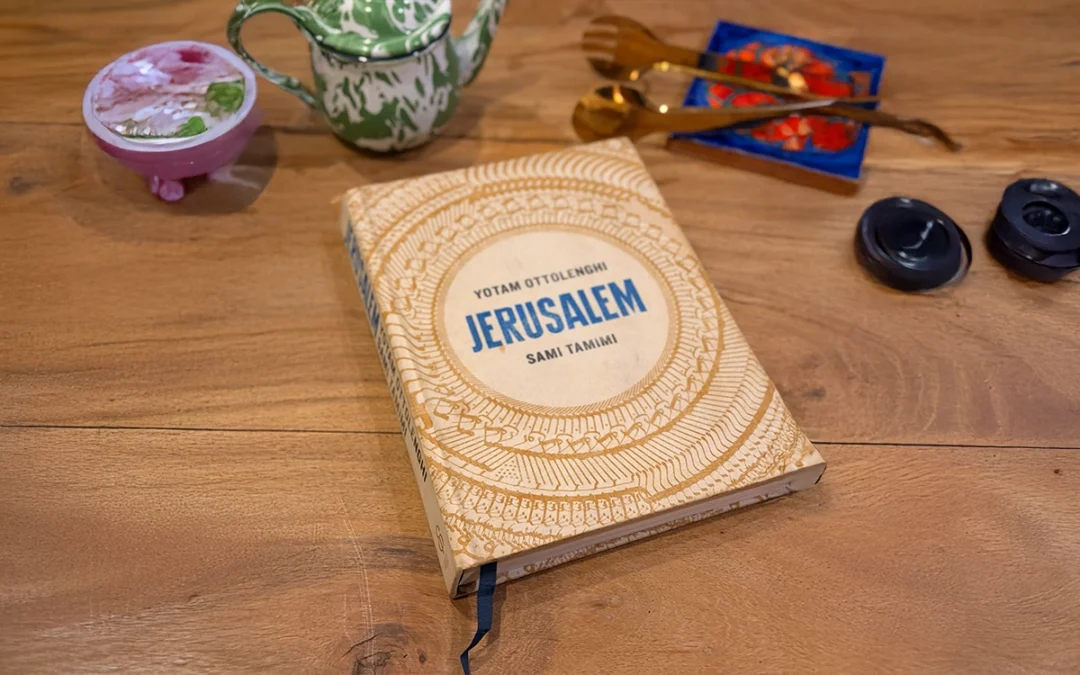
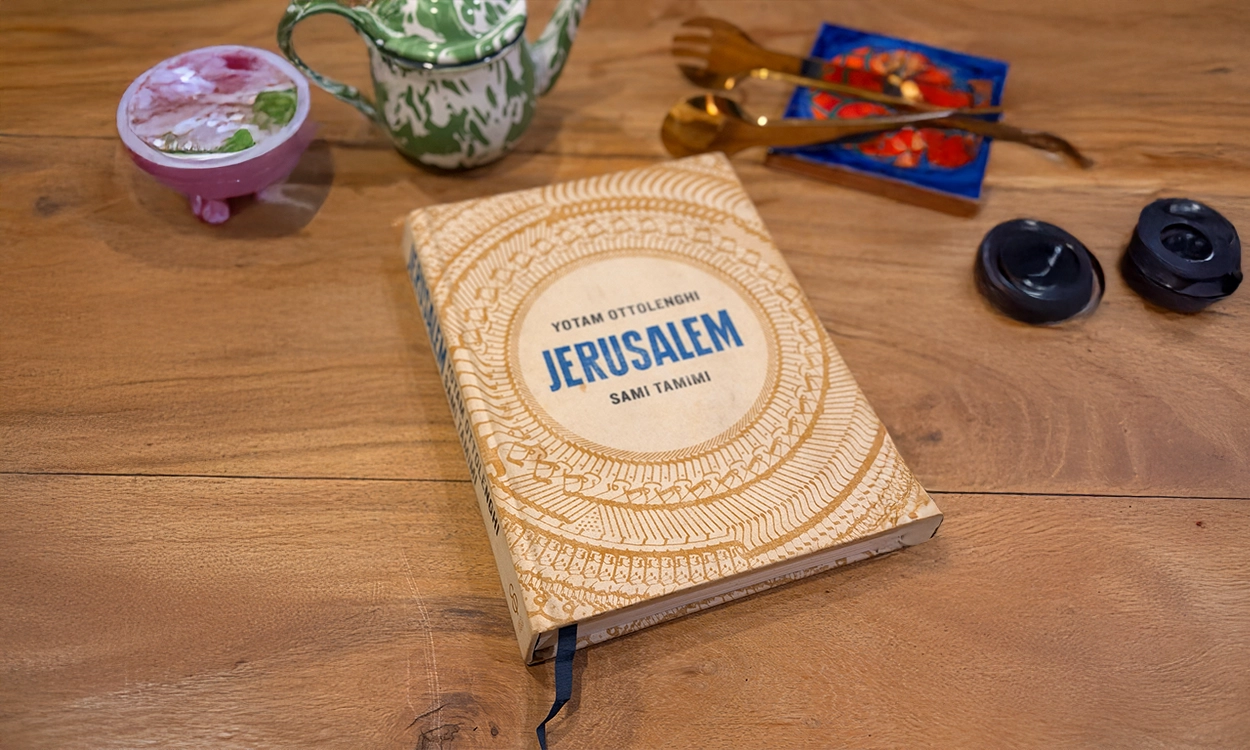
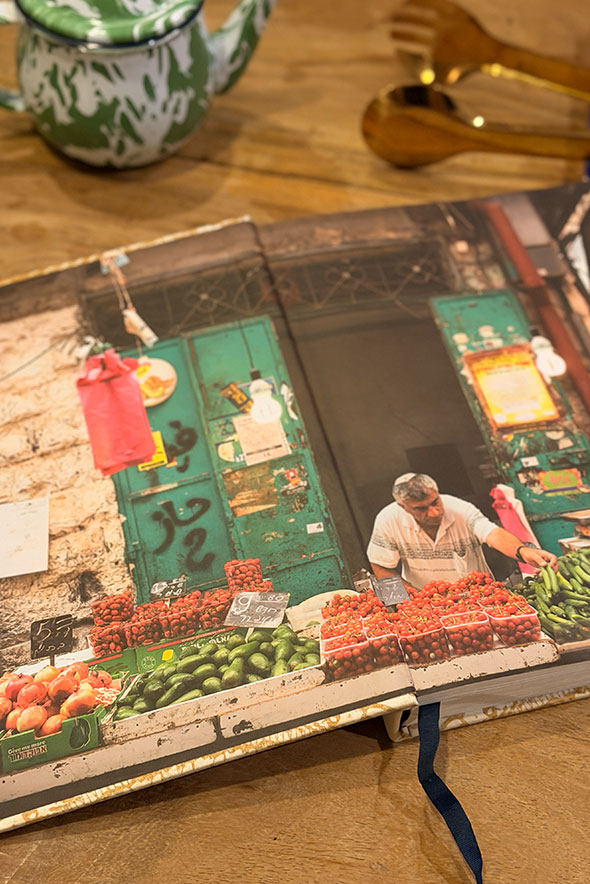
The first Ottolenghi cookbook I ever bought was Jerusalem, and I can safely say that this book quietly changed the way I cook and, honestly, the way I think about vegetables forever.

LISETTE

SHARE

Before Jerusalem, I cooked quite normally. After Jerusalem, vegetables became the main character in my kitchen.

Ottolenghi has this magical ability to turn vegetables into something so rich, so comforting, and so satisfying that you genuinely forget about meat. Not in a preachy way. Not in a “this is healthier” way. More in a “why would I even want anything else” way.
The skirt that thinks it is a painting.

When I opened my first restaurant, DR.Inc (which is now called Lisette’s, run by The Social), the entire foundation of my buffet came straight out of Ottolenghi cookbooks. Dish after dish after dish was inspired by him. And of course, I never made any money, because I also followed his ingredient lists religiously.

If he said macadamia nuts, I bought macadamia nuts.
If he said maple syrup, I bought maple syrup.
If he said the best olive oil, I bought the best olive oil.

No shortcuts. No compromises. Zero business sense. Lots of flavour.

But the colours, the textures, the abundance, the richness. It was completely intoxicating. Big trays of roasted vegetables, herbs everywhere, yoghurt, tahini, citrus, crunch, softness, sweetness, heat. Everything layered. Everything generous.

I honestly don’t think I have ever cooked an Ottolenghi dish that wasn’t delicious, and more importantly, one that I didn’t immediately want to eat again.
I am going to rob a bank

I am going to rob a bank

5 min read

I am going to rob a bank

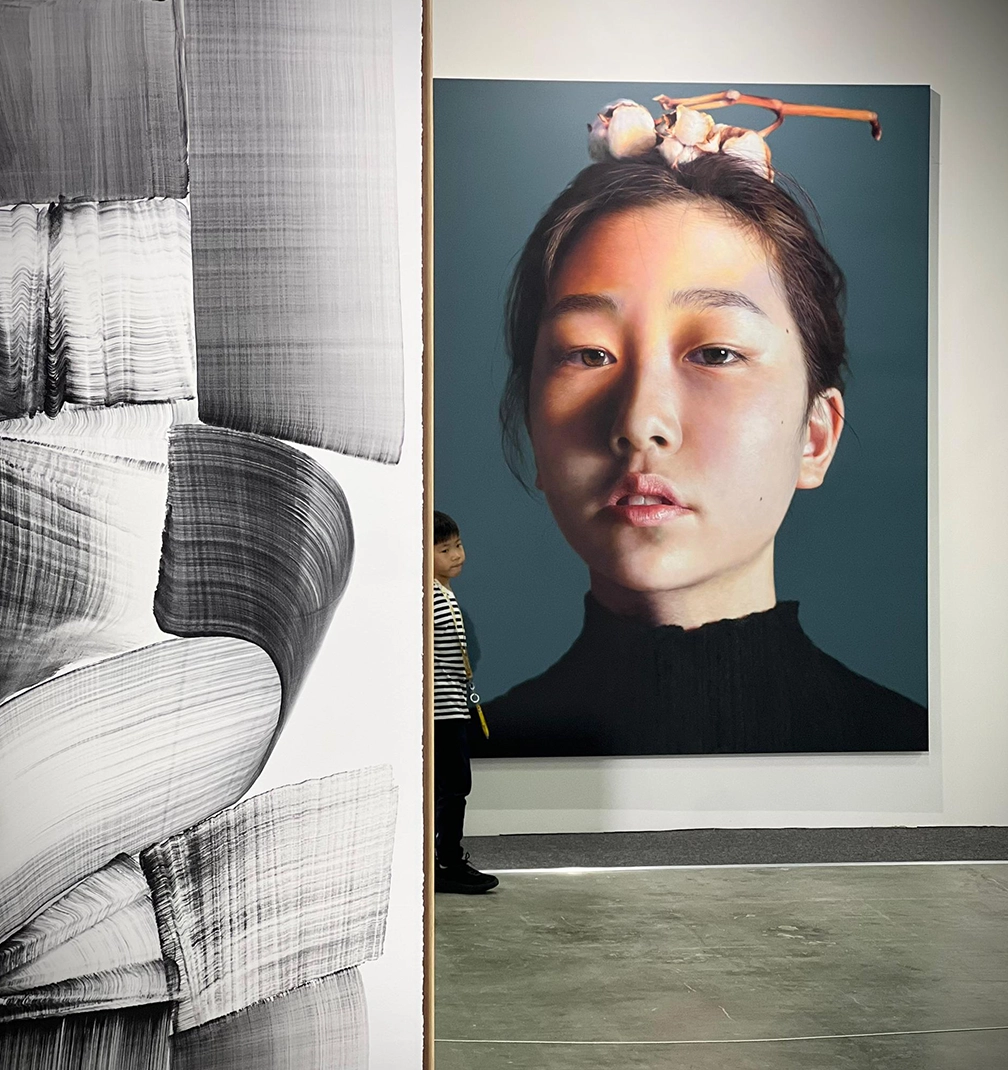
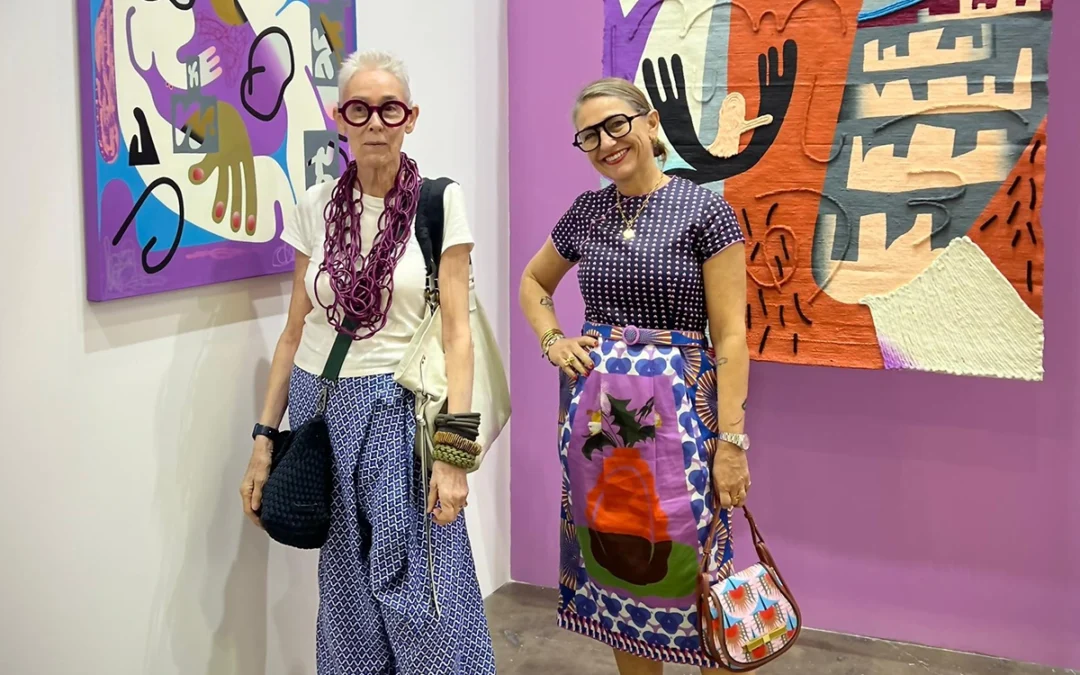
I went to the VIP launch of Art Singapore yesterday and it was excellent. Sharp, well curated and inspiring. If you are in Singapore this week, it is worth your time. You do not need to buy anything to enjoy it. Looking is more than enough.

LISETTE

SHARE

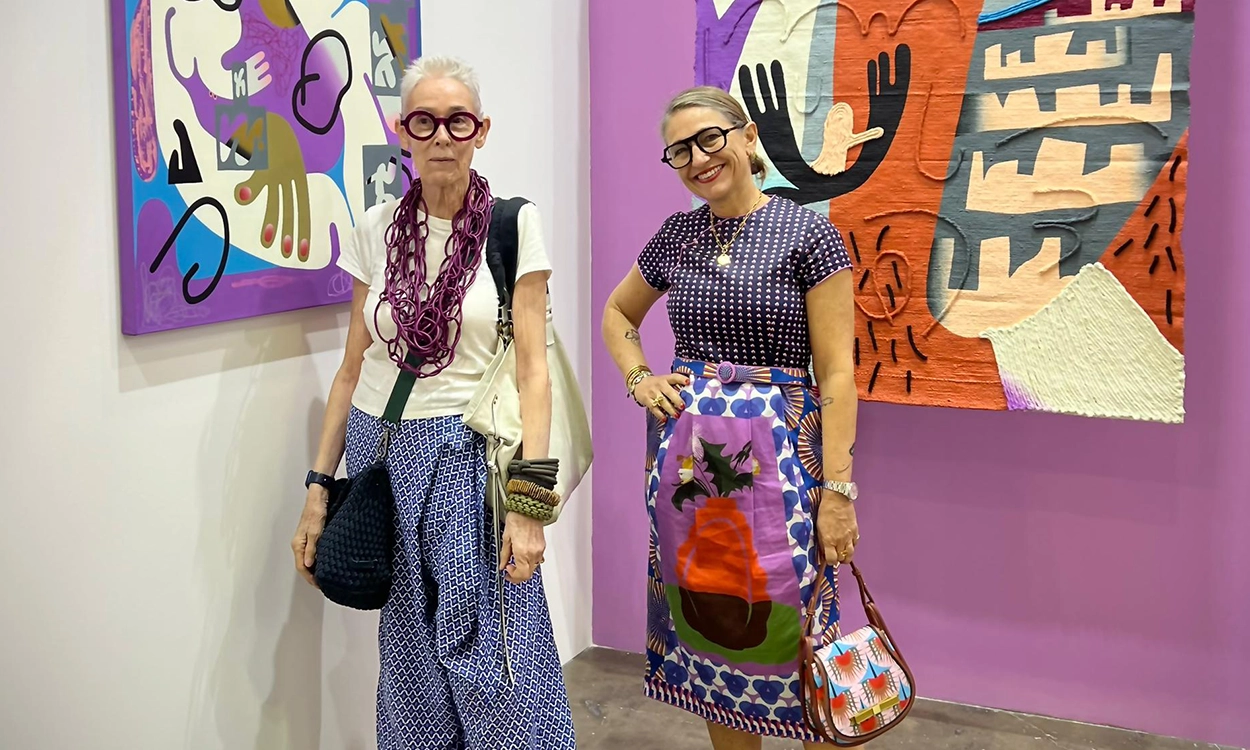
I went with Narelle and her closest friend Chris, a textile designer. Narelle introduced me to every Tom, Dick, and Harry. She is essentially the mayor of Art SG. She knew everyone, and everyone knew her. Artists, gallerists, collectors, curators. It made the evening fast paced, social, and surprisingly warm.

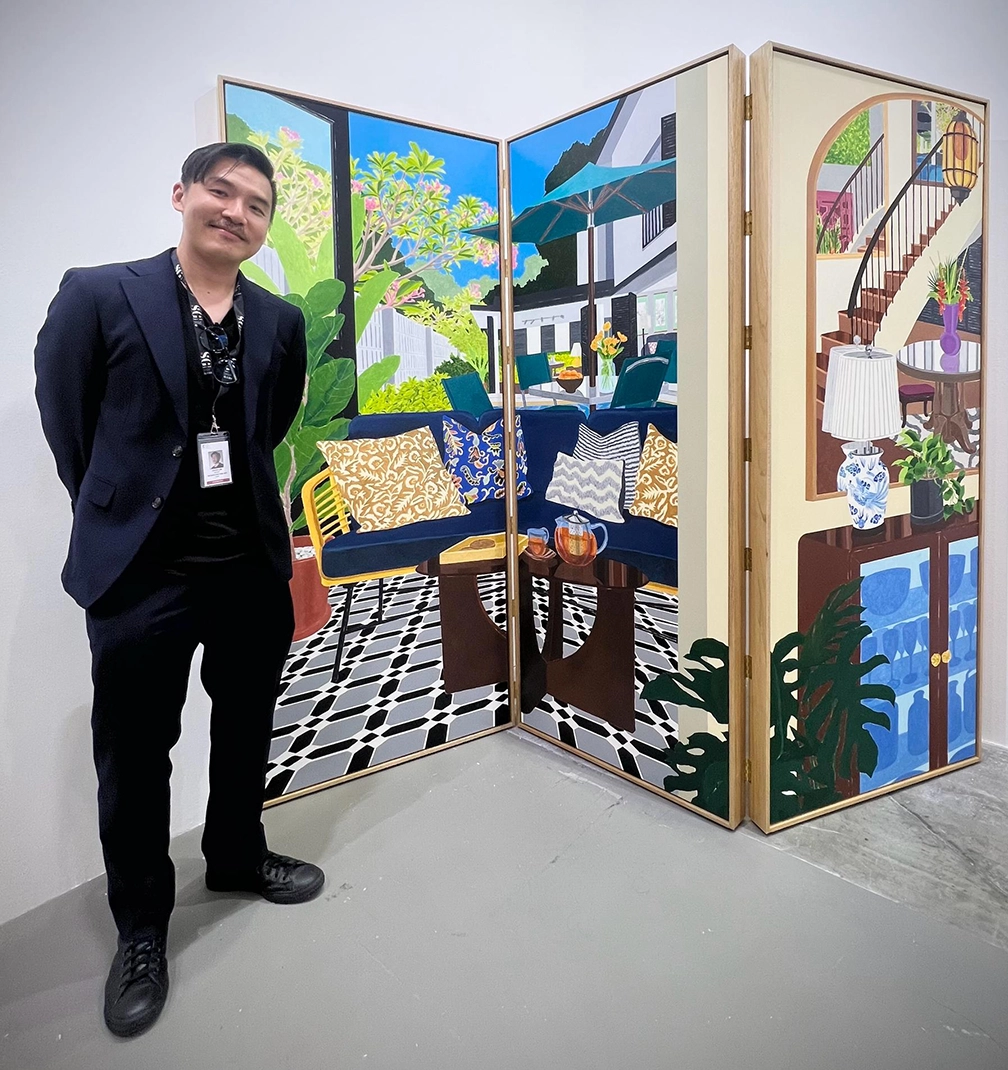
There was a strong Malaysian presence, which stood out!

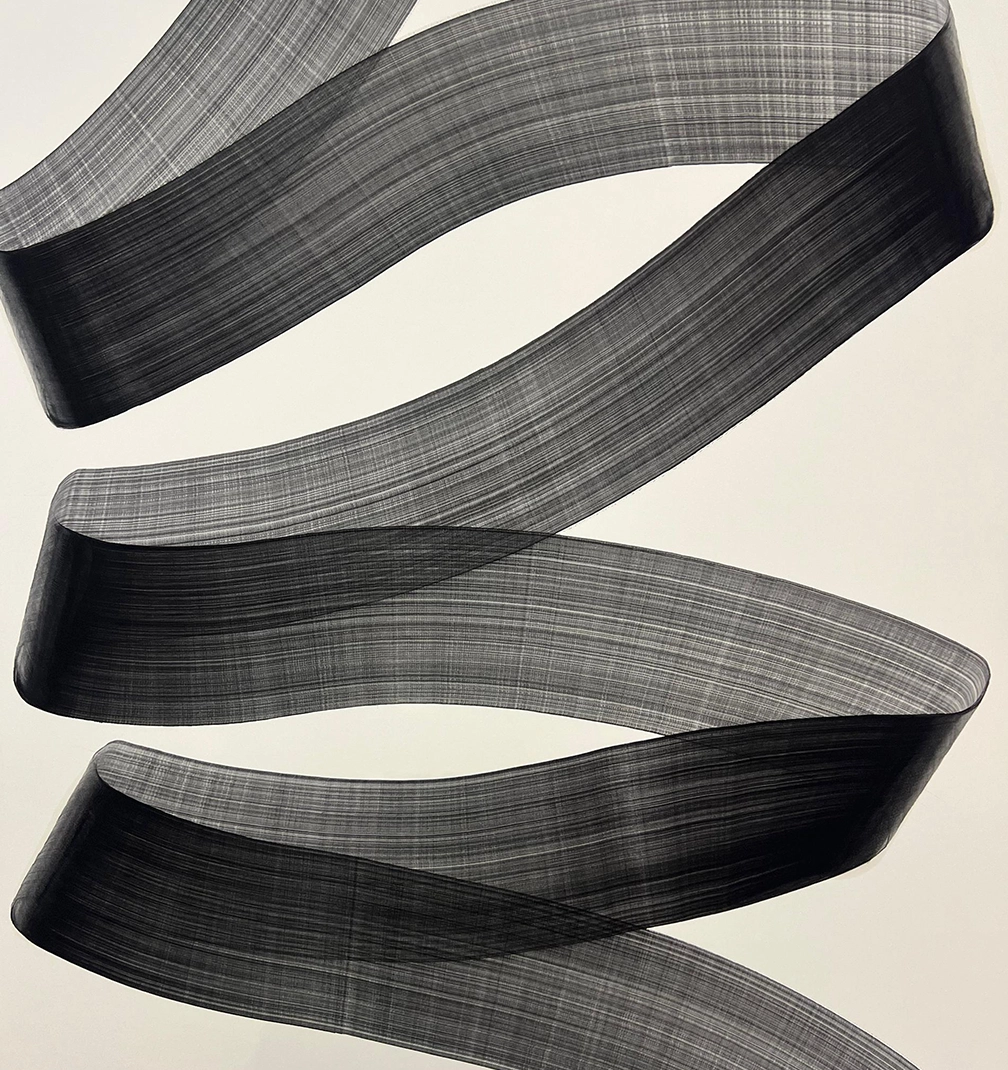
If I had bought the two pieces I genuinely liked, the bill would already have been around USD200.000. Nothing wrong with dreaming.

The skirt that thinks it is a painting.

Art Singapore is held at Marina Bay Sands Expo and Convention Centre.

The evening ended with an Italian dinner and good stories. The only high you can feel after spending time looking at the effort made by amazing world class artists.

The fair runs until Sunday.

Opening times
Friday: 12 noon to 7 pm
Saturday: 11 am to 7 pm
Sunday: 11 am to 6 pm

General admission tickets are around SGD 30 to 40, depending on the day and advance purchase. Children under 16 enter free with a ticketed adult.

Highly recommended.

The skirt that thinks it is a painting.
Verba Volent, Scripta Manent

Verba Volent, Scripta Manent

5 min read

Verba Volent, Scripta Manent

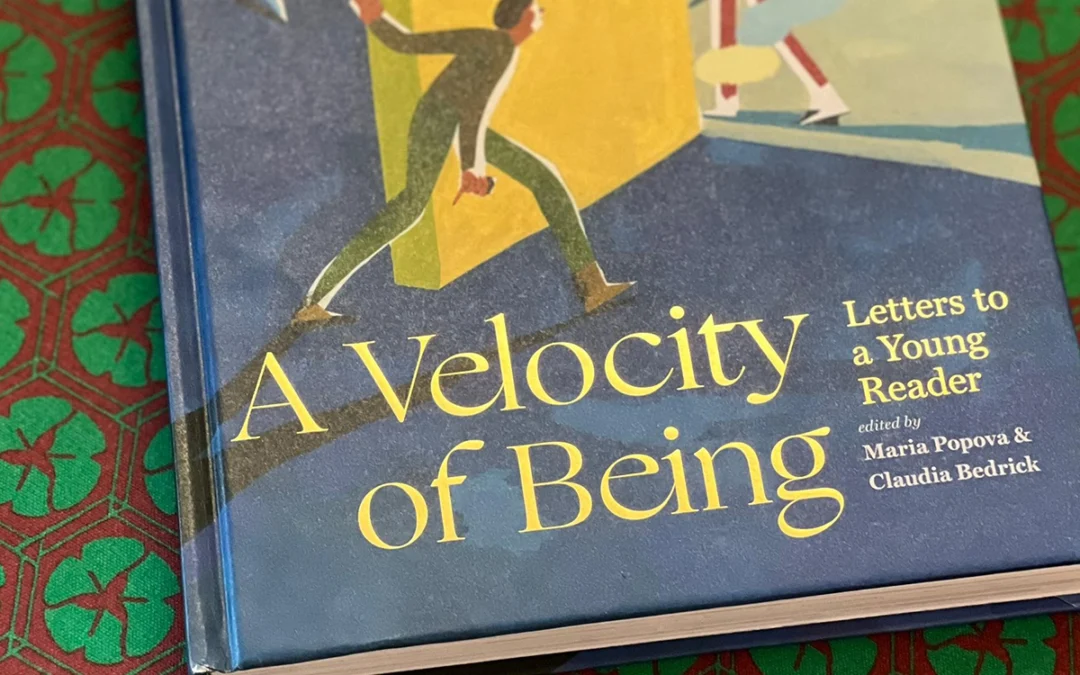
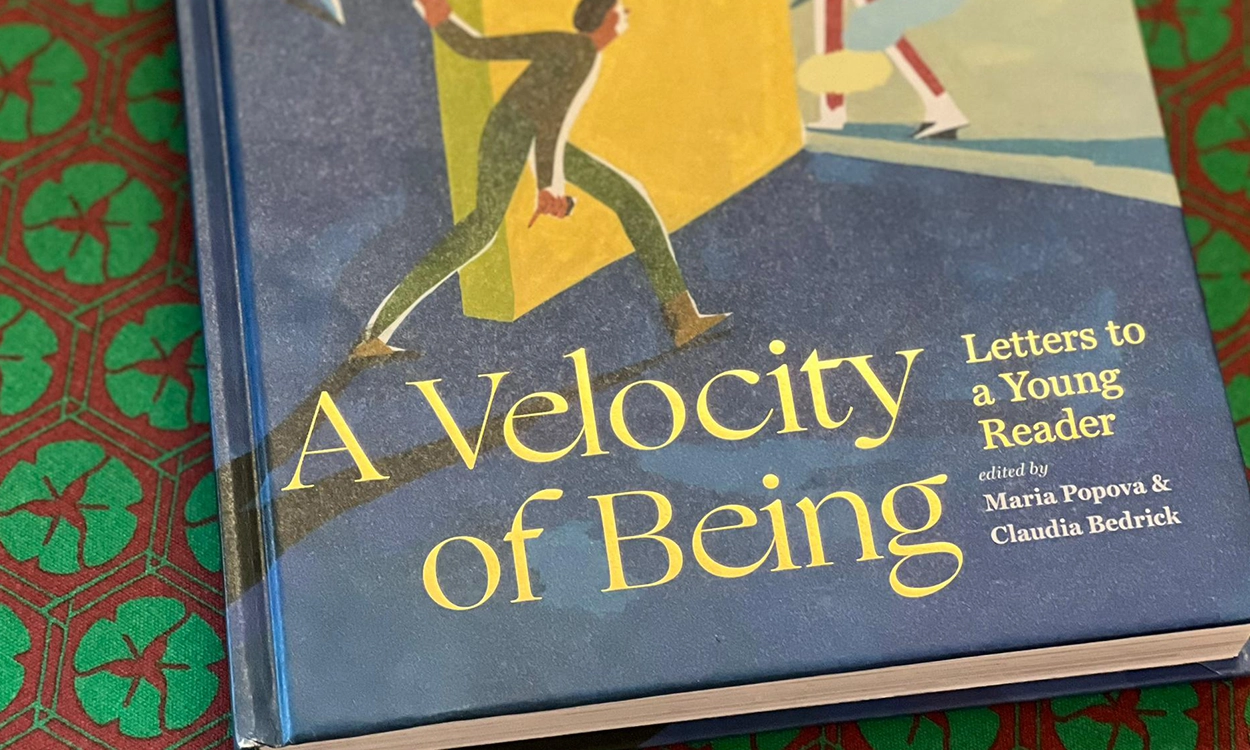
I received the most beautiful book from E-lene called The Velocity of Being. It is a collection of letters to a young reader, edited by Maria Popova and Claudia Zoe Petric, and written by an extraordinary group of thinkers, artists, musicians, writers, and scientists.

LISETTE

SHARE

Contributors include names such as Yo Yo Ma, Naomi Wolf, Nick Cave, Helen Macdonald, Elizabeth Gilbert, and many others. Each letter feels intimate and generous. They write about creativity, doubt, courage, curiosity, kindness, failure, and the quiet urgency of becoming yourself. There is wisdom here, but it is never loud or preachy.

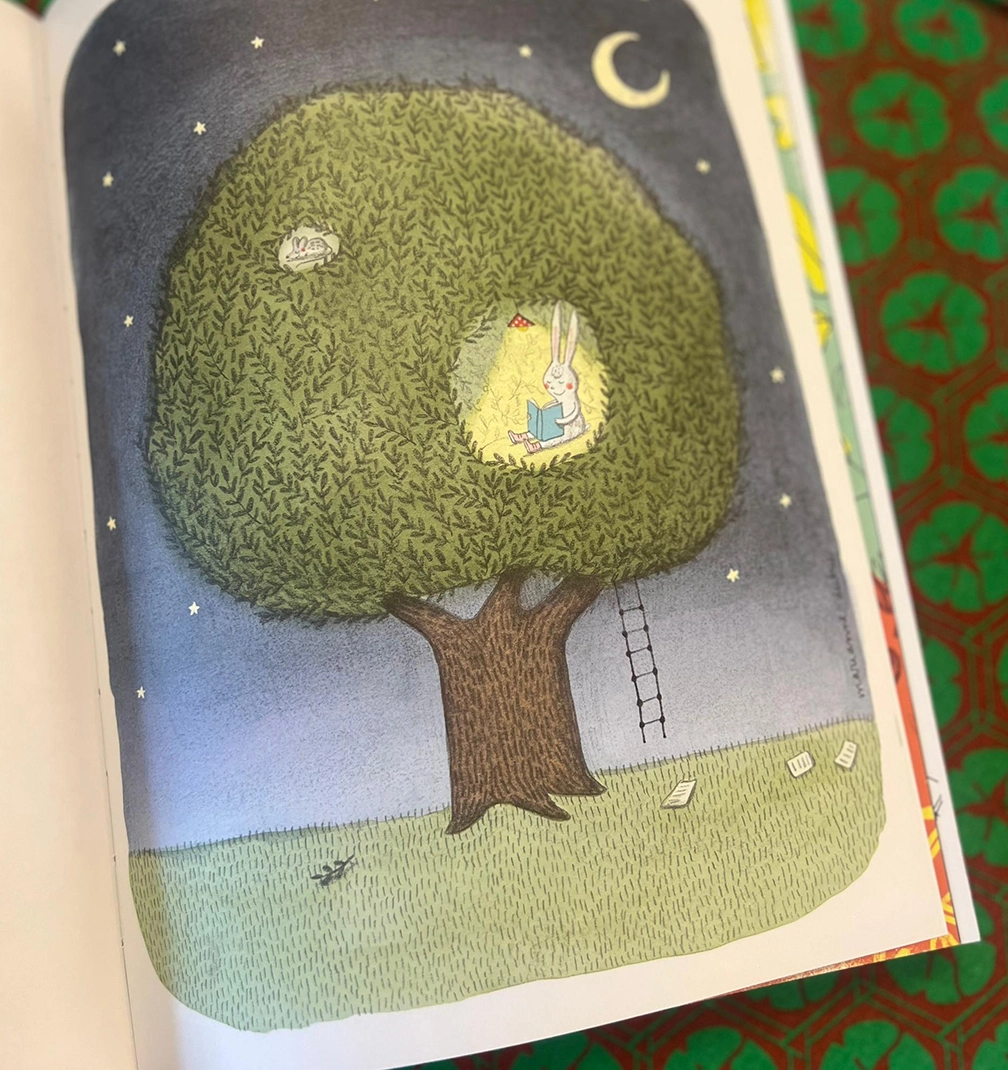
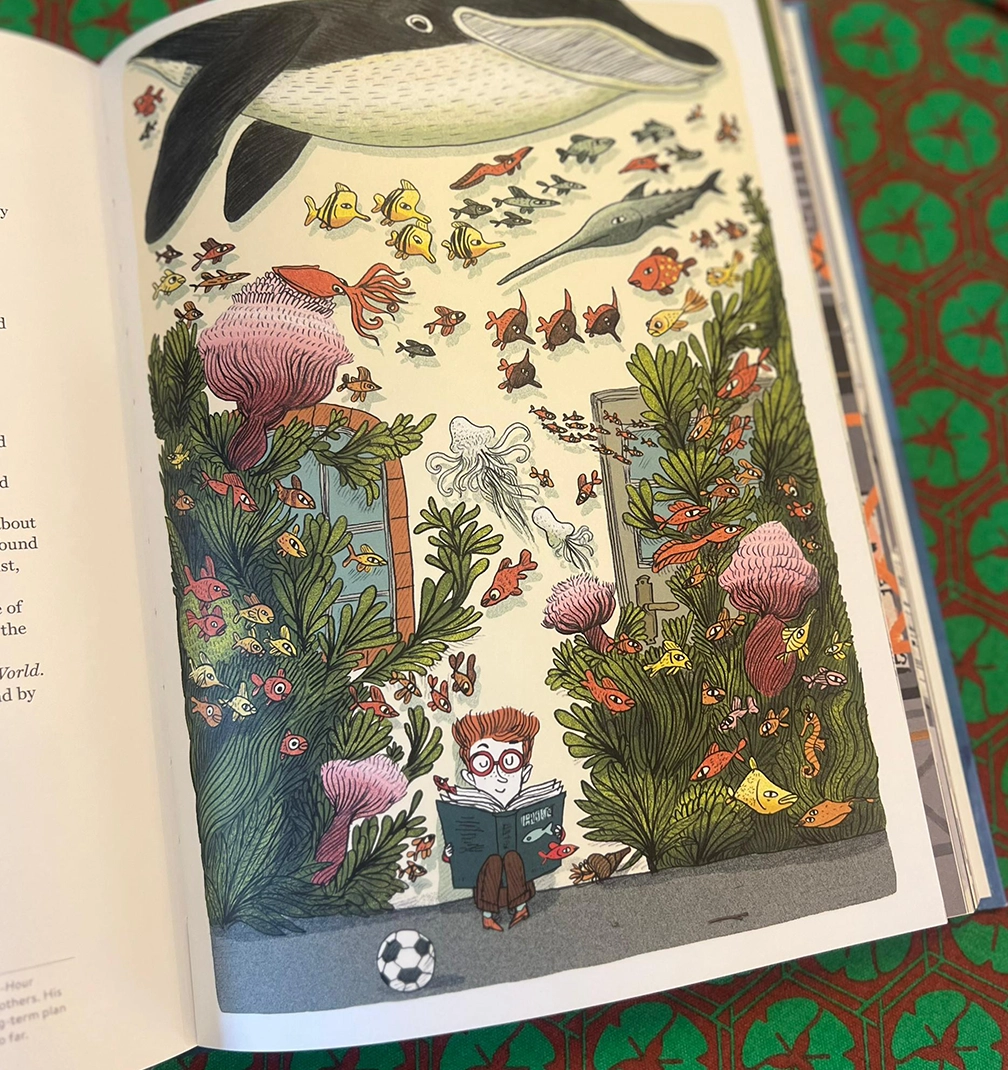
Each letter is paired with an illustration by a different artist, which makes the book a visual treasure in its own right. The techniques, styles, and moods vary widely, yet they sit together beautifully. Some illustrations are delicate, others bold or playful, others deeply poetic. It feels like leafing through a small exhibition, where words and images speak to each other and invite you to slow down.

The skirt that thinks it is a painting.

What makes this book even more meaningful is that all proceeds are donated to the New York Public Library system. Libraries are described as bastions of democracy and oxygen for the life of the mind, and that belief quietly underpins the entire project. In a time when depth feels increasingly rare, this gesture feels both powerful and necessary.

Inspired by this book and by conversations with E-lene, we have made a decision. I will hold an exhibition of my art on the 15th of November next year, on her birthday. It feels like the right way to honour friendship, generosity, creativity, and the belief that art, like libraries, exists to be shared.

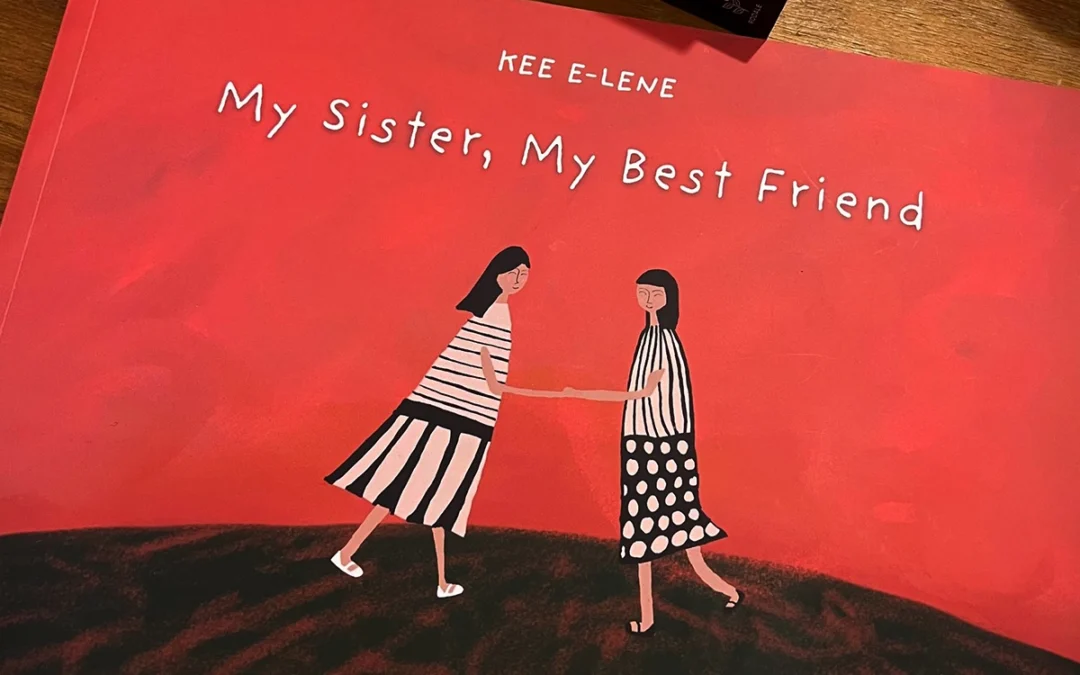
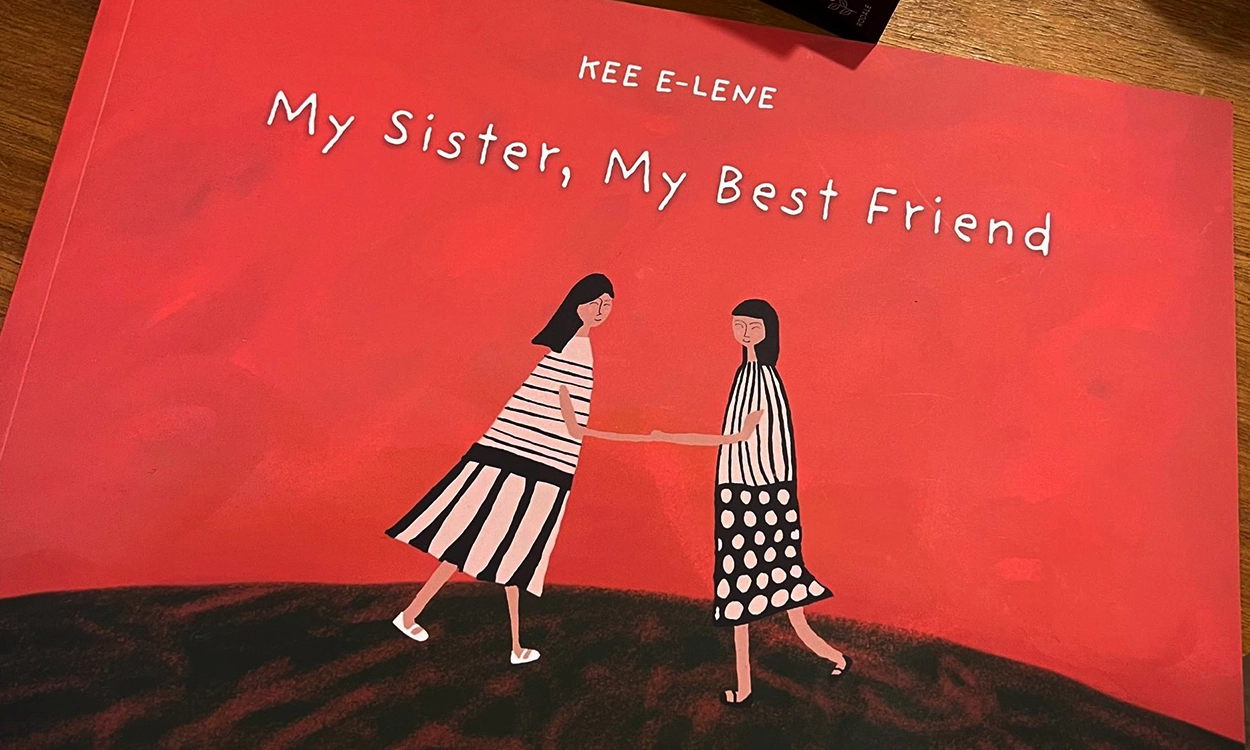
My Sister, My Best Friendby Kee E-Lene

My Sister, My Best Friendby Kee E-Lene

5 min read

My Sister, My Best Friend
by Kee E-Lene

Some books slip into your life quietly and stay there. My Sister, My Best Friend did exactly that for me.

LISETTE

SHARE

E-Lene wrote it for her sister’s, Shih-Lene’s, 60th birthday, sparked by a very real thought most of us prefer to avoid. What if time runs out before you ever properly say the things that matter. Not out of drama, just out of habit, busyness, and the assumption that there will always be another moment.

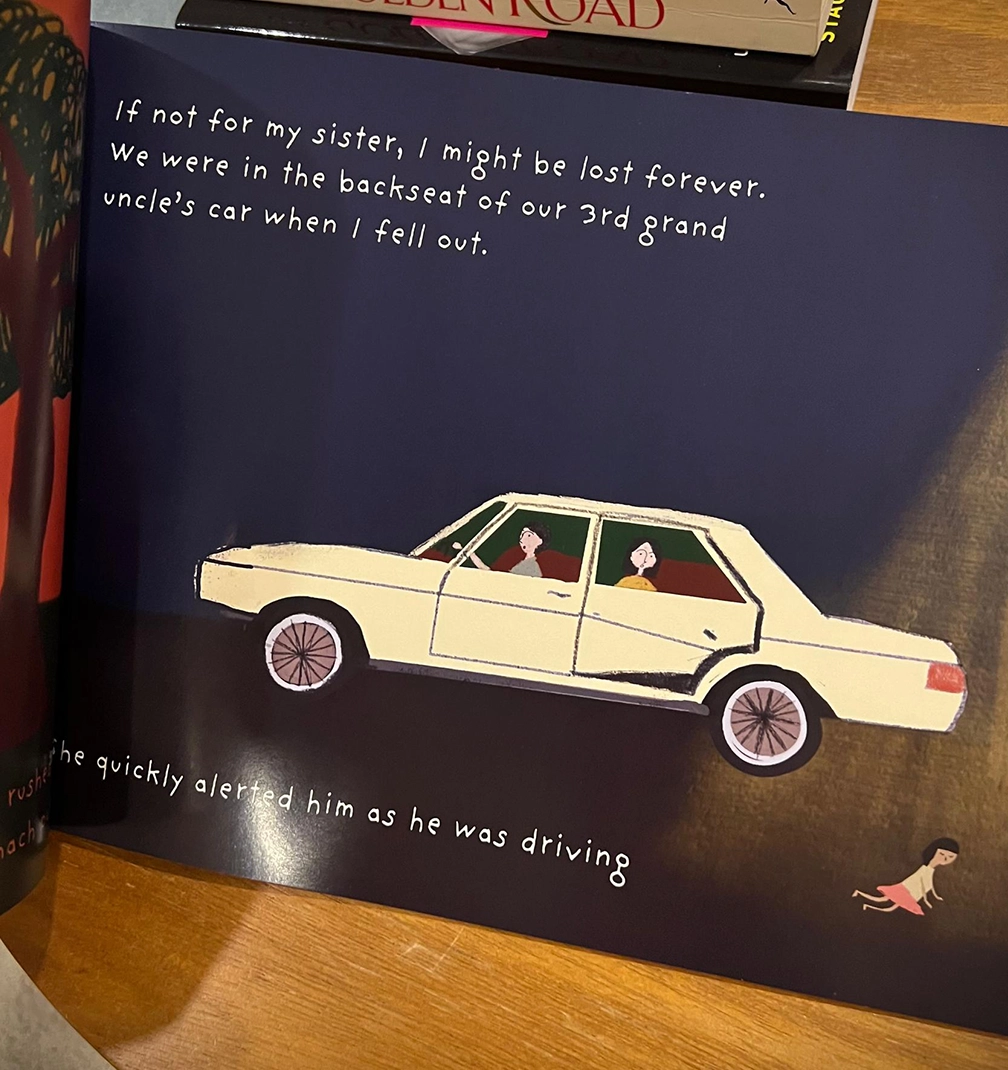
What I love about this book is that it never tries to be emotional for the sake of it. It is warm, observant, and often very funny. There are small moments that stay with you. One of them made me laugh out loud. She writes about dropping out of the car, an image so unexpected and absurd that it catches you completely off guard. It is those kinds of details that make the book feel honest rather than polished.

The skirt that thinks it is a painting.

What makes that even more surprising is knowing E-Lene herself. She is strong, grounded, and assured. You would never imagine that insecurity had ever played a role in her life, and yet here it is, acknowledged with humour and ease.

When you don’t know both sisters, what strikes you immediately is how different they are. They look different, think differently, move through the world differently. And yet they borrow each other’s clothes, which somehow says everything. I see them as friends rather than “sisters” in the conventional sense, and that is exactly what makes it work. They complement each other without trying to be the same.

That is what makes this such a good example of how sisterhood can function. Not through sameness, but through contrast. Through acceptance. Through letting the other person be fully themselves.

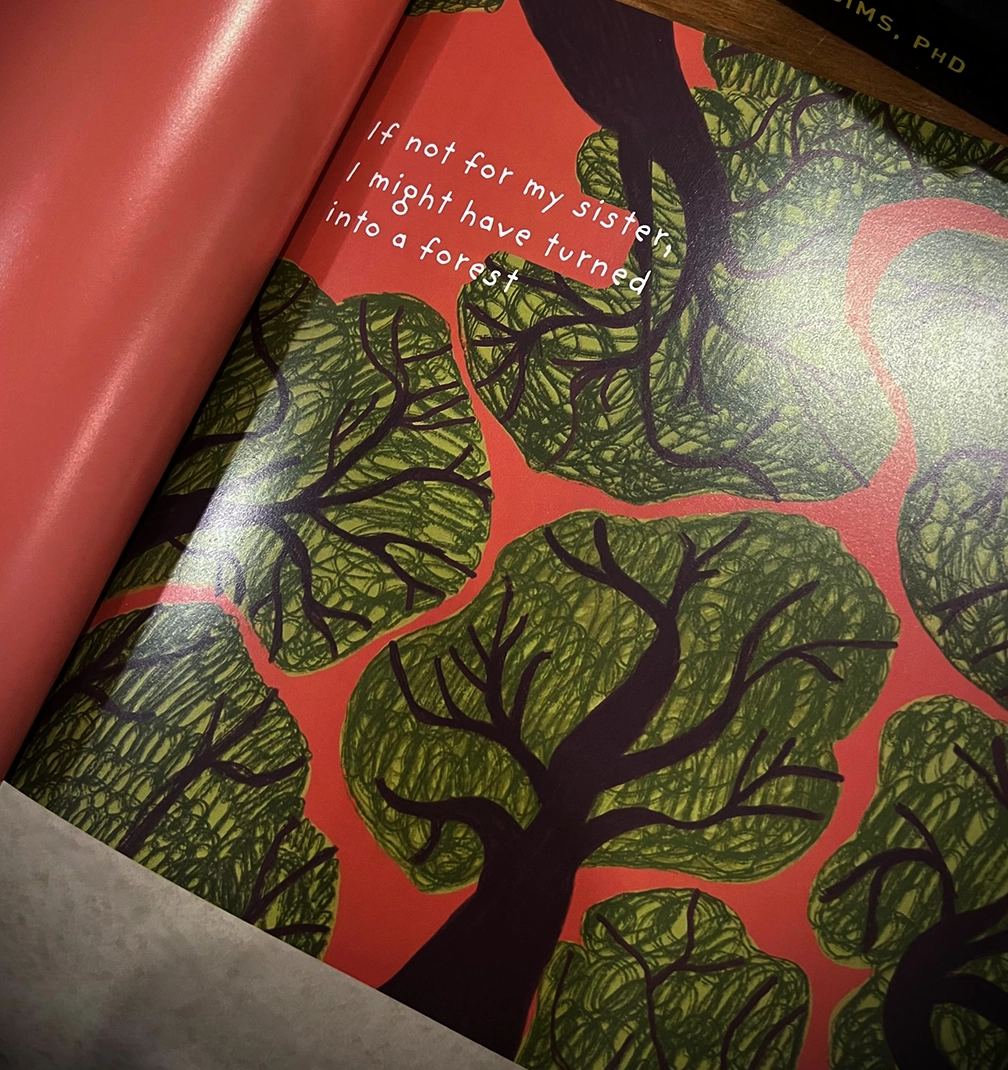
The book is beautifully illustrated by Mulaika and available at Book Access.

At its core, this book is not about grand statements or perfect relationships. It is about saying things while there is time, allowing yourself to be seen, and finding humour in moments you might otherwise gloss over.

A Book That Could Only Be Mine

A Book That Could Only Be Mine

5 min read

A Book That Could Only Be Mine

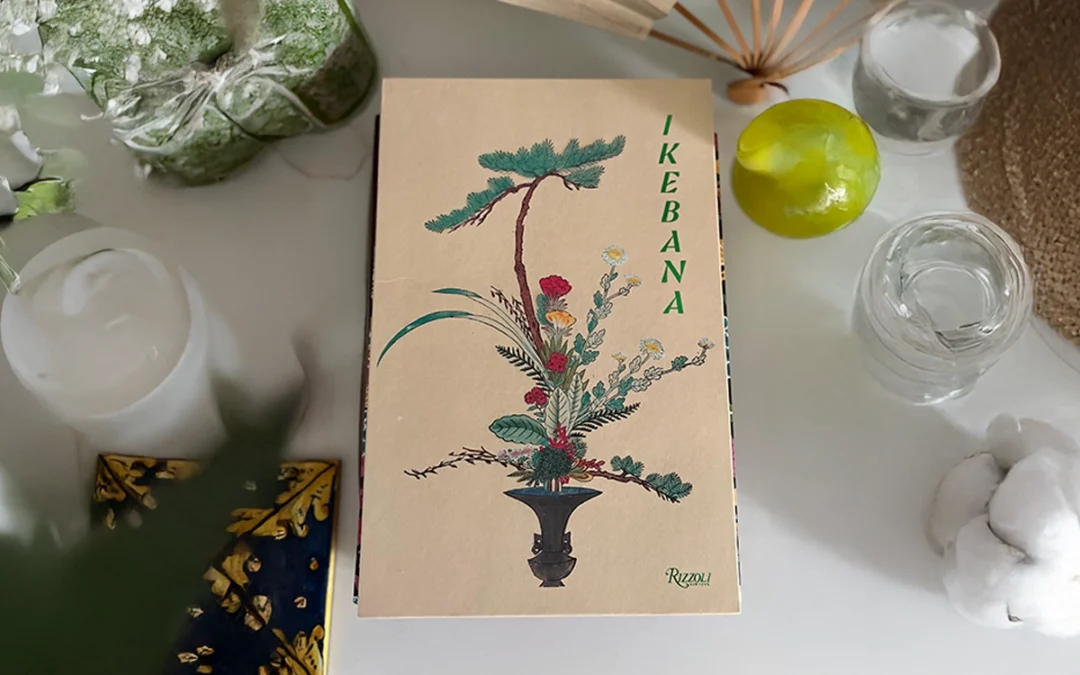
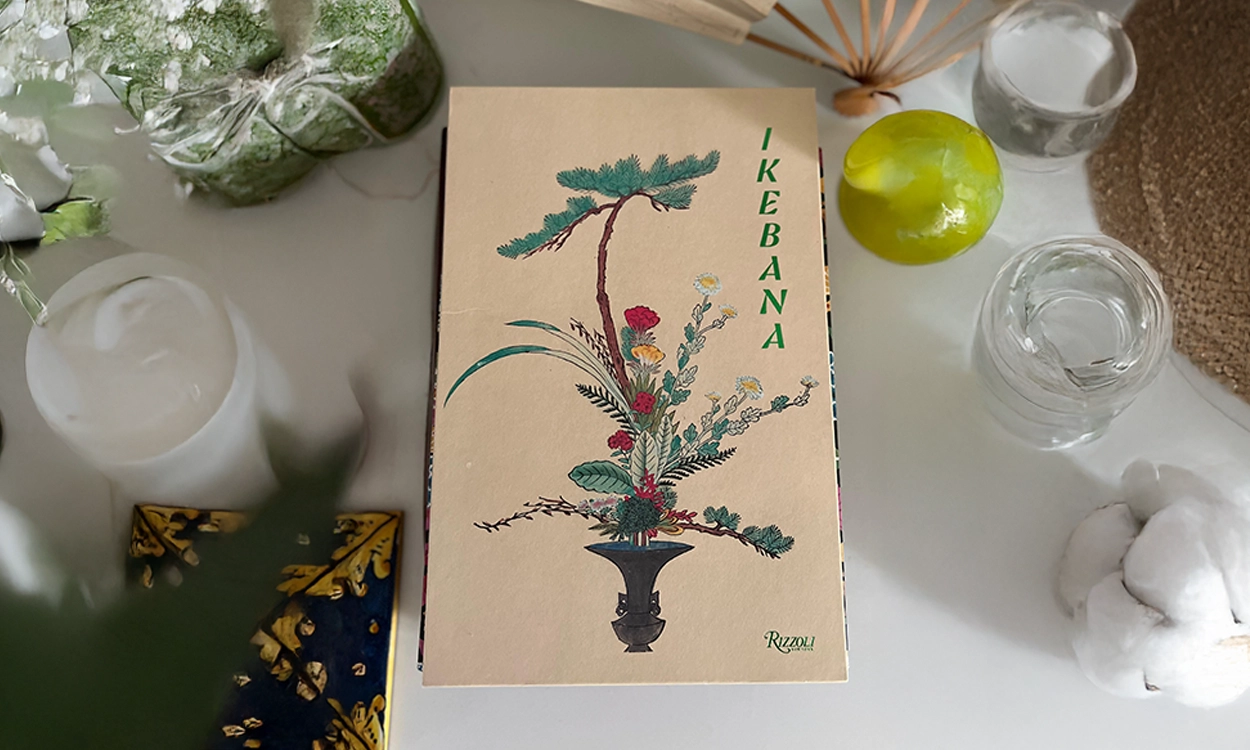
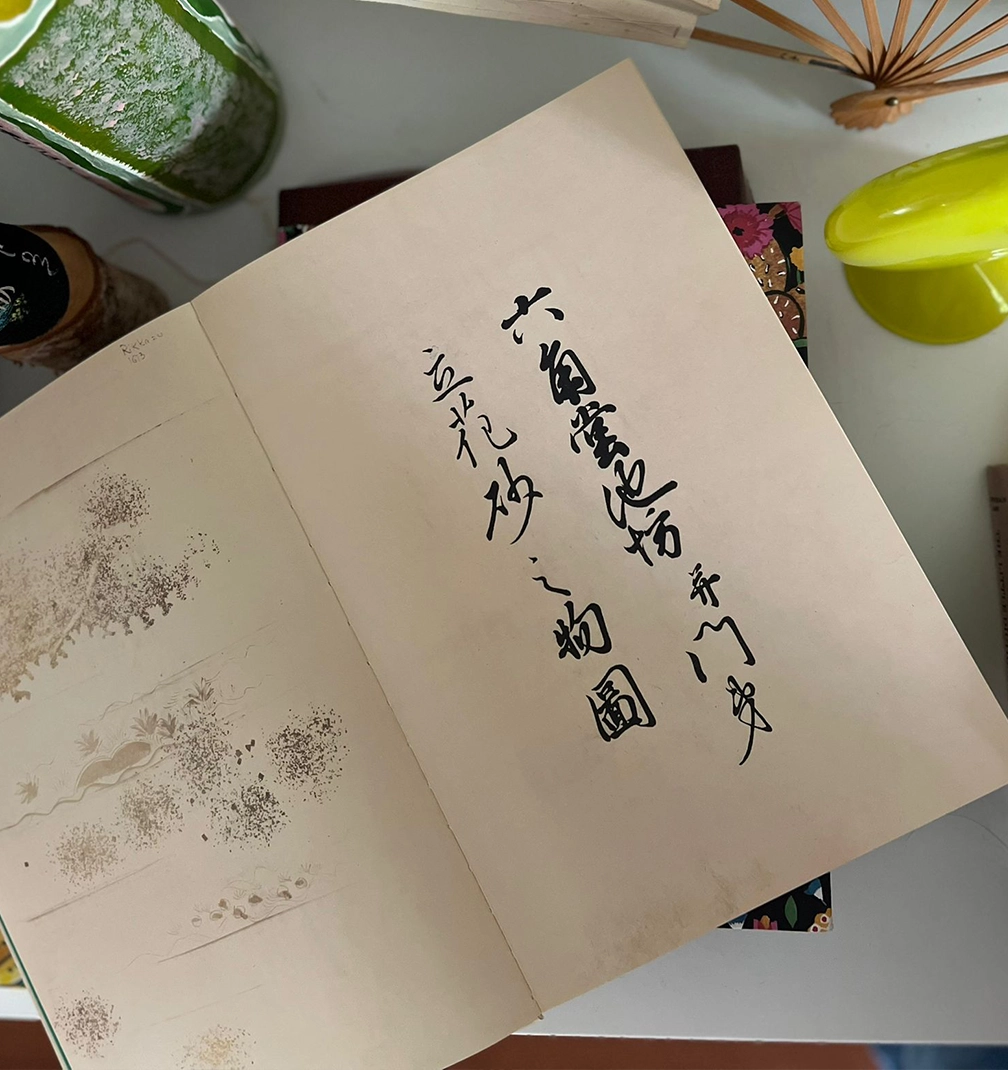
One of the absolute highlights this Christmas was a book gifted to me by my dearest friend Arnaud. He is the film director behind all our Thursday shows and the editor of this newsletter, and we have been working side by side for fifteen years. This gift says everything about how deeply he knows me. The book quite literally has my name on it, and it feels as if it was made for me and no one else.

LISETTE

SHARE

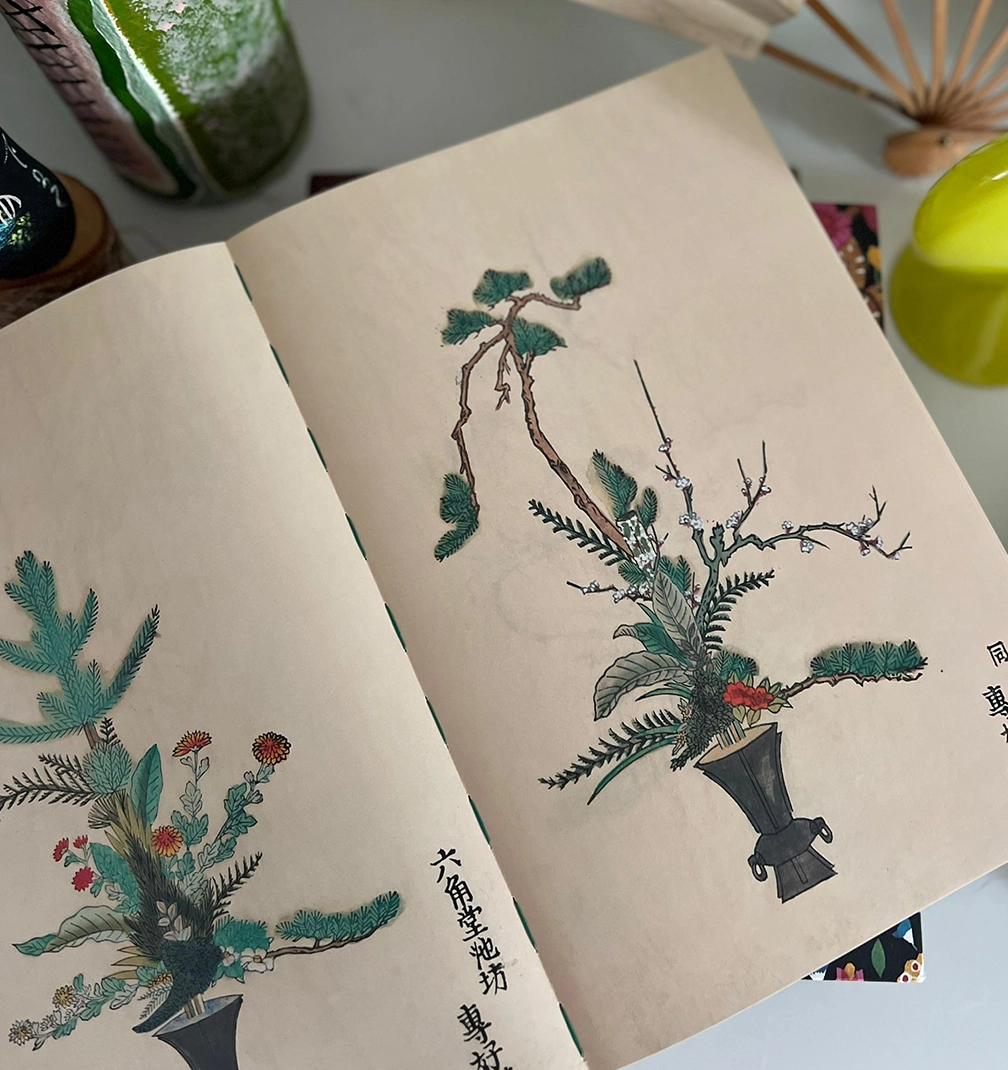
The book is The Art and Beauty of Flower Arranging by Frederic Girard, a French artist and illustrator whose work became widely recognised in the 1960s and 70s. Girard was known for translating the natural world into strong graphic compositions, combining botanical precision with a very modern visual language. His illustrations were often used in art books and educational publications, yet they never felt academic. They were bold, joyful, and deeply aesthetic.

This book is a collection of his flower prints from the 1970s. Every page feels confident and alive. The colours, the shapes, the rhythm of the compositions. It is timeless rather than nostalgic, and endlessly inspiring. Without a doubt, the winning Christmas present.

The skirt that thinks it is a painting.
Rabbits, Power, and Quiet Resistance

Rabbits, Power, and Quiet Resistance

5 min read

Rabbits, Power, and Quiet Resistance

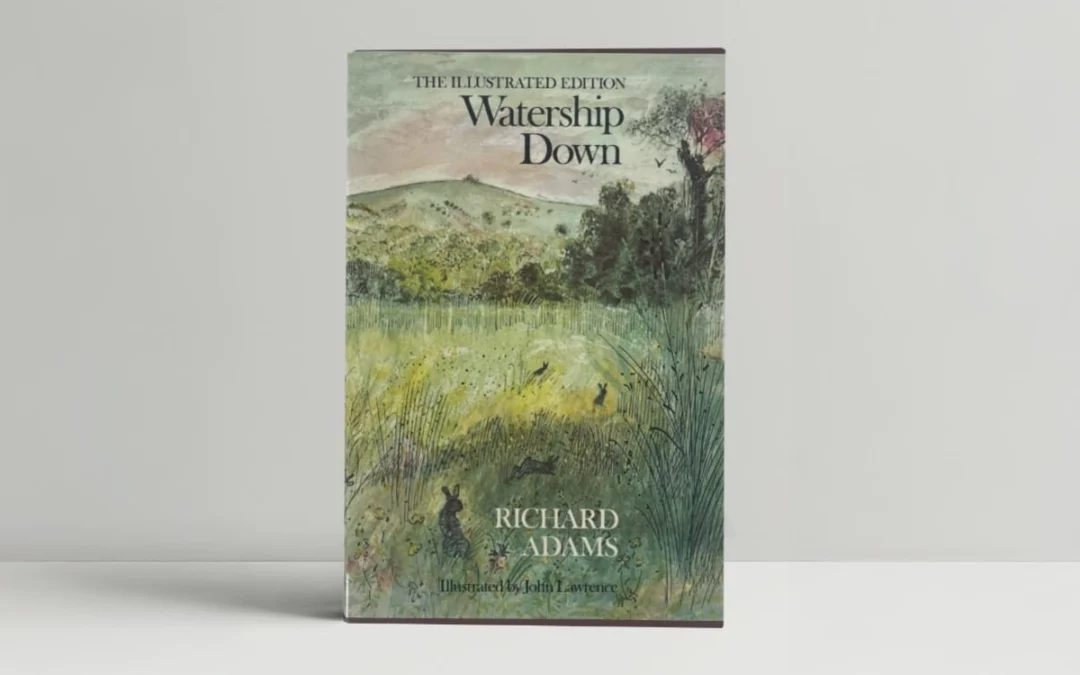
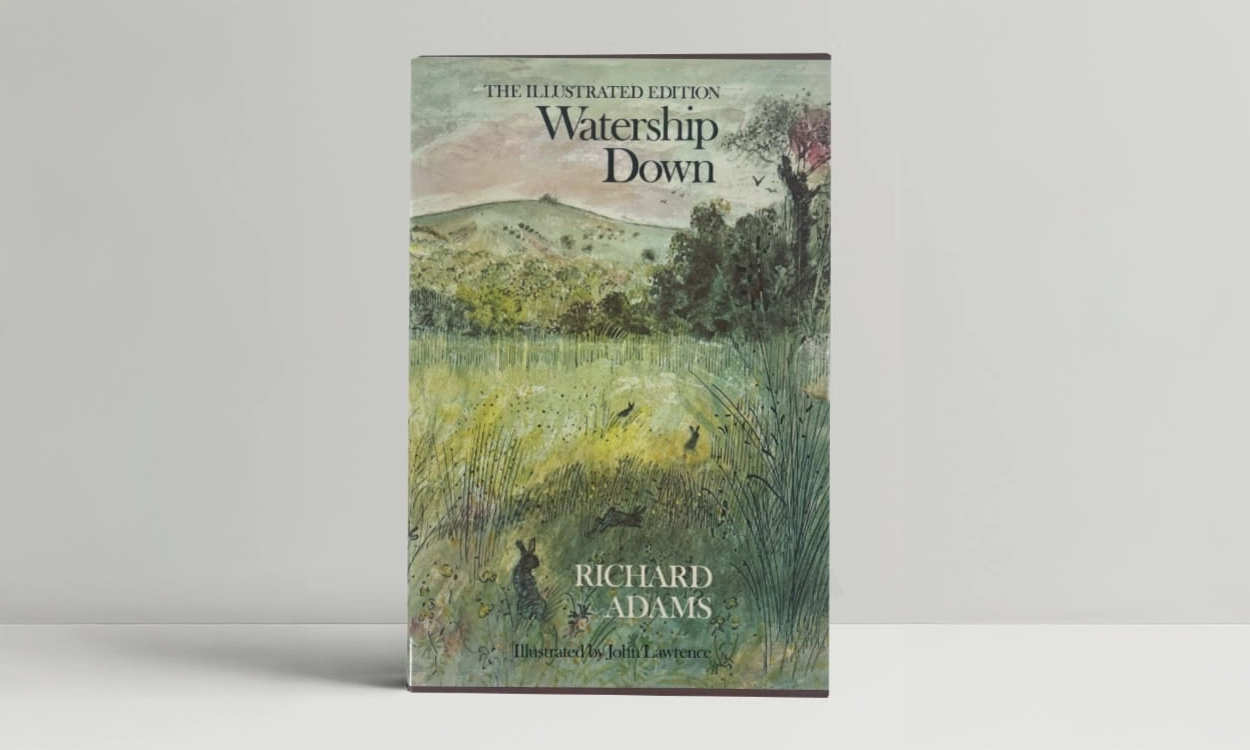
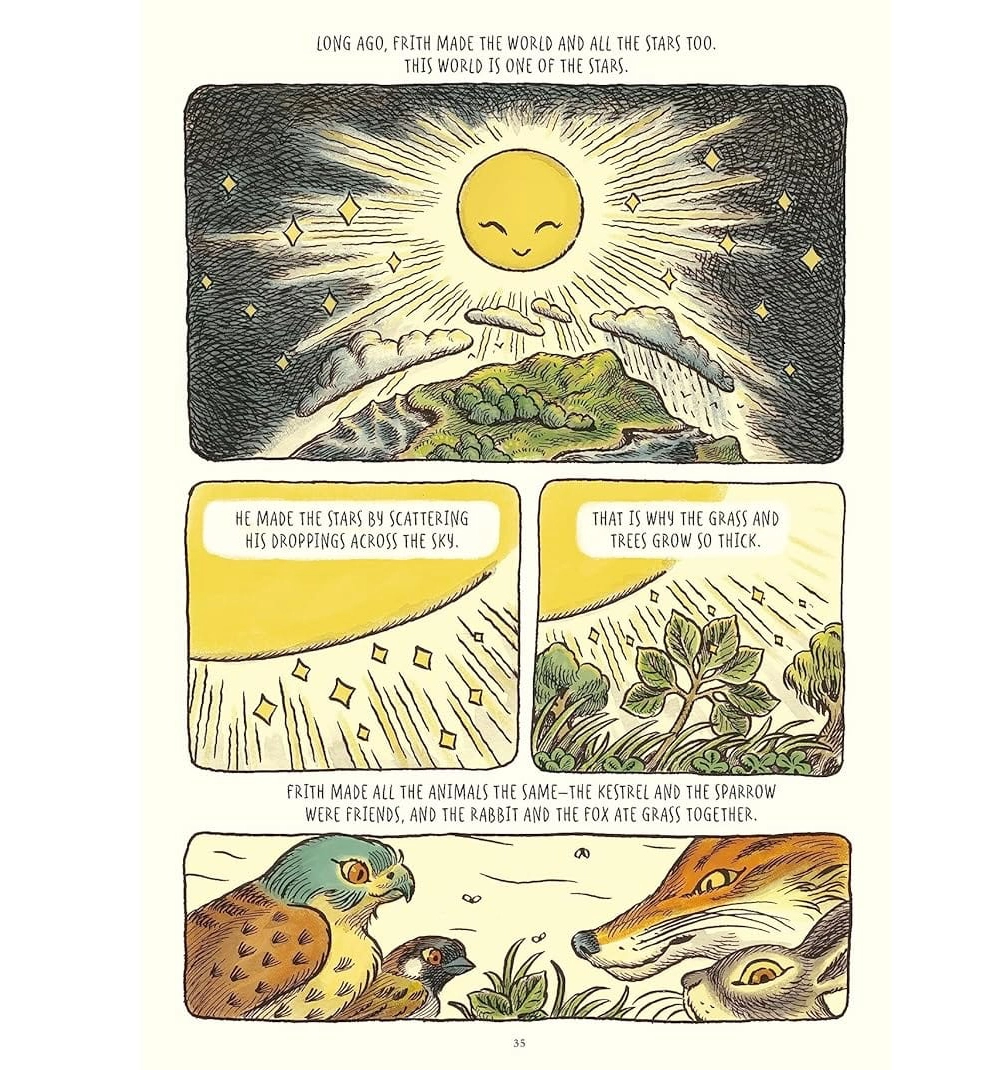
I read Watership Down many years ago and recently found myself recommending it again, both to a friend and to my daughter. It is often described as a story about rabbits, which is accurate, but also misses the point.

LISETTE

SHARE

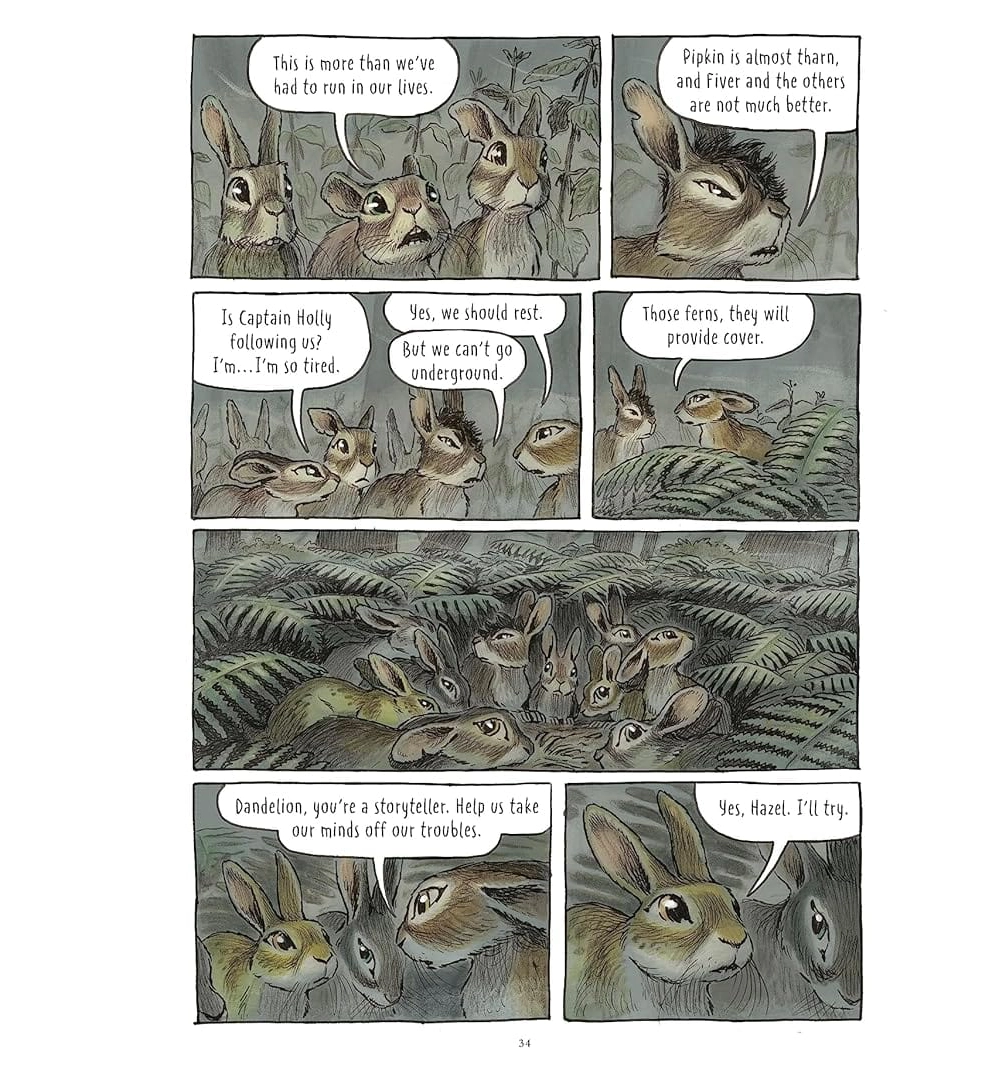
Written by Richard Adams and published in 1972, Watership Down follows a group of rabbits who leave their warren in search of a new home. What gives the book its lasting relevance is not the plot itself, but what it examines beneath the surface.

The novel explores power, leadership, and the trade offs societies make between safety and freedom. Adams built a complete culture for the rabbits, with their own language, mythology, and social structures. Through this, the book shows how systems can appear protective while quietly limiting choice and individuality.

What is striking is how understated the resistance is. There are no grand speeches or dramatic revolutions. The rebellion is quiet and persistent, expressed through memory, storytelling, cooperation, and the refusal to accept a life that feels fundamentally wrong.

The skirt that thinks it is a painting.

A few days ago, while walking through the botanical gardens, I saw someone walking a rabbit on a leash. The image immediately brought the book back to mind. The irony was difficult to ignore. A rabbit, an animal defined by instinct and movement, carefully controlled in a place designed to celebrate nature.

That moment echoed one of the book’s central ideas. Control is often presented as care. Safety is often offered in exchange for freedom. Watership Down asks whether that exchange is ever truly neutral.

That is why I still recommend this book. It can be read at different ages and understood in different ways over time. It is calm, thoughtful, and quietly radical, and it continues to reflect back uncomfortable questions about power, choice, and the stories we tell ourselves about protection.