
SUBSCRIBE

LOGIN

NALA HAPPY TIMES

DESIGN

CULTURE

TASTE

TRAVEL

FOOD

THURSDAY SHOWS

UNAGI CLUB

NALA'S SHOP

DESIGN

CULTURE

TASTE

TRAVEL

FOOD

THURSDAY SHOWS

UNAGI CLUB

ARCHIVES

CONTRIBUTORS

DISCOVER

Nala's Instagram

Nala's Facebook

Nala's LinkedIn

Lisetts's LinkedIn

Nala's Tiktok

Nala's Youtube

OUR BRAND

About us

Nala's locations

FAQs

Customer service

Careers

Manifesto

HIGHLIGHT

Latest issue on 7 Sept 2025. Update every Saturday.

Thursday Show
Why We Should Be Following Artists Like This

Why We Should Be Following Artists Like This

5 min read

Why We Should Be Following Artists Like This

There is something deeply satisfying about watching someone master a simple tool.

LISETTE

SHARE

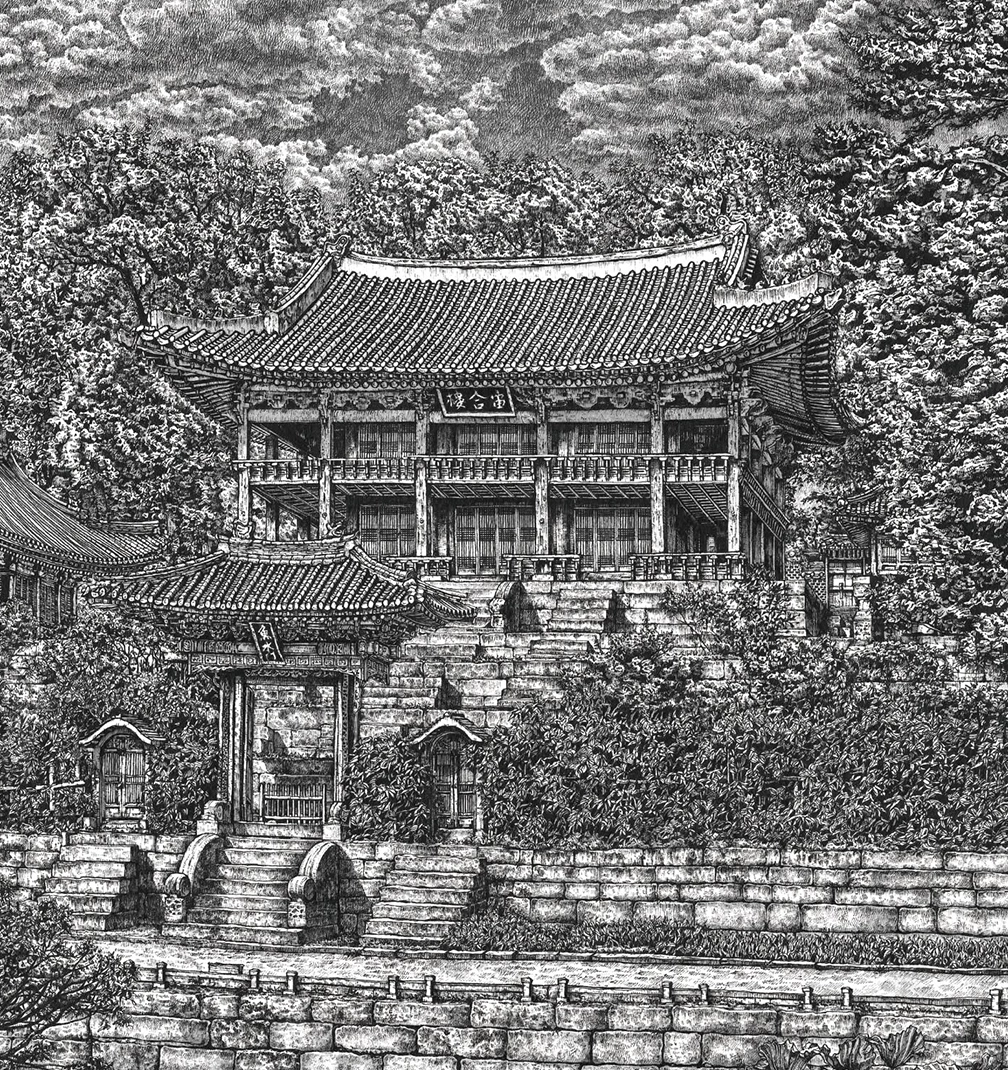
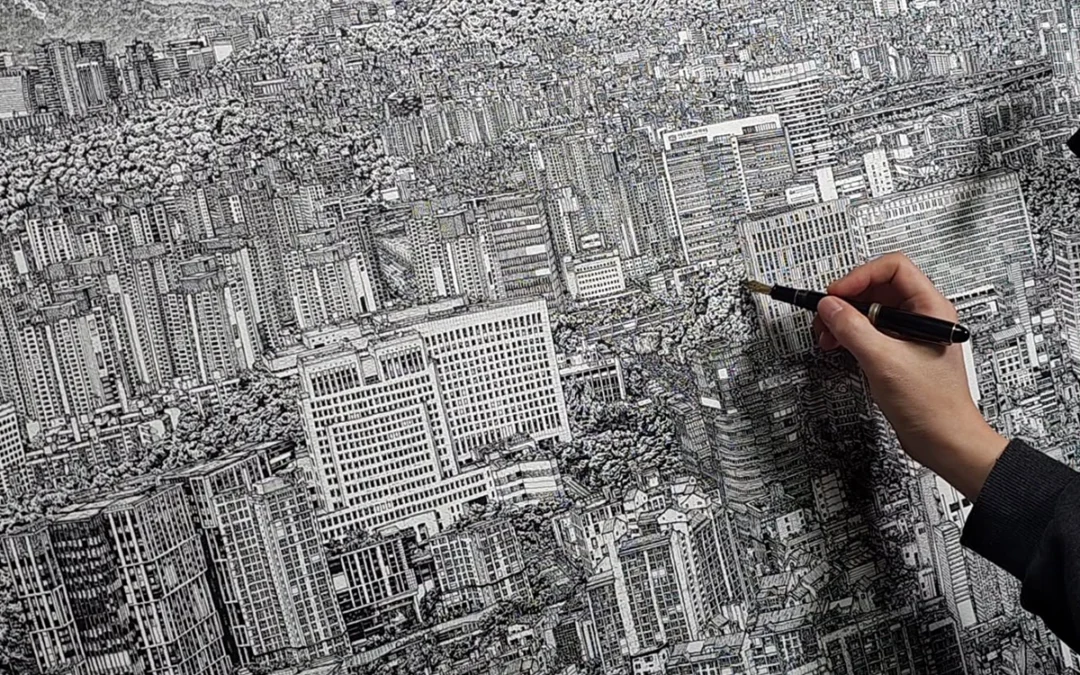
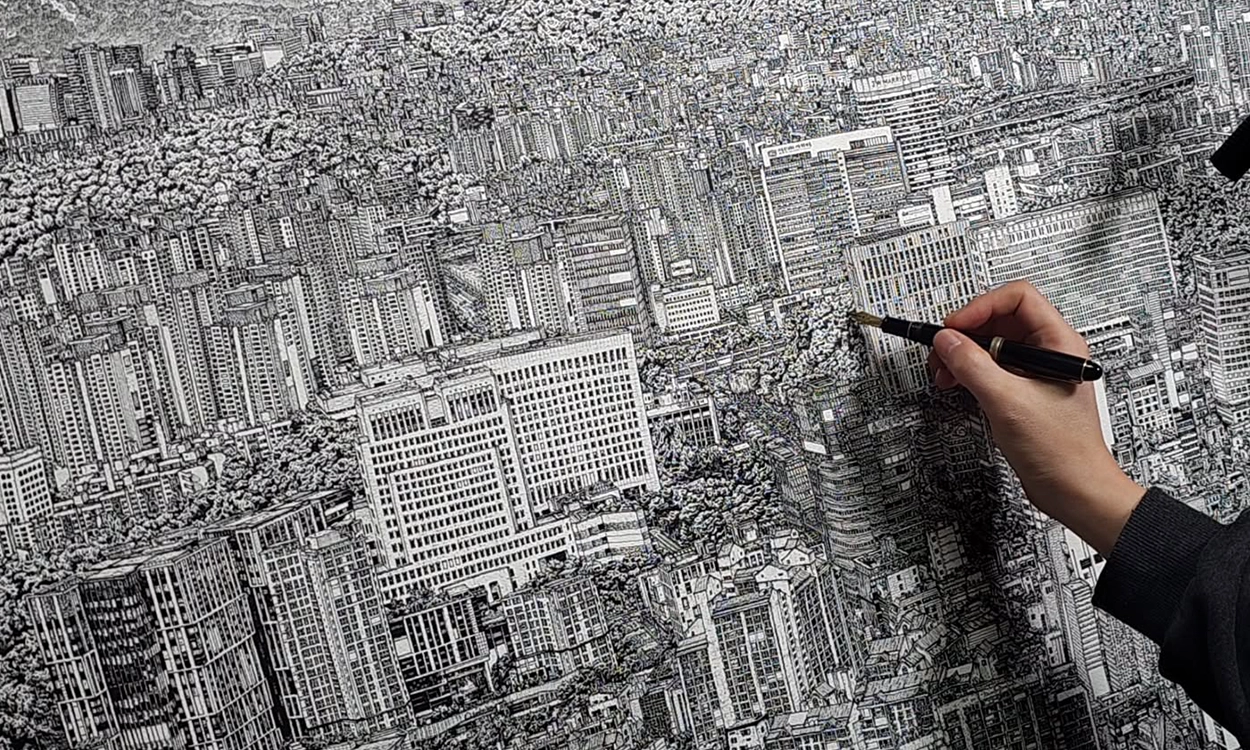
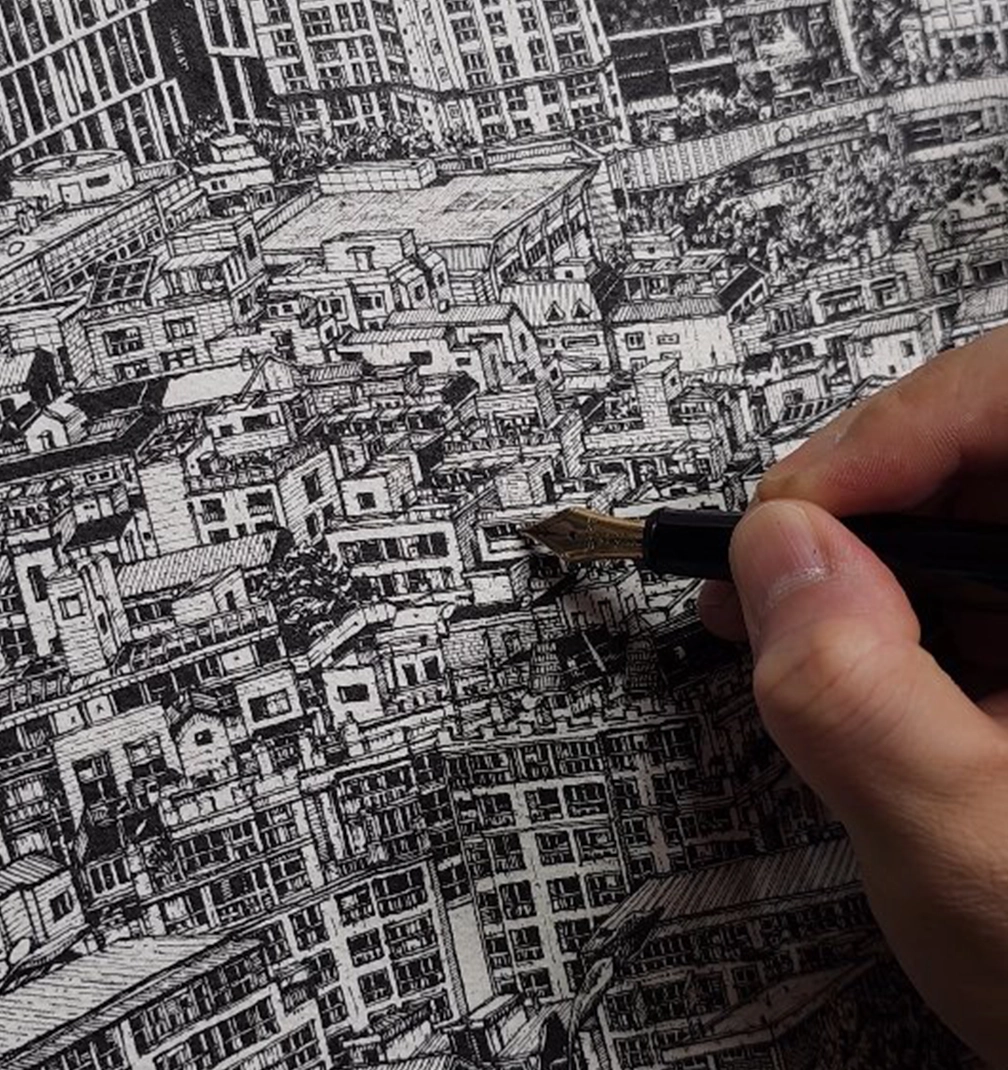
On Instagram, kamulch creates extraordinary cityscapes using nothing more than a fountain pen. No digital corrections. No undo button. Just ink, paper, and an incredible amount of patience. The level of detail he achieves is almost unbelievable. Entire streets unfold through thousands of tiny, deliberate lines. It is mind blowing.
The skirt that thinks it is a painting.

What resonates with me personally is the choice of tool. I also draw everything with a fountain pen. There is something about that constant flow of ink that feels alive. The line does not hesitate. It moves as you move. I choose my fountain pens carefully, depending on the thickness of the nib and the kind of line I want to create. And I always carry one with me. It is not just a pen, it is an extension of the hand.

Of course, what he does is another level entirely. The patience alone is extraordinary. To sit, observe, and build an entire world line by line requires discipline, focus, and devotion to craft. You can feel the hours inside each drawing.

And this is exactly the kind of work we should be filling our feeds with. Not gossip. Not endless drama about kings and queens and scandals. But craft. Skill. Dedication. The beauty of someone quietly perfecting their art.

In a world that moves too fast, watching ink flow steadily across paper is a reminder that mastery still exists. And that sometimes the most powerful thing you can do is slow down and draw.
The Kinchaku – A Little Pouch with a Long History

The Kinchaku – A Little Pouch with a Long History

5 min read

The Kinchaku
A Little Pouch with a Long History

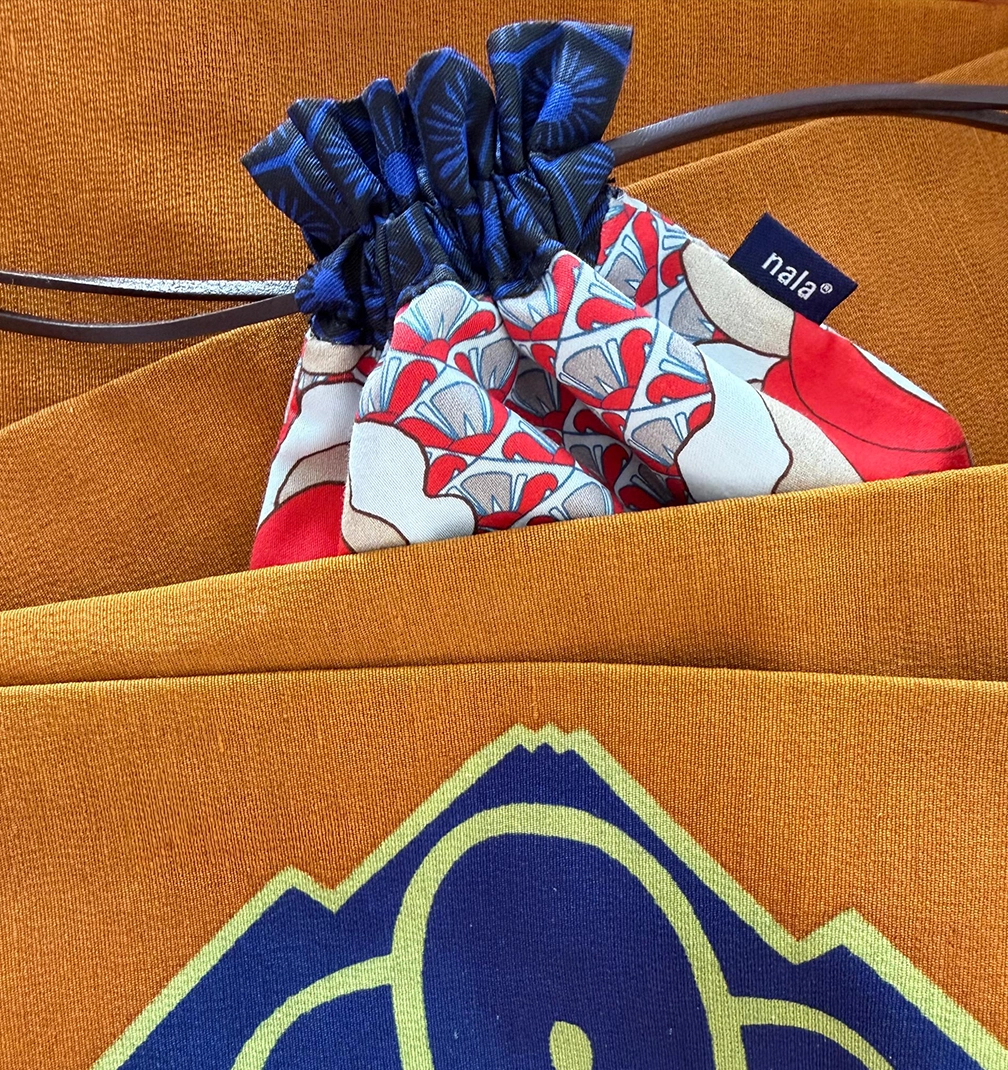
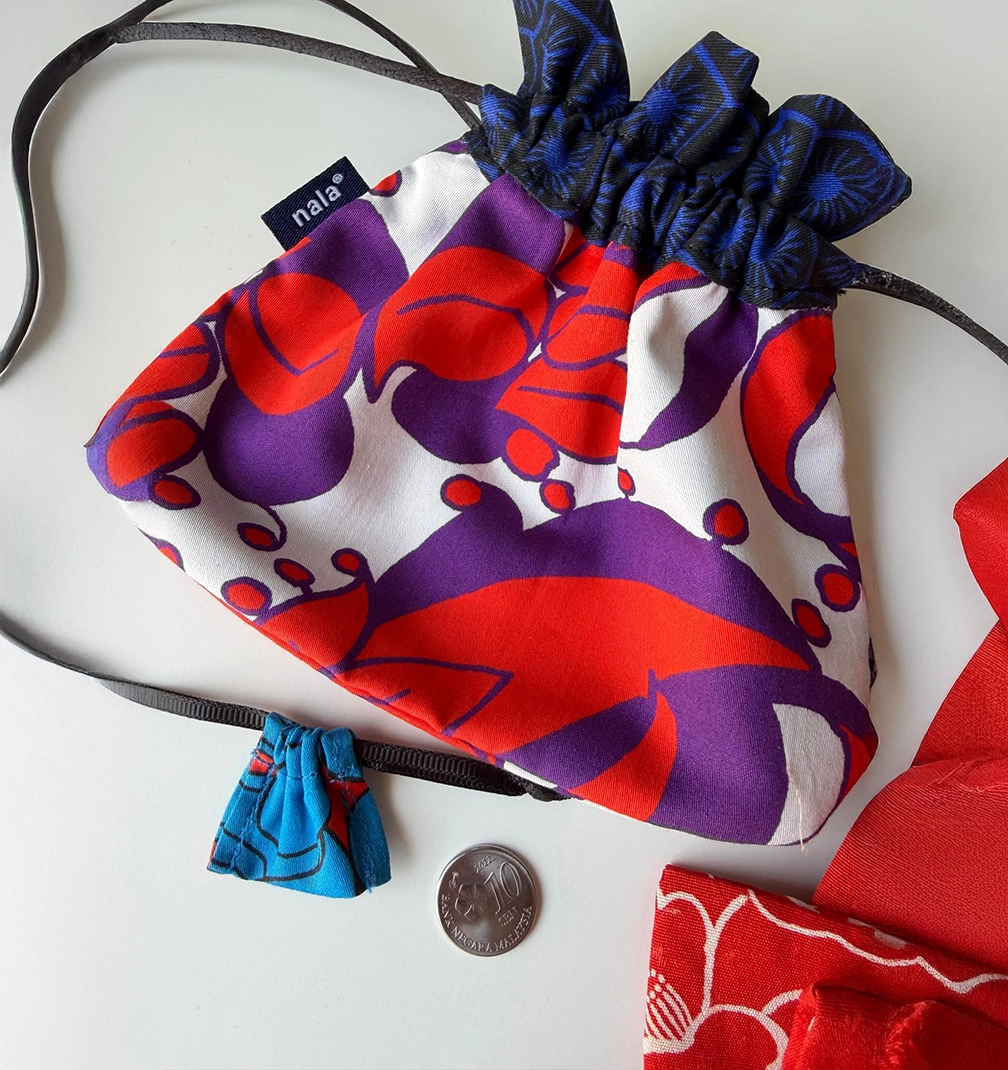
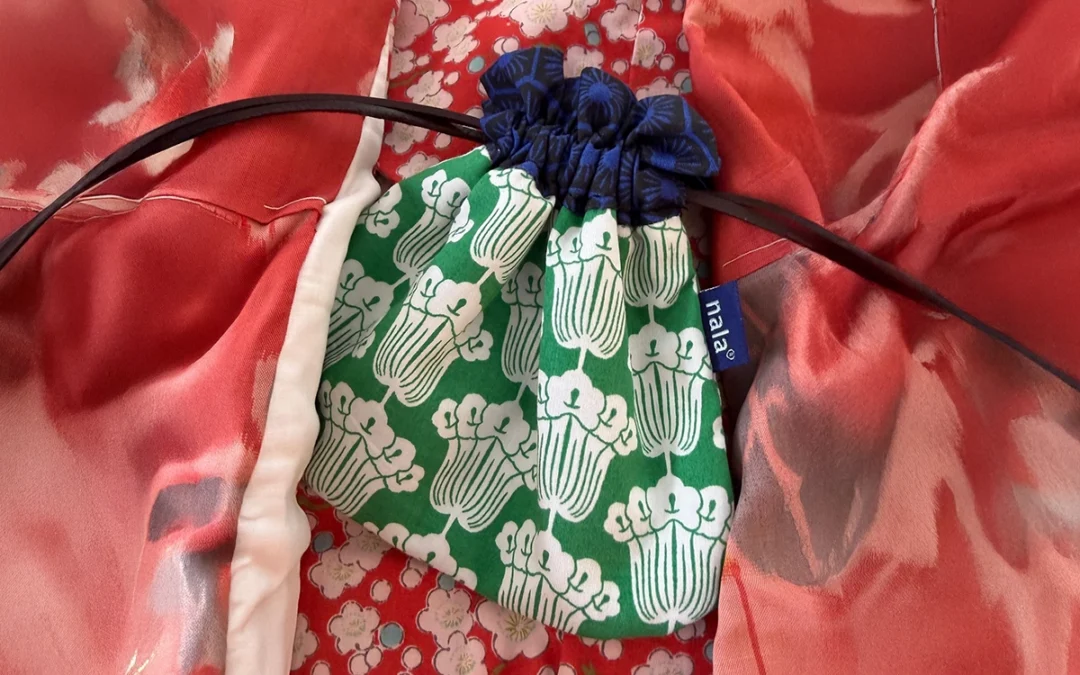
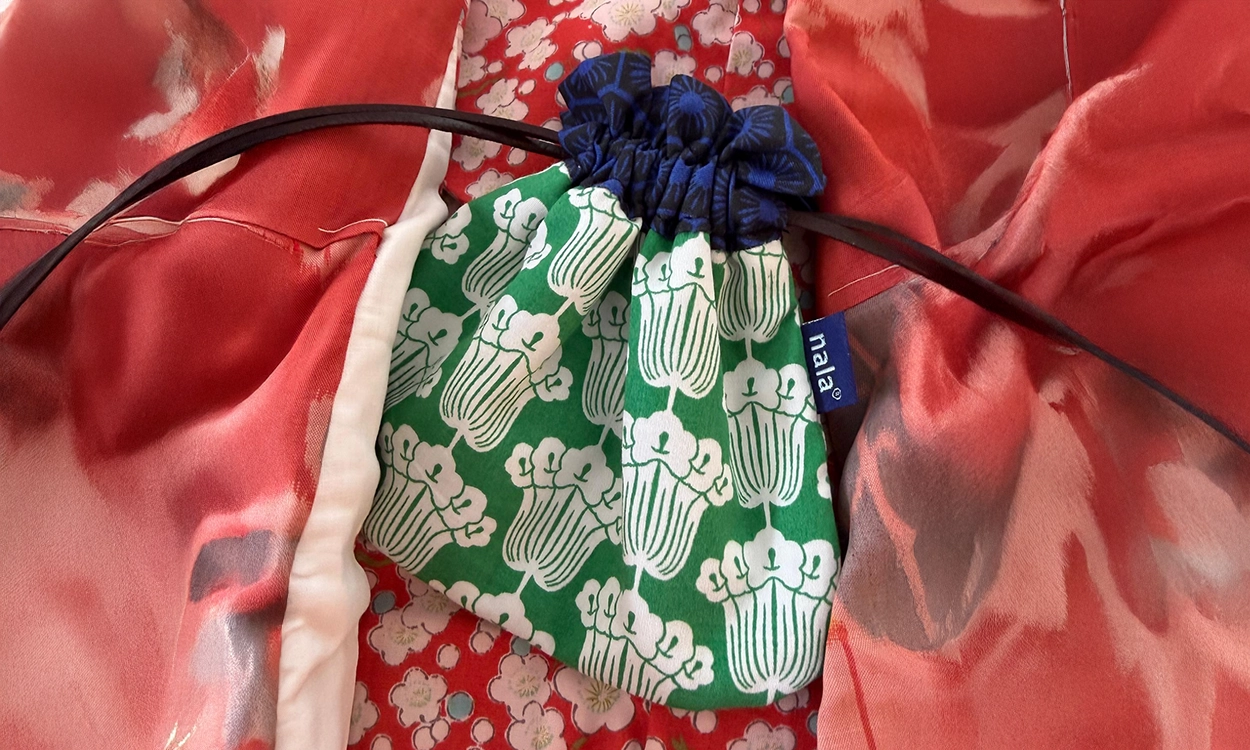
The kinchaku dates back to Japan’s Edo period, a time when daily objects were made with extraordinary care. Originally, these small drawstring pouches were worn with kimono, since kimono did not have pockets. Men and women used them to carry coins, medicines, seals, or small personal treasures. Practical, yes, but always beautiful.

LISETTE

SHARE

The word kinchaku simply refers to a drawstring pouch, yet culturally it carries more than function. It represents portability, intention, and the Japanese appreciation for objects that are both useful and poetic. Something small. Something personal. Something held close.

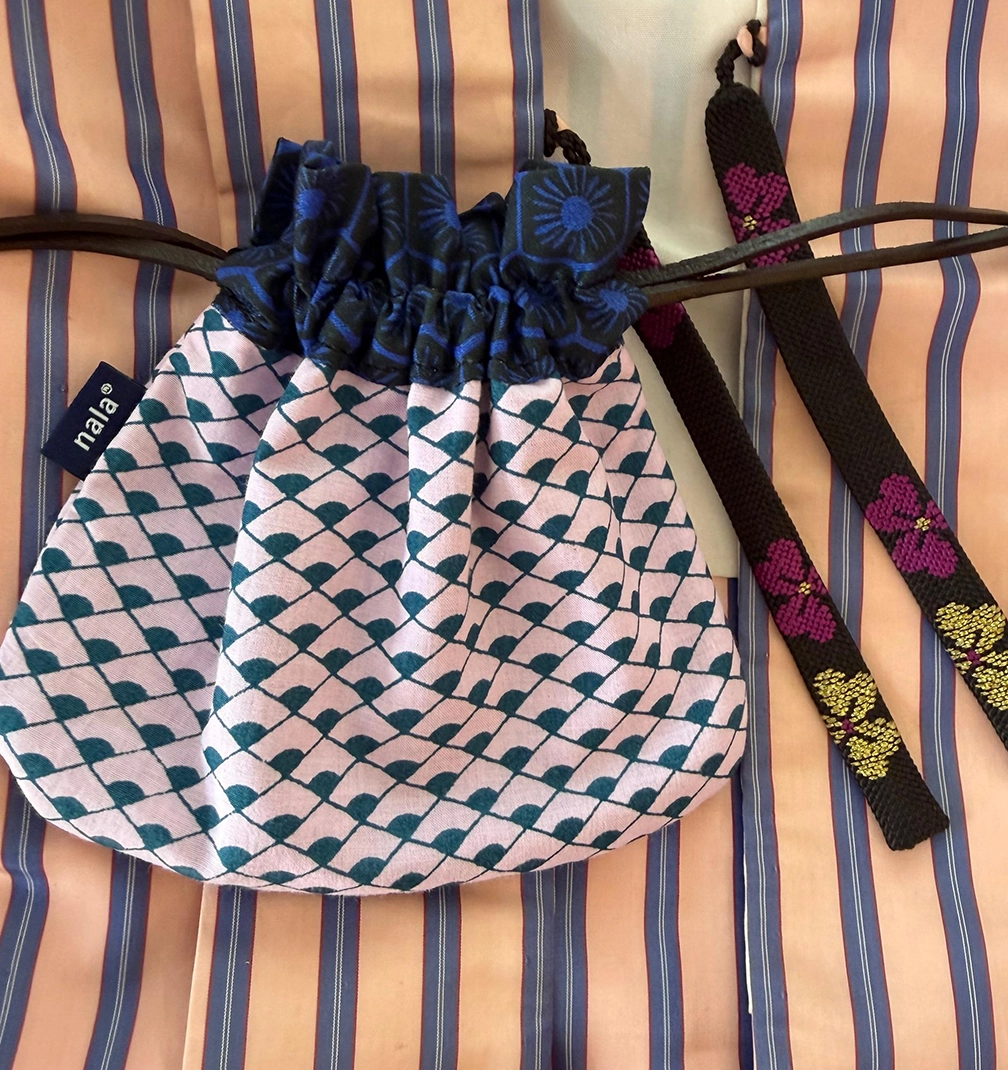
Our version honours that history while giving it a new silhouette. We crafted these kinchaku with leather handles, elevating the traditional pouch into something that can be carried effortlessly today. The form remains soft and sculptural, but the detailing makes it contemporary and strong.

And inside each bag, there is something extra special.

A 10 cent coin.

The skirt that thinks it is a painting.

In Japan, placing a coin inside a pouch or wallet has long symbolised prosperity and good fortune. It is a small gesture, but one filled with meaning. A wish for abundance. A quiet blessing for the person who carries it. We loved the idea of sending each kinchaku into the world already carrying luck within it.

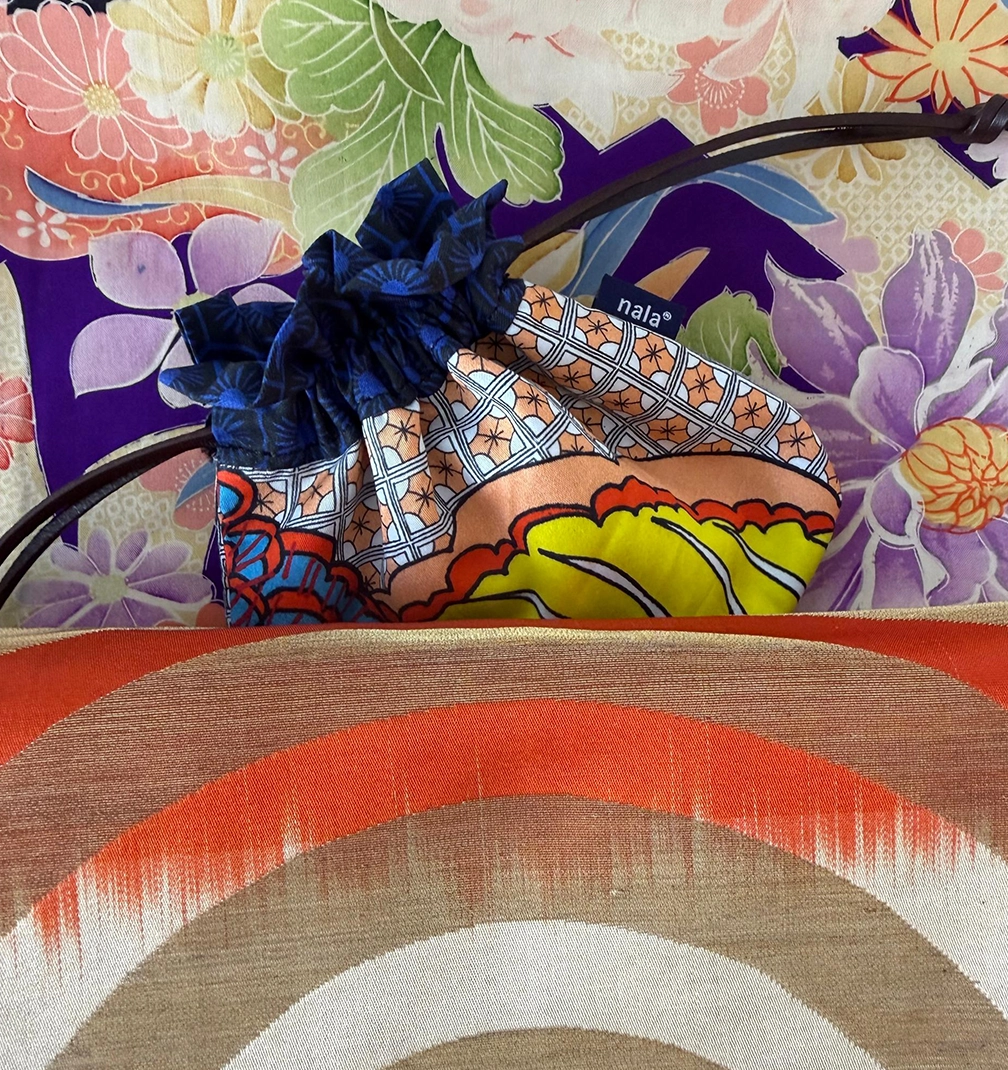
These pieces are also deeply personal to us. They are made using our archive fabrics, stock we have protected and waited to use for six or seven years. I always knew these prints deserved the right form. The right moment. The kinchaku was that moment.

There are around twenty designs in total, each one limited. Once they are gone, they are gone. Every pouch carries its own story through the fabric, layered with time and memory.

Each kinchaku may be modest in scale, but it carries layers of meaning. History from the Edo period. Archive fabrics we have guarded for years. A small coin tucked inside as a quiet wish for prosperity. It is the kind of piece that feels intimate when you hold it, as though it already has a story before you even begin your own.

The skirt that thinks it is a painting.
The LS Do – A Monthly Market at Kasturi

The LS Do – A Monthly Market at Kasturi

5 min read

The LS Do
A Monthly Market at Kasturi

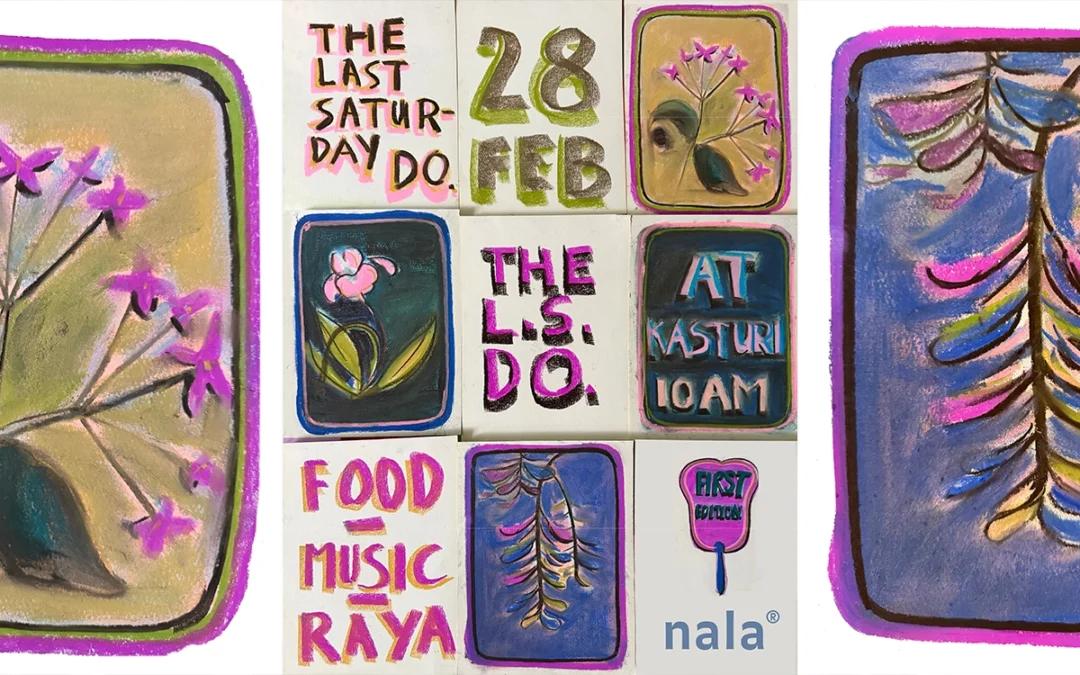
We call it the LS Do, and it is exactly what it sounds like. A fun, vibrant market happening every last Saturday of the month at Kasturi.

LISETTE

SHARE

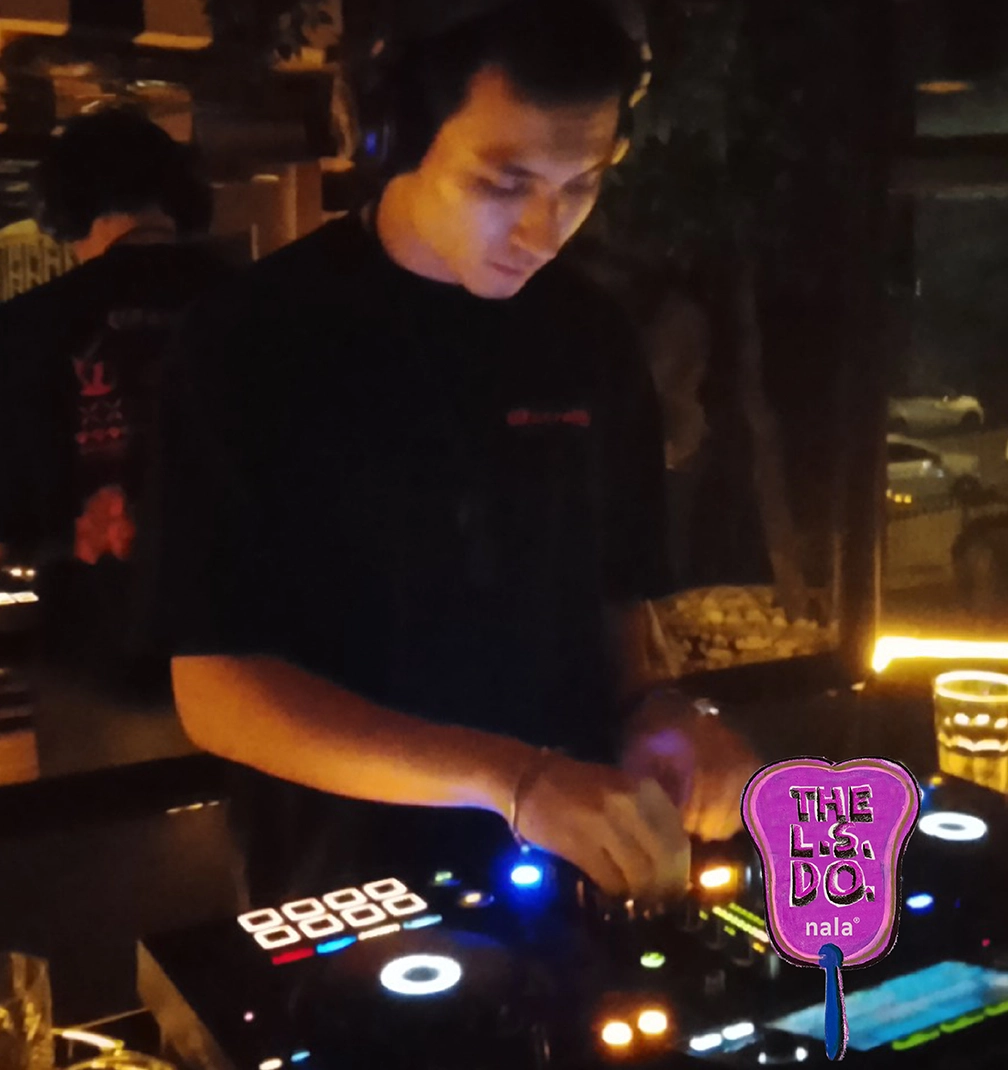
Doors open at 10am, and from the morning onwards the space fills with music, food, craft, and community. We are inviting buskers to come and play their songs and share their sound. They bring their own instruments, we provide the mic, and together we create the atmosphere. Throughout the day there will also be a live DJ, keeping the energy flowing.

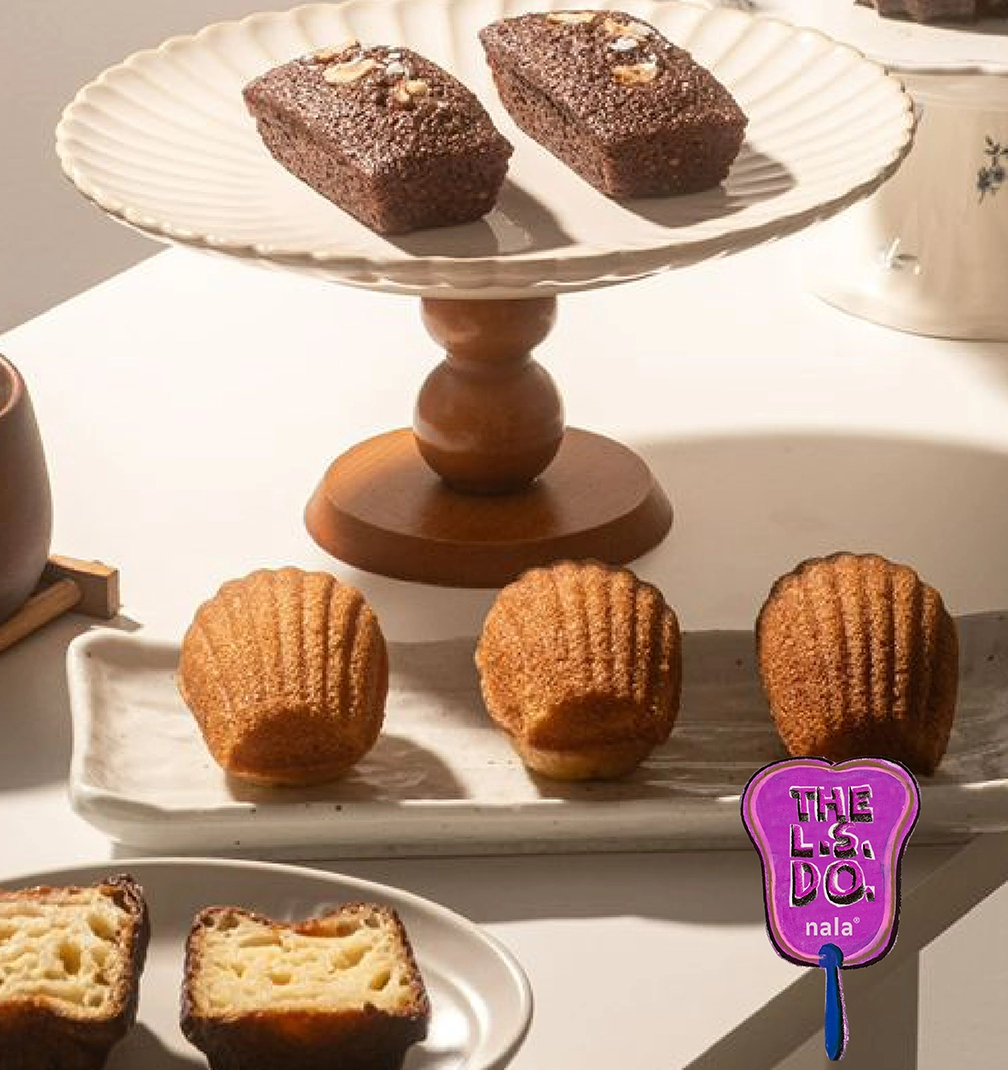
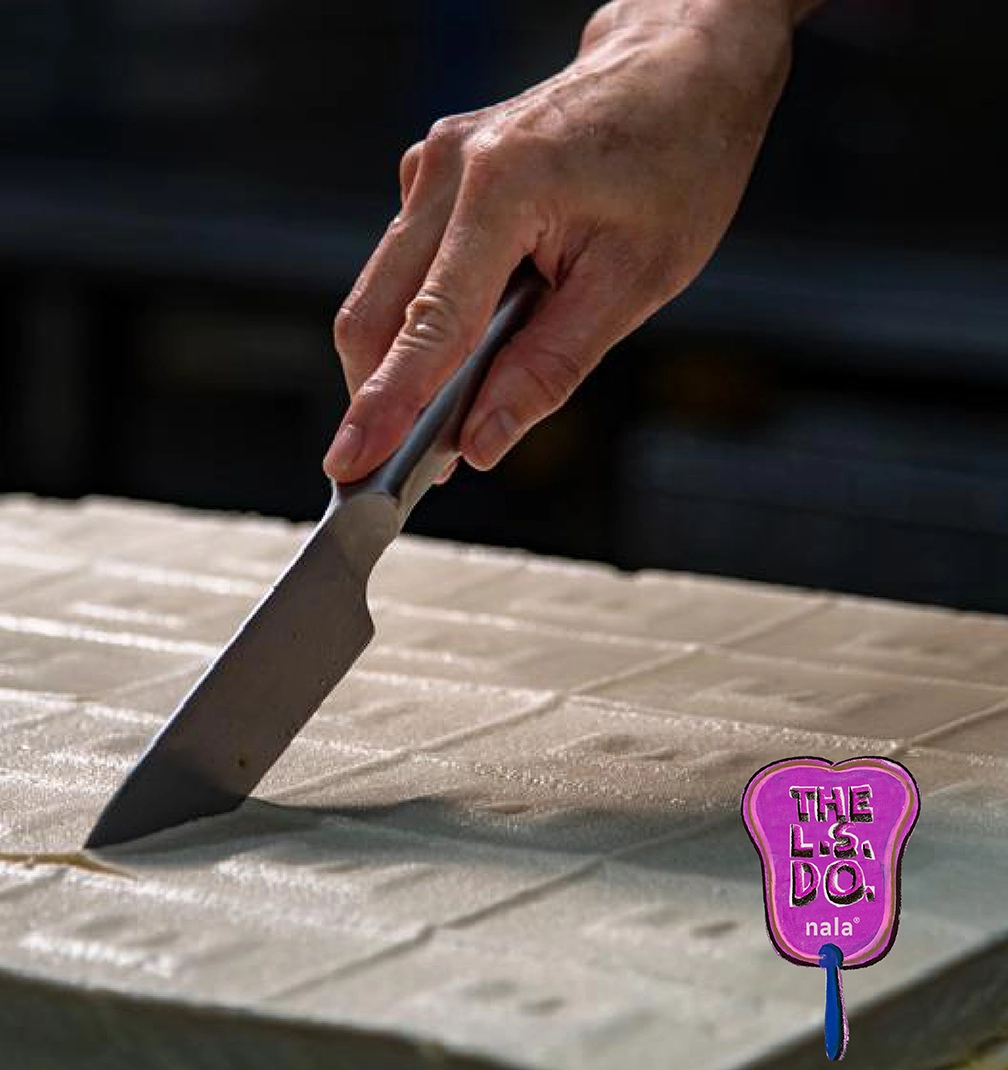
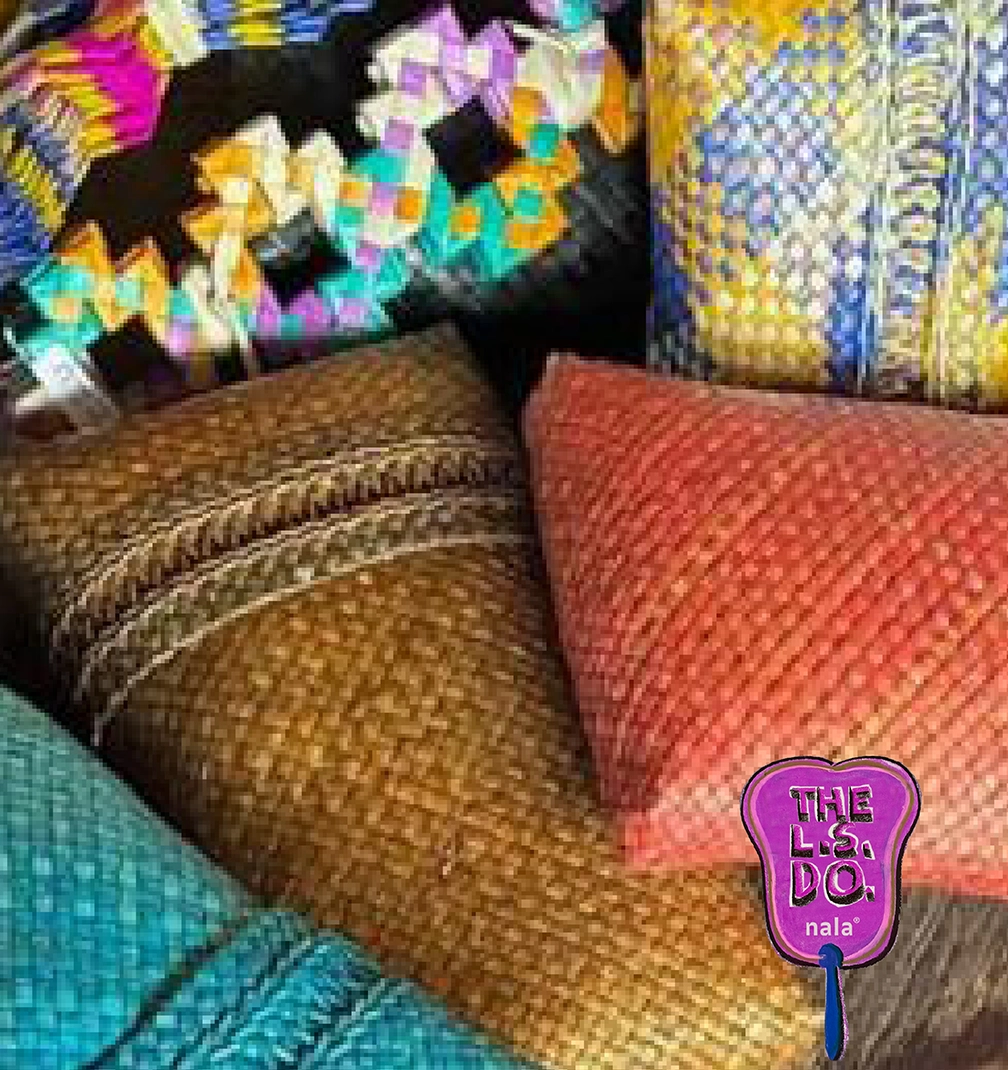
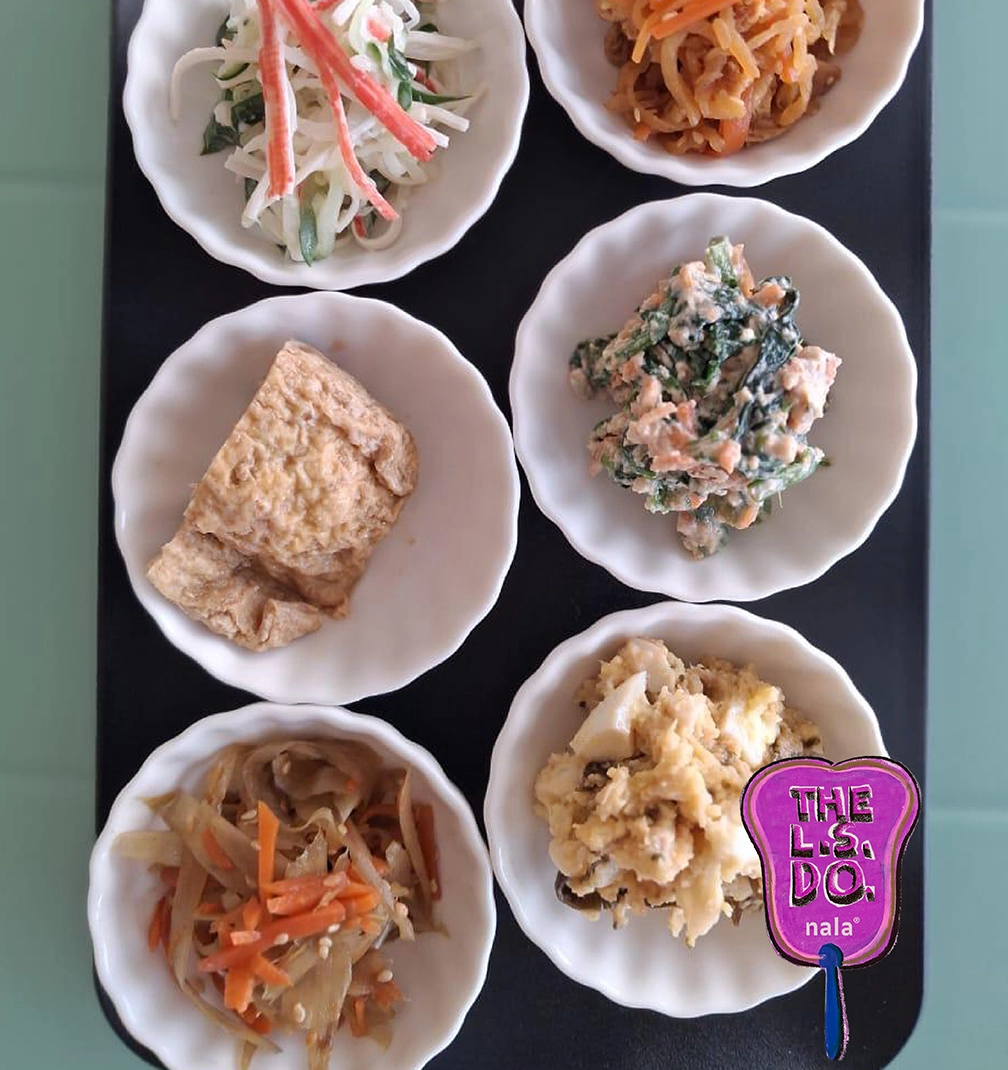
Good food and beautiful craft are part of what makes this day special. We are welcoming one of the finest tofu makers in Malaysia, serving thoughtful Japanese dishes that are simple, refined, and deeply satisfying. At the same time, Gerai OA will be joining us with their extraordinary indigenous baskets, each one handwoven and rooted in heritage, carrying story and culture within every strand.

And here is the big surprise.

Everyone thought we were not doing Raya this year. But we are.

At this LS Do, we officially launch our Hari Raya collection at the market. The new balloon skirts will make their debut, playful yet elegant, sculptural yet easy to wear. They are designed to celebrate movement, celebration, and togetherness, and they deserve to be seen in person. If you have been waiting for Raya, this is it.

So come and join us.

The skirt that thinks it is a painting.

Saturday the 28th
Location : Kasturi
Time : Doors open at 10am
Live buskers
DJ
Japanese food
Indigenous craft
Raya launch

Bring your friends, stay for a while, and celebrate with us.

The skirt that thinks it is a painting.
Vol.11 見慣れたものに、新たな価値を

Vol.11 見慣れたものに、新たな価値を

5 min read

Vol.11 見慣れたものに、新たな価値を

日本人には馴染みの深い、南国の花として知られているハイビスカス。 沖縄のイメージが強い方も多いのではないでしょうか。

実は、ハイビスカスはマレーシアの国の誇りとして知られていることはご存知でしょうか。

LISETTE

SHARE

日本人にとって、ハイビスカスは

南国の花、沖縄、リゾートやバカンスを思わせる存在かもしれません。

明るくて、少し非日常で、どこか「飾り」として記憶されている花。

けれど、マレーシアにとってハイビスカス――

ブンガ・ラヤは、まったく違う意味を持っています。

それは国を象徴する花であり、誇りであり、歴史であり、アイデンティティそのもの。

そしてNala Designs にとってもまた、この花は単なるモチーフではありません。

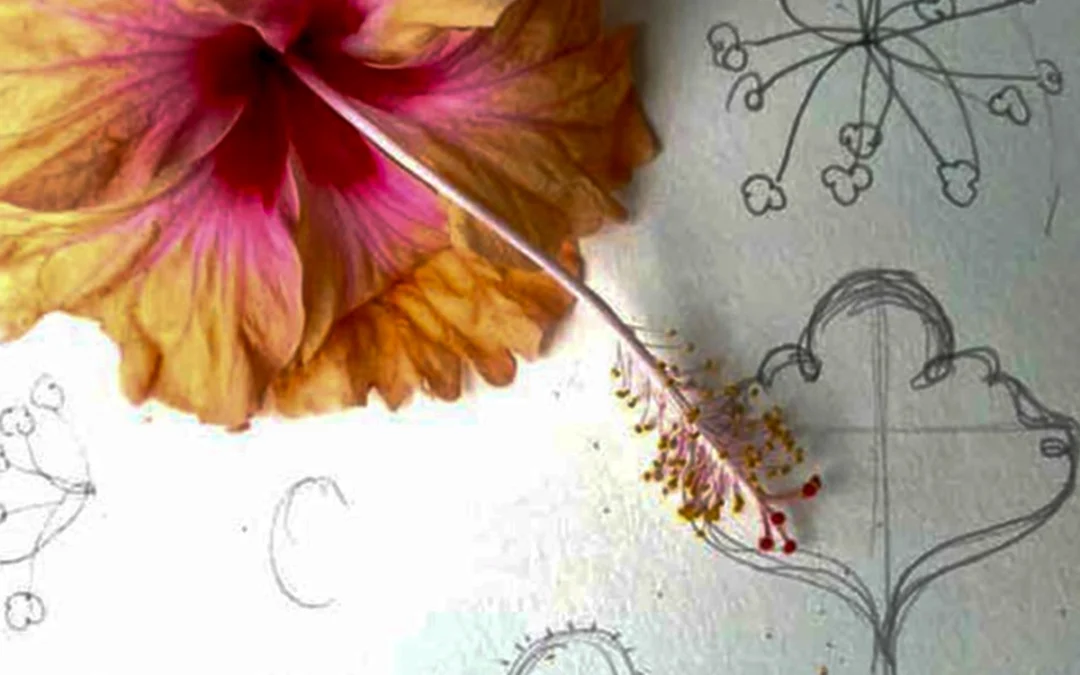
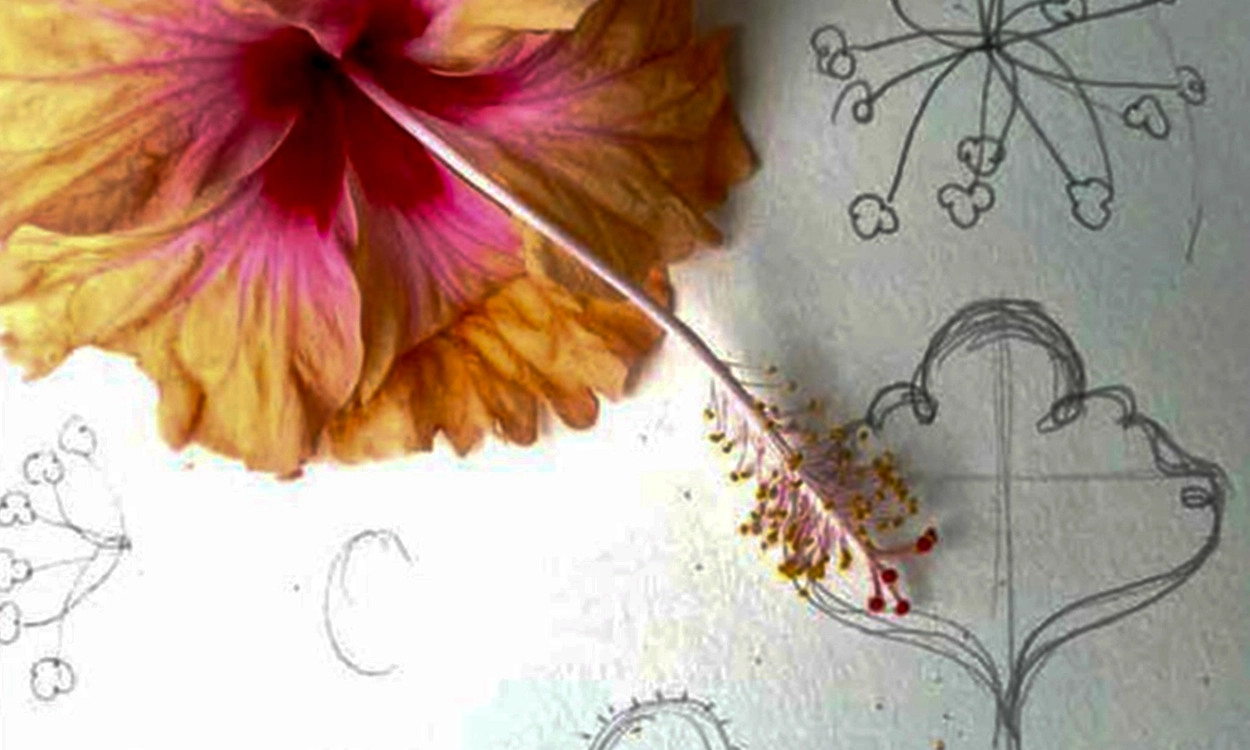
この花を「そのまま描く」ことではなく、一度分解してみることから、すべては始まりました。

あまりにも身近で、気づけば「そこにあるのが当たり前」になっていた花。

だからこそ、一度立ち止まりました。形を解き、構造を見つめ直し、

花そのものではなく、そこに宿る感情やリズムをすくい取るように。

The skirt that thinks it is a painting.

そうして生まれたのが、

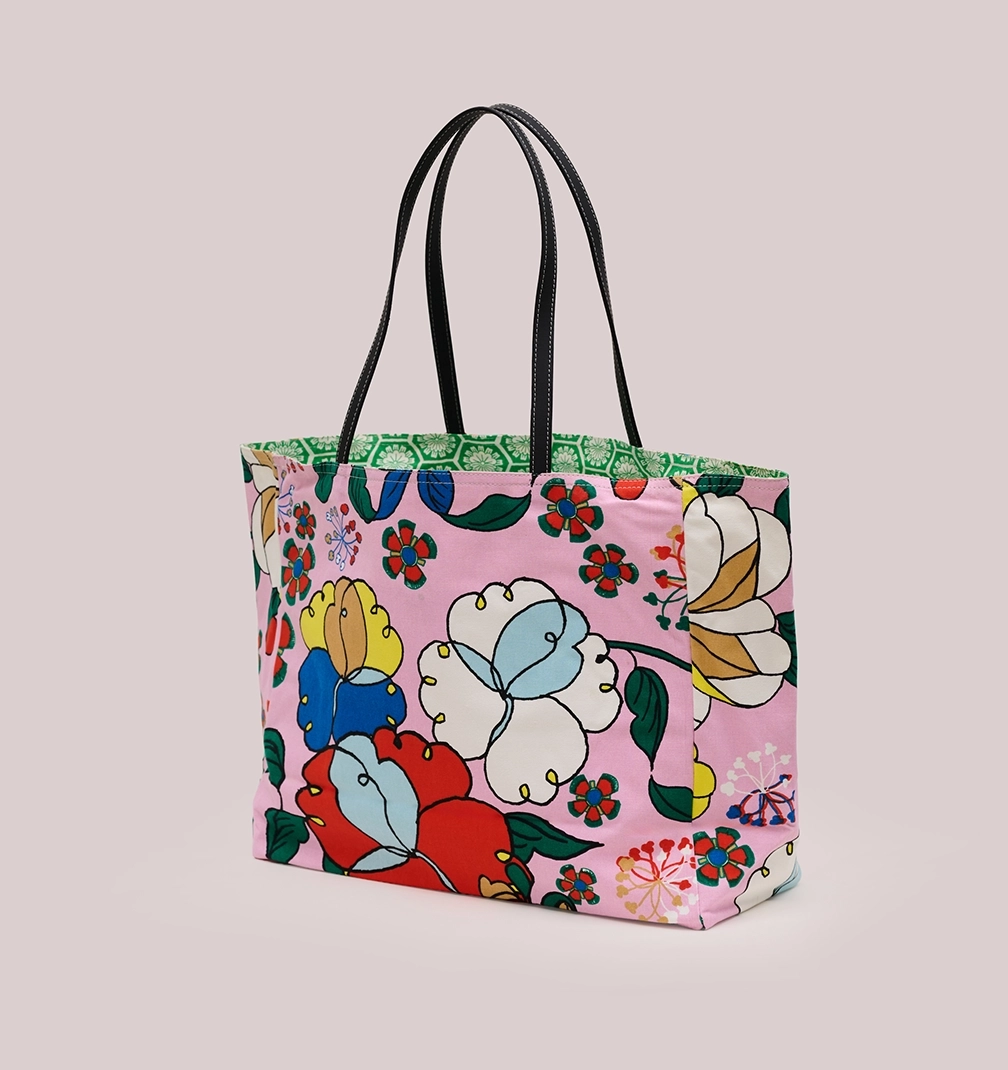
Nala Designsの愛されるブンガ・ラヤのデザインです。

それは一目でハイビスカスだと分かるものではありません。

けれど、どこか喜びがあって、陽気で、あたたかく、生き生きとした空気をまとっています。

「これは何の花です」と説明しなくても、感情として伝わるものがある。

Nala Designs が大切にしているのは、そういう在り方です。

The skirt that thinks it is a painting.

この考え方から、私たちは多くのことを学んできました。

ある人は「もう見慣れたもの」と言い、

視点を変えれば、そこに「可能性」が見えてくる。ありきたりだと思われているものも、

見え方次第で、何度でも新しい物語を生み出せるのです。

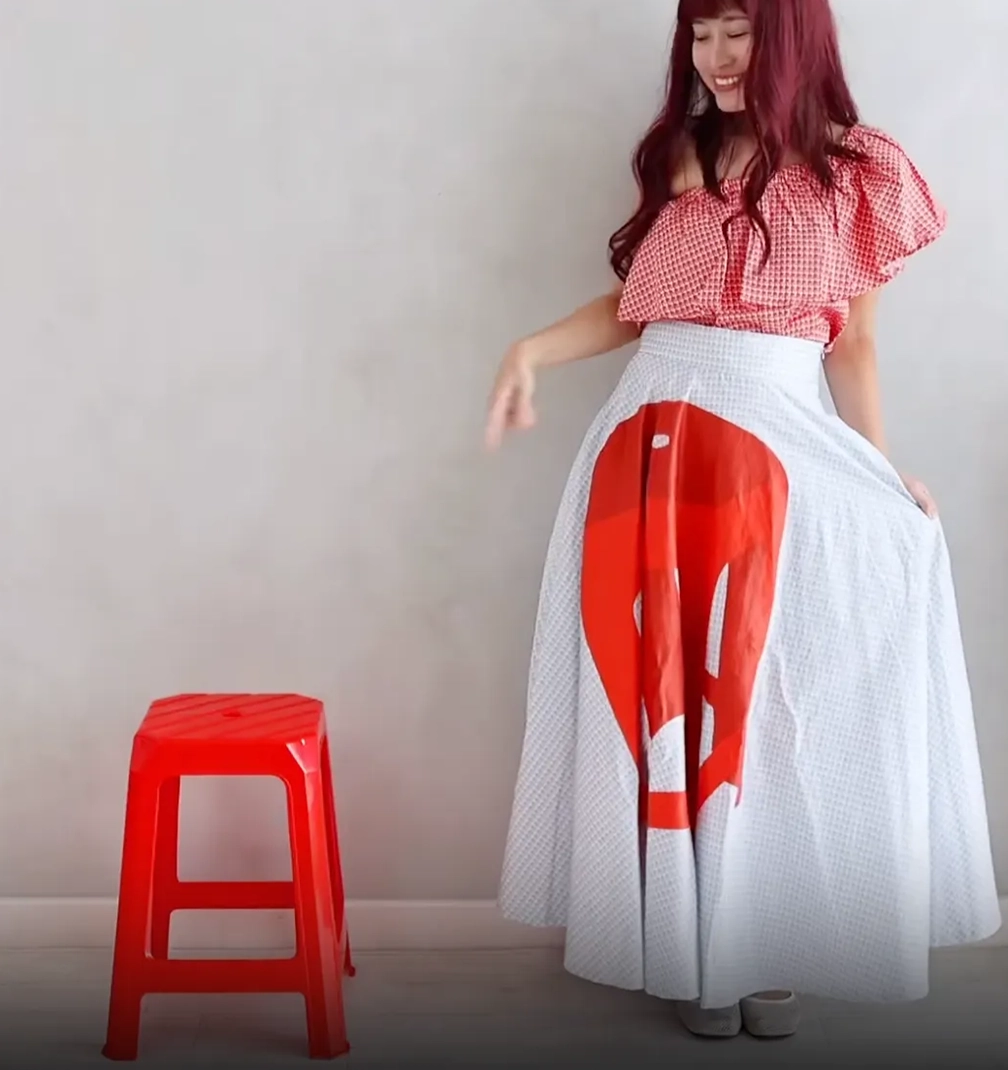
昨年のコレクションで登場した赤いプラスチックの椅子も、同じ発想から生まれました。

日常の風景に溶け込み、美しいとも、特別とも思われてこなかった日用品。

けれど角度を変えて見つめると、そこには懐かしさや温度、人の暮らしの記憶が宿っていました。

The skirt that thinks it is a painting.

Nalaは、これからも見慣れたものに、少し違う角度から光を当て続けます。

そうすることで、一輪の花はただの花ではなく、

それぞれの記憶や感情と結びつき、新しい物語を紡ぎ出していくのです。

Unagi Clubでは、これからも知られざるNala Designのエピソードをご紹介していきます。

どうぞ、お楽しみに。

The skirt that thinks it is a painting.
Flowers Never Go Out of Fashion. Neither Do Patterns.

Flowers Never Go Out of Fashion. Neither Do Patterns.

5 min read

Flowers Never Go Out of Fashion. Neither Do Patterns.

I bought this book at Liberty London two years ago, just before I decided to stop travelling for a while and stay anchored in Kuala Lumpur to really build my team and strengthen our foothold there.

LISETTE

SHARE

It was a conscious decision rather than a forced one, although I do admit that my weekly trips to Singapore conveniently do not count as travelling in my head. If you can take a bus there, it feels more like commuting than wandering.

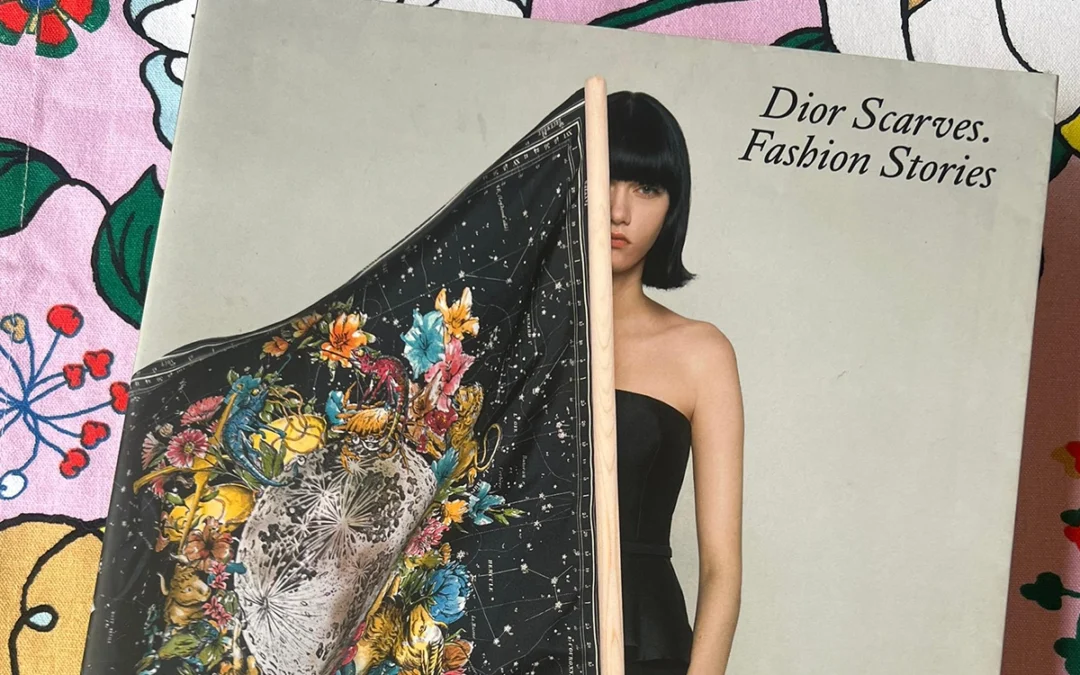
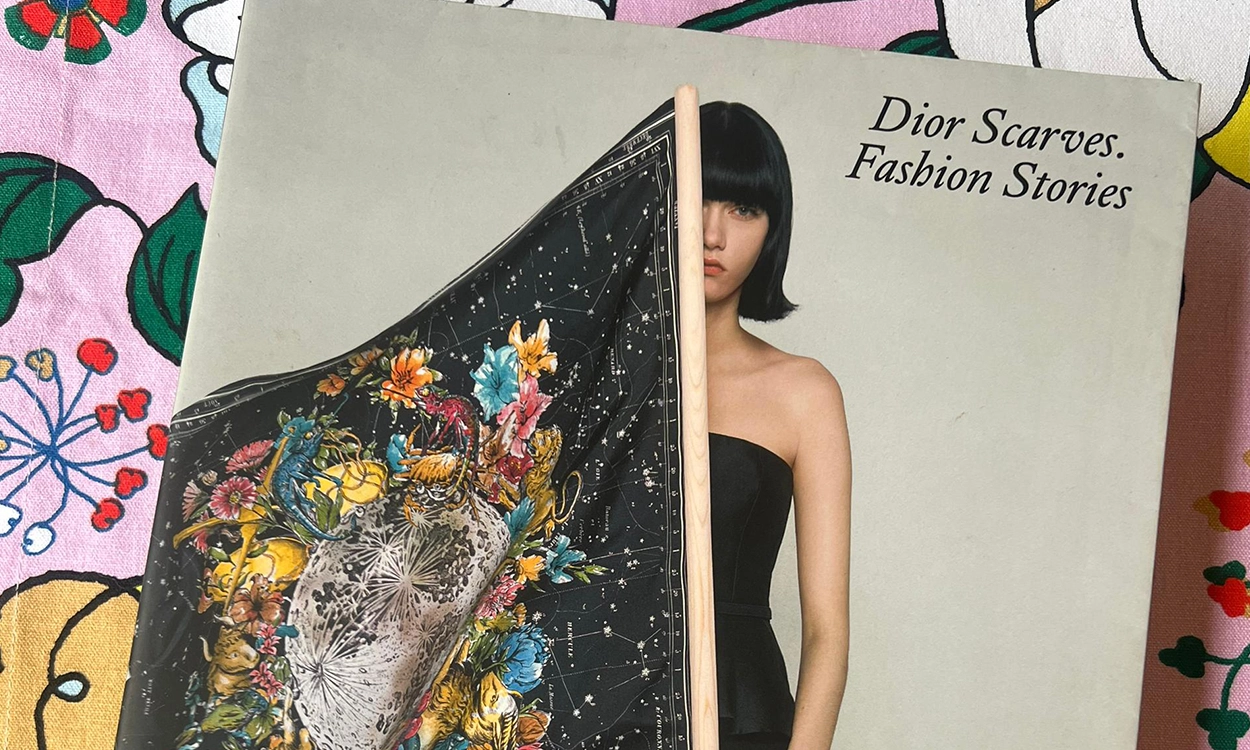
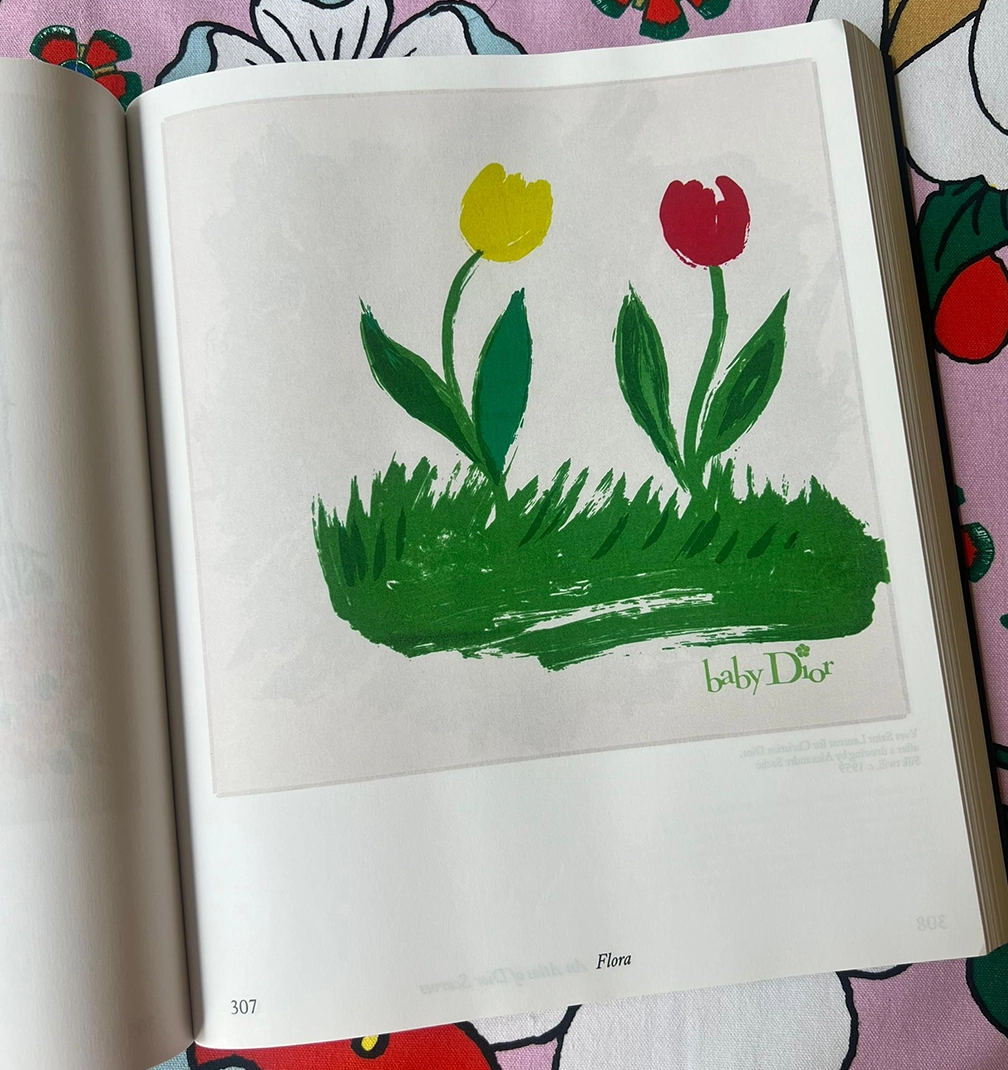
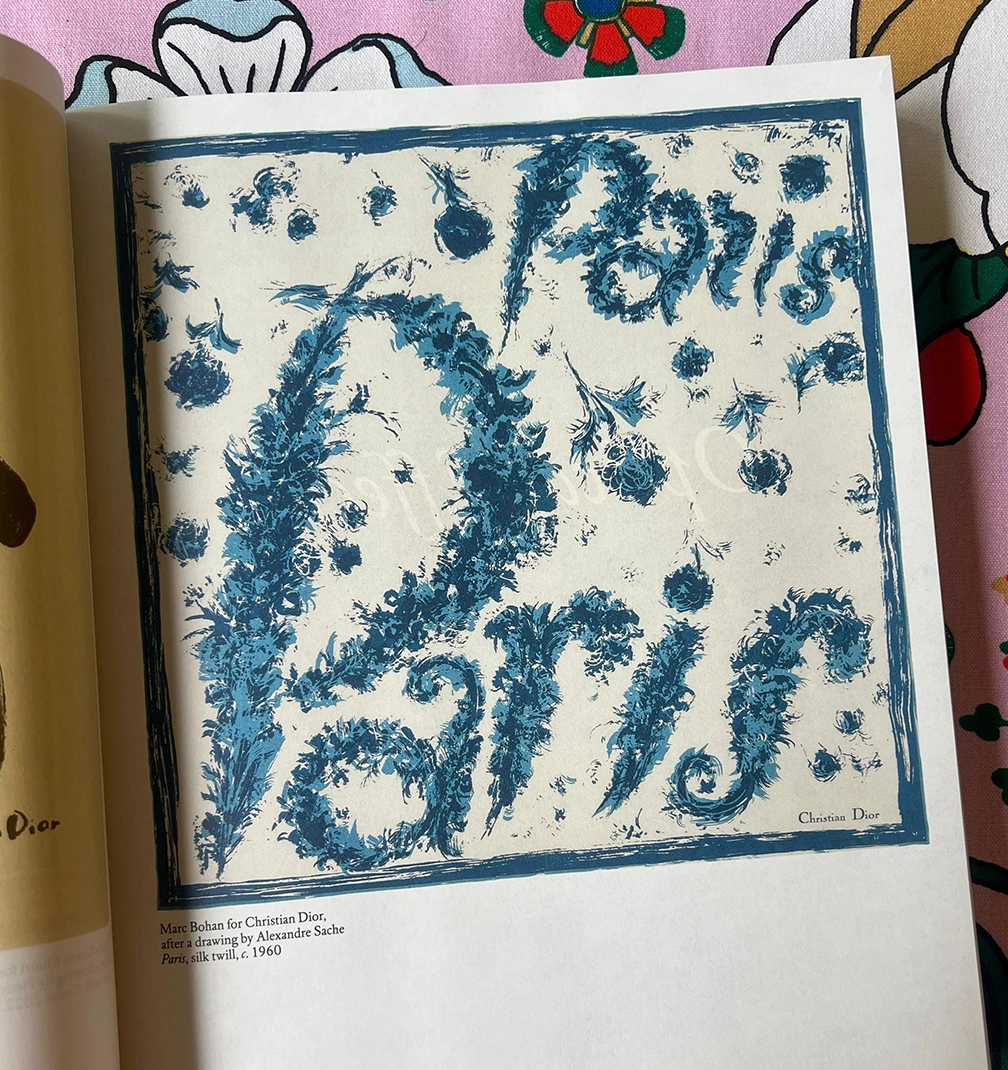
The book is Dior Scarves. Fashion Stories, published by Thames & Hudson, and it explores decades of scarf design from the house of Dior. It is one of the most beautiful books I own. The pages are exceptionally thin, almost tissue like, which somehow makes the experience more luxurious because there are so many of them. You turn one page and then another and another, and it feels endless. Scarves upon scarves, each one telling its own small visual story.

The skirt that thinks it is a painting.

What I love most about this book is the sense of freedom in the designs. You quickly realise that a scarf does not need to be rigidly structured or overwhelmingly intricate to be impactful. It does not always need to be engineered with mathematical precision. Sometimes it is simply one flower, placed with confidence, and that is enough. Sometimes it is a bold sweep of colour or an expressive illustration that feels almost spontaneous.

Many of the designs appear hand painted or hand drawn, and that human touch is unmistakable. You can see the softness of the brush, the slight irregularities in the line, and the life inside the composition. There is warmth in it. There is personality. It does not feel overworked or digitally perfected.

As someone who spends her life thinking about prints and patterns, I find this deeply inspiring. It feels very close to what we believe in. Florals that are not shy. Patterns that are allowed to breathe. Motifs that carry emotion rather than just decoration.

This book is a reminder that flowers never go out of fashion, and neither do patterns. They evolve and reinterpret themselves, but they never disappear. They simply return in new colours, new scales, and new moods, ready to be loved all over again.