
SUBSCRIBE

LOGIN

NALA HAPPY TIMES

DESIGN

CULTURE

TASTE

TRAVEL

FOOD

THURSDAY SHOWS

UNAGI CLUB

NALA’S SHOP

DESIGN

CULTURE

TASTE

TRAVEL

FOOD

THURSDAY SHOWS

UNAGI CLUB

ARCHIVES

CONTRIBUTORS

DISCOVER

Nala’s Instagram

Nala’s Facebook

Nala’s LinkedIn

Lisetts’s LinkedIn

Nala’s Tiktok

Nala’s Youtube

OUR BRAND

About us

Nala’s locations

FAQs

Customer service

Careers

Manifesto

HIGHLIGHT

Latest issue on 7 Sept 2025. Update every Saturday.

Thursday Show
The Daily Bloom – Pasar Raya

The Daily Bloom – Pasar Raya

5 min read

THE DAILY BLOOM – Pasa Raya

Our baju raya is not something we take out once a year and then carefully return to the cupboard.
It is part of how we live.

LISETTE

SHARE

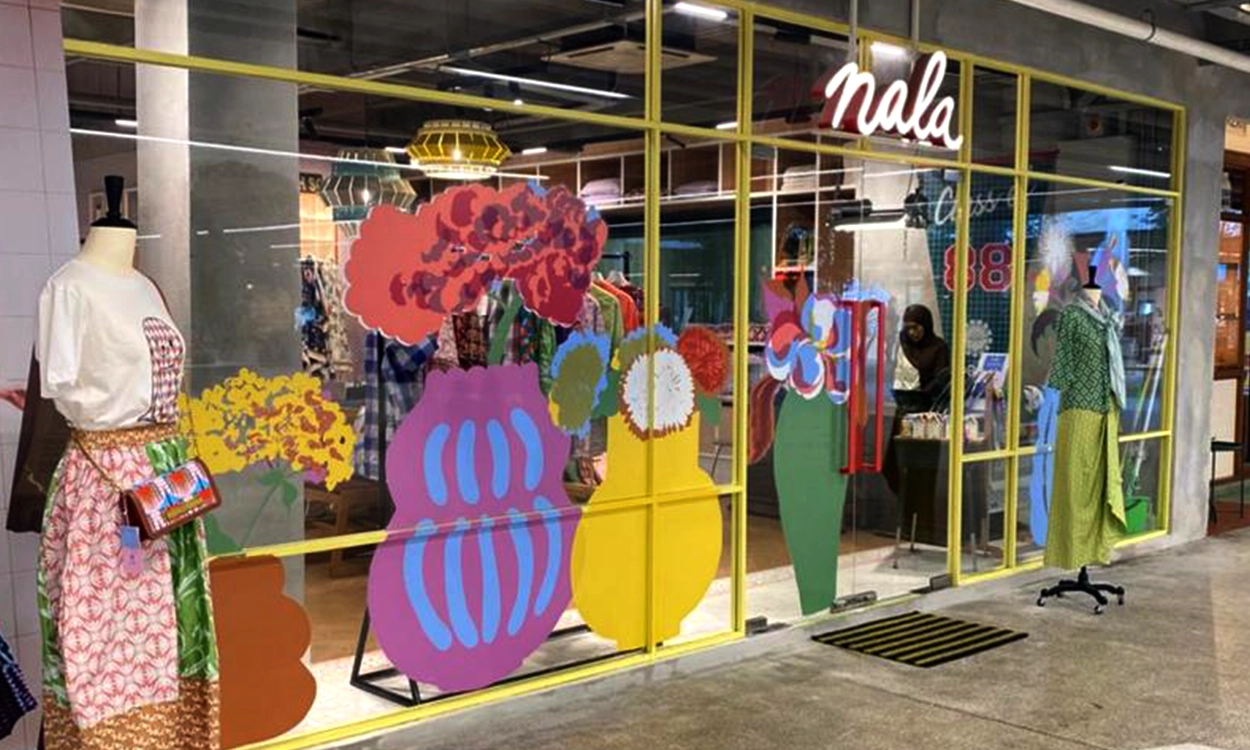
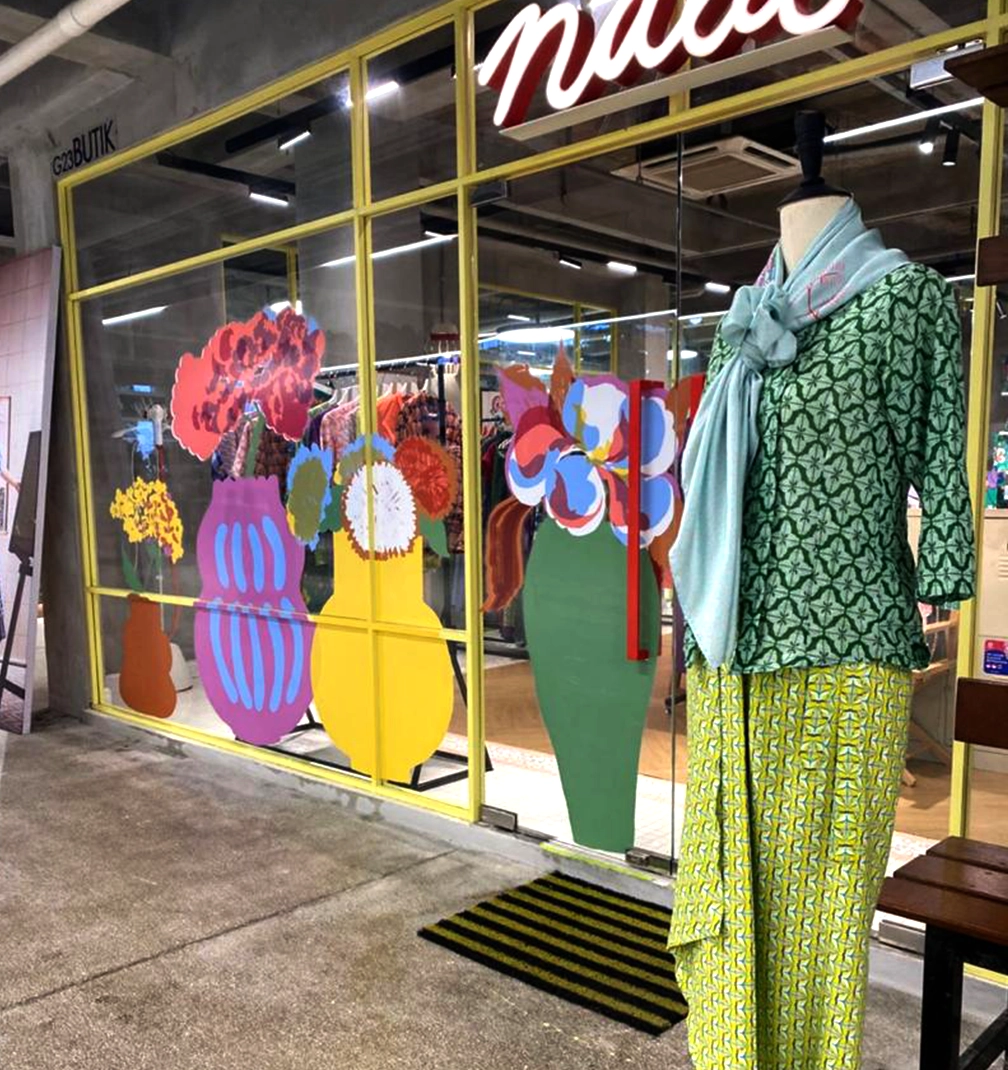
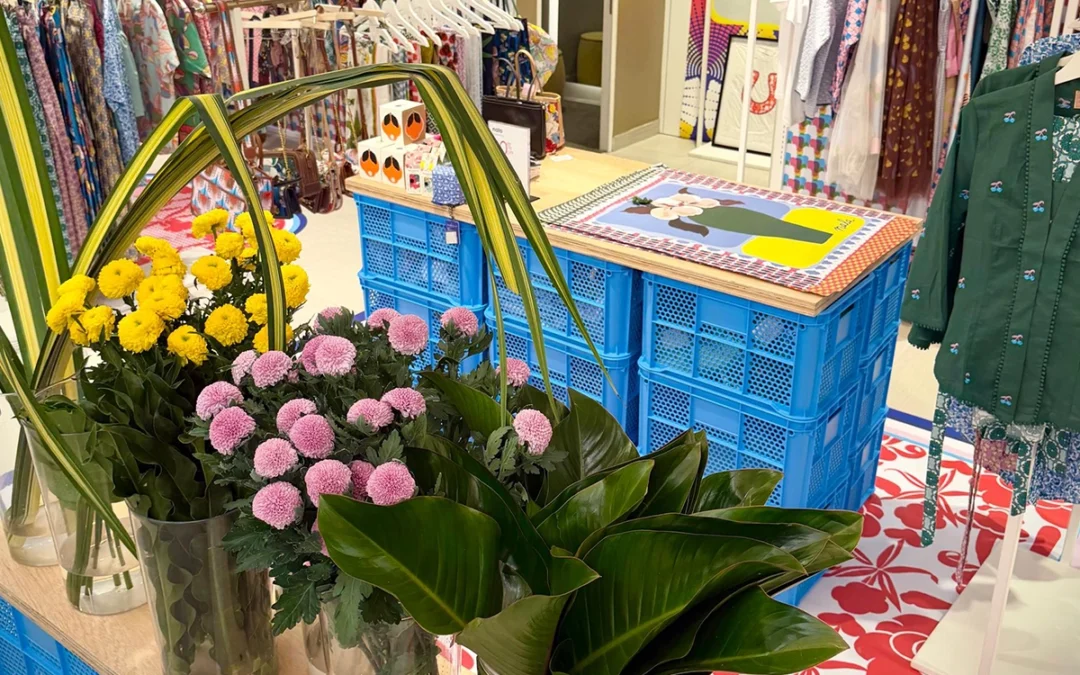
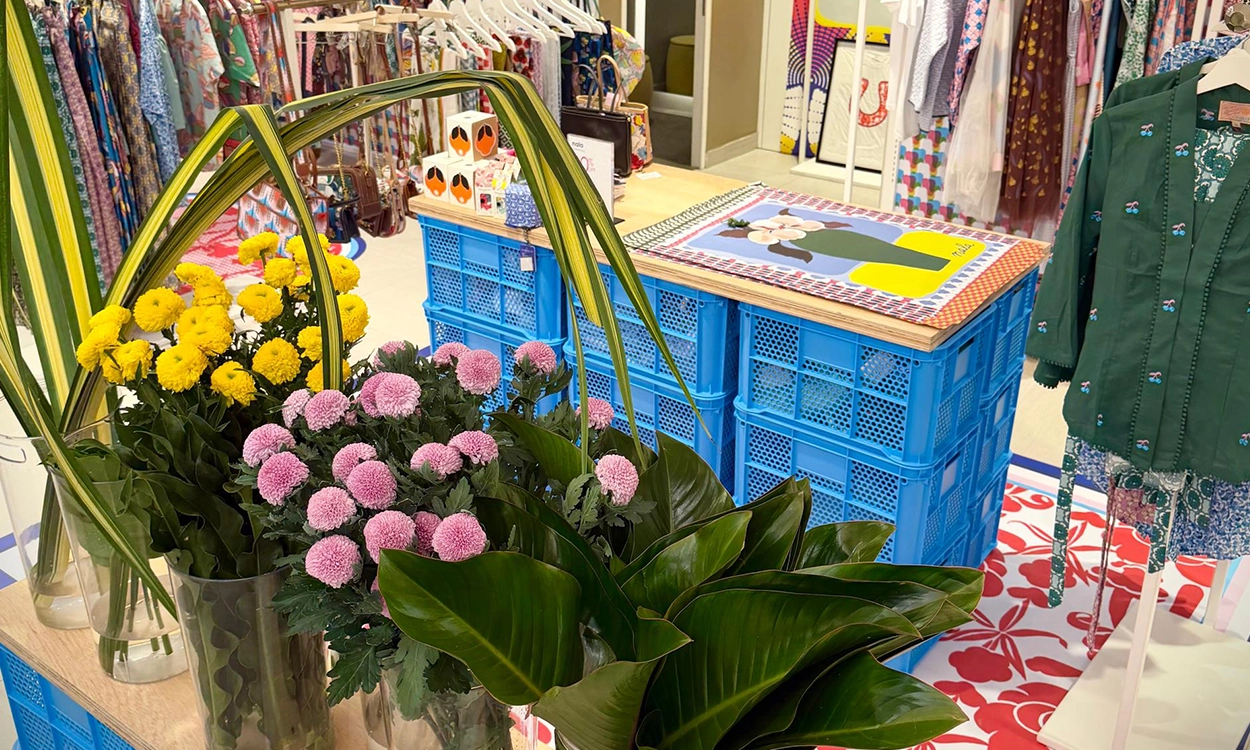
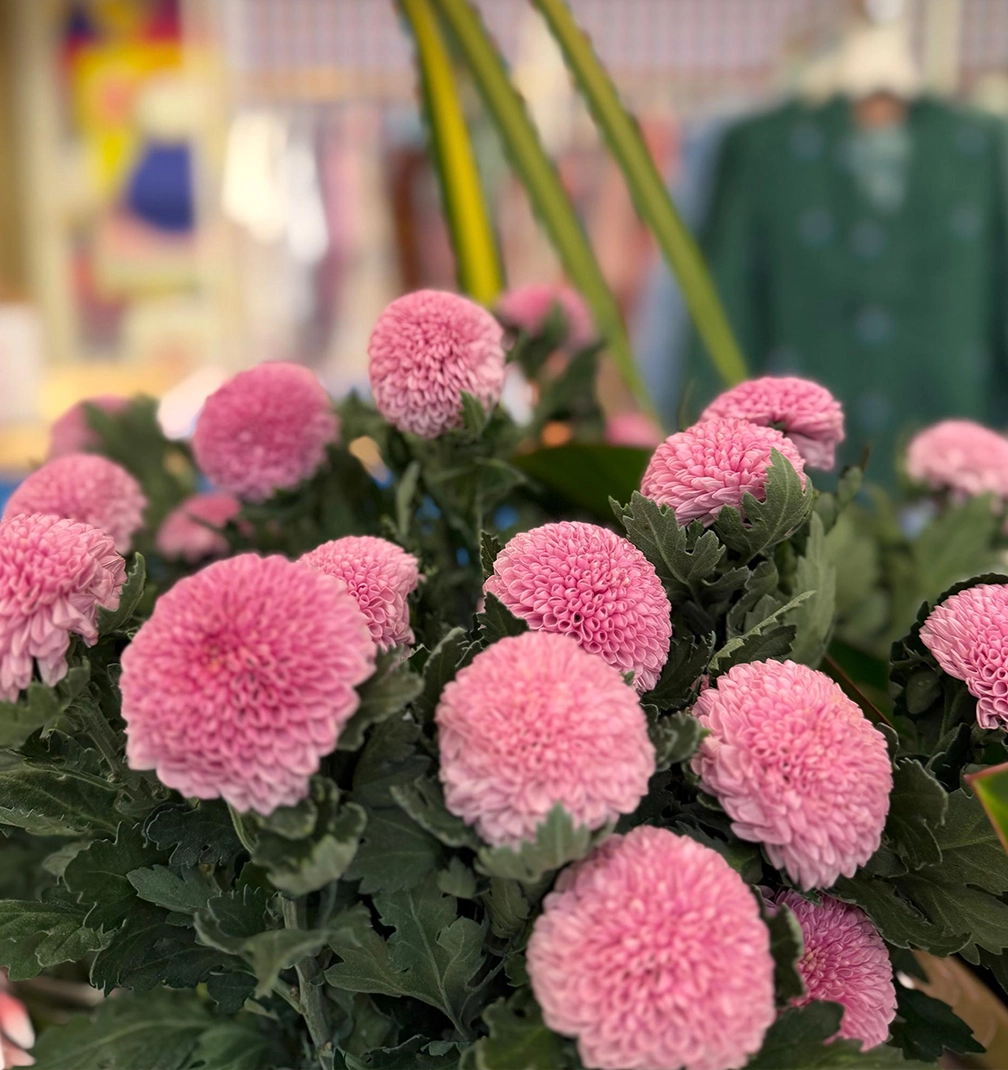
This is Raya in real life. Worn in the market, among fruit, flowers and movement, the collection feels completely at home in the everyday. You can wear it to the bazaar, to open houses, to lunch with friends, and then again on an ordinary Tuesday with a pair of jeans. It is designed to move between occasions effortlessly, without ever feeling like it belongs to just one moment.

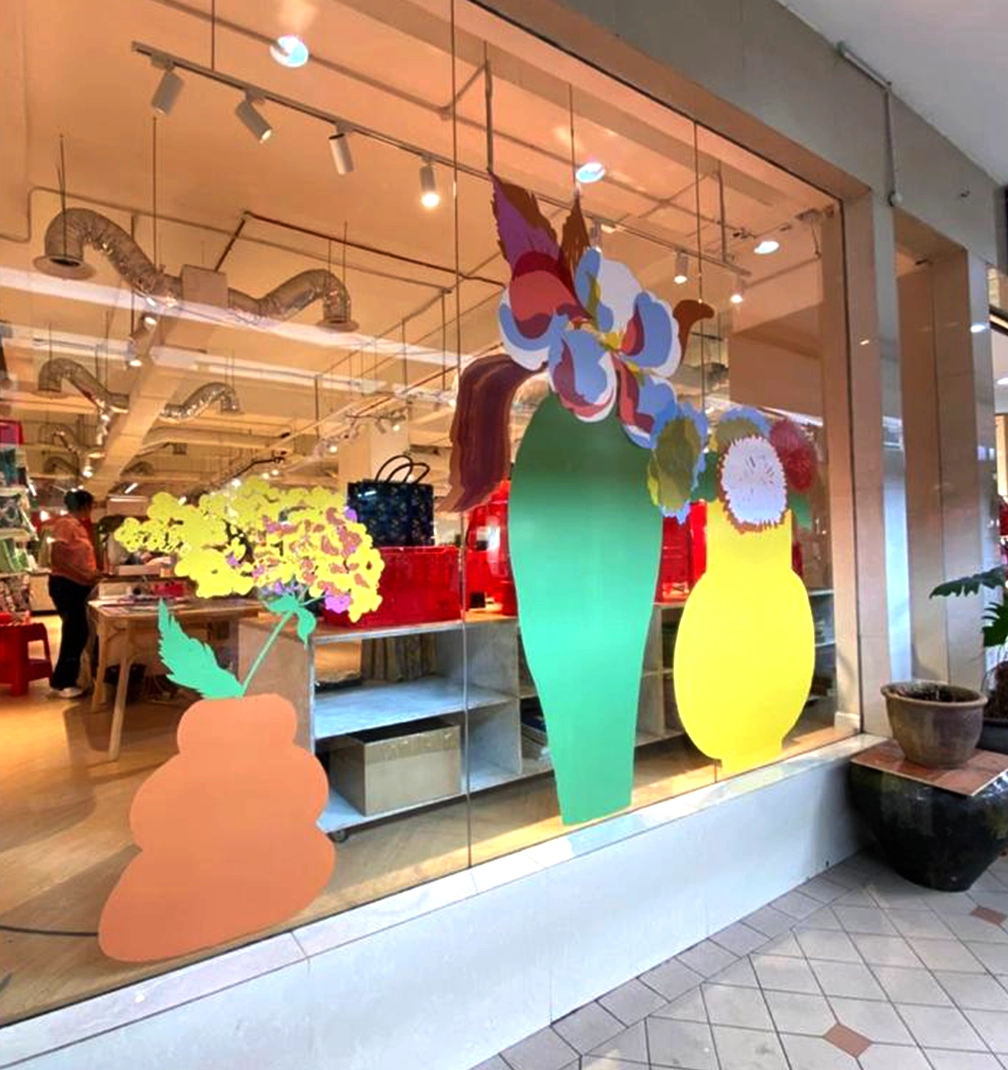
Inspired by our native Ixora, Iris and Passiflora, The Daily Bloom was printed in Malaysia using the traditional batik technique. I made this print at the very last minute because I wanted a collection that felt honest, rooted and timeless. Batik has that ability. The more you wear it, the more it becomes yours. It softens, it settles, it carries memory.

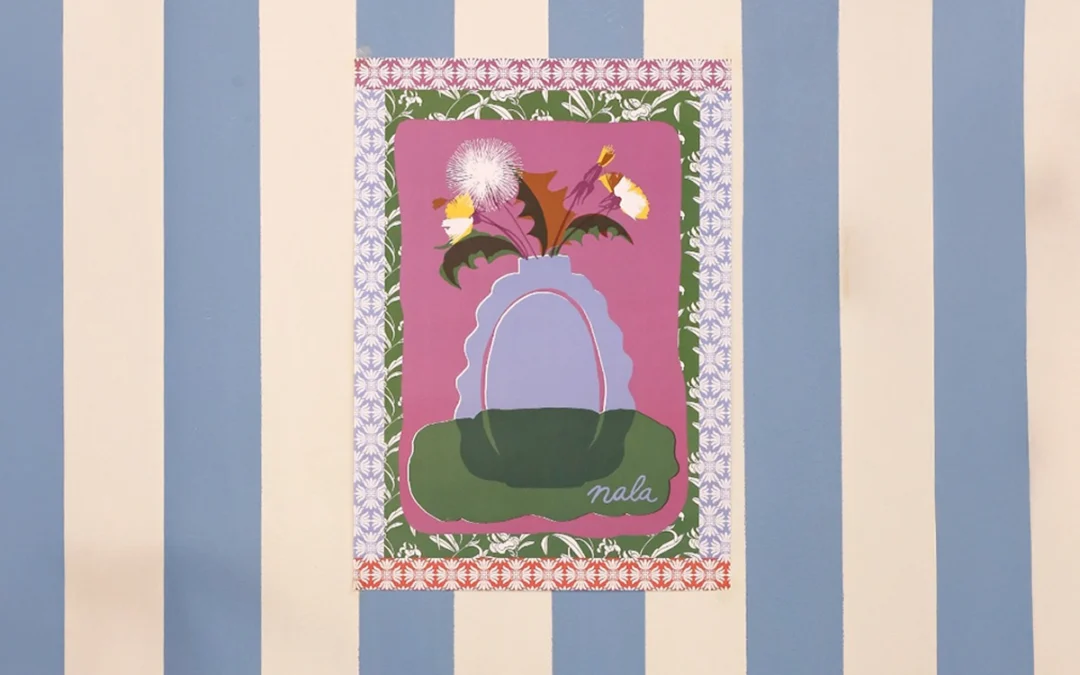
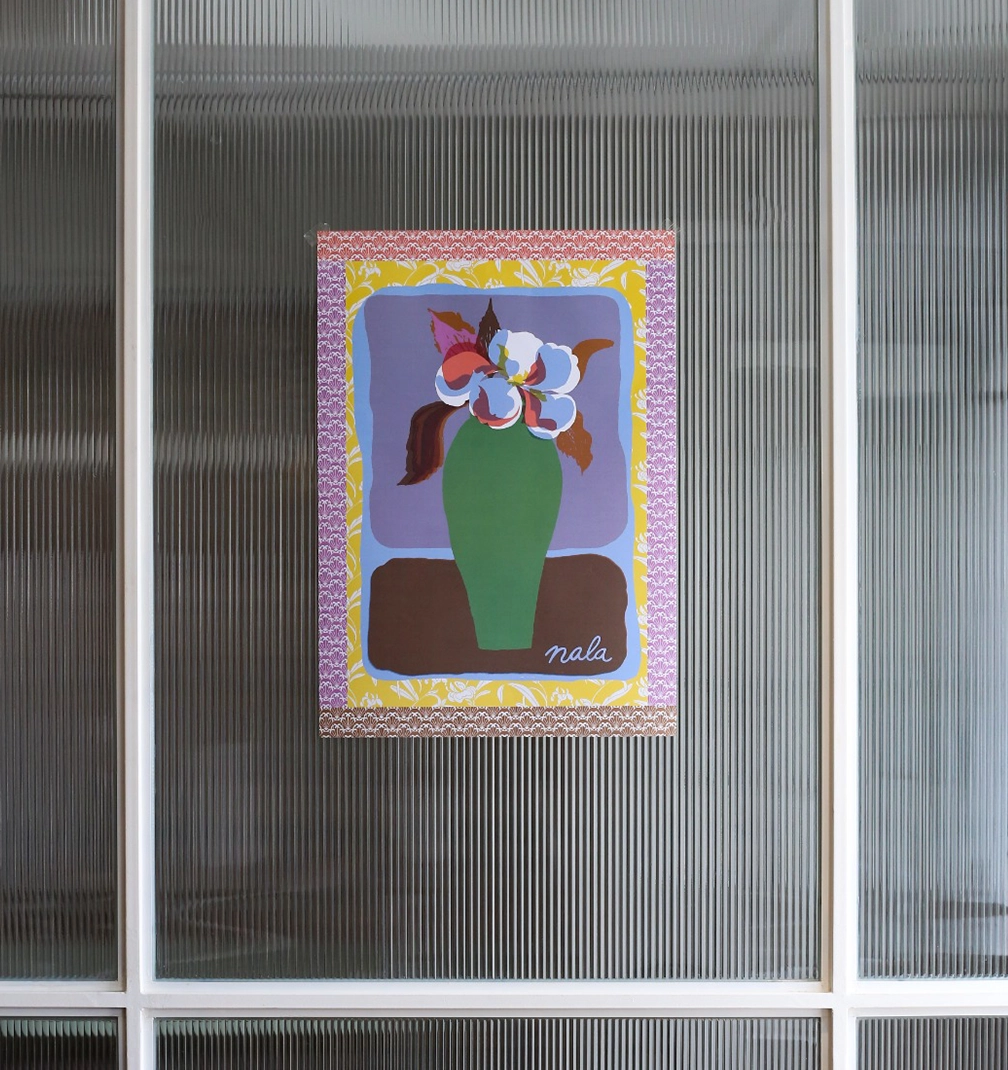
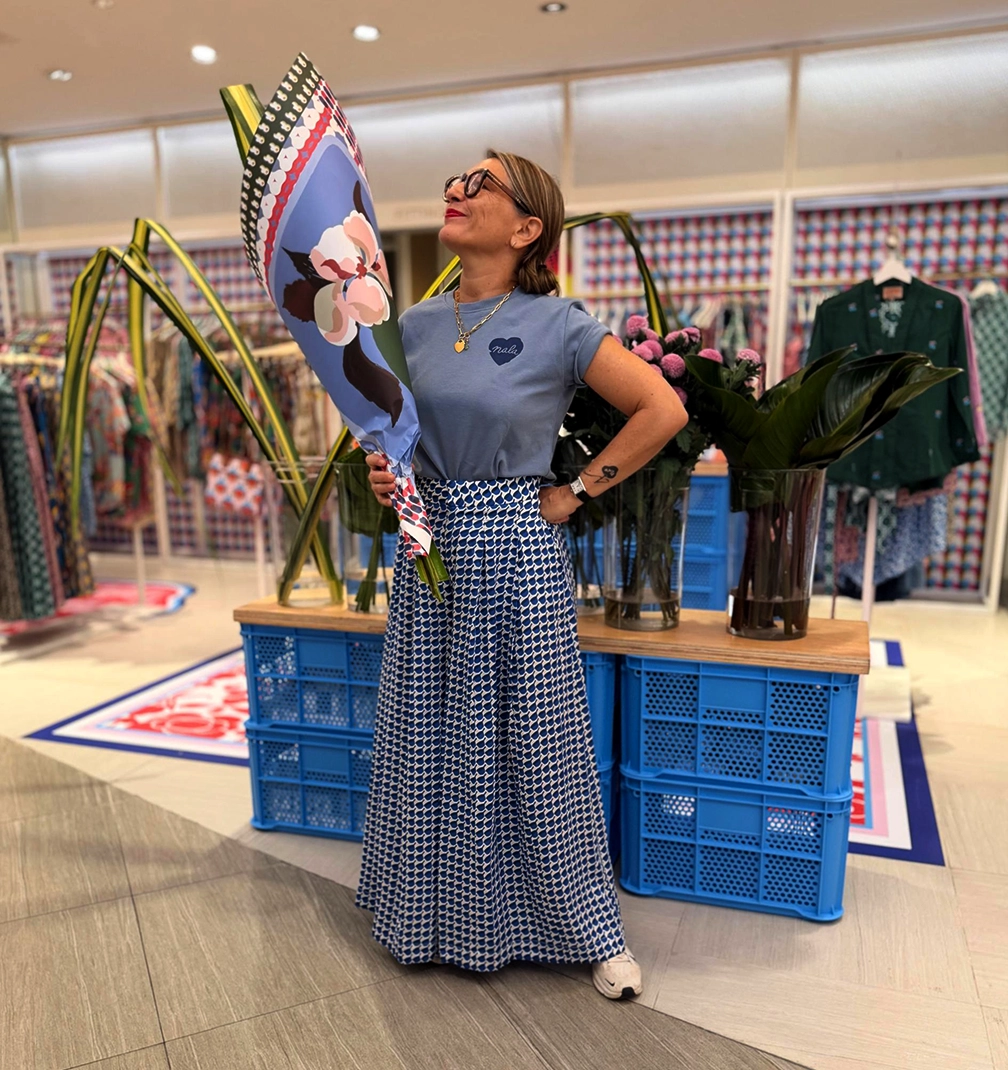
The skirt that thinks it is a painting.

Alongside the new batik, we are also releasing a small selection of our classic NALA prints as sarongs, pieces many of you already love, now reimagined for Raya. And for the very first time, we are introducing the batik with the red chair, a print I have kept close to my heart until now.

All pieces are produced in cotton voile and cotton satin. The voile is light, breathable and effortless, perfect for our weather and for layering. The satin has a gentle structure and polish, allowing you to dress it up beautifully for evenings and open houses.

This launch is extremely limited and available exclusively this Saturday at our Kasturi branch. Once it is gone, it is truly gone.

I wanted to create something that makes sense in the way we actually live, especially during Raya when we often invest in outfits that are worn once and then forgotten. This is different. This is something you can dress up with heels and jewellery, or dress down with denim and sandals. It is something you will reach for again and again, and perhaps one day hand down.

We believe women should feel comfortable and beautiful all the time, not only on special occasions. We make our universe beautiful in the way we dress, and in the way we live.

Pasar Raya is Raya. Open, practical and alive.

The skirt that thinks it is a painting.
Full Circle at Tanglin

Full Circle at Tanglin

5 min read

Full Circle at Tanglin

My mother was digging through her archives and found something extraordinary.
A copy of Tanglin Shopper magazine from 1973.

LISETTE

SHARE

I was three years old then. Tanglin was already there. Already alive. Already full of shops, energy, aspiration and style.

And now, decades later, we have a shop in Tanglin Mall.

If that is not full circle, I do not know what is.

Flipping through the pages feels like opening a time capsule. The typography is beautiful. The advertisements are earnest and proud. There are diamond stores, beauticians, directories of tenants. Bata was already around. American Express too. The rhythm of retail, already established.

The skirt that thinks it is a painting.

One headline made me smile: How to work away the flab. The photographs are priceless. The activewear from 1973 looks nothing like what we wear today, yet the message feels familiar. There is also House of Donnie, described as being for the fat and the not so fat. And fifteen hints on how to stay slim.

Clearly, some conversations never change.

It is fascinating to see how culture evolves while certain human concerns remain exactly the same. The silhouettes shift. The colours shift. The language softens or sharpens. But the desire to feel good, look good, belong, and improve ourselves has always been there.

For me, Tanglin Mall is not just another location. I was born in Singapore. Life moved. The brand grew in Malaysia. And now we are back in Singapore, in Tanglin Mall. That small discovery in my mother’s archive suddenly made everything feel connected.

Sometimes the universe leaves you a quiet reminder that nothing is random. That stories loop back. That places hold memory.

And that it always pays to keep old magazines.

The skirt that thinks it is a painting.
Where It All Began

Where It All Began

5 min read

Where It All Began

While going through old boxes, I found a sketchbook from 1989. It was my first year at the Royal Academy of Fine Arts Antwerp, where I studied graphic design and illustration.

LISETTE

SHARE

Opening it felt like meeting my younger self.

This was completely pre computer era. The typography was handwritten. Layouts were drawn by hand. Text was applied manually or prepared for silkscreen. We were only just beginning to hear about computers, but they were not part of our daily practice at school. Everything required patience. Precision. Touch.

You can see it in the pages. The lines are not perfect, but they are intentional. The spacing is considered. The letters carry personality because they were shaped slowly, by hand.

The skirt that thinks it is a painting.

I had just left Malaysia, so naturally that was the theme closest to my heart. Distance has a way of sharpening memory. The tropical references, the textures, the cultural elements, they appear instinctively throughout the work. When you are far from home, you draw home.

One project featured an Aikido school. Another was a packaging assignment for fish. Of course I chose ikan bilis. It has always been my favourite fish, so even in Antwerp, thousands of kilometres away, that small anchovy made its way into my design brief.

Looking back at these pages now, almost three decades later, I see the beginning of everything. The love for typography. The fascination with culture. The instinct to connect story and design. The discipline of working by hand.

It is humbling and comforting at the same time. A reminder that the foundation was always there. Long before Nala. Long before stores. Long before social media.

Just paper. Ink. Ideas. And a girl far from home, drawing her way forward.

The skirt that thinks it is a painting.
Why We Should Be Following Artists Like This

Why We Should Be Following Artists Like This

5 min read

Why We Should Be Following Artists Like This

There is something deeply satisfying about watching someone master a simple tool.

LISETTE

SHARE

On Instagram, kamulch creates extraordinary cityscapes using nothing more than a fountain pen. No digital corrections. No undo button. Just ink, paper, and an incredible amount of patience. The level of detail he achieves is almost unbelievable. Entire streets unfold through thousands of tiny, deliberate lines. It is mind blowing.

The skirt that thinks it is a painting.

What resonates with me personally is the choice of tool. I also draw everything with a fountain pen. There is something about that constant flow of ink that feels alive. The line does not hesitate. It moves as you move. I choose my fountain pens carefully, depending on the thickness of the nib and the kind of line I want to create. And I always carry one with me. It is not just a pen, it is an extension of the hand.

Of course, what he does is another level entirely. The patience alone is extraordinary. To sit, observe, and build an entire world line by line requires discipline, focus, and devotion to craft. You can feel the hours inside each drawing.

And this is exactly the kind of work we should be filling our feeds with. Not gossip. Not endless drama about kings and queens and scandals. But craft. Skill. Dedication. The beauty of someone quietly perfecting their art.

In a world that moves too fast, watching ink flow steadily across paper is a reminder that mastery still exists. And that sometimes the most powerful thing you can do is slow down and draw.

The Kinchaku – A Little Pouch with a Long History

The Kinchaku – A Little Pouch with a Long History

5 min read

The Kinchaku
A Little Pouch with a Long History

The kinchaku dates back to Japan’s Edo period, a time when daily objects were made with extraordinary care. Originally, these small drawstring pouches were worn with kimono, since kimono did not have pockets. Men and women used them to carry coins, medicines, seals, or small personal treasures. Practical, yes, but always beautiful.

LISETTE

SHARE

The word kinchaku simply refers to a drawstring pouch, yet culturally it carries more than function. It represents portability, intention, and the Japanese appreciation for objects that are both useful and poetic. Something small. Something personal. Something held close.

Our version honours that history while giving it a new silhouette. We crafted these kinchaku with leather handles, elevating the traditional pouch into something that can be carried effortlessly today. The form remains soft and sculptural, but the detailing makes it contemporary and strong.

And inside each bag, there is something extra special.

A 10 cent coin.

The skirt that thinks it is a painting.

In Japan, placing a coin inside a pouch or wallet has long symbolised prosperity and good fortune. It is a small gesture, but one filled with meaning. A wish for abundance. A quiet blessing for the person who carries it. We loved the idea of sending each kinchaku into the world already carrying luck within it.

These pieces are also deeply personal to us. They are made using our archive fabrics, stock we have protected and waited to use for six or seven years. I always knew these prints deserved the right form. The right moment. The kinchaku was that moment.

There are around twenty designs in total, each one limited. Once they are gone, they are gone. Every pouch carries its own story through the fabric, layered with time and memory.

Each kinchaku may be modest in scale, but it carries layers of meaning. History from the Edo period. Archive fabrics we have guarded for years. A small coin tucked inside as a quiet wish for prosperity. It is the kind of piece that feels intimate when you hold it, as though it already has a story before you even begin your own.

The skirt that thinks it is a painting.