

Nala Design New Collections Brutal TImes May 2026

SUBSCRIBE

LOGIN

NALA HAPPY TIMES

DESIGN

CULTURE

TASTE

TRAVEL

FOOD

THURSDAY SHOWS

UNAGI CLUB

NALA'S SHOP

DESIGN

CULTURE

TASTE

TRAVEL

FOOD

THURSDAY SHOWS

UNAGI CLUB

ARCHIVES

CONTRIBUTORS

DISCOVER

Nala's Instagram

Nala's Facebook

Nala's LinkedIn

Lisetts's LinkedIn

Nala's Tiktok

Nala's Youtube

OUR BRAND

About us

Nala's locations

FAQs

Customer service

Careers

Manifesto

HIGHLIGHT

Latest issue on 7 Sept 2025. Update every Saturday.

Thursday Show
A Book That Could Only Be Mine

A Book That Could Only Be Mine

5 min read

A Book That Could Only Be Mine

One of the absolute highlights this Christmas was a book gifted to me by my dearest friend Arnaud. He is the film director behind all our Thursday shows and the editor of this newsletter, and we have been working side by side for fifteen years. This gift says everything about how deeply he knows me. The book quite literally has my name on it, and it feels as if it was made for me and no one else.

LISETTE

SHARE

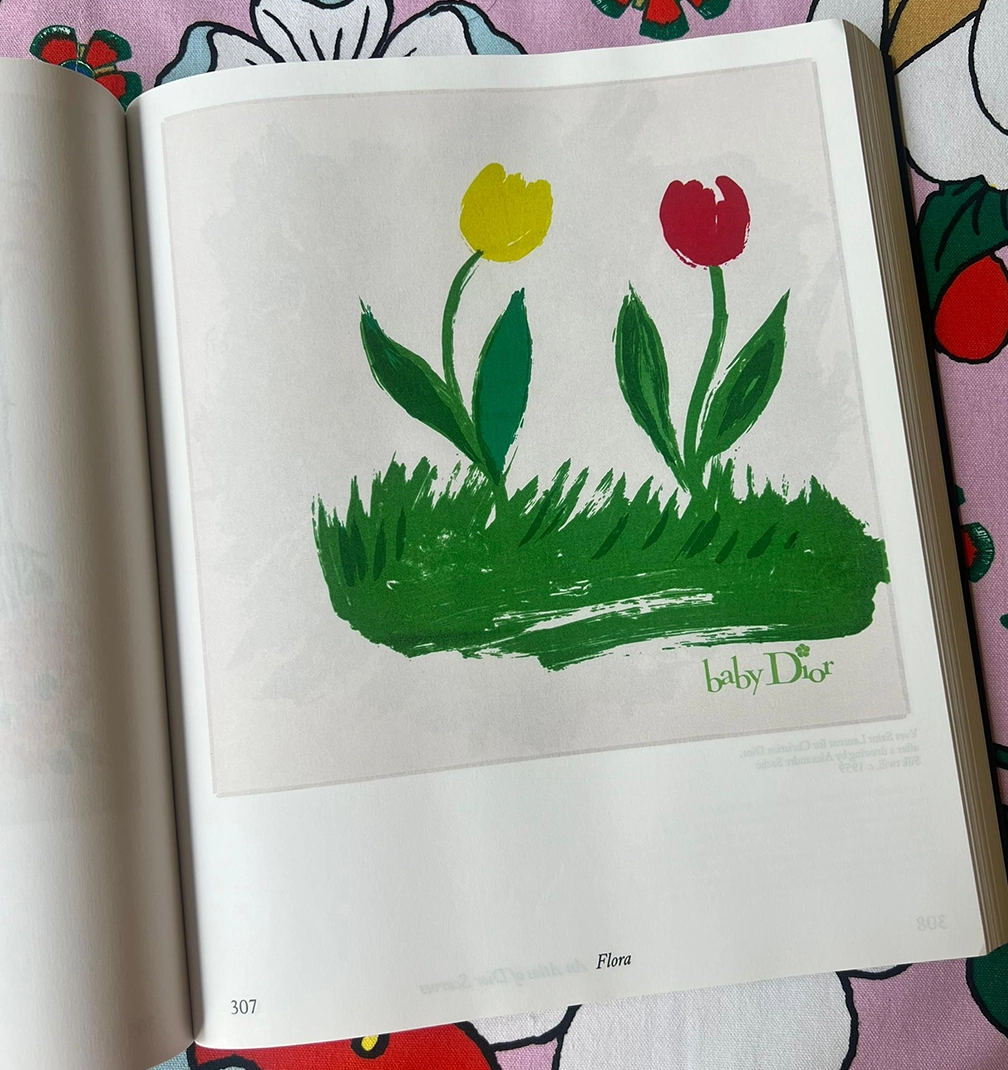
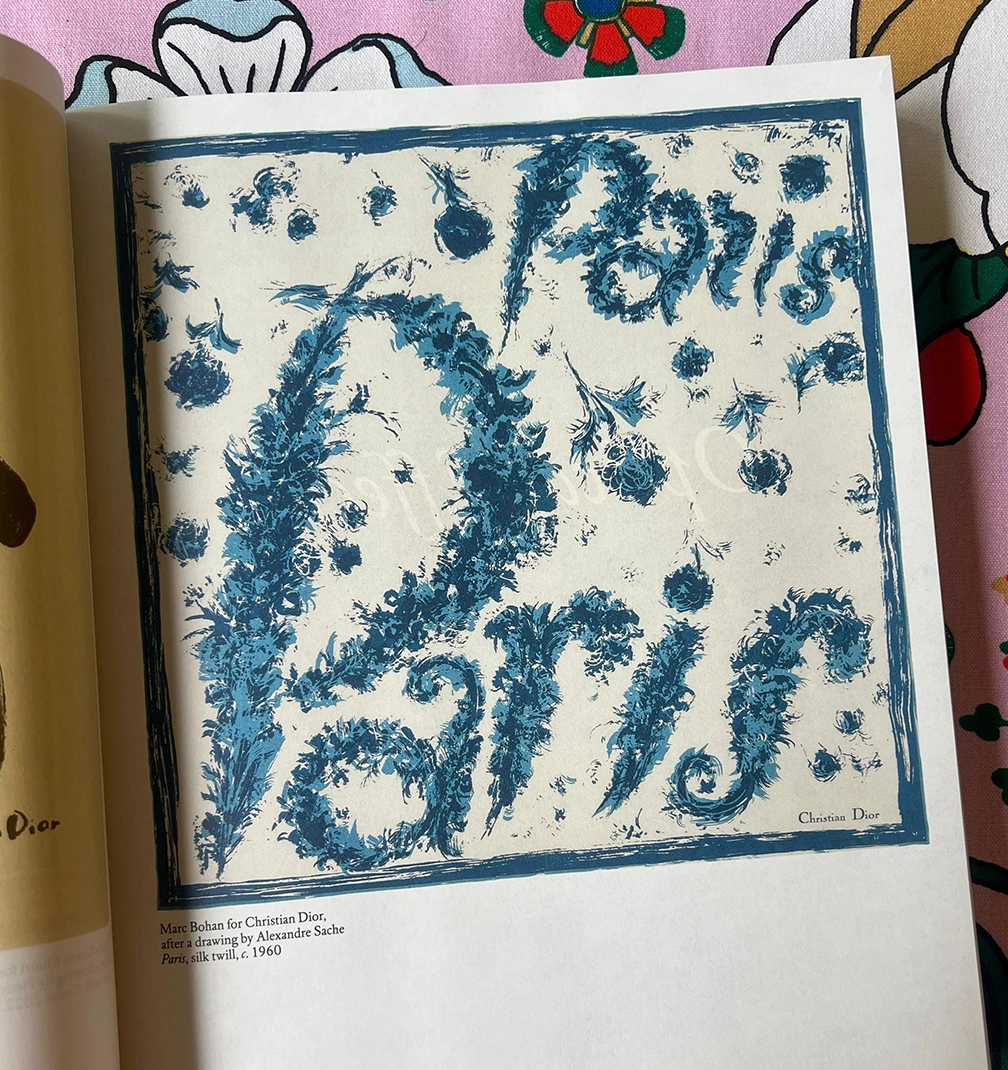
The book is The Art and Beauty of Flower Arranging by Frederic Girard, a French artist and illustrator whose work became widely recognised in the 1960s and 70s. Girard was known for translating the natural world into strong graphic compositions, combining botanical precision with a very modern visual language. His illustrations were often used in art books and educational publications, yet they never felt academic. They were bold, joyful, and deeply aesthetic.

This book is a collection of his flower prints from the 1970s. Every page feels confident and alive. The colours, the shapes, the rhythm of the compositions. It is timeless rather than nostalgic, and endlessly inspiring. Without a doubt, the winning Christmas present.

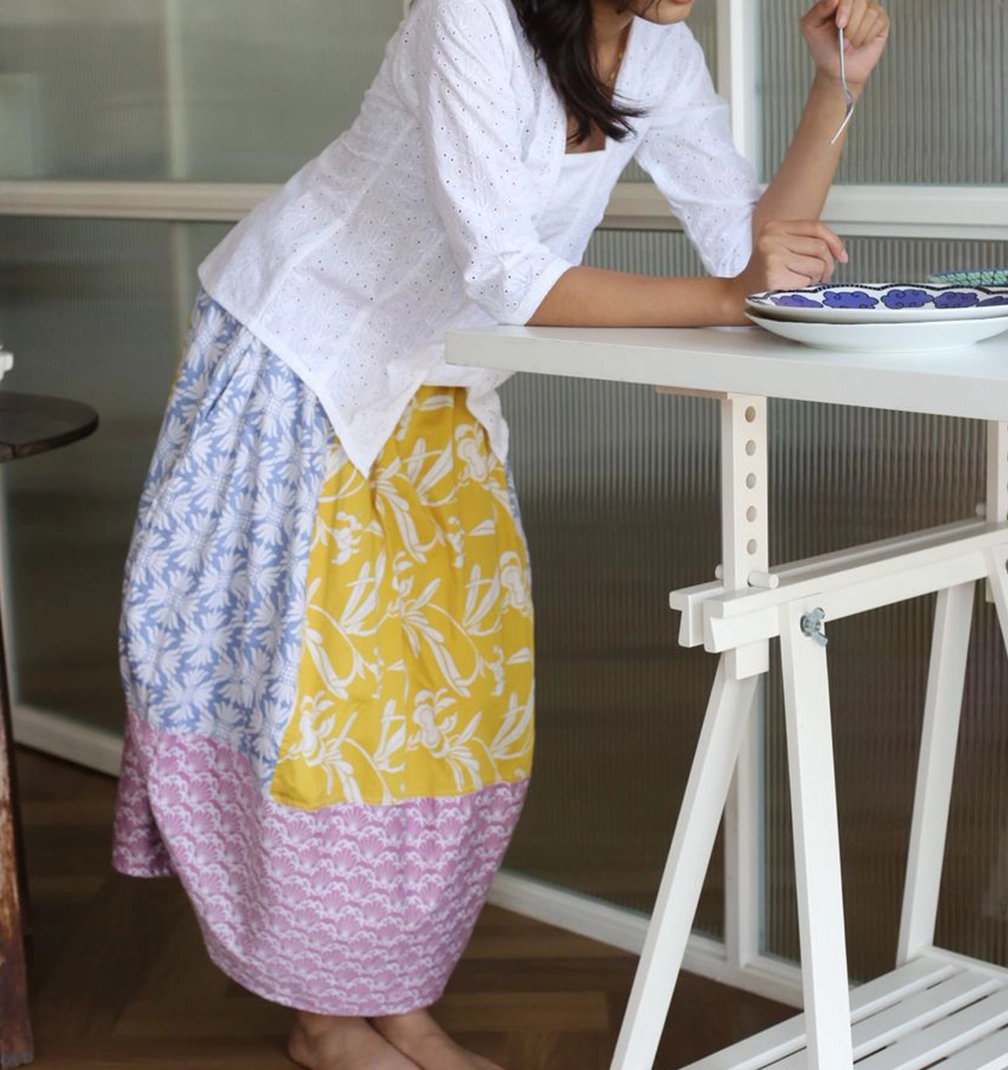
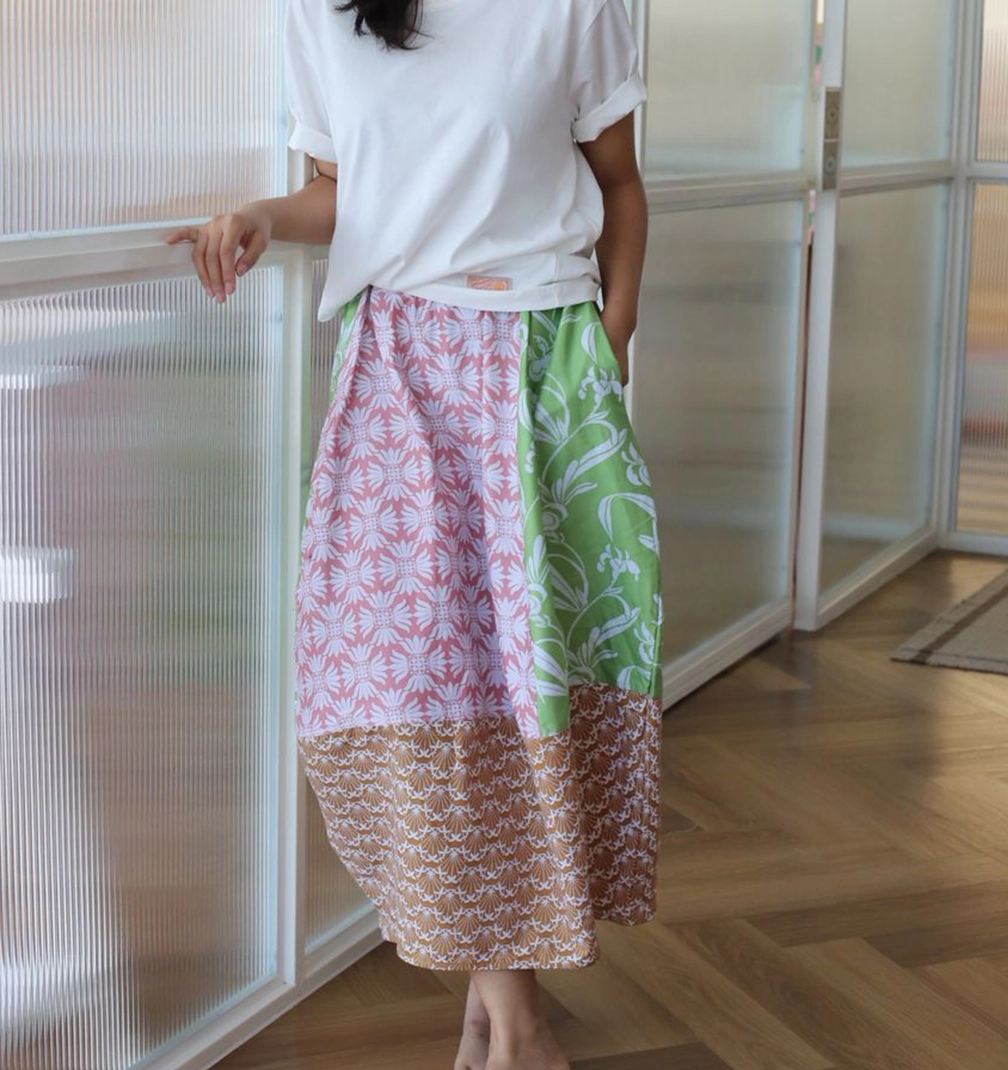
The skirt that thinks it is a painting.
Rabbits, Power, and Quiet Resistance

Rabbits, Power, and Quiet Resistance

5 min read

Rabbits, Power, and Quiet Resistance

I read Watership Down many years ago and recently found myself recommending it again, both to a friend and to my daughter. It is often described as a story about rabbits, which is accurate, but also misses the point.

LISETTE

SHARE

Written by Richard Adams and published in 1972, Watership Down follows a group of rabbits who leave their warren in search of a new home. What gives the book its lasting relevance is not the plot itself, but what it examines beneath the surface.

The novel explores power, leadership, and the trade offs societies make between safety and freedom. Adams built a complete culture for the rabbits, with their own language, mythology, and social structures. Through this, the book shows how systems can appear protective while quietly limiting choice and individuality.

What is striking is how understated the resistance is. There are no grand speeches or dramatic revolutions. The rebellion is quiet and persistent, expressed through memory, storytelling, cooperation, and the refusal to accept a life that feels fundamentally wrong.

The skirt that thinks it is a painting.

A few days ago, while walking through the botanical gardens, I saw someone walking a rabbit on a leash. The image immediately brought the book back to mind. The irony was difficult to ignore. A rabbit, an animal defined by instinct and movement, carefully controlled in a place designed to celebrate nature.

That moment echoed one of the book’s central ideas. Control is often presented as care. Safety is often offered in exchange for freedom. Watership Down asks whether that exchange is ever truly neutral.

That is why I still recommend this book. It can be read at different ages and understood in different ways over time. It is calm, thoughtful, and quietly radical, and it continues to reflect back uncomfortable questions about power, choice, and the stories we tell ourselves about protection.

Plein Air, No Wi-Fi

Plein Air, No Wi-Fi

5 min read

Plein Air, No Wi-Fi

What I loved most about Impressionism is the idea of plein air.
Taking your paints outside. Standing in real light. Feeling the air, the greenery, the movement of the world around you. No screens. No shortcuts. Definitely no Wi-Fi. You carried your paints, your paper, and your patience. Light was not something you edited later. It was something you chased, usually while the clouds were doing whatever they pleased.

LISETTE

SHARE

What also stood out was how deliberately these artists worked against convention. Leaving the studio to paint outdoors went against academic tradition. Choosing everyday life, changing cities, and ordinary moments as subjects was a shift in how art related to the world. It was practical, observational, and at the time, quite unconventional.

They also touch on how these artists criticised each other. Degas, for example, was teased for making paintings that looked almost unfinished. Too airy, too soft, too sketch-like. As if he was painting with cotton wool. Which, of course, is exactly what makes his work so interesting now.

The exhibition at the National Gallery Singapore, Into the Modern: Impressionism from the Museum of Fine Arts, Boston, explains all of this beautifully. It is exceptionally well curated and easy to follow. You see Monet, Manet, Degas, Pissarro and others responding to a world that was changing fast, and each of them finding their own way of looking at it.

All the works come from the Museum of Fine Arts, Boston, and seeing so many of these classics together is quite something. There are also films and archival material, including footage of Monet painting outside in his own garden. Watching him stand there, brush in hand, surrounded by greenery and shifting light, feels almost unreal. Probably every artist’s dream. To take some paper, some paint, and just go outside.

The skirt that thinks it is a painting.

We had a go at it too. I sketched from photographs taken at the Botanical Gardens. Not quite plein air in the pure sense, but close enough to feel the joy of slowing down and actually looking. It reminded me how playful drawing can be when you remove expectations and put the phone away.

The exhibition runs until March next year. The National Gallery is open daily from 10 am to 7 pm. And honestly, even if you are not nearby, it is next door enough. Taking a bus for roughly RM120 return just to see this show is completely worth it. You walk out inspired, calmer, and gently reminded of what outside actually looks like.

Sometimes all it takes is light, time, and putting the phone down.

The skirt that thinks it is a painting.
20 Dec | Nala Kasturi Krismas

20 Dec | Nala Kasturi Krismas

5 min read

A Christmas Day Made for Wandering, Listening, Tasting, and Staying a Little Longer

This Saturday, Kasturi turns into a place of music, stories, and slow Christmas joy.

LISETTE

SHARE

From 10 a.m. to 8 p.m., we are hosting a full day Christmas gathering that is less about rushing and more about lingering. Think jazz drifting through the space, beautiful food, warm cups in your hands, and small surprises waiting to be discovered.

A live jazz singer will set the tone for the day, creating an atmosphere that feels intimate, relaxed, and quietly celebratory. There will be storytelling moments woven into the experience, because Christmas is, after all, about stories we carry with us.

Food plays a central role. Japanese bakers will be joining us with their beautiful creations, alongside Ghostbird, who will be serving special coffees made just for this weekend. Expect comforting Christmas cakes, thoughtful flavours, and the kind of treats that invite you to sit down and stay awhile. We will also be serving mulled wine to add a little warmth and cheer to the day.

The skirt that thinks it is a painting.

For 3 hours, Lisette will be personally in store offering personalisation. It is a lovely opportunity to turn a gift into something truly personal, or to mark a moment in time with a name, a word, or a quiet message.

There will also be special Christmas deals available throughout the day, making it the perfect moment to find gifts that are thoughtful, useful, and full of meaning.

Event details
Saturday
10 a.m. to 8 p.m.
NALA Kasturi

Parking tips
Parking is easy and stress free if you come at the right time.
Central Market has ample parking before 10 a.m.
Bumi offers parking throughout the entire day.

Come early, come late, come hungry, come curious.
This is a Christmas celebration designed to be felt, not rushed.

We look forward to welcoming you.

The skirt that thinks it is a painting.
If You Want Better Words, Train Your Body

If You Want Better Words, Train Your Body

5 min read

If You Want Better Words, Train Your Body

Book of the Week: Novelist as a Vocation by Haruki Murakami

LISETTE

SHARE

There are books you read, and there are books that quietly rearrange the inside of your head. Haruki Murakami’s Novelist as a Vocation falls into the second category. It is not a sentimental guide on how to write. It is a clear and almost technical look at how a writer builds a life, choice by choice, habit by habit.

Murakami began writing later than most. He owned a jazz bar and lived a routine that had nothing to do with literature. Then one afternoon at a baseball game, he felt a thought land in his mind with surprising certainty. He could write a novel. He went home, closed the bar at night, and started.

The skirt that thinks it is a painting.

Murakami began writing later than most. He owned a jazz bar and lived a routine that had nothing to do with literature. Then one afternoon at a baseball game, he felt a thought land in his mind with surprising certainty. He could write a novel. He went home, closed the bar at night, and started.

The book is filled with sharp and practical observations like this.
He writes about how ideas often come when you are away from home and out of your familiar patterns. He explains what to do when you have no idea what to write. He talks about characters as if they have their own logic and simply use the writer as a channel. He believes imagination is a muscle, and like all muscles, it needs training.

One of the most memorable parts of the book is his belief that writing is physical. He runs every single day. He is strict. He keeps a routine. He treats writing the same way he treats distance running. You build stamina. You stay steady. You show up even when you do not feel like it. Good sentences come from a body that is awake and a mind that is disciplined.

He also states something many writers avoid saying out loud.
The first book is often the easy one.
The second is where most people stop.

The book is not romantic about the writing life.
Murakami does not chase awards.
He has a very small circle of friends.
He values solitude.
He focuses on the work.

Novelist as a Vocation is a thoughtful look at the discipline behind creativity. It is about constructing a life that allows you to write, choosing habits that support the work, and understanding that stories are built slowly and honestly.

Highly recommended for anyone who writes, or anyone who simply wants to understand the quiet machinery behind a creative life.

Kantoor after dark: Nutcraker edition

Kantoor after dark: Nutcraker edition

5 min read

Kantoor after dark: Nutcraker edition

I am incredibly proud to expand the Nala universe into classical music with our first intimate concert at Kantoor, and I invite you to experience this beautiful collision of design and sound.

LISETTE

SHARE

Kantoor after dark: Nutcraker edition

Nala has always lived in the worlds of beauty, craft and storytelling. Now we are opening the doors to something we have wanted to bring into our universe for a long time classical music. We are proud to host our first chamber concert at nala Kantoor our creative HQ inside the Kasturi.

For this debut evening we are collaborating with the COARTLA Quartet the string ensemble from the Coartify Collective founded by Coartify Labs. COARTLA brings together some of the most exciting young musicians in Malaysia. Performing with us are violinist Alyssa Chong known for her expressive tone and international appearances, violinist and instrument maker Samuel Wong whose artistry and craftsmanship sit side by side, violist Christopher Oh a familiar and respected figure in the classical scene, and cellist Timmy Lim a versatile performer, arranger and educator. Together they create a quartet that feels fresh confident and alive.

Kantoor after dark: Nutcraker edition

Their program features selections from Tchaikovsky’s Nutcracker the unmistakable sound of the holiday season and a perfect match for an evening at Kantoor.

The concert takes place on the 13th of December inside NALA Kantoor an intimate setting where music and design meet effortlessly. Before or after the performance you can enjoy a coffee from Ghostbird downstairs a small ritual that completes the night.

We have one hundred seats so bring your friends and your family and make it a night out. Seats are limited and registration is required. Sign up through the QR code on the poster or online. And since this is our Christmas edition we invite everyone to arrive in something festive.

Kantoor After Dark begins with the Nutcracker.
Reserve early and be part of this beautiful night.

Kantoor after dark: Nutcraker edition