



Travel
10 July 2026
5 min read
Manifesting Nala × Royal Delft
If you’ve followed Nala for a while, you’ll know I have a lifelong fascination with Delft Blue. So while I was in the Netherlands, I made a pilgrimage to Delft to visit Royal Delft, also known as De Porceleyne Fles,
the last remaining Delftware factory from the 17th century.
LISETTE

I expected to fall in love with the ceramics. I didn’t expect to fall in love with the story.
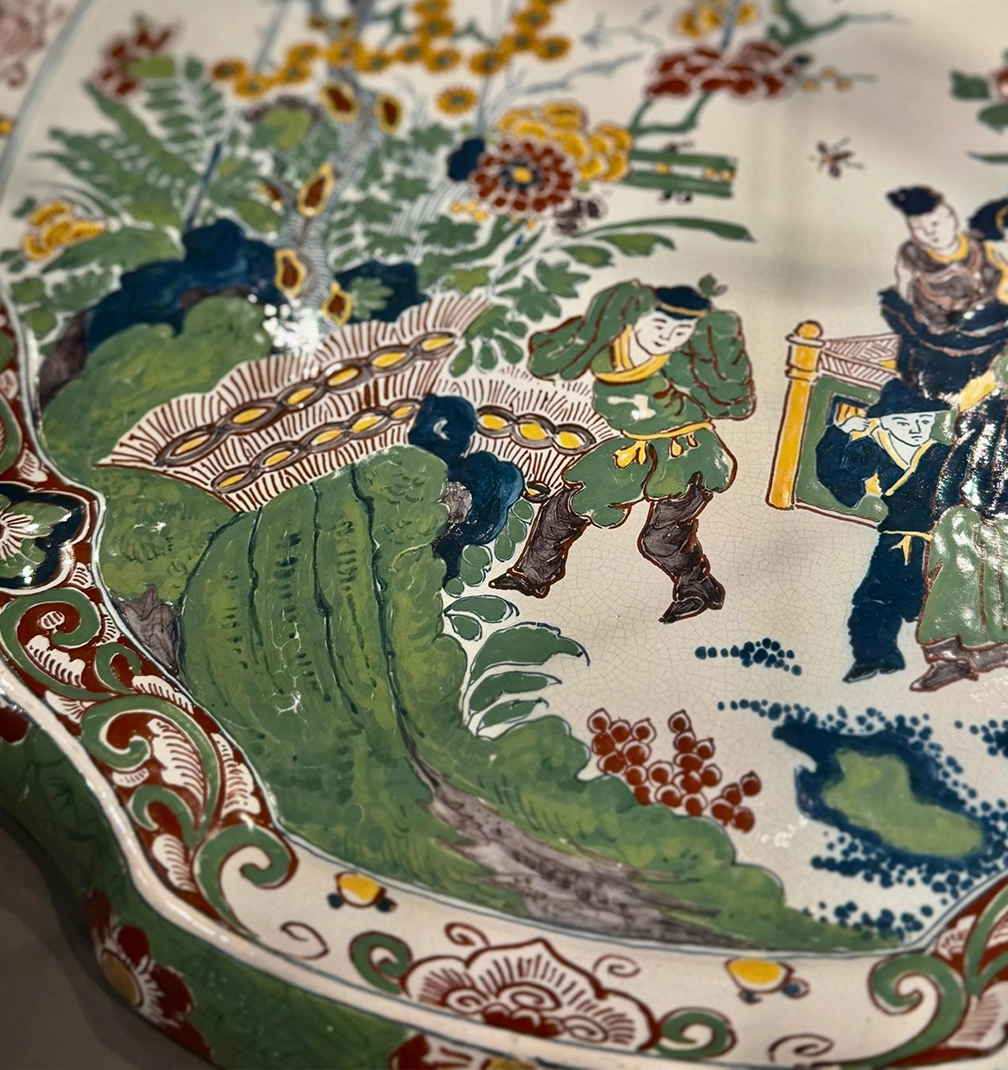
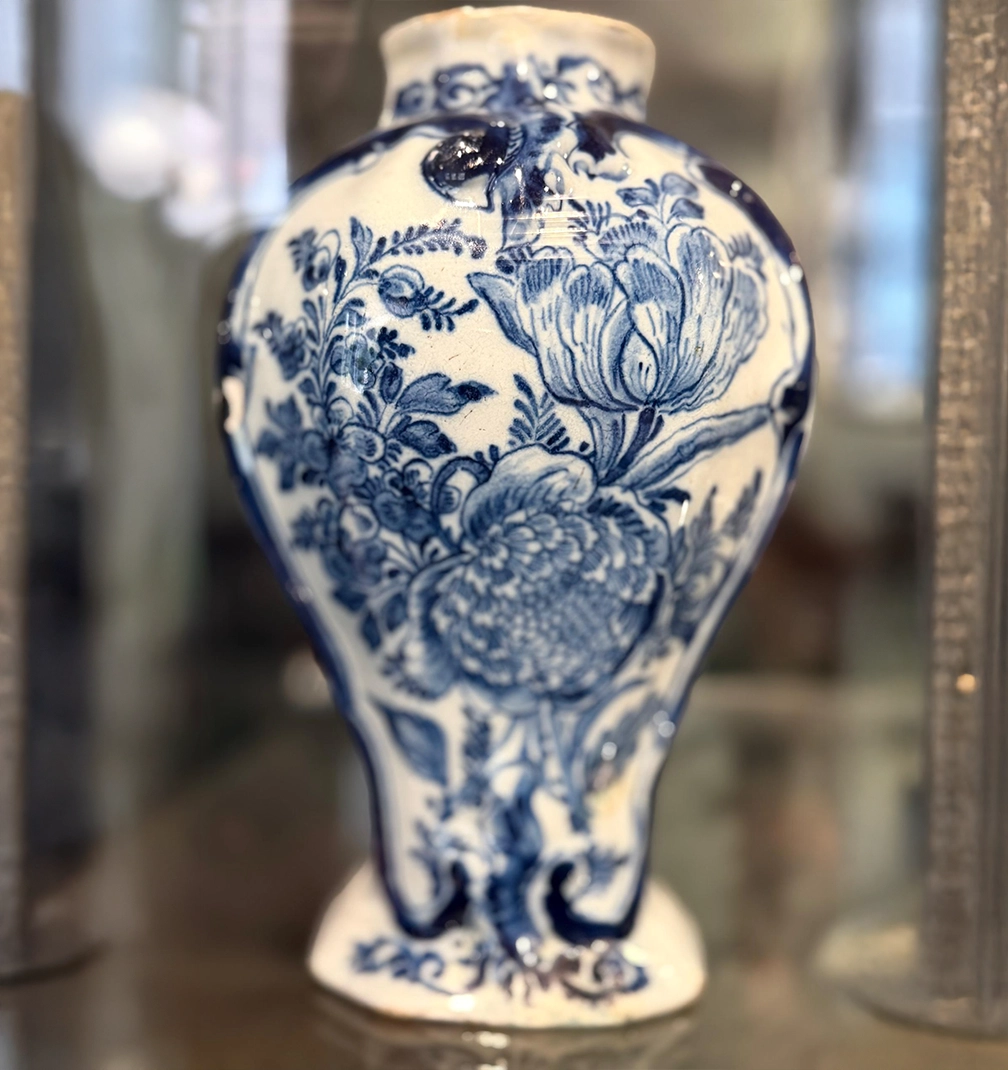
It all began in the early 1600s, when the Dutch captured Portuguese ships carrying an extraordinary cargo of Chinese porcelain. Europe had never seen anything quite like it. The delicate blue and white pieces became wildly sought after, but nobody knew how to make them. So Dutch craftsmen did what they do best. They studied every detail, experimented endlessly with clay, glazes and pigments, and over time transformed inspiration into something entirely their own. What began with Chinese porcelain eventually became one of the Netherlands’ greatest artistic traditions: Delft Blue.
The factory itself has an equally inspiring story. It survived difficult years thanks to Geertruida Piccardt, who kept it alive. At the museum, I read about the passion of Joost Thooft, who believed so deeply in its future that he approached her because he wanted to become involved. His passion eventually led him to take over the factory and breathe new life into the brand. Rather than simply preserving history, Royal Delft continued to evolve, collaborating with artists and designers while staying true to its remarkable heritage.
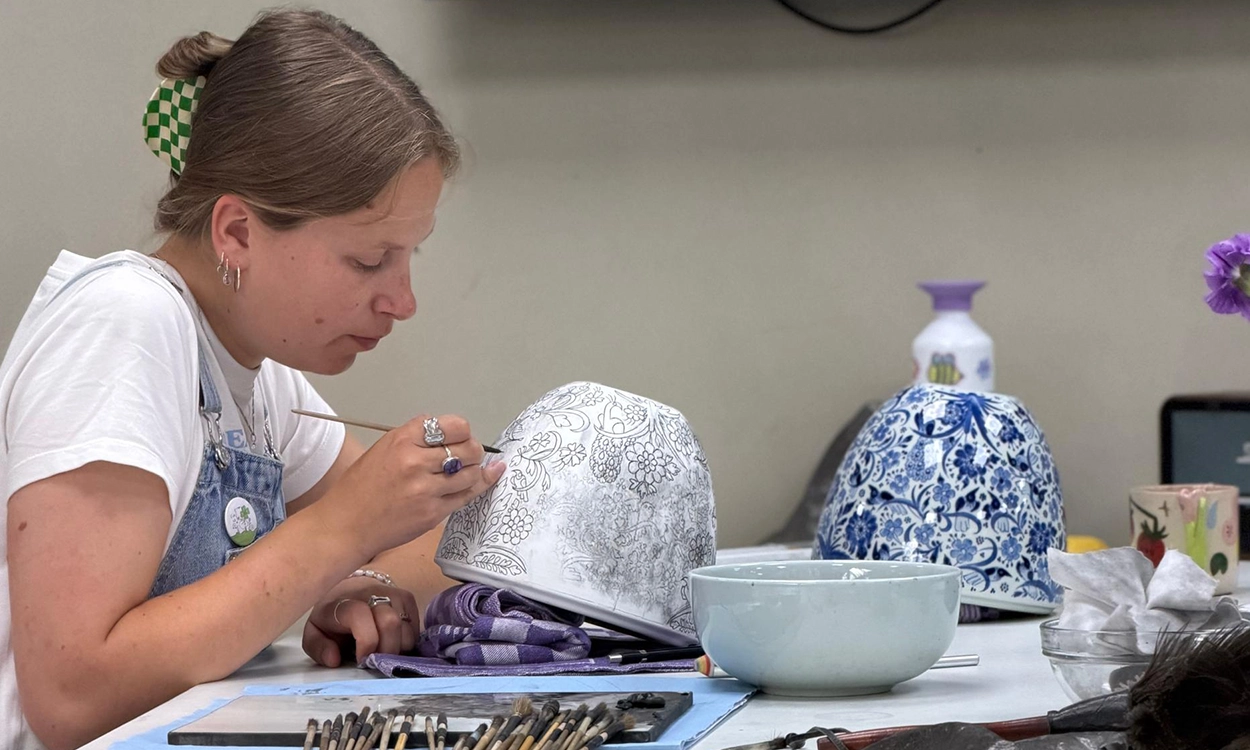
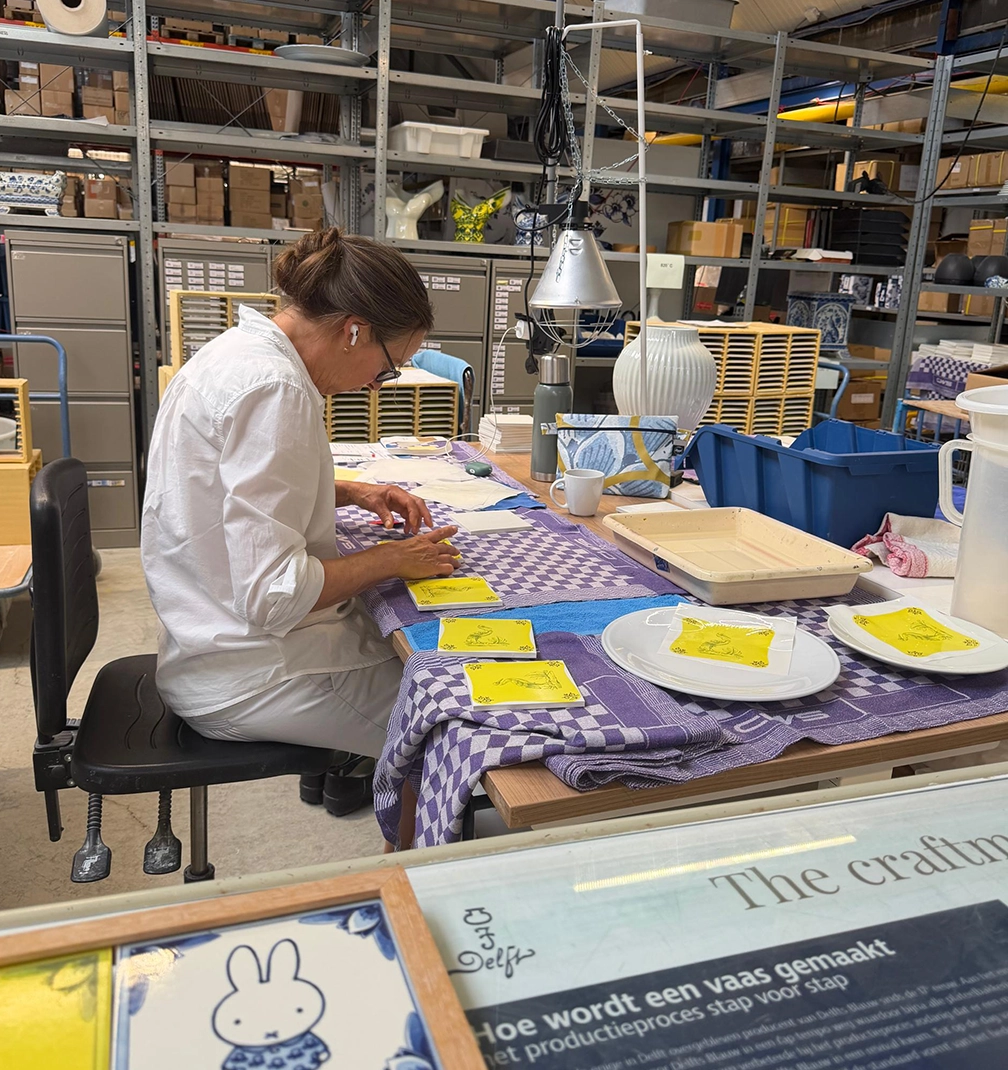
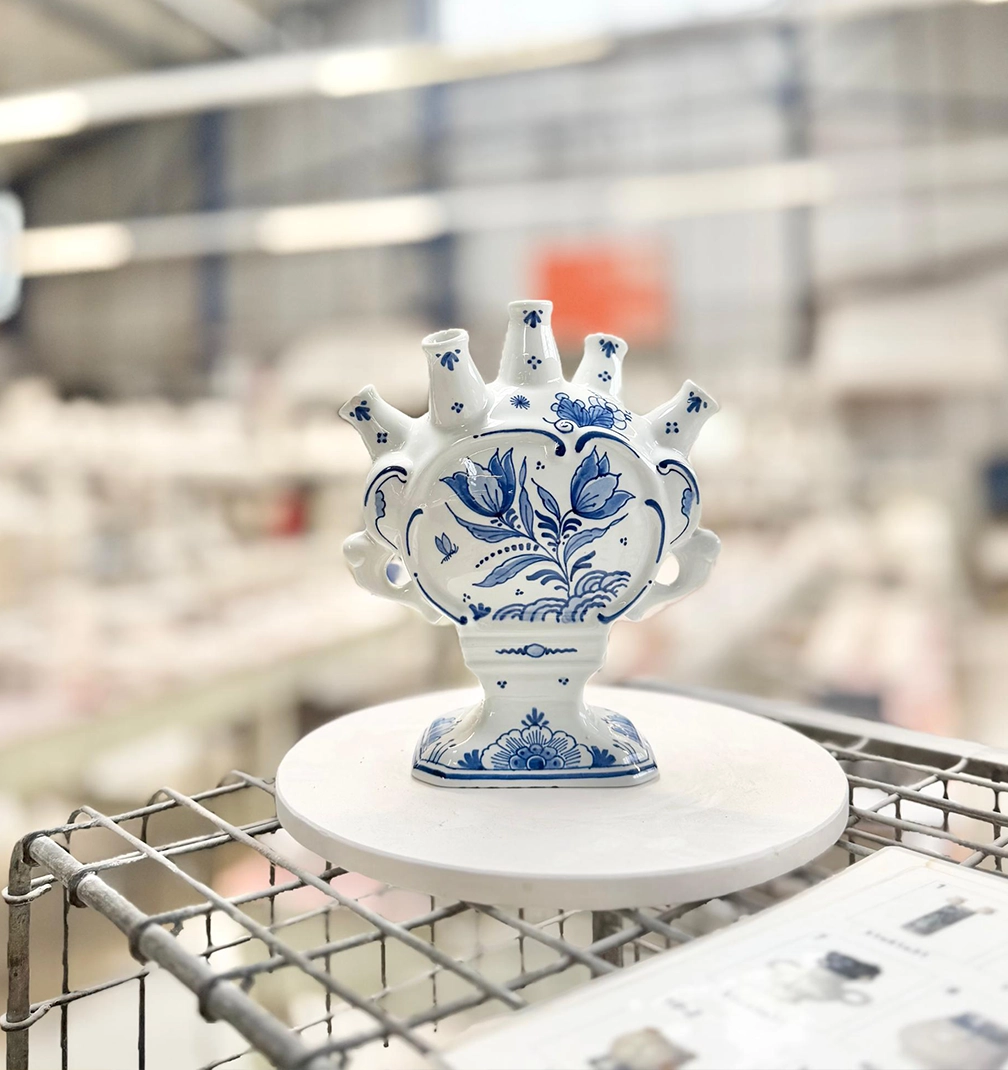
What surprised me most, however, was the factory itself. This isn’t a museum where everything sits behind glass. You can actually walk through the workshops and watch the artists painting each piece by hand. Seeing centuries old craftsmanship still practised every single day was incredibly refreshing.
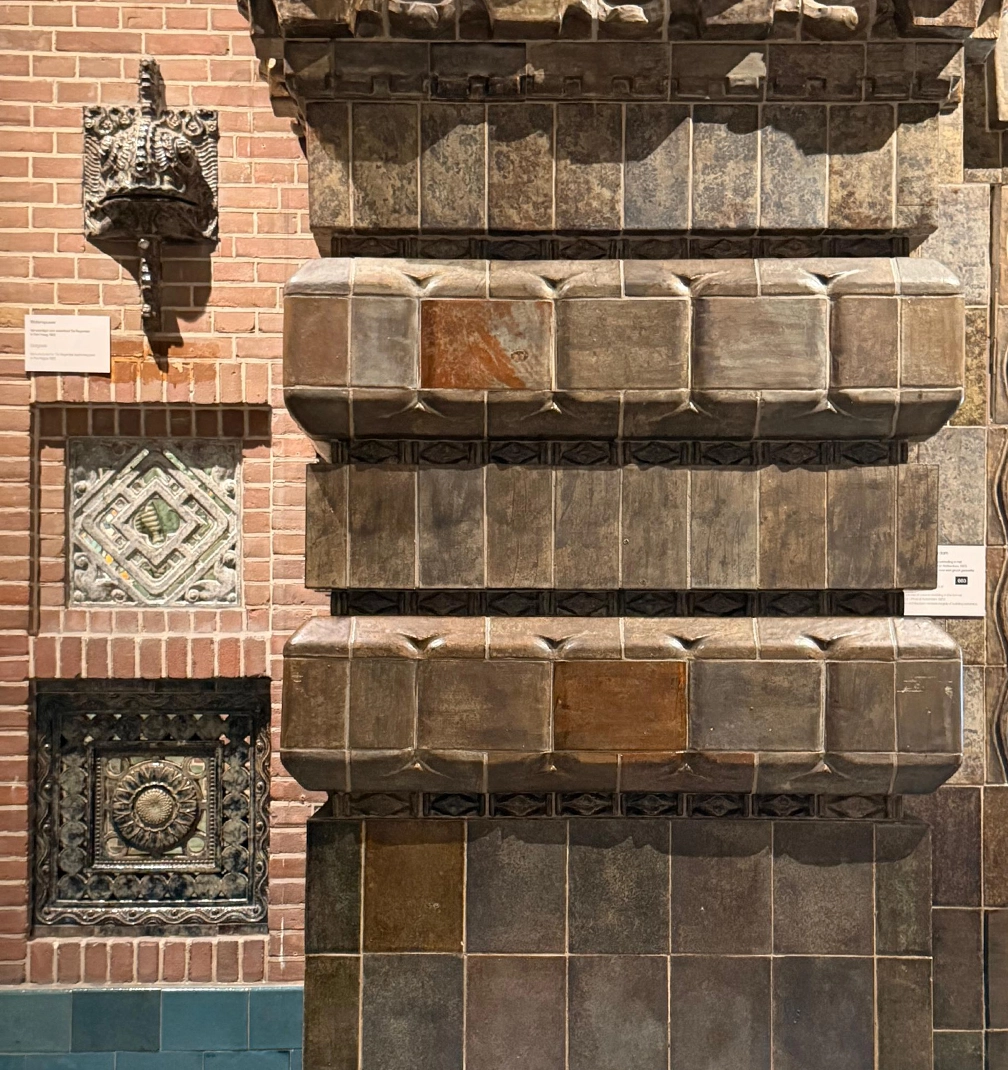
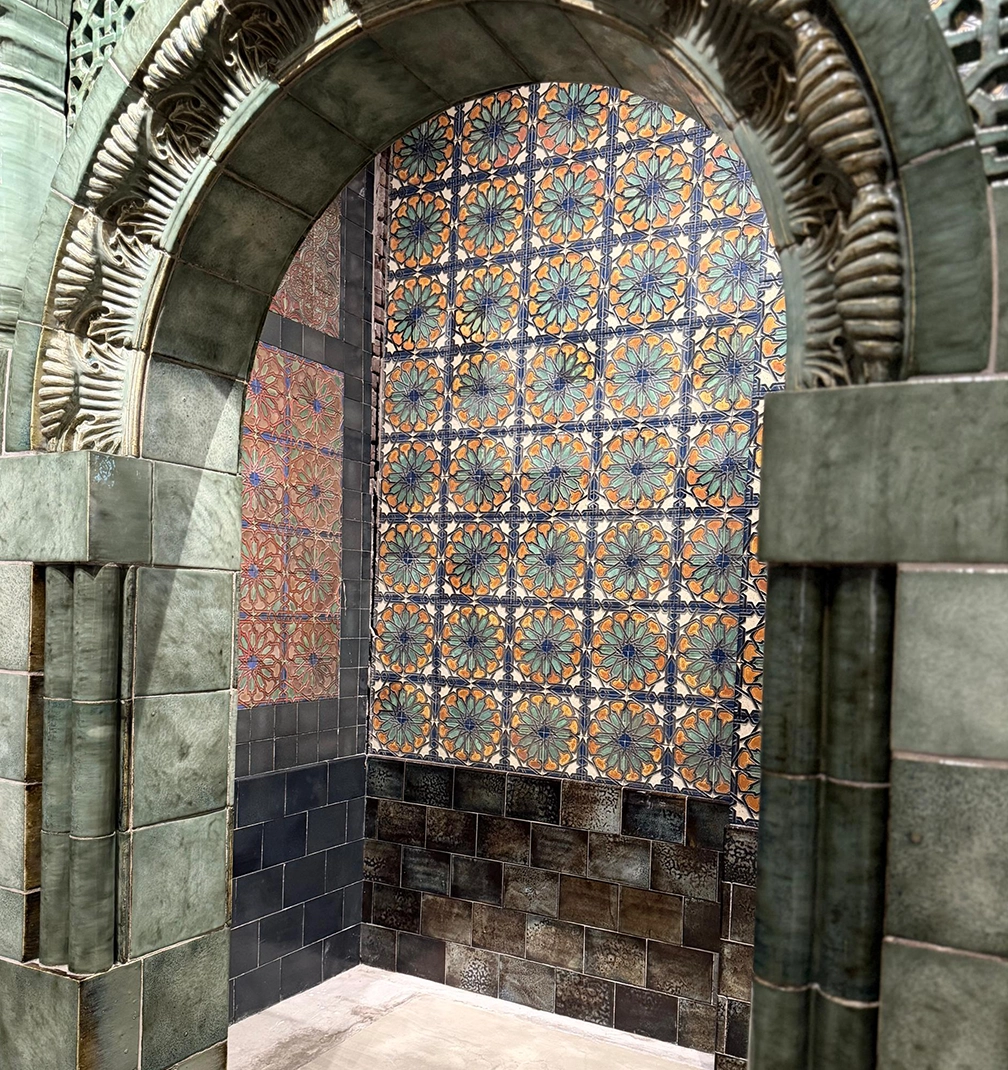
I also discovered something I never expected. Royal Delft didn’t just produce the famous blue and white plates and vases. They also created architectural tiles for churches, public buildings, floors and walls. As someone who absolutely loves the Amsterdamse School movement in architecture, which flourished roughly between 1910 and 1930, I found that fascinating. I had always associated Royal Delft with blue ceramics, but seeing their wider contribution to architecture and design made me admire the company even more. (I amsterdam)
Standing there, surrounded by centuries of artistry, I couldn’t help but imagine what might happen if Dutch craftsmanship met Malaysian storytelling.
So here’s my little message to the wonderful team at Royal Delft.
If this somehow finds its way to you, we’d be honoured to create something together.
A collection where Delft Blue meets Malaysian flora. Dutch craftsmanship meets hand drawn Malaysian patterns. Two cultures connected by heritage, artistry and a shared belief that beautiful objects should tell beautiful stories.
And if you’re ever in the Netherlands, don’t skip Delft. It’s one of the most charming towns I’ve visited. The canals are lined with water lilies, the cafés are wonderful, the streets invite you to wander, and Royal Delft is absolutely worth the trip.
Who knows? Sometimes the most meaningful collaborations begin as a dream.