



Travel
26 November 2025
7 min read
Breakfast at Kee's, Dreams at 21 Carpenter
Experiencing the quiet grace of Kee’s and 21 Carpenter revealed a poetic harmony between historic architecture and genuine hospitality, proving that true beauty lies in the thoughtful union of design and human kindness.
LISETTE
SHARE

There are places in Singapore that quietly take your breath away, not for their grandeur but for their grace. Kee’s, the restaurant inside 21 Carpenter, is one of them. From the moment you step in, it feels like a lesson in how design can whisper rather than shout. The space, conceived by WOHA Architects, has that rare balance of history and modernity. Once a 1930s banking hall, it now hums with the energy of a contemporary bistro. Brass details catch the light, soft tones make you linger a little longer, and everywhere you look there’s intention. It is not just a place to eat breakfast; it is a space that makes you pause and notice how beauty and function can live together.
The menu is thoughtful, the service unhurried, and the experience reminds you how much design can shape emotion. Even the way the morning light hits the marble counters feels orchestrated. It is not grand for the sake of it; it is human, warm, and quietly confident.
What truly set my morning apart was the incredible service. From the moment I walked in, I was greeted with a warmth that felt entirely genuine. Glynn, one of the team members, welcomed me with such grace that it immediately set the tone for the day. She gave me a little tour of the space, explaining its story and the philosophy behind its design. Then she surprised me with a beautiful plate that read “Welcome to Singapore.” It was such a simple gesture, yet so thoughtful that it completely charmed me. In that moment, I understood what hospitality really means. Not just good service, but care translated into small, unforgettable acts.
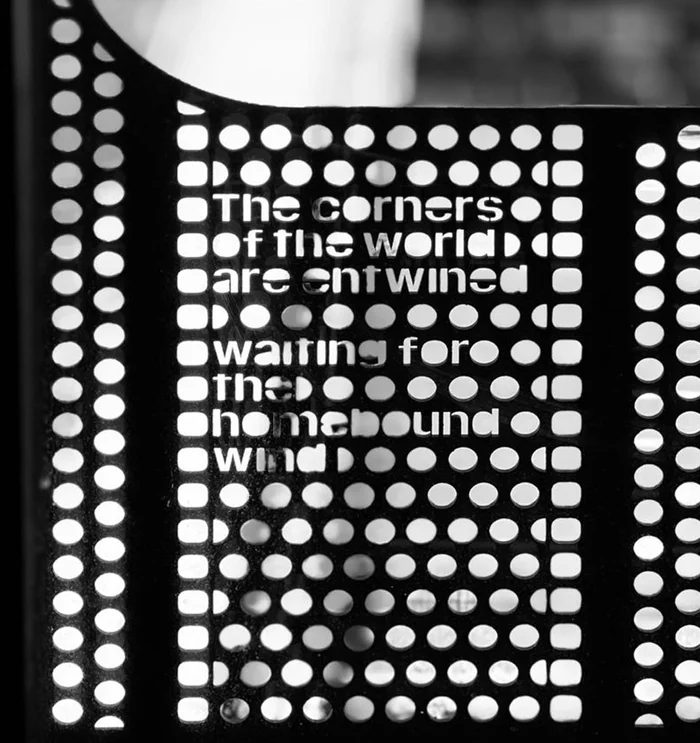
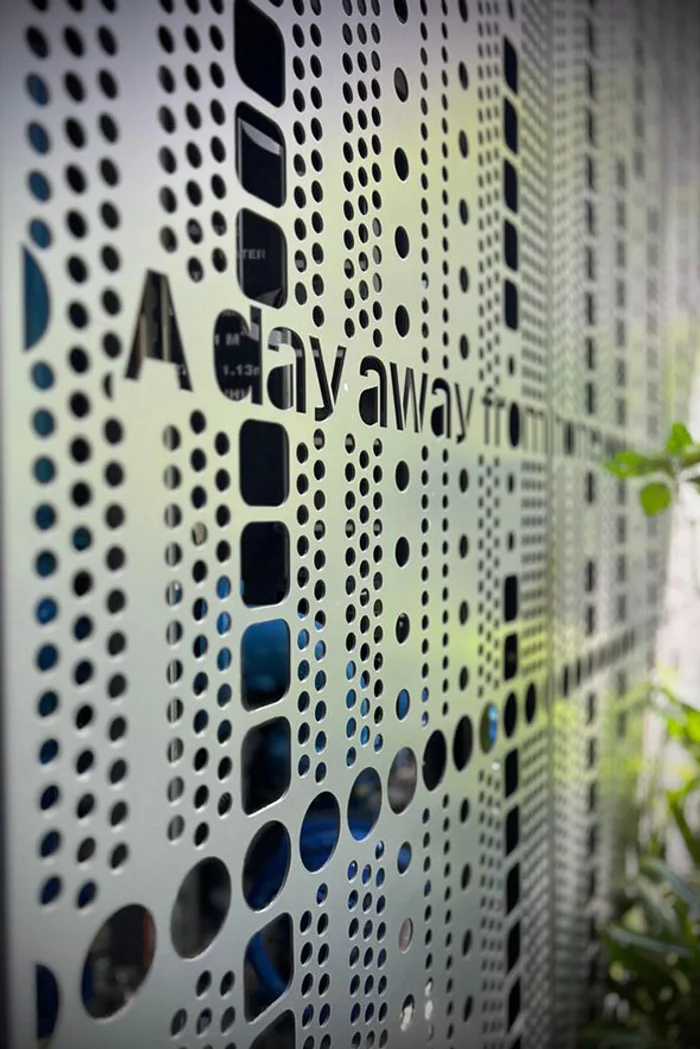
The hotel that holds it, 21 Carpenter, is equally remarkable. Located between Clarke Quay and Chinatown, it began life in 1936 as a remittance house where Chinese migrant workers sent money and letters home. WOHA has transformed it into a 48-room boutique hotel that still carries the soul of that story. The architects kept the original four shophouses and added a modern extension on top, wrapped in a delicate aluminum façade etched with excerpts from those old remittance letters. The result is both poetic and precise.
What I love most is the reveal. From the street you see only the elegant old building, restored with quiet pride. But when you cross the road and look again, you notice the new structure floating above it. It is as if time has folded over itself. The old and the new coexist, not competing, just completing each other.
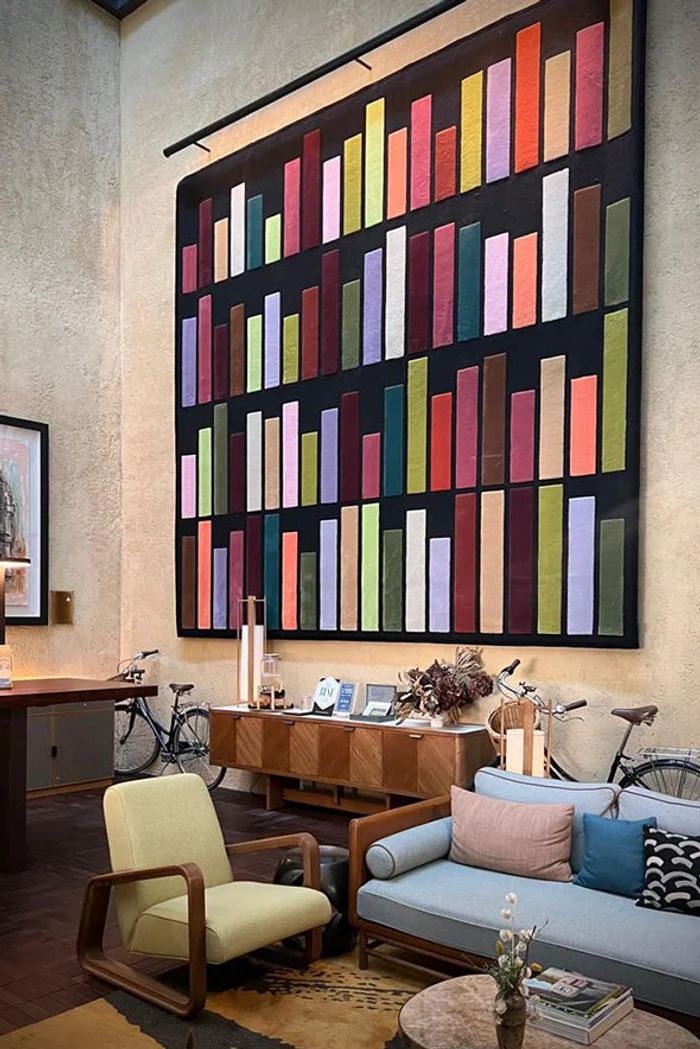
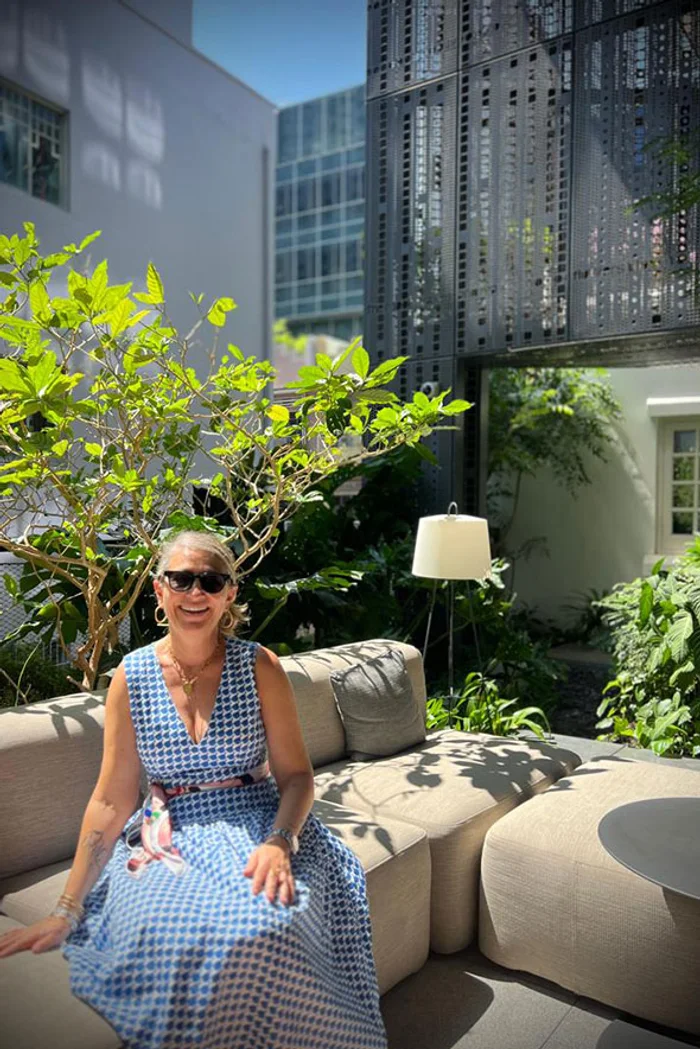
Every detail speaks of care: the timber floors, the subtle typography, the thoughtful quotes that appear when you least expect them. It is design that tells a story rather than shows off a concept. There is something deeply emotional about it, and I find myself wanting to stay there one day, to wake up in a place that feels both rooted and forward-looking.
Breakfast at Kee’s and a stay at 21 Carpenter are not just experiences; they are reminders that beauty, kindness, and thoughtfulness always go hand in hand.