


Events | Taste
16 June 2026
5 min read
Amsterdam, Beyond the Postcard
Whenever people hear I’m going to Amsterdam, the same things come up. Bicycles. Canals. Coffee shops.
But within a few hours of arriving, I’m reminded that the city’s real magic lies somewhere else entirely.
LISETTE

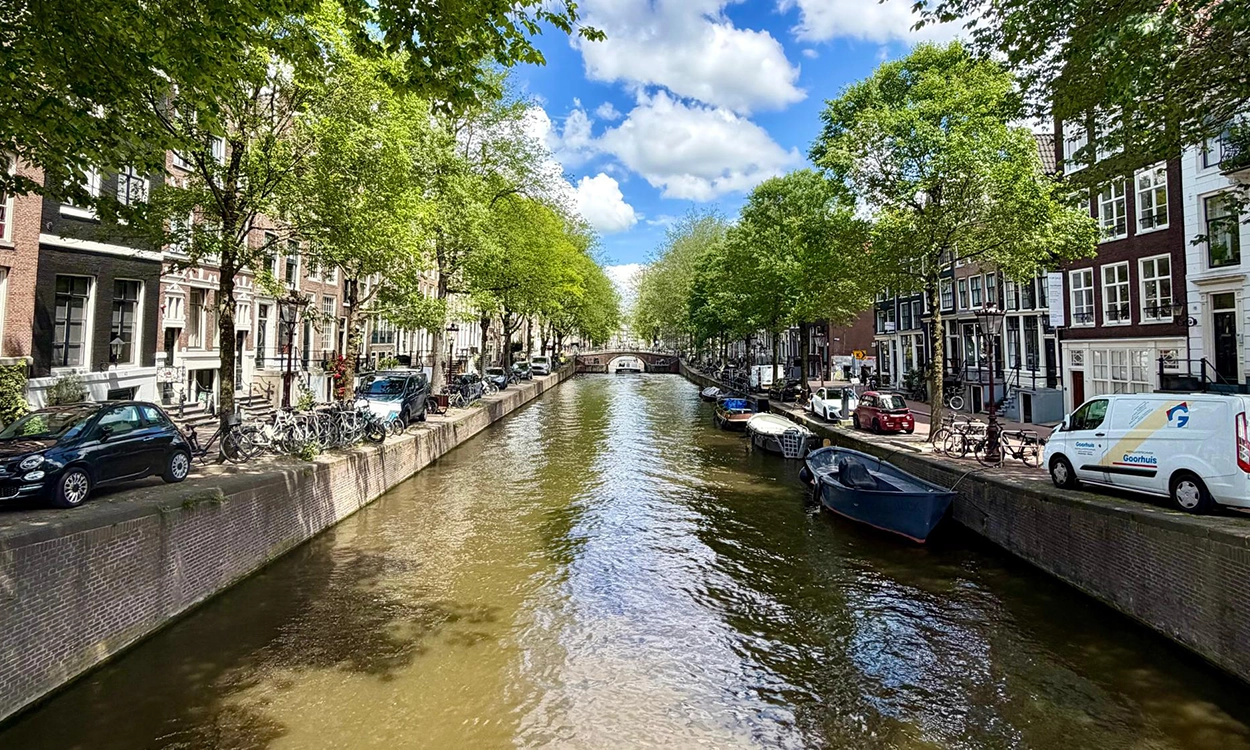
Amsterdam is a city best explored on foot. Walking through it feels like wandering through an open air museum, where every street reveals another beautiful facade, another perfect window, another carefully tended garden. The houses seem to compete, not in grandeur, but in charm.
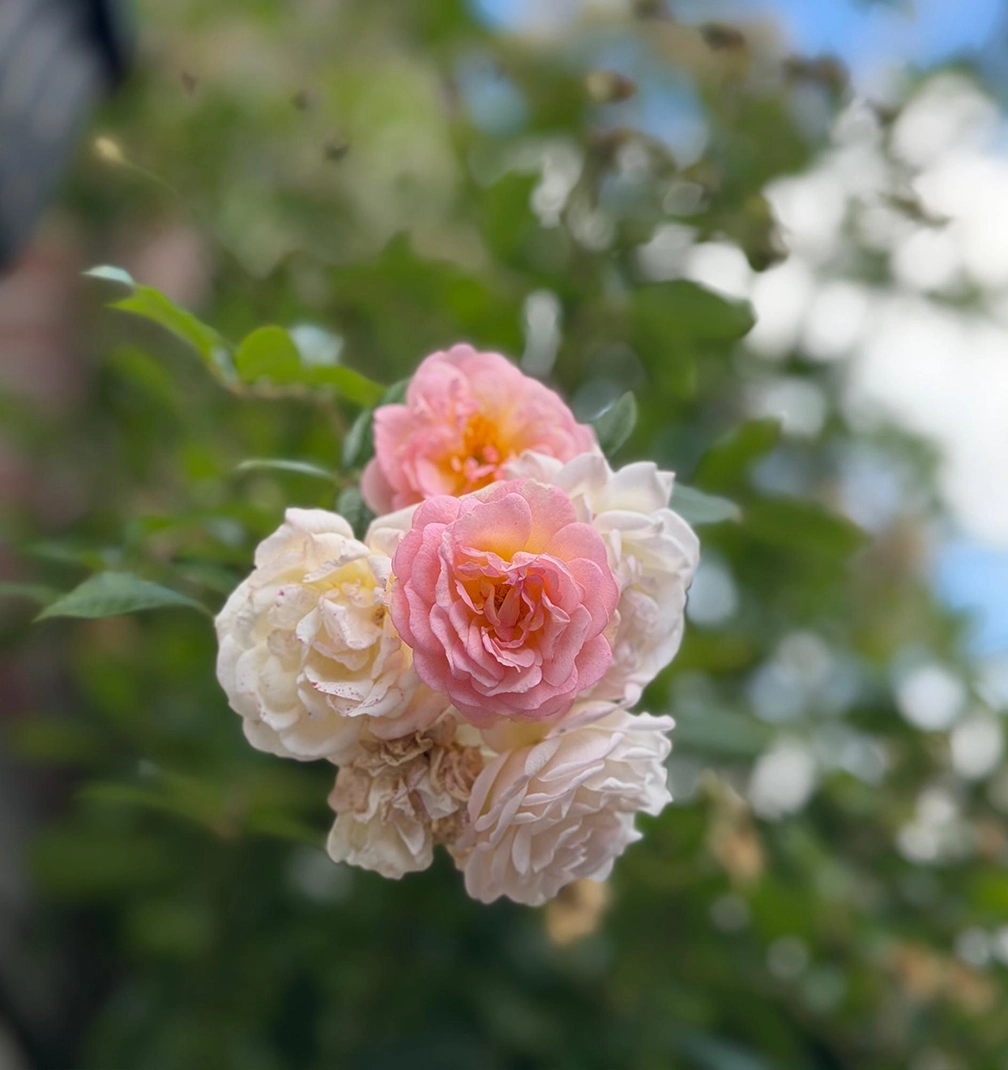
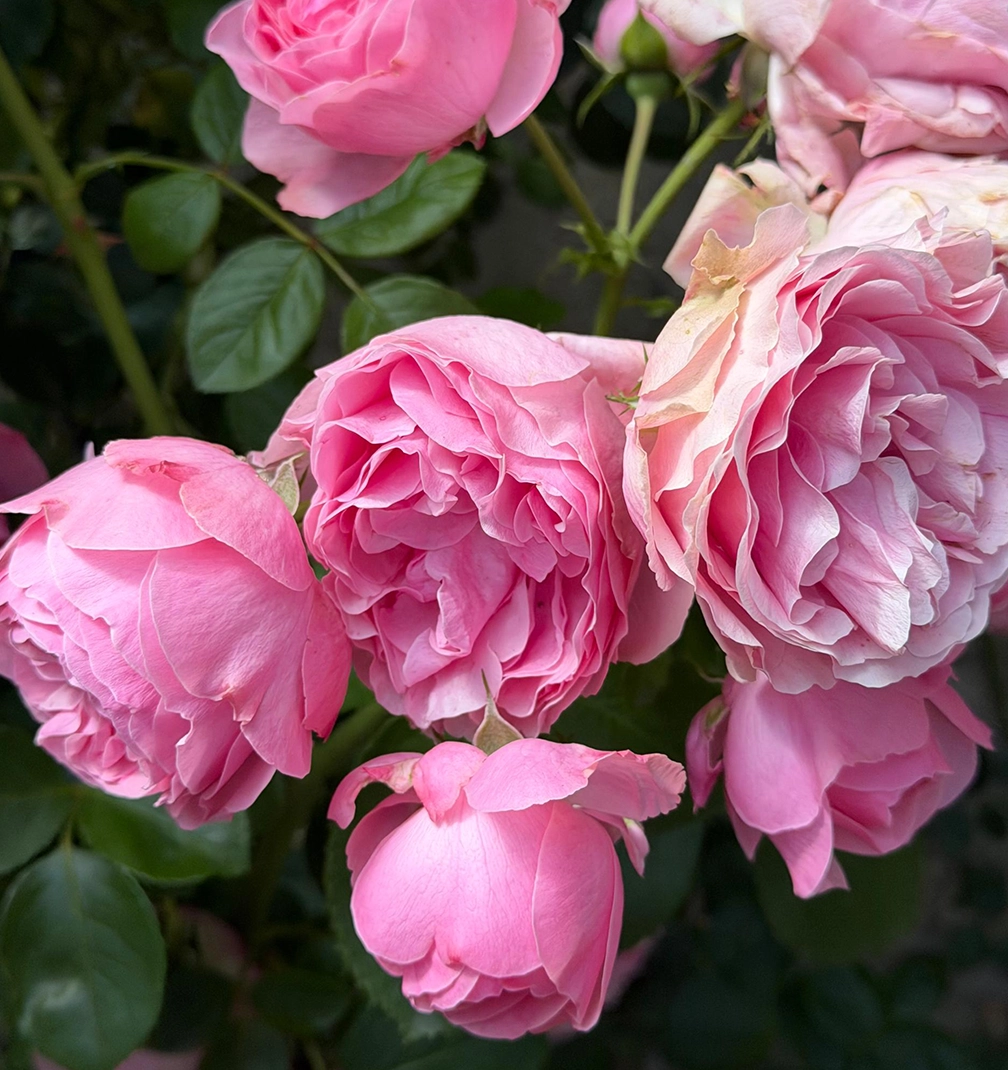
What always strikes me is the abundance of flowers. Roses climb up historic facades, fig trees stand proudly in front gardens, and window boxes overflow with seasonal blooms. It’s impossible not to notice that flowers are woven into Dutch life. They aren’t reserved for special occasions. They’re part of the everyday. Real flowers, fresh flowers, growing wherever they can, making ordinary streets feel extraordinary.
The same philosophy extends indoors. Peek through a window and you’ll often spot a vase of fresh flowers on a table or desk. It’s a small detail, but it says something about the Dutch approach to beauty. You don’t wait for a celebration. You simply make everyday life a little more beautiful.
And then there are the signs.
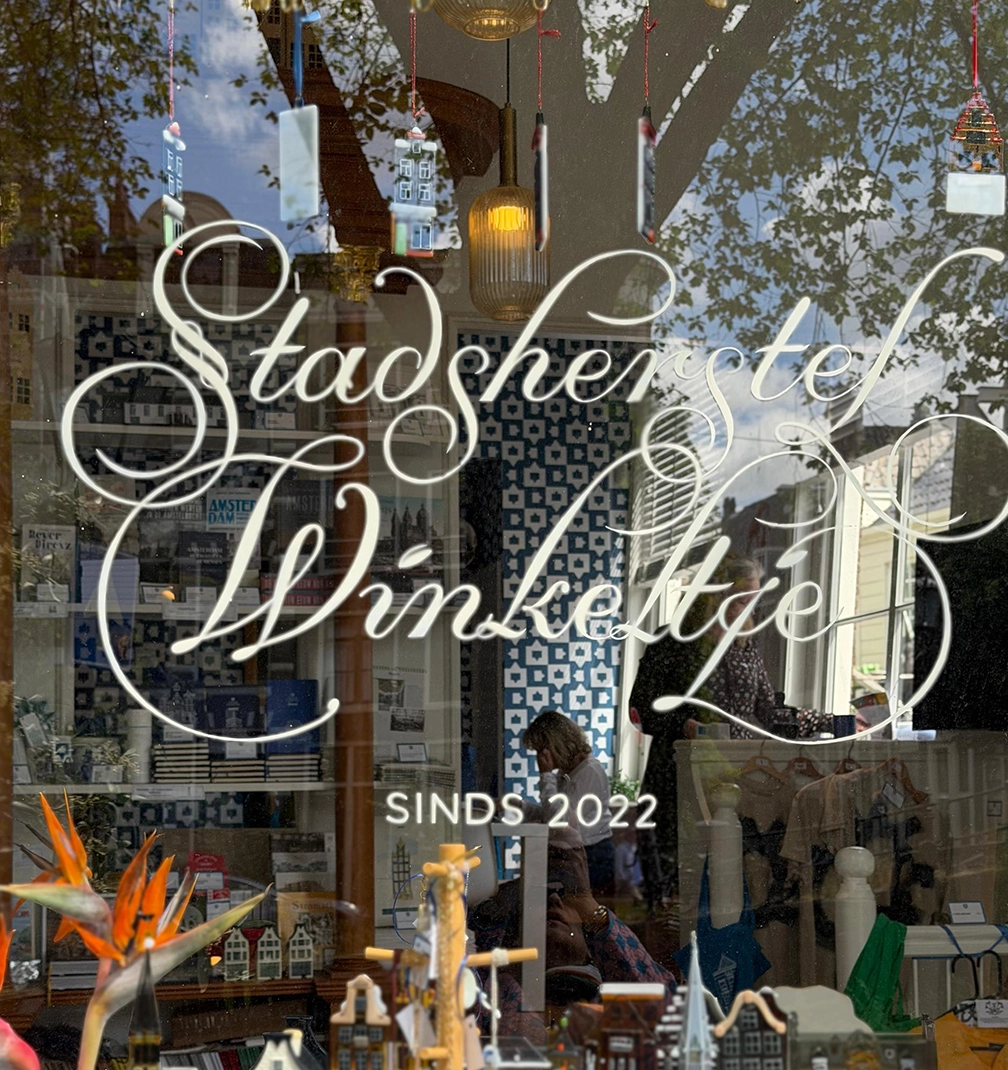
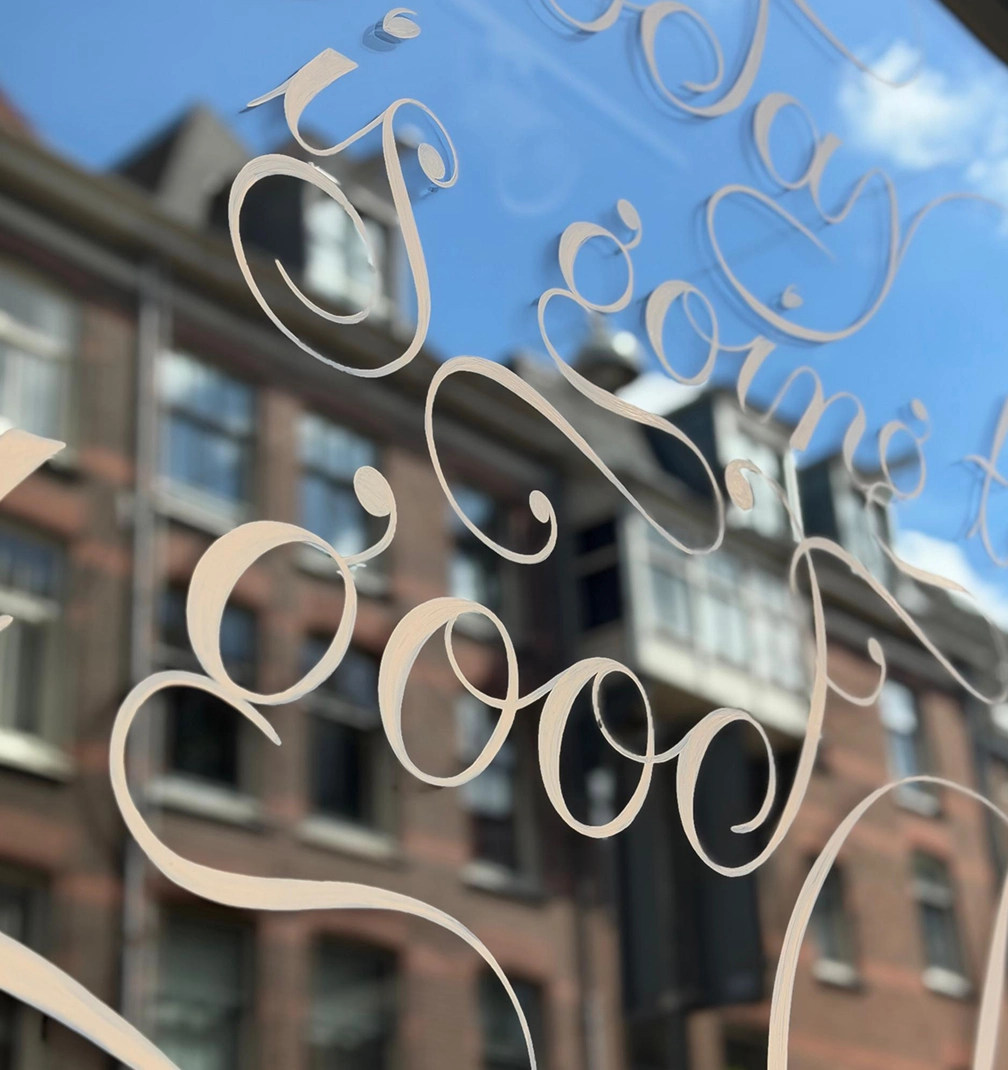
Without stepping into a single shop, Amsterdam offers a masterclass in typography. Traditional cafés and bars still proudly display their names in hand painted lettering, often in the famous Amsterdamse Krulletter, or Amsterdam Curly Letter. Developed in the 1940s and perfected by generations of Dutch sign painters, these elegant swirls and flourishes have become part of the city’s identity, decorating windows and facades with a craftsmanship that refuses to disappear. It’s a wonderful reminder that even something as practical as a shop sign can become a work of art.
I arrived yesterday to one of those perfect postcard days. Soft clouds drifting across a blue sky, bicycles quietly passing by, roses in full bloom and beautiful hand painted signs catching the afternoon light. There was no need to visit a museum or gallery. The city itself was enough.
Perhaps that’s what I love most about Amsterdam. It doesn’t separate art from everyday life. Flowers belong on the streets. Beautiful lettering belongs on shop windows. Historic houses are meant to be lived in. Beauty isn’t hidden away. It’s simply part of the daily routine.
And maybe that’s the best souvenir the Dutch have to offer: the idea that ordinary life deserves extraordinary care.