

Taste
2 October 2026
5 min read
Calling for a comeback
Translating my personal paintings into wearable art for the first time marks a proud creative milestone, successfully blending the soul of the original canvas with the precision of a silkscreened skirt.
LISETTE

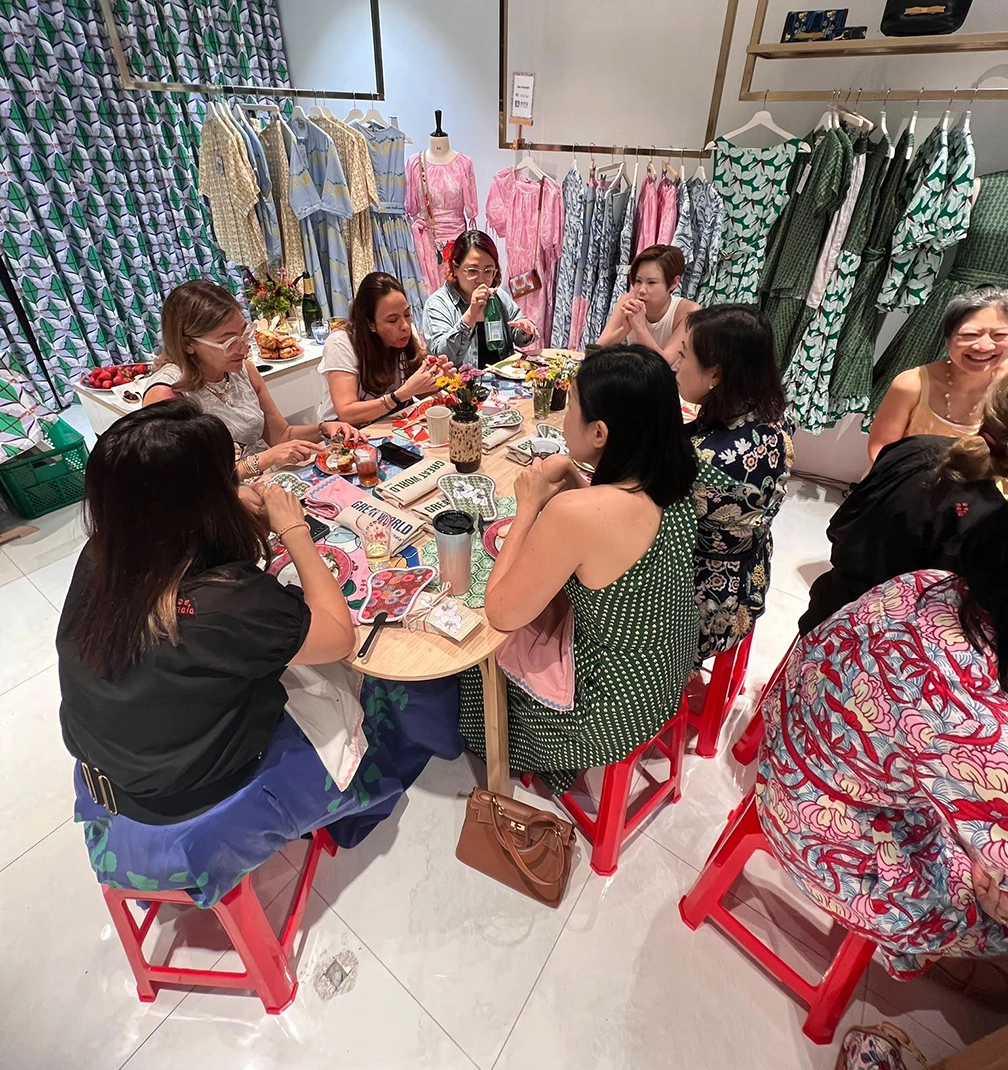
Last Sunday, I invited fifteen of our longest-standing nala clients in Singapore for high tea at nala Great World.
Some of them have been with us since 2017. We had scones from my favourite little bakery, strawberries and clotted cream, champagne, tea and kuih We talked about nala, what they love, what they would like more of, what they miss and what we could do better. Everyone was wonderfully honest.
I also introduced our new ALOHA collection, we had a Q&A, we laughed a lot, and somewhere along the way it stopped feeling like an event and started feeling more like a family gathering.
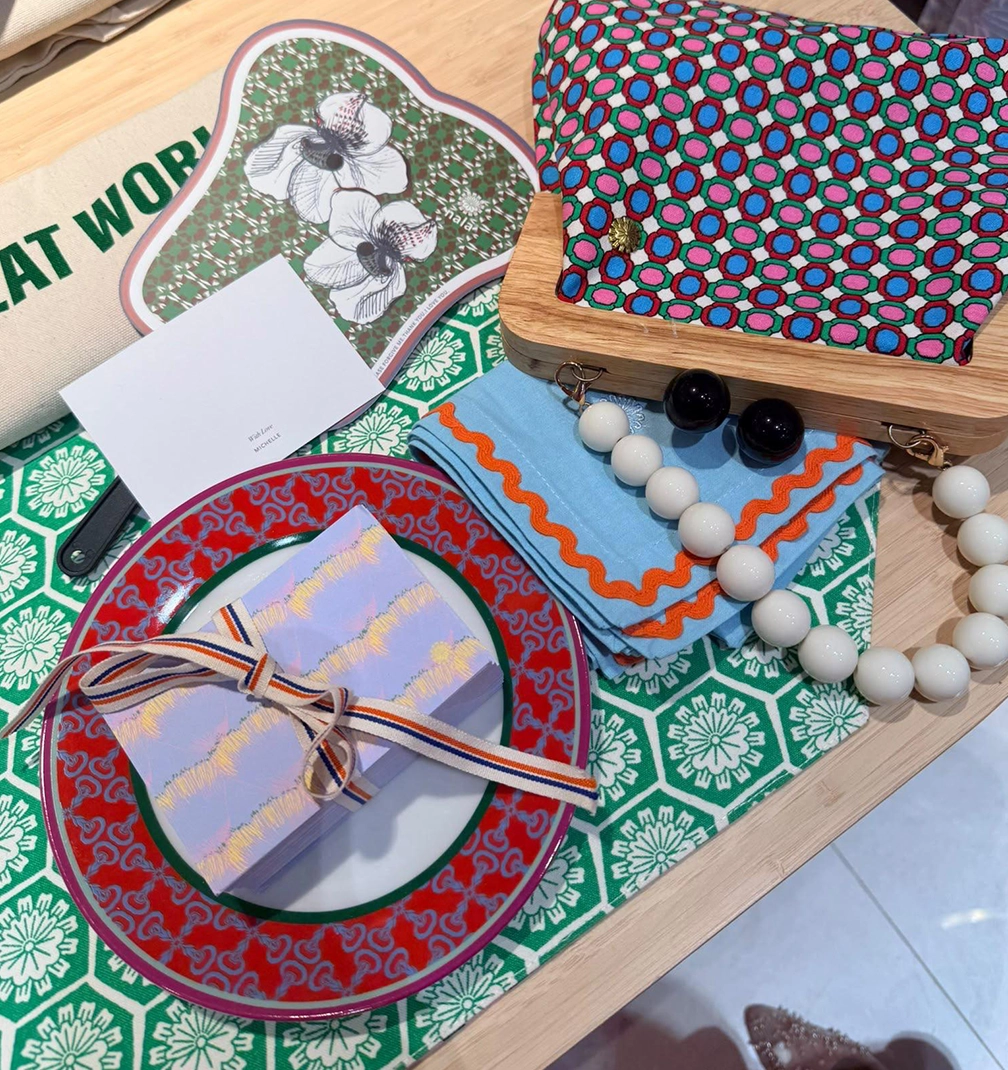
At the end of the afternoon, everyone received a little set of compliments cards. And that’s when something funny happened.
Everyone of a certain age knew exactly what they were. My younger team members had absolutely no idea.
“What’s a compliments card?”
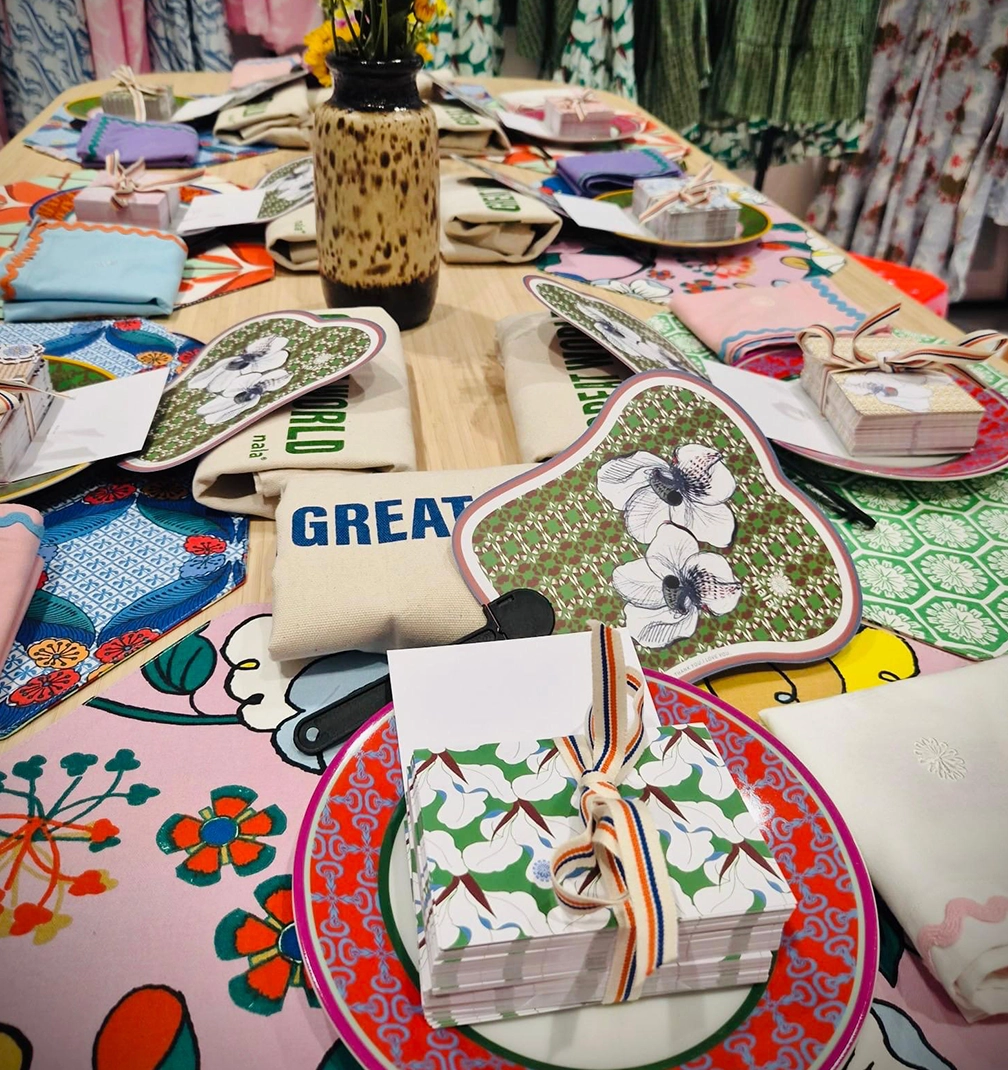
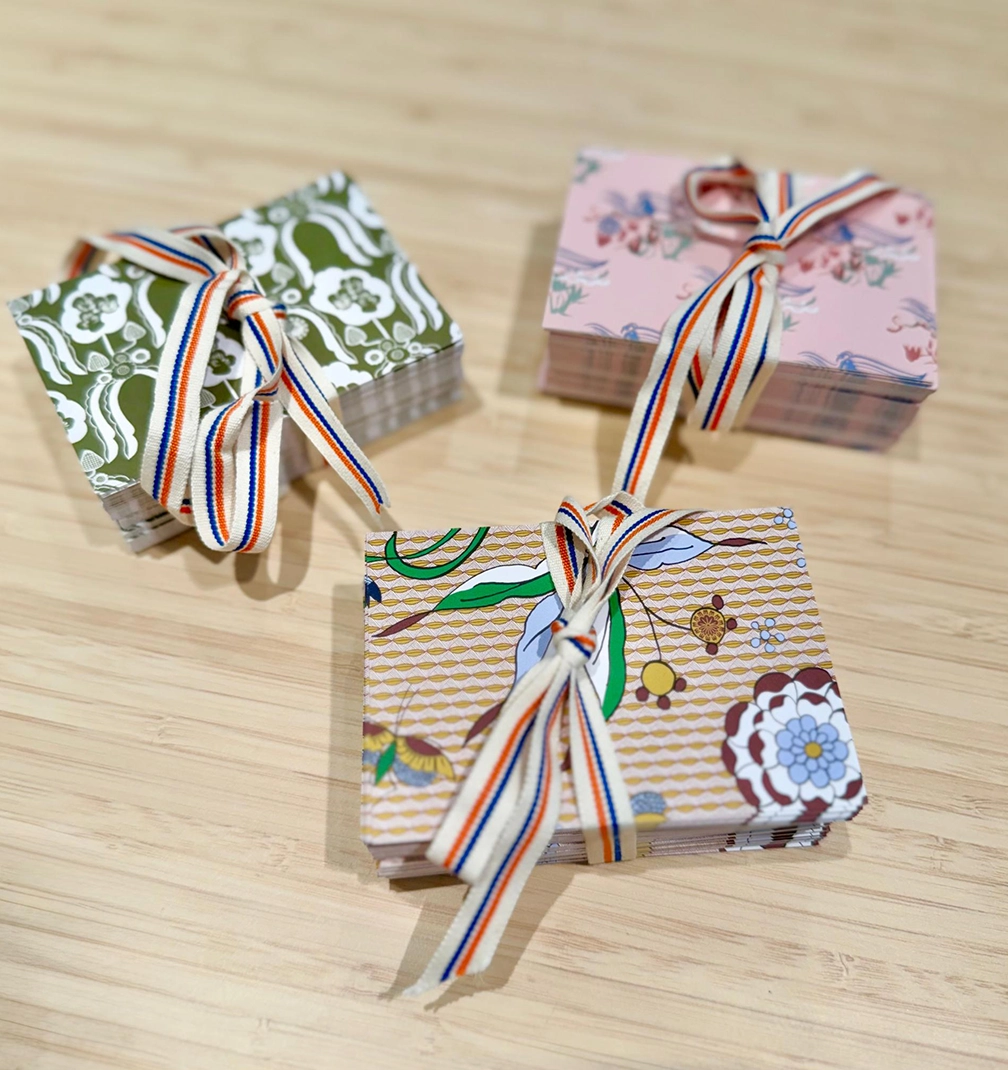
It had never occurred to me that something so familiar to me could almost disappear in one generation.
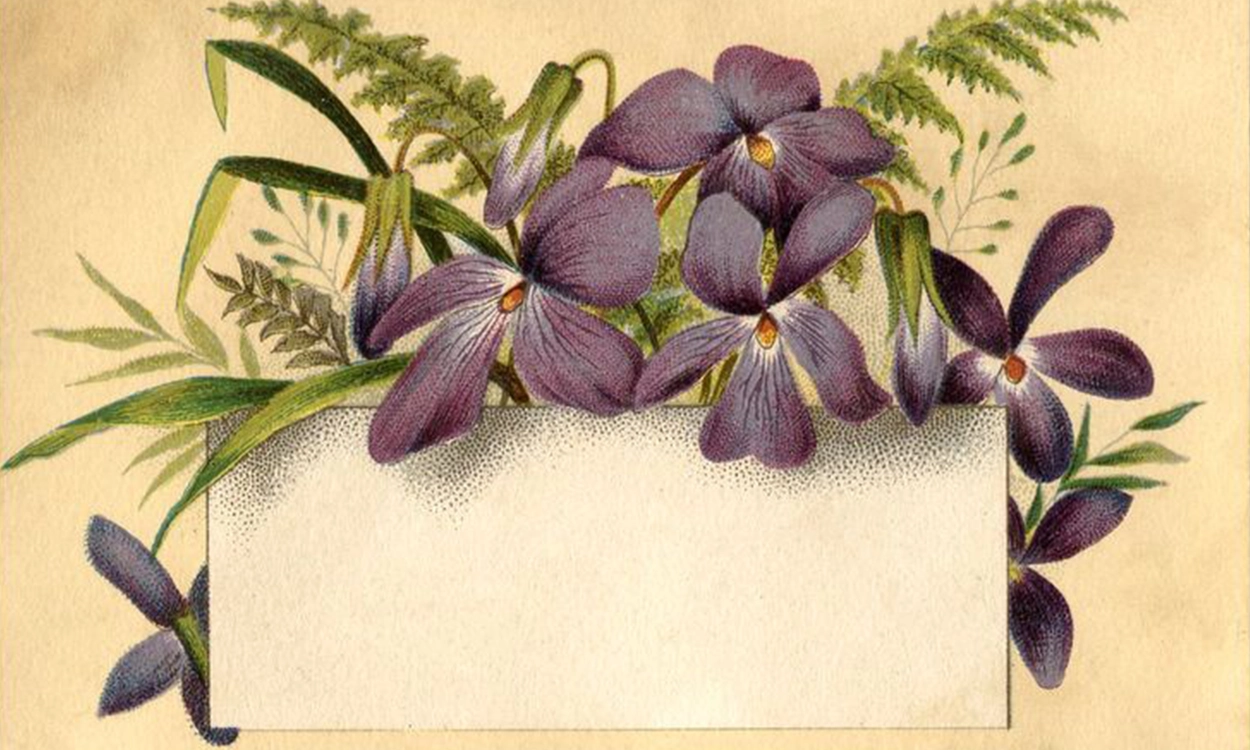
The calling card has been around for centuries. You would leave one at someone’s home to say you had called, sometimes whether they were home or not. There were rules and rituals around them, particularly in the 18th and 19th centuries, when leaving your card was simply part of social etiquette.
Compliments cards and correspondence cards came from a similar world. Small, beautifully printed cards, often bearing your name or initials, with just enough room for a few handwritten words.
You might send one with flowers after being invited for dinner. You might tuck one into a gift. Or simply write a few words to thank someone for something kind they had done.
No essay. No long letter.
KJust a proper thank you. Perhaps it is old-fashioned. But I rather like old-fashioned things when they are good things.
Because today we can send a heart, a thumbs-up or a quick “thank youuuuu” in about three seconds. And we do.
But there is something completely different about choosing a card, picking up a pen, writing someone’s name and thinking about what you actually want to say.
It takes a little longer.
Which is precisely the point.
So when my younger team looked at these cards as though I had handed them some mysterious object from another century, I thought perhaps we shouldn’t let this one disappear.
I’m calling for a comeback.
Of the calling card, of the handwritten thank you, and of taking a few extra minutes to let someone know that they mattered.