
Culture
3 March 2026
5 min read
Kimono. The Standard I Measure Myself Against.
There are books that inspire you, and then there are books that quietly raise the bar so high that you have no choice but to grow.
LISETTE
SHARE

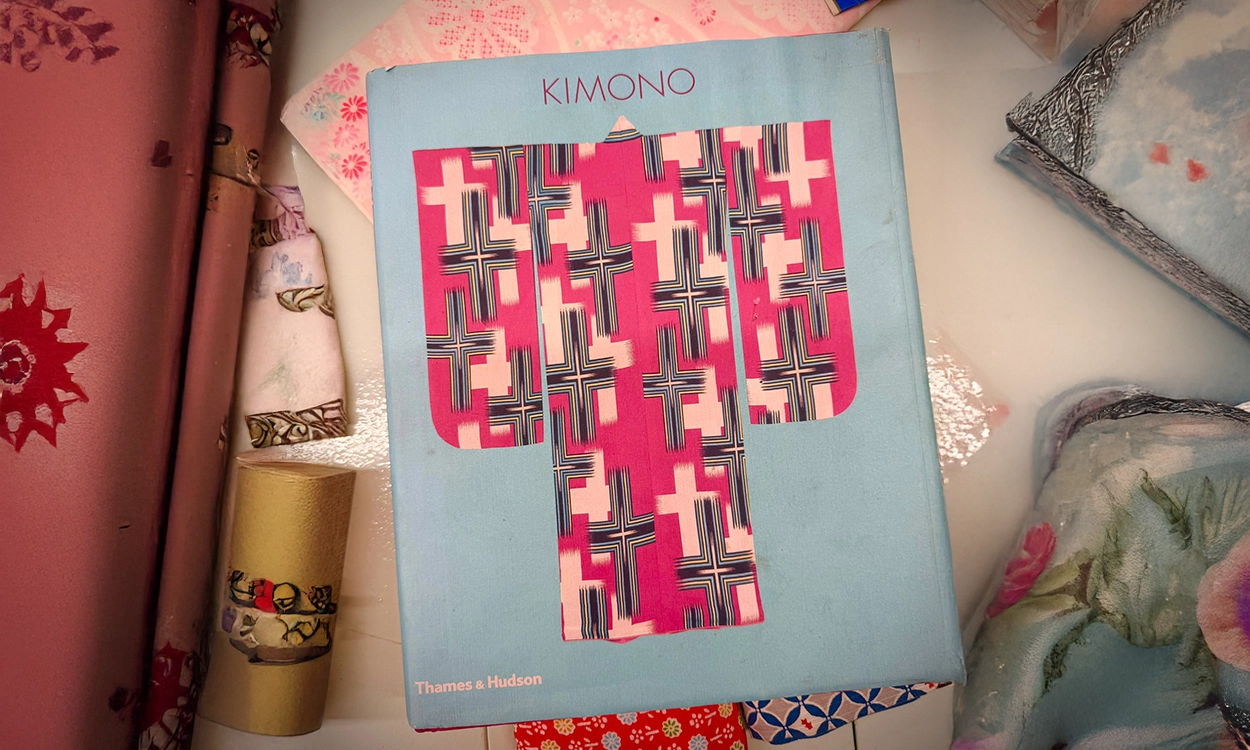
For me, Kimono: The Art and Evolution of Japanese Fashion is that book.
Published by Thames & Hudson and edited by Anna Jackson, it draws largely from the extraordinary holdings of the Khalili Collections. These collections were assembled by Sir David Khalili, a British Iranian scholar and collector who dedicated decades to preserving some of the world’s most important art. His Japanese art collection is considered one of the most comprehensive in private hands, and what moves me is the seriousness behind it. This was not decorative collecting. It was systematic, academic, and deeply intentional, a lifetime devoted to safeguarding beauty.
That depth is felt in every page of this book.
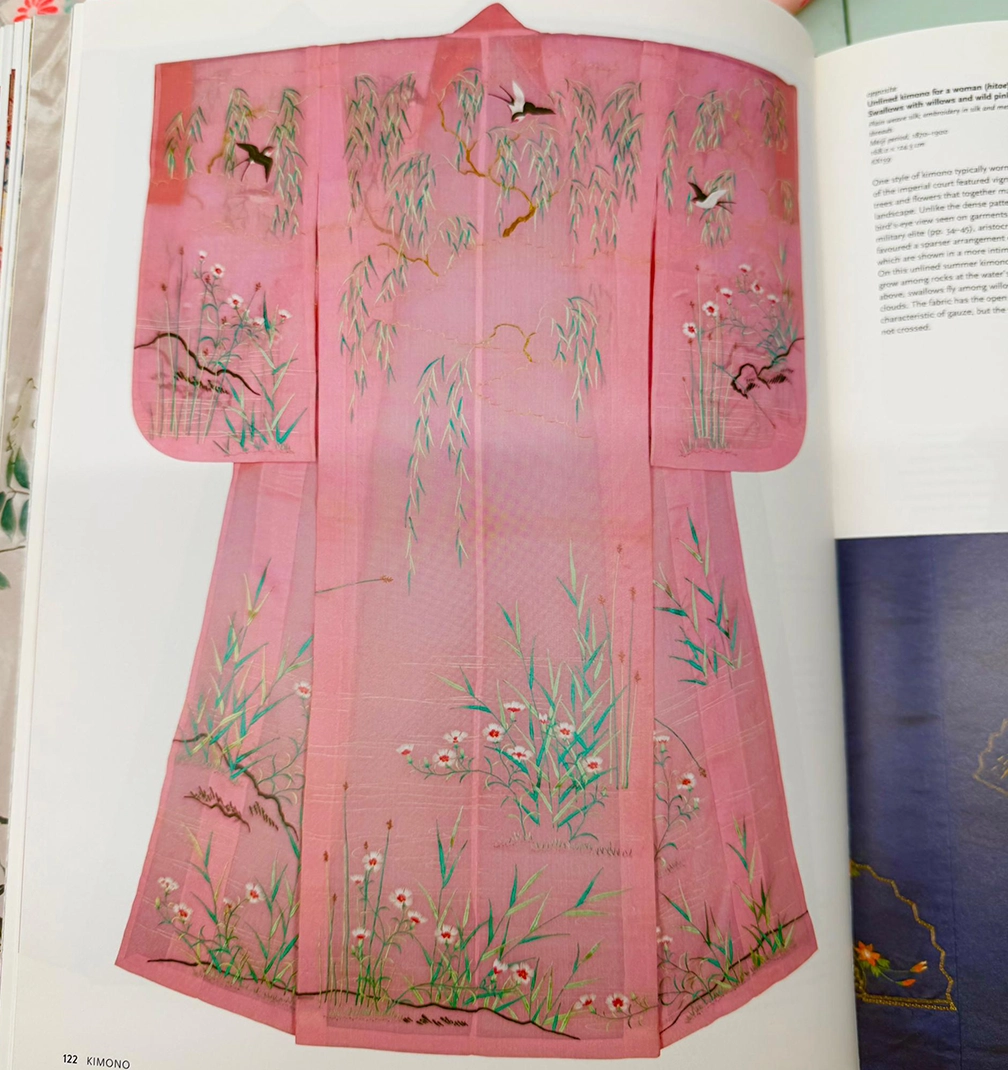
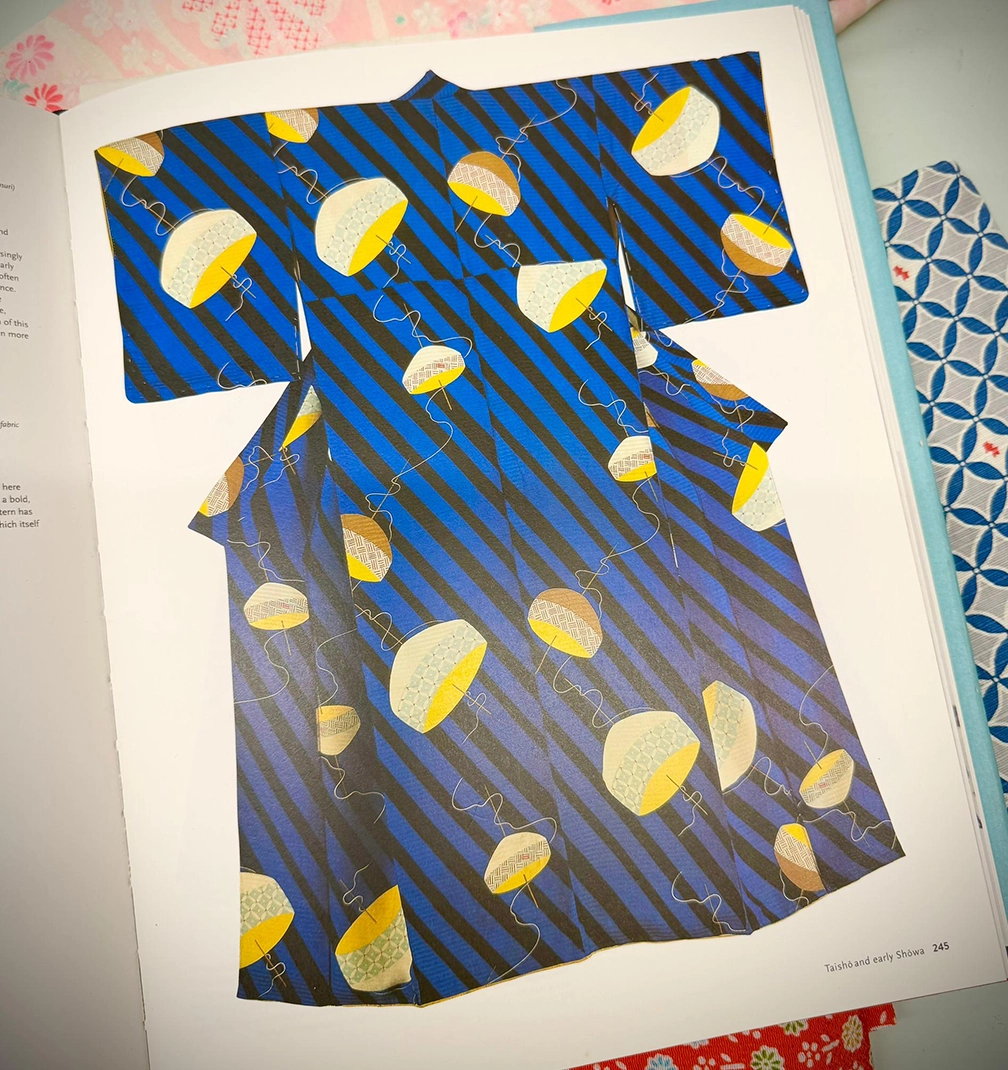
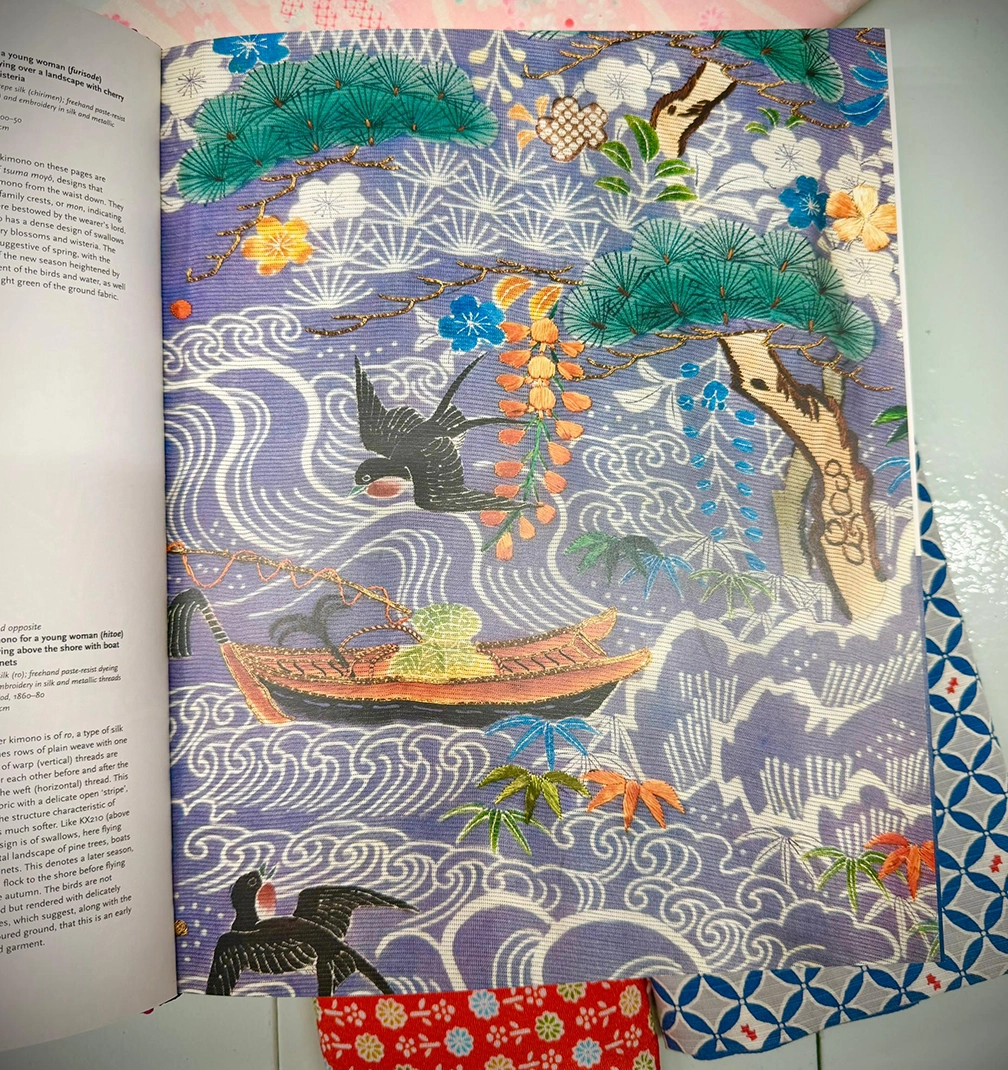
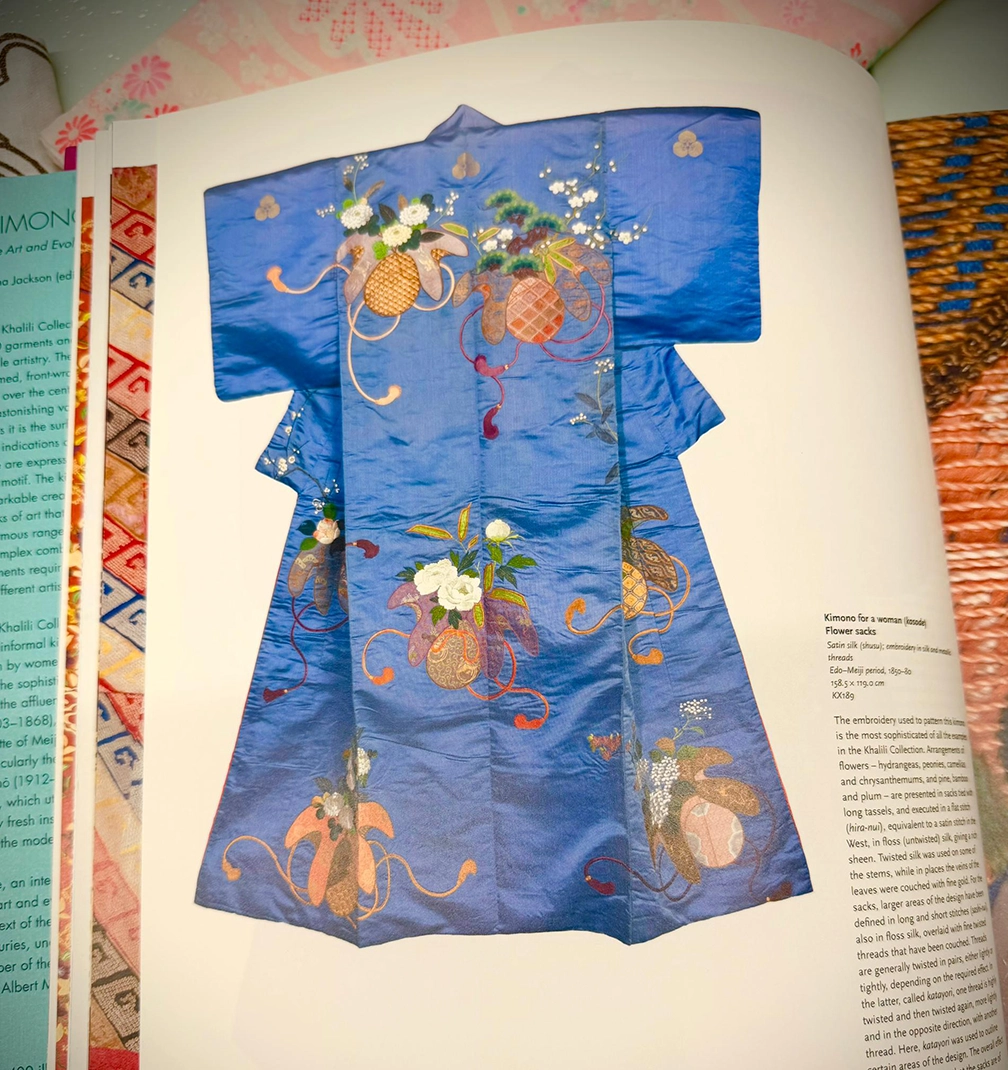
Each kimono is not simply a garment but an engineered composition. It is mathematics, poetry, architecture and discipline translated into silk. The placement of motifs is so intelligent that it almost feels unfair. Entire landscapes unfold only when the sleeve falls in a certain way, and blossoms travel across seams with such confidence that the garment becomes a moving canvas. The negative space breathes as deliberately as the most intricate embroidery.
As someone who is completely obsessed with patterns, I turn these pages and experience that very honest designer moment of thinking that I wish I had drawn this myself. What strikes me again and again is the restraint. The ability to know when to stop. The courage to leave space untouched. Every composition feels inevitable rather than applied, as if it could never have been arranged differently.
At the same time, I feel a genuine sadness when I see antique kimonos cut apart and turned into smaller objects. I understand the argument for reuse and sustainability, but to me a kimono is a complete artwork. It was conceived as a whole, with the silhouette, the drape and the narrative across the body all working together. To separate it feels like cutting a painting into fragments. These pieces carry history in their seams, and they deserve to remain intact.
This book reinforces my belief that true design has dignity and that tradition can evolve without losing its integrity. Whenever I doubt myself as a designer, I open it again, and in doing so I am reminded why I care so deeply about placement, proportion and storytelling through print. It both humbles and energises me, because it shows me what is possible while gently insisting that I aim higher.
More than anything, it makes me dream of Japan, not as a place to visit casually but as a place to study seriously. I imagine dye vats, textile ateliers and artisans who understand colour the way musicians understand sound. I want to learn how they balance boldness with restraint and how they allow a motif to breathe within such a strict structure.
This is not simply one of the most beautiful books I own. It is the standard I measure myself against.