



Culture
12 January 2026
5 min read
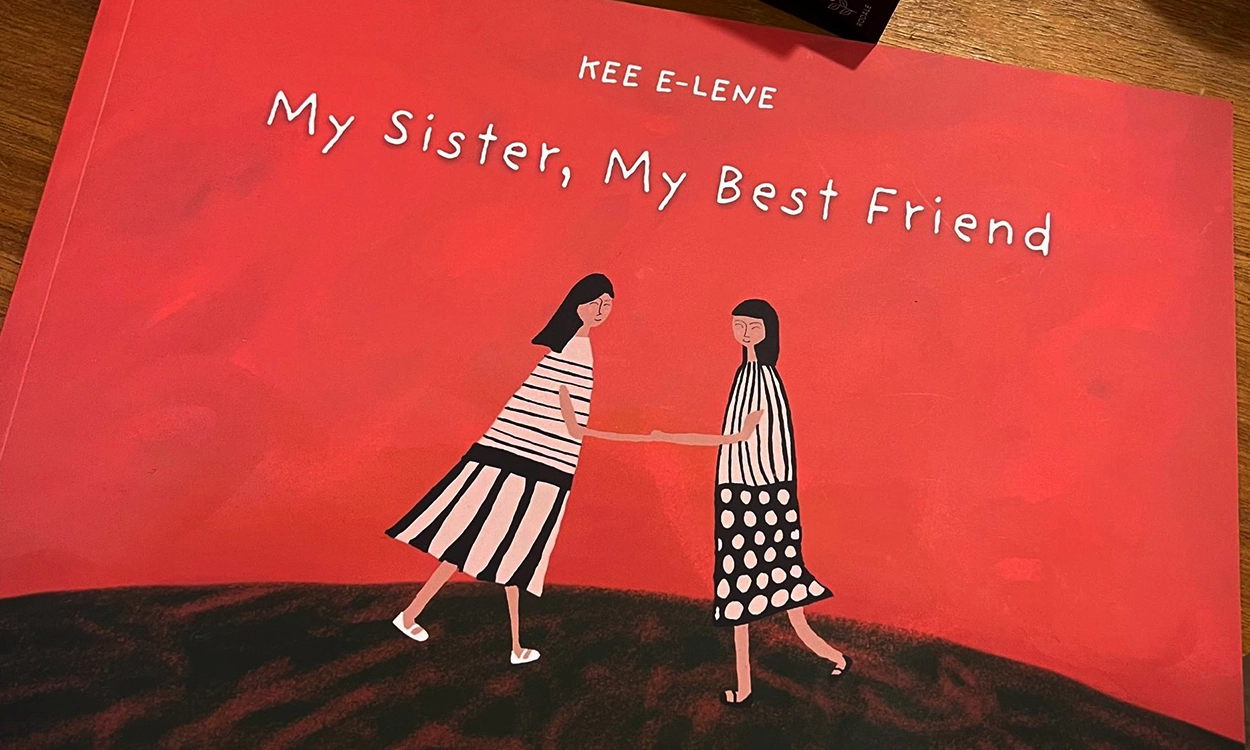
My Sister, My Best Friend
by Kee E-Lene
Some books slip into your life quietly and stay there. My Sister, My Best Friend did exactly that for me.
LISETTE
SHARE

E-Lene wrote it for her sister’s, Shih-Lene’s, 60th birthday, sparked by a very real thought most of us prefer to avoid. What if time runs out before you ever properly say the things that matter. Not out of drama, just out of habit, busyness, and the assumption that there will always be another moment.
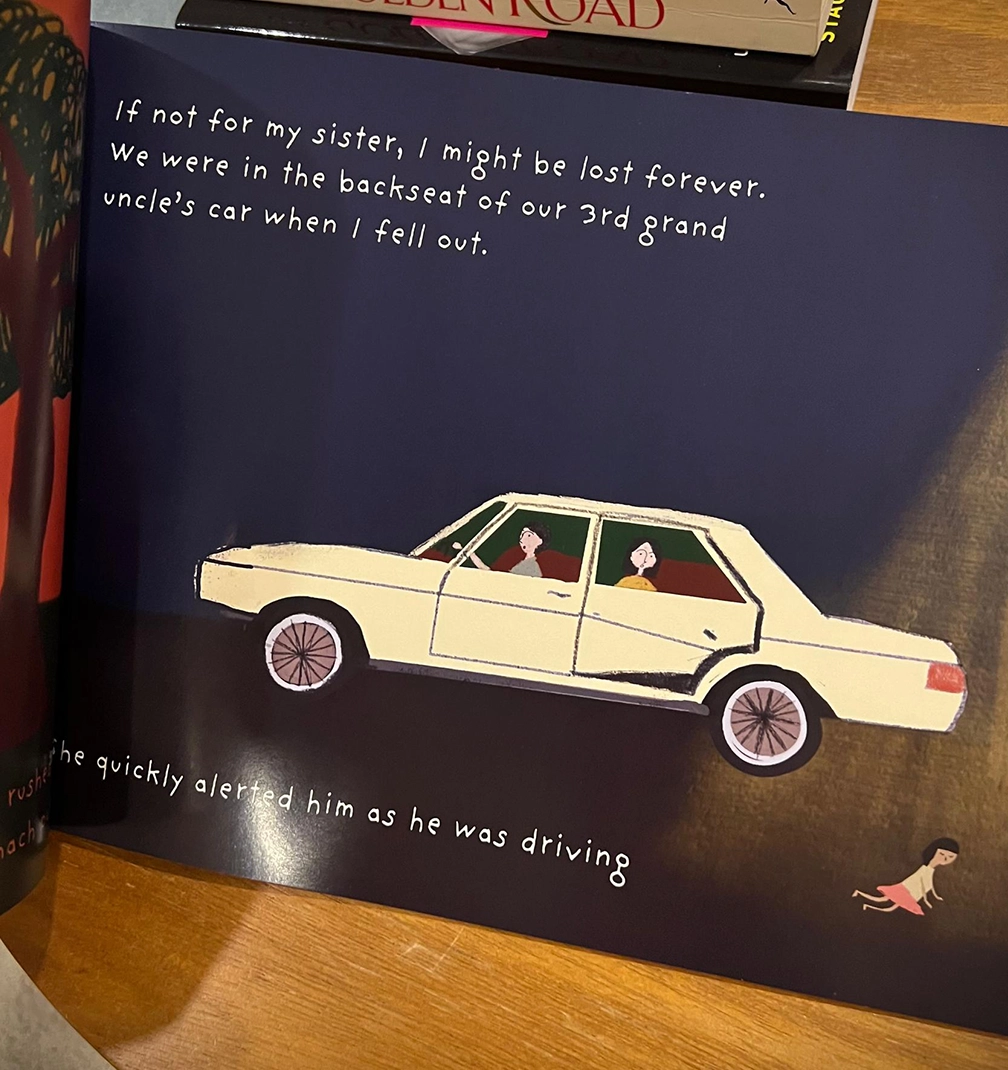
What I love about this book is that it never tries to be emotional for the sake of it. It is warm, observant, and often very funny. There are small moments that stay with you. One of them made me laugh out loud. She writes about dropping out of the car, an image so unexpected and absurd that it catches you completely off guard. It is those kinds of details that make the book feel honest rather than polished.
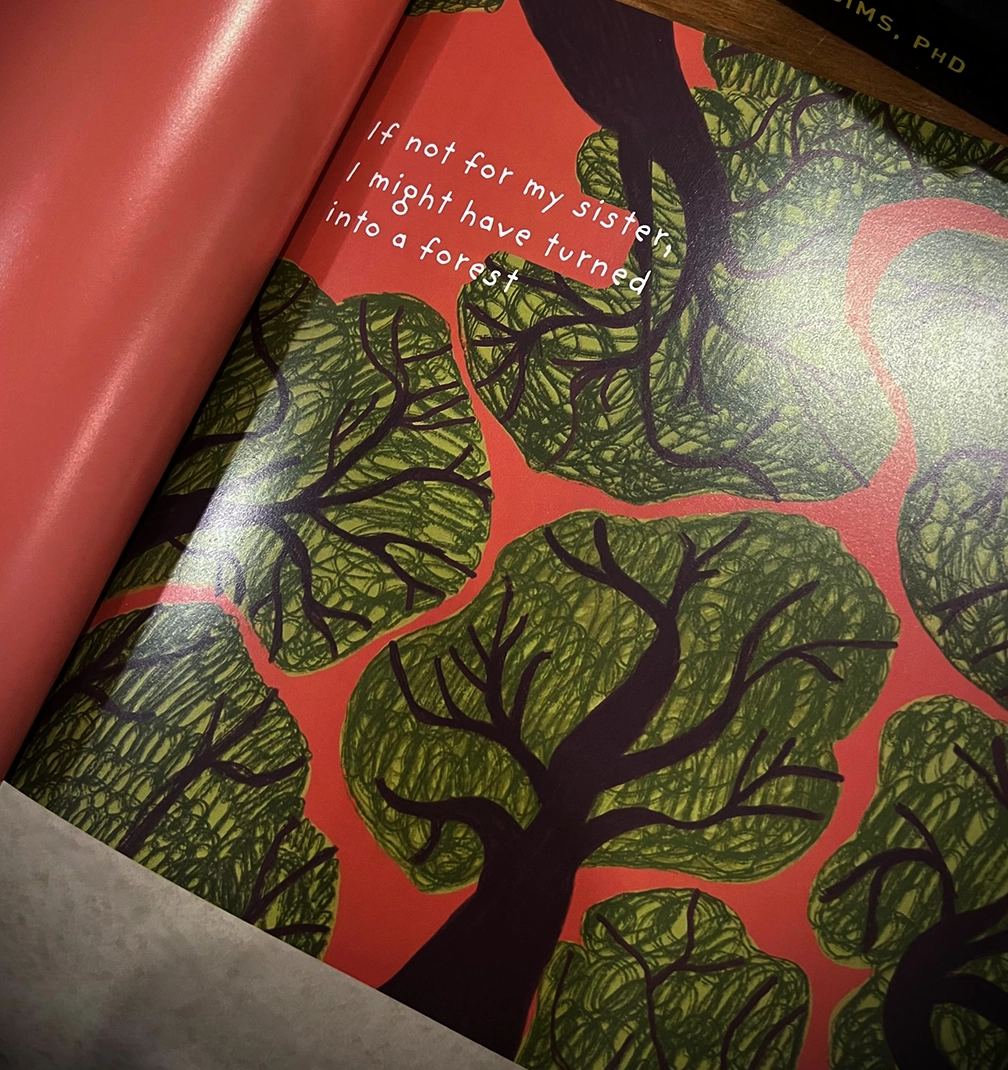
What makes that even more surprising is knowing E-Lene herself. She is strong, grounded, and assured. You would never imagine that insecurity had ever played a role in her life, and yet here it is, acknowledged with humour and ease.
When you don’t know both sisters, what strikes you immediately is how different they are. They look different, think differently, move through the world differently. And yet they borrow each other’s clothes, which somehow says everything. I see them as friends rather than “sisters” in the conventional sense, and that is exactly what makes it work. They complement each other without trying to be the same.
That is what makes this such a good example of how sisterhood can function. Not through sameness, but through contrast. Through acceptance. Through letting the other person be fully themselves.
The book is beautifully illustrated by Mulaika and available at Book Access.
At its core, this book is not about grand statements or perfect relationships. It is about saying things while there is time, allowing yourself to be seen, and finding humour in moments you might otherwise gloss over.